Boat owners consider Progressive Boat Insurance because it offers customizable policies, liability coverage up to $1,000,000, on-water towing, wreckage removal, fuel spill liability, and optional protections like medical payments and uninsured boater coverage. The right policy depends on your boat type, budget, and how you use the water.
Owning a boat comes with freedom, fun, and plenty of responsibility. Whether you have a fishing boat, pontoon, powerboat, personal watercraft, or larger recreational vessel, protecting your investment matters.
That is where boat insurance comes in. Progressive Boat Insurance is one option many boat owners consider because it offers customizable coverage, optional protections, and policies for many common recreational boats. In fact, Progressive is the largest boat insurer in the United States.
At Interstate Haulers, we do not provide boat insurance or insurance advice. What we do is transport boats across the continental United States. Since 1997, our family-owned team has helped boat owners, dealers, manufacturers, and logistics partners move high-value assets safely and professionally. Before your boat is purchased, transported, or launched for the season, it pays to understand your insurance coverage, documentation, and transport preparation.
This guide explains why boat insurance matters, breaks down 10 reasons boaters consider Progressive, and shows what to check before your boat hits the road. Always confirm Progressive-specific coverage details, eligibility, and claim requirements directly with Progressive, since terms vary by state, vessel type, and use.
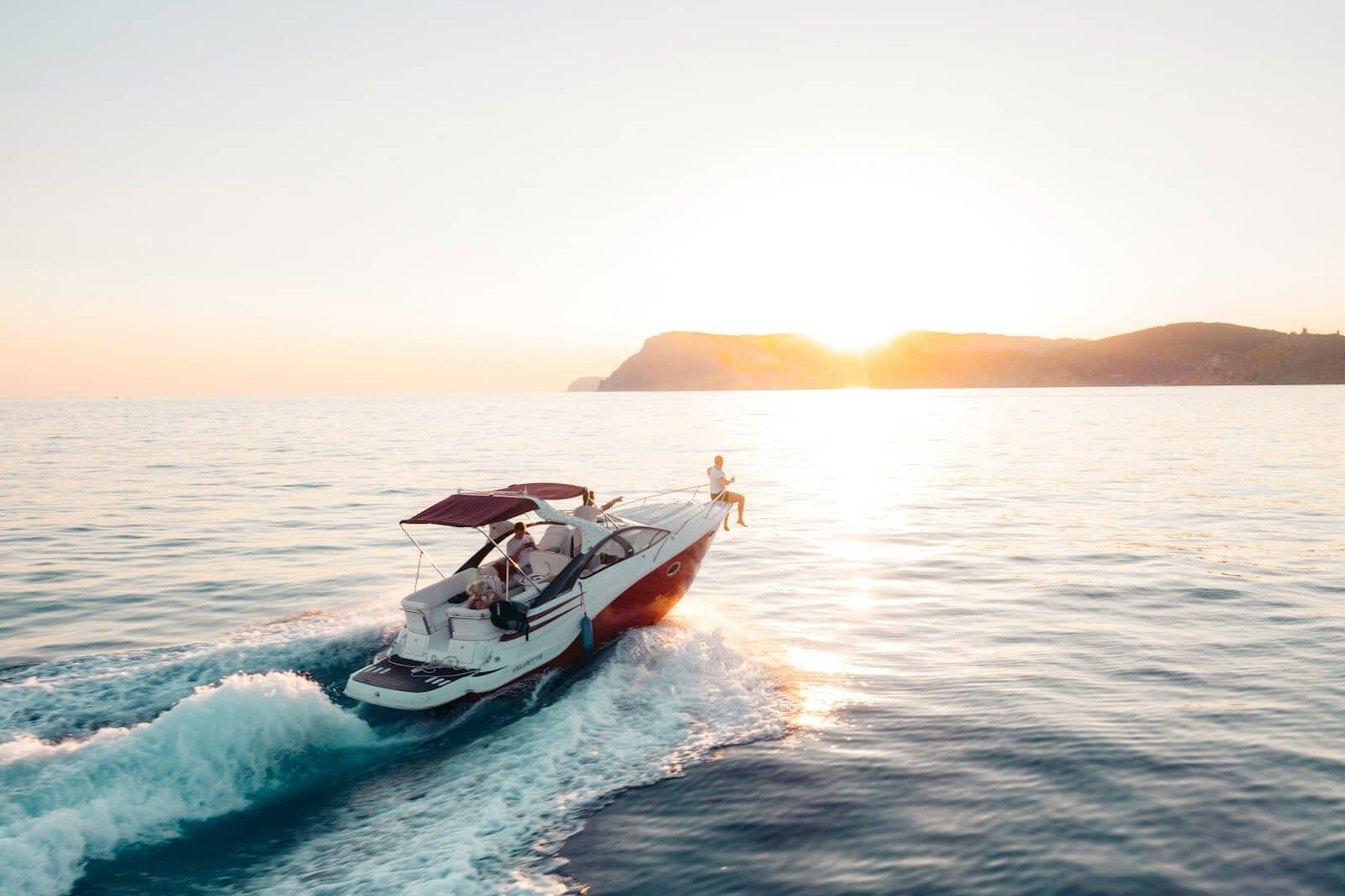
Photo by Ivan Ragozin on Unsplash
Why does boat insurance matter for owners?
Why is a boat considered a major investment?
A boat is more than a weekend toy. It is a valuable asset, and the right coverage can help protect your money, your passengers, and your peace of mind.
Boat ownership involves financial responsibility well beyond the purchase price. Consider the full picture:
- Boats can be expensive to purchase, maintain, store, insure, and transport.
- Damage to the hull, trailer, electronics, fishing gear, or equipment can be costly.
- Accidents, towing needs, fuel spills, storms, and injuries may create unexpected expenses.
- Boat insurance can help protect owners from certain covered losses, depending on the policy.
How should coverage match the way you use your boat?
The best boat insurance policy is not always the cheapest one. It is the one that matches your boat, your risk, your boating habits, and your comfort level.
Comparing boat insurance means looking at three things: the boat, the owner, and how the vessel is used. Boat type affects insurance underwriting and coverage needs in a significant way. A pontoon boat may have different coverage needs than a powerboat, fishing boat, or personal watercraft. Where you store, operate, and transport the boat can shift your needs too.
When you compare quotes, look closely at liability limits, hull coverage, personal effects, equipment, trailer coverage, medical payments, and towing benefits.
How do insurance and transport planning work together?
Before your boat is picked up, moved, or delivered, it is smart to understand what your policy covers and what documentation you may need if a claim ever comes up.
Insurance and transport planning should go hand in hand. Keep these points in mind:
- Confirm coverage before transport.
- Some policies may handle transport-related risks differently.
- Documentation, photos, receipts, and condition reports can be helpful.
- Ask your insurer what is covered during transportation.
- Professional transport helps reduce risk when moving a high-value vessel.
10 reasons boat owners consider Progressive Boat Insurance
1. Customizable boat insurance policies
Many boat owners like having options. Progressive Boat Insurance allows policy customization, which can help owners choose coverage that fits their boat and budget. You can adjust coverage levels based on your needs, and optional coverages let you tailor protection further. Keep in mind that coverage can vary by boat type, location, policy terms, and eligibility.
2. Coverage for common recreational boats
Progressive provides coverage for common recreational boats. That includes pontoons, fishing boats, powerboats, and personal watercraft. Progressive can also cover some boats 25 feet or larger with multiple engines. Some vessels or uses may not be a fit—Progressive may not suit bluewater sailors, for example, so confirm eligibility before you buy.
For many recreational boat owners, Progressive may be a practical place to start when comparing boat insurance options.
3. Liability coverage options
Liability coverage is one of the most important parts of a boat insurance policy because accidents can involve more than damage to your own boat. Progressive offers liability coverage up to $1,000,000, which may help if you are responsible for property damage or injuries to others.
Compare limits carefully. Higher-value boats, busy waterways, and larger vessels may call for more coverage consideration.
4. Agreed value and market value options
The difference between agreed value and market value can matter a lot if your boat is damaged or totaled. Make sure you understand the terms before you sign.
Boat insurance can include both options:
- Agreed value means the payout is based on an agreed amount stated in the policy, subject to policy terms.
- Market value means the payout may be based on the boat’s current value at the time of loss.
Understand how value is determined before choosing a policy, since it directly affects what you receive after a covered loss.
5. Optional medical payments and uninsured boater coverage
Optional coverage can add another layer of protection for boat owners, passengers, and families who spend a lot of time on the water. Progressive offers optional medical payments coverage, which may help with certain injury-related costs. Progressive also offers optional coverage for uninsured boaters, which may help if another boater causes damage or injury and does not carry proper coverage.
6. On-water towing benefits
Getting stuck on the water is stressful enough. Towing coverage can help make an already frustrating situation easier to handle. On-water towing covered by Progressive may include fuel delivery and jump-starts. Towing costs can be steep out of pocket—one reported experience involved Progressive reimbursing a $900 towing cost without fuss. Confirm towing limits, terms, and reimbursement requirements with Progressive.
7. Wreckage removal coverage
If a serious incident happens, cleanup and removal can become part of the cost. Wreckage removal coverage may help reduce that burden. Removal costs can be expensive, and some waterways, marinas, or authorities may require quick removal after an incident. Understand when this coverage applies to your policy.
8. Fuel spill liability coverage
Fuel spill liability is one of those coverages boat owners may not think about until they need it. It can matter when cleanup costs become part of a claim. Fuel spill liability can help cover cleanup costs caused by fuel spills, which create both environmental and financial issues. This coverage may be especially important for larger boats or vessels with bigger fuel capacity.
9. Optional water-sports coverage
If your boating lifestyle includes water sports, make sure your policy matches how you actually use the boat. Progressive policies may include optional coverage for water sports. This may matter for owners who tow skiers, wakeboarders, tubers, or other participants. Confirm which activities are covered and what exclusions apply before you rely on it.
10. Claims may be more flexible than expected
Documentation still matters. Keeping photos, receipts, maintenance records, and equipment details can make the process smoother if you ever need to file a claim.
Some boat owners have reported relaxed claim requirements with Progressive. Claims may sometimes be processed with just a list of components, and no survey is often needed for insuring new vessels. Still, some claims may require pictures and receipts for payouts. Claim requirements depend on the policy, the loss type, your documentation, and the insurer’s review—so don’t assume any single outcome.
What should you check before transporting an insured boat?
How do you confirm coverage before pickup?
Before your boat is moved, call your insurance provider and confirm the details. Do not assume your policy covers every situation the same way.
Ask your insurer these questions:
- Is the boat covered during transport?
- Does coverage apply during loading and unloading?
- Is the trailer covered?
- Are electronics, fishing gear, equipment, and personal effects covered?
- Are there coverage limits during transport?
- Is separate transport coverage required?
- Are there documentation steps to complete before pickup?
What photos and records should you gather?
Photos and paperwork are simple steps that can save major stress later. They help create a clear record of the boat’s condition before transport.
- Take photos of the hull, trailer, motor, electronics, and accessories.
- Document existing scratches, dents, or damage.
- Keep receipts for upgrades, fishing gear, electronics, and equipment.
- Save policy details and insurer contact information.
- Share relevant transport details with your hauler.
How do you secure the boat, trailer, and equipment?
Insurance is important, but preparation matters too. A properly secured boat is easier and safer to move.
- Remove loose personal effects.
- Secure electronics when possible.
- Confirm the trailer is road-ready.
- Check tires, lights, brakes, and registration if the boat travels on its trailer.
- Remove or secure covers, biminis, gear, and accessories.
- Confirm pickup and delivery access.
How does Interstate Haulers support a smoother boat delivery?
We move boats with care across the continental U.S.
We are not just a freight company. We are a family-owned transportation team that understands how much your boat means to you. Founded in 1997, Interstate Haulers brings nearly 30 years of specialty hauling experience to every job. We transport boats with or without trailers, along with RVs, travel trailers, and industrial trailers, all across the continental United States. High-value and oversized assets are our specialty.
We help owners, dealers, manufacturers, and logistics partners
Whether you are buying a boat from another state, moving a vessel for the season, or coordinating delivery for a dealership, our team can help make the transport process clear and dependable. We serve:
- Individual boat owners, seasonal movers, and first-time buyers
- Marine dealers and boat manufacturers
- Freight forwarders and logistics partners
- Government and emergency response agencies for industrial trailer needs
What should you have ready before requesting a quote?
A few details make quoting fast and accurate. Have this information ready:
- Pickup location
- Delivery location
- Boat make and model
- Boat length, width, height, and weight
- Whether the boat has a trailer
- Trailer condition
- Marina, seller, or dealer contact information
- Timing needs
- Special handling concerns
- Insurance documentation, if needed
Request a Boat Transport Quote.
Clear communication from quote to delivery
From the first quote to final delivery, our goal is to make boat transport feel organized, professional, and easy to understand. That means transparent quoting, personalized service, safety-focused transport, FMCSA compliance, clear pickup and delivery coordination, and professional handling of oversized and high-value assets.
Protect your boat before every adventure
Progressive Boat Insurance is one option boat owners may consider when comparing coverage for liability, towing, medical payments, personal effects, trailer coverage, wreckage removal, fuel spill liability, and optional water-sports protection. The right policy depends on your boat, your budget, and how you plan to use the water. Always confirm coverage details, eligibility, and claim requirements directly with Progressive.
At Interstate Haulers, we help protect your investment in a different way: through safe, professional boat transport. Since 1997, our family-owned team has moved boats, RVs, travel trailers, and industrial trailers across the continental United States with care, safety, and clear communication.
Before your next boating adventure, take time to review your insurance, prepare your boat, and choose a transportation partner you can trust.
Request a Boat Transport Quote. Contact Interstate Haulers today and move your boat with confidence.
Frequently asked questions
Does Progressive Boat Insurance cover my boat during transport?
It depends on your specific policy. Some policies handle transport-related risks differently, and coverage during loading, unloading, and over-the-road moves is not guaranteed. Call Progressive before pickup to confirm whether transport is covered, whether the trailer and equipment are included, and whether separate transport coverage is required.
What types of boats does Progressive insure?
Progressive insures common recreational boats, including pontoons, fishing boats, powerboats, and personal watercraft. It can also cover some boats 25 feet or larger with multiple engines. Boat type significantly affects underwriting, and some uses—such as bluewater sailing—may not be a fit. Confirm eligibility with Progressive.
How much liability coverage does Progressive offer for boats?
Progressive offers liability coverage up to $1,000,000. The right limit for you depends on your boat’s value, how busy your waterways are, and your overall risk. Choose higher limits if protecting against costly property damage or injury claims matters more than minimizing your premium.
What documents do I need to file a boat insurance claim?
Claim requirements vary by policy and loss type. Some claims may require pictures and receipts, while others may be processed with just a list of components. Keep photos, receipts, maintenance records, and equipment details on hand so the process goes smoothly if you ever need to file.
Who should I contact to transport my boat after I’m insured?
Interstate Haulers transports boats across the continental United States, with or without trailers. Family-owned since 1997, the team serves individual owners, dealers, manufacturers, and logistics partners. Gather your pickup and delivery locations, boat dimensions, and trailer details, then request a quote to get started.
Helpful Links and Resources
Smart boat owners do their homework before signing any insurance policy.
- U.S. Coast Guard — The official source for federal boating regulations, vessel safety requirements, and registration rules. Knowing these standards helps you stay compliant and can affect your insurance eligibility.
- National Association of State Boating Law Administrators (NASBLA) — NASBLA tracks boating laws and education requirements across all 50 states. It’s a great place to confirm the rules where you boat, since state-specific regulations can influence your coverage needs.
- BoatUS Foundation — This nonprofit offers free online boating safety courses, on-water training, and practical guides. Completing a recognized safety course may even qualify you for premium discounts with some insurers.
- National Weather Service Marine Forecasts — Get reliable, up-to-date marine weather forecasts, storm warnings, and sea conditions before you head out. Avoiding rough weather protects your boat and helps you steer clear of preventable claims.
- National Association of Insurance Commissioners (NAIC) — The NAIC provides consumer tools, complaint records, and guides to help you understand insurance basics. You can use it to research insurers and learn how your state regulates coverage.
- Insurance Information Institute (Triple-I) —Triple-I breaks down complex insurance topics into clear, easy-to-read articles and FAQs. Their boat insurance explainers help you compare policy types and understand what different terms actually mean.
- Sea Tow Foundation — This safety-focused nonprofit promotes life jacket use, sober boating, and free safety resources. Their programs support responsible boating habits that keep you safe and may lower your risk profile.