
RV transport is the process of having a professional hauling company move your travel trailer, fifth wheel, toy hauler, or bumper pull trailer on your behalf. Hiring a professional service like Interstate Haulers saves time, reduces risk, and removes the stress of long-distance towing—especially for cross-country relocations, seasonal moves, or RV purchases. Transporting an RV requires careful planning of costs, safety, and logistics—whether you’re moving a compact travel trailer or a full-size Class A motorhome.
Owning a recreational vehicle is one thing. Moving it is another challenge entirely.
Whether you’ve just bought a fifth wheel from a dealer three states away, need to relocate your toy hauler for the winter season, or are selling an rv trailer to an out-of-state buyer, the logistics of getting your RV from point A to point B can quickly become overwhelming. It’s not as simple as hitching up and hitting the highway. Long-distance towing demands the right vehicle, the right equipment, the right driver experience, and serious confidence handling large trailers on unfamiliar roads.
That’s exactly where professional RV transport comes in.
Founded in 1997, Interstate Haulers is a family-owned transportation company that has spent nearly 30 years specializing in the safe, efficient hauling of recreational vehicles across the United States—and beyond. Interstate Haulers transports RVs into and out of Canada and to U.S. ports for international shipping, serving individual owners, dealerships, manufacturers, and government agencies with the same level of care and precision.
This guide breaks down everything you need to know about professional RV transport: what it involves, when it makes sense, how much it costs, and why thousands of RV owners trust experienced haulers over doing it themselves.
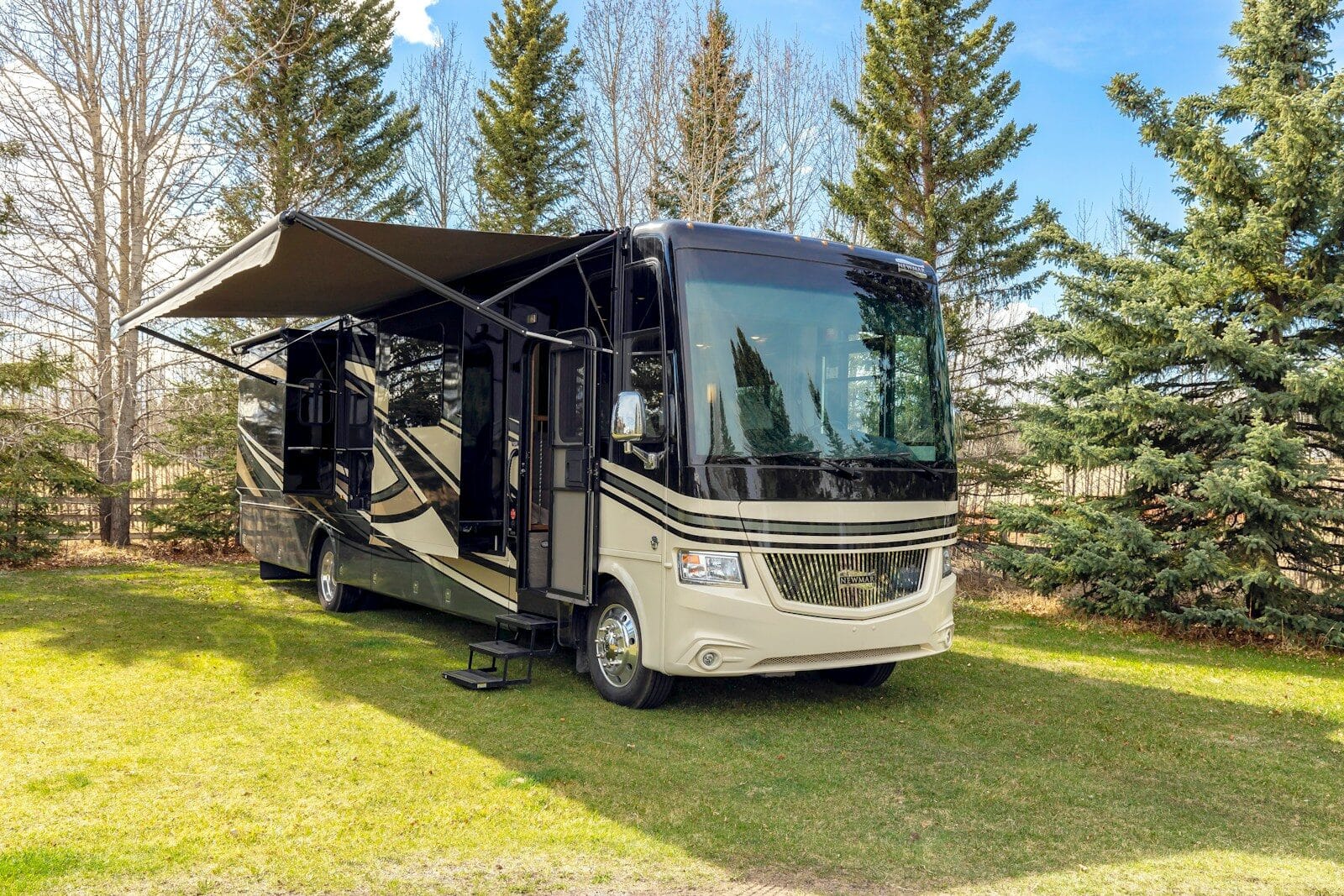
Photo by Paul Kansonkho on Unsplash
Types of RV Transport Services
Before hiring a transport company, it’s worth understanding the three primary service types available—because the right method depends on your RV’s type, condition, and size.
Tow-Away Service
Tow-away service is the most common method for moving towable RVs. A professional driver uses a heavy-duty truck to tow your travel trailer, fifth wheel, toy hauler, or bumper pull to its destination. This is the standard option for most towable units and is well-suited to long-distance hauls across the continental U.S.
Travel trailers are among the most commonly transported RV types nationwide. Fifth-wheel trailers require specific towing equipment—namely a king-pin hitch mounted in a truck bed—so it’s important to confirm your hauler is properly configured before booking.
Drive-Away Service
Drive-away service involves a professional driver operating your motorhome directly to its destination. This method can be quick to arrange and is often a practical solution for motorhomes that are in good, drivable condition. Class A motorhomes are among the largest RV types transported this way and require drivers with specific experience managing oversized vehicles on highway routes.
Other companies that offer drive-away service include Bennett DriveAway, which provides RV transport across the U.S. and Canada.
Flatbed Transport
Flatbed transport provides maximum protection for oversized, inoperable, or unusually high-value RVs. Antique or collector RVs are best transported via flatbed for greater protection, since the unit is secured to the flatbed deck rather than being towed or driven. If your RV cannot be driven or towed safely—or if you simply want the highest level of physical protection during transit—flatbed is the right call.
Cargo trailers can also be included in RV transport services depending on the carrier’s equipment and capabilities.
How Much Does RV Transport Cost?
RV transport pricing varies based on RV size, distance, and current market conditions. Understanding the ranges involved helps you budget accurately and compare quotes with confidence.
General Rate Ranges
- Current market rates for RV transport generally fall between $1.50 and $2.00 per mile under standard conditions.
- Broader professional transport rates typically range from $1.50 to $4.00 per mile, depending on the service type and logistics involved.
- The full rate spectrum—including specialized, flatbed, or oversized transport—can reach $1.50 to $6.50 per mile.
How Distance Affects Per-Mile Rates
- Shorter trips under 300 miles often carry a higher per-mile rate, sometimes up to $4.00 per mile, due to fixed costs being spread over fewer miles.
- Cross-country routes may reduce per-mile rates closer to $1.25 to $2.00, as longer hauls allow those costs to be distributed more efficiently.
Rates by RV Type
|
RV Type |
Estimated Cost Per Mile |
|---|---|
|
Travel Trailer |
$1.75 – $3.75 |
|
Fifth-Wheel Trailer |
$2.25 – $4.00 |
|
Class A Motorhome |
$4.50 – $6.50 |
These ranges reflect typical industry pricing. Your actual quote will depend on pickup and delivery locations, route complexity, timing, and current fuel costs. For the most accurate number, request a personalized quote directly from Interstate Haulers at interstatehaulers.com.
DIY vs. Professional Transport: A Cost Comparison
DIY transport is often the most cost-effective option on paper—but the real-world math is more complicated. Fuel costs rise sharply when towing a heavy trailer, dropping your tow vehicle’s MPG significantly. Factor in wear on your truck’s engine and transmission, hotel stays on multi-day drives, meals on the road, and the risk of a breakdown or accident, and the gap between DIY and professional transport narrows considerably.
For longer distances especially, professional transport frequently delivers comparable or better overall value—particularly once your time and stress are accounted for.
Other well-known carriers worth comparing include Heavy Haulers, which has over 15 years of RV transport experience and ships all types of RVs nationwide, and We Haul RV Transport, which holds U.S. Federal Authorization for nationwide operation.

Photo by Izabela Mierzejewski on Unsplash
Why Professional RV Transport Is Worth It
Here are the key reasons why RV owners, dealerships, and businesses consistently choose to hire experienced haulers.
1. The Right Equipment for Every Type of RV Transport
What towing method does your trailer actually need?
Not all towable RVs are created equal, and not all hitch setups are interchangeable. Travel trailers, fifth wheels, toy haulers, pop-up campers, gooseneck trailers, and bumper pull trailers each have specific weight distribution requirements and hitch configurations that must be matched precisely.
Why does the hitch system matter for safe RV transport?
A mismatched hitch or improperly configured weight distribution system is one of the leading causes of trailer sway—a dangerous condition at highway speeds. Fifth wheels require specialized king-pin hitches mounted in the truck bed. Gooseneck setups demand different coupling entirely. Professional haulers arrive with the right equipment already in place, calibrated for the specific trailer being moved.
According to the RV Industry Association (RVIA), shipments of towable RVs consistently make up the large majority of all RV units shipped in the U.S. each year—which means the demand for experienced transport has never been higher.
2. Professional Drivers Have the Experience to Handle Large Trailers
What skills does RV transport require that most drivers don’t have?
Towing a 35-foot fifth wheel through mountain grades in Wyoming is not the same as pulling a boat trailer to the lake on a Saturday morning. Professional RV transport drivers are trained for sustained highway driving with large trailers, navigating crosswinds that can destabilize long units, managing steep elevation changes, and executing precise backing and maneuvering in tight delivery locations.
A Class A CDL is preferred for RV transport, and experienced carriers ensure their drivers meet or exceed this standard. Drivers must also check state-specific licensing requirements, as regulations vary across jurisdictions—especially for oversized loads.
How does professional handling protect your RV investment?
Your RV is likely one of the most valuable assets you own. Inexperienced towing leads to premature tire wear, frame stress, hitch damage, and—in worst-case scenarios—collision. Experienced haulers conduct pre-transport inspections, document existing conditions, and apply safe-handling techniques that minimize wear throughout transit.
The National Highway Traffic Safety Administration (NHTSA) reports that thousands of crashes annually involve towed recreational trailers—most of which occur due to driver inexperience or improper setup. Hiring a professional driver significantly reduces that risk.
3. Long-Distance RV Transport Is Safer Than DIY Towing
What challenges make cross-country towing particularly risky?
Cross-country towing exposes drivers to rapidly changing weather, unpredictable traffic patterns, road construction, and—most critically—driver fatigue. The cognitive load of managing a large trailer over hundreds of miles creates compounding risk, especially when drivers are unfamiliar with the route.
How does professional planning improve safety during long-distance transport?
Interstate Haulers drivers don’t improvise. Every long-distance transport is approached with safety-first scheduling, experienced route selection, and real-time monitoring throughout transit. Customers receive clear updates so they always know where their RV is and when it’s expected to arrive.
The Federal Motor Carrier Safety Administration (FMCSA) mandates hours-of-service regulations for commercial drivers precisely because fatigue is a documented safety hazard—regulations that professional haulers follow and enforce.
4. Route Planning That Accounts for the Details You Might Miss
Why does every RV transport route require customized planning?
Height restrictions, bridge weight limits, low-clearance underpasses, and road conditions vary dramatically across the country. A route that looks straightforward on a standard GPS can lead an oversized trailer into a dangerous or impassable situation. Professional haulers know which highways accommodate tall and wide loads, and they plan accordingly.
Part of that planning also includes confirming that both the pickup and delivery locations are accessible for large vehicles. A residential driveway, a storage facility, or a dealership lot may have clearance, turning radius, or surface limitations that need to be identified in advance.
How do professionals handle permits and unexpected delays?
Oversized RVs may require special permits before transport can legally proceed. These permits are often route-specific and state-dependent. Professional haulers manage permit requirements, plan around known construction zones, and identify alternate routes in advance—so delays are rare and easily handled when they do occur.
For current permit requirements by state, the American Association of State Highway and Transportation Officials (AASHTO) provides regulatory guidance that professional haulers reference as part of standard planning.
5. RV Transport Saves Time, Stress, and More Money Than You Think
What are the hidden costs of towing your own RV long-distance?
Consider the full cost of a DIY cross-country tow: fuel for the tow vehicle (which drops dramatically when pulling a heavy trailer), one or more nights in a hotel, meals on the road, time away from work, wear on your truck’s engine and transmission, and the very real possibility of a tire blowout or mechanical failure. Add those up across a 1,500-mile move, and professional transport often comes out ahead financially—before factoring in the value of your time and stress.
How does professional RV transport simplify the process?
Interstate Haulers coordinates pickup directly from your location, schedules delivery at a time that works for you, and handles all the logistics in between. There’s no planning a road trip around your trailer, no scrambling to rent a tow-capable truck, and no white-knuckling through a mountain pass at dusk.
6. Flexible Scheduling Built Around Your Timeline
How does Interstate Haulers coordinate pickup and delivery for RV transport?
Scheduling flexibility is one of the most underrated advantages of professional RV transport. Interstate Haulers picks up from residential locations, dealerships, storage facilities, auctions, and manufacturers—wherever your RV is currently located. Delivery is coordinated to align with your schedule, not the other way around.
What communication can you expect during the transport process?
Clear communication is central to how Interstate Haulers operates. Clients receive pickup confirmation, delivery coordination, and updates throughout transit. There are no surprises—just straightforward, professional communication at every step.
7. Nationwide RV Transport, Into Canada, and to U.S. Ports
Where does Interstate Haulers transport recreational vehicles?
Interstate Haulers provides RV transport across the entire continental United States. That includes high-demand regions like Texas—covering Houston, Austin, Fort Worth, and San Antonio—as well as Florida markets including Tampa, and major Midwest and Northeast hubs such as Chicago, New York, Minneapolis, Columbus, Milwaukee, and Pittsburgh. Coverage also extends throughout Pennsylvania, Ohio, Wisconsin, Oklahoma, and Minnesota.
Does Interstate Haulers support international RV shipping?
Yes. Interstate Haulers transports recreational vehicles into and out of Canada, and delivers to U.S. ports for clients arranging international shipping overseas. For RV owners moving abroad or purchasing units internationally, this level of coordination is difficult to replicate without an experienced logistics partner.
8. Transport Solutions for Individual Owners, Dealers, and Manufacturers
What RV transport services are available for individual owners?
Individual RV owners use Interstate Haulers for a wide range of situations: cross-country relocations, seasonal snowbird moves, vacation property deliveries, and transporting RVs purchased through online marketplaces or out-of-state auctions. If your trailer is somewhere you’re not, Interstate Haulers can get it to you.
How does Interstate Haulers support B2B RV transport needs?
On the business side, Interstate Haulers is a reliable partner for dealership inventory moves, manufacturer deliveries, fleet transportation, and commercial partnerships. Dealers who need new stock moved between locations—or delivered directly to a customer’s driveway—rely on Interstate Haulers for punctual, professional service that reflects well on their brand.
9. Professional Care for High-Value Recreational Vehicles
What inspection process happens before an RV is transported?
Before any transport begins, Interstate Haulers documents the condition of your RV thoroughly. Condition reports and high-resolution photographs taken prior to transport ensure that both parties have a clear, shared record of the trailer’s pre-transport state. This protects customers and provides accountability throughout the haul.
High-value or antique RVs are best transported via flatbed for greater physical protection during transit. If you own a collector unit or a particularly valuable motorhome, ask specifically about flatbed options when requesting your quote.
How does Interstate Haulers ensure safety and compliance during transport?
Interstate Haulers operates in full compliance with FMCSA regulations. When evaluating any RV transport company, verify that they hold proper licensing and insurance, carry a $1,000,000 Unladen Insurance Policy as required, and that drivers carry their own liability and collision insurance. Every Interstate Haulers transport is completed by experienced drivers using proper equipment, and all loads are fully insured.
The FMCSA’s Safer System allows anyone to verify a carrier’s operating authority and safety record, a step worth taking before hiring any transport company.
10. Family-Owned Service With Nearly 30 Years of Experience
What has made Interstate Haulers a trusted RV transport partner since 1997?
Interstate Haulers was founded in 1997 as a family-owned operation, and that identity has defined the company ever since. Nearly three decades in the specialized rv transport industry means Interstate Haulers has navigated virtually every scenario: unusual trailer configurations, complex routes, tight scheduling windows, and high-stakes manufacturer deliveries. That depth of experience is genuinely hard to replicate.
What does transparent communication look like when working with Interstate Haulers?
From the first quote request to final delivery, Interstate Haulers emphasizes honest, straightforward communication. Quotes are clear. Questions get real answers. Scheduling is reliable. There are no vague estimates or unanticipated fees—just professional guidance from a team that knows the industry inside and out.
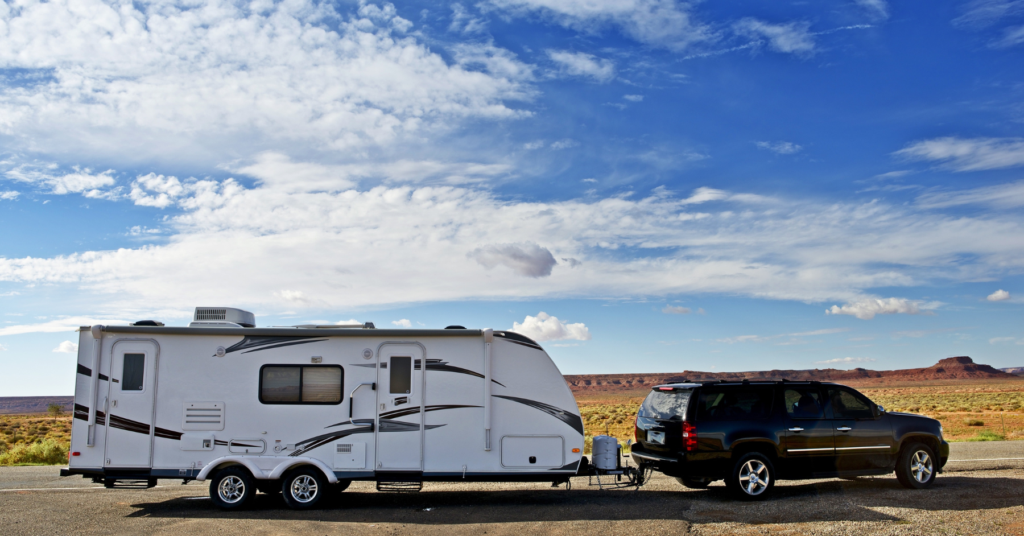
How to Prepare Your RV for Transport
A smooth transport starts before the driver ever arrives. Use the checklist below to make sure your RV is ready to move safely.
Turn Off All Propane Tanks
All propane tanks must be turned off before transport begins. This is a non-negotiable safety requirement for any professional hauler. Open propane lines during transit create a serious fire and explosion risk.
Document the RV’s Condition with High-Resolution Photos
Before your RV is loaded, photograph its exterior and interior thoroughly using a high-resolution camera or smartphone. Capture all four sides, the roof (if safely accessible), the hitch area, and any existing scratches, dents, or wear. These photos protect you if any damage claim arises after delivery.
Remove or Secure All Loose Items Inside
Remove anything that could shift during transport—dishes, decorations, clothing, appliances, and personal items. Anything that can’t be removed should be secured so it won’t move when the trailer is in motion. Unsecured items can damage interior surfaces and create hazardous conditions if the trailer shifts unexpectedly.
Check Tire Pressure and Tread Depth
Before handoff, inspect the tires on your RV. Verify that pressure meets the manufacturer’s specifications and check tread depth for signs of wear. Tires in poor condition are a breakdown risk—and catching the problem before transport is far better than discovering it mid-haul.
Confirm Pickup and Delivery Locations Are Accessible
Check that both your pickup and delivery locations can accommodate a large truck and trailer. Consider overhead clearance, driveway surface, turning radius, and any gate or access restrictions. Alerting the transport company to any potential access issues in advance prevents delays and last-minute complications.
Choosing the Right RV Transport Company
Not all transport companies are created equal. When evaluating your options, look for the following:
- Proper licensing: The carrier should hold valid FMCSA operating authority. Use the FMCSA Safer System to verify.
- Adequate insurance: A $1,000,000 Unladen Insurance Policy is required for RV transport. Drivers should also carry their own liability and collision insurance.
- Driver qualifications: A Class A CDL is preferred for RV transport. Confirm that drivers meet state-specific licensing requirements for the route being traveled.
- RV-specific experience: General freight haulers aren’t the same as RV specialists. Choose a transporter with demonstrated experience moving the type of RV you own.
- Permit management: Oversized RVs may require state-specific permits. A reputable hauler will handle this on your behalf.
Interstate Haulers meets all of these standards and has done so for nearly 30 years.
Common Situations Where RV Transport Makes Sense
Buying an RV Across the Country
Online RV marketplaces have made it easy to find the perfect travel trailer or fifth wheel anywhere in the country. But purchasing an RV 2,000 miles away doesn’t have to mean a cross-country road trip just to bring it home. Professional transport delivers it directly to your door.
Selling an RV to an Out-of-State Buyer
Reaching buyers beyond your local area significantly expands your selling options. Offering professional transport as part of the sale makes the transaction seamless for out-of-state buyers and can make your listing more competitive.
Seasonal Snowbird Travel
Many RV owners follow the seasons—spending winters in Florida or Texas and summers further north. Hiring a transport service for these seasonal migrations eliminates thousands of miles of personal driving every year, preserving both your vehicle and your energy.
Military PCS Relocations
Permanent change of station orders often leave military families with more to move than a standard relocation covers. Professional RV transport provides a reliable, insured solution for getting a travel trailer or fifth wheel to a new duty station without adding a cross-country tow to an already stressful transition.
Dealership Inventory Transfers
When a unit sells at a dealership across the state or across the country, getting it to the buyer quickly matters. Interstate Haulers supports dealerships with dependable, scheduled transport that protects both the inventory and the customer relationship.
Manufacturer Deliveries
RV manufacturers frequently coordinate transport of new units from production facilities to dealerships or directly to buyers. Interstate Haulers handles these high-volume, time-sensitive deliveries with the professionalism manufacturers need.

Why Interstate Haulers Is a Trusted RV Transport Partner
Choosing an RV transport company is not a decision to make lightly. Your recreational vehicle represents a significant investment, and entrusting it to an unfamiliar hauler carries real risk.
Interstate Haulers has been earning that trust since 1997. As a family-owned company, Interstate Haulers brings nearly three decades of specialized hauling expertise to every job—from a single pop-up camper moved across two states to multi-unit manufacturer deliveries across the continental U.S. The company’s drivers are experienced, its equipment is purpose-built for towable RV transport, and its commitment to FMCSA compliance means customers can verify the company’s safety record independently.
Coverage spans the full continental United States, extends into Canada, and reaches U.S. ports for international shipping coordination. Whether you’re an individual owner, a dealership, a manufacturer, or a logistics partner, Interstate Haulers offers a transport solution matched to your specific situation.
Getting started is straightforward. Request an instant quote online at interstatehaulers.com or call the team directly at (910) 295-2244. The team will assess your trailer type, origin, destination, and scheduling needs—then provide a clear, competitive quote with no guesswork.
Move Your RV With Confidence
Professional RV transport takes the complexity out of moving travel trailers, fifth wheels, toy haulers, cargo trailers, bumper pulls, and pop-up campers—regardless of distance. It replaces a stressful, time-consuming road haul with a managed, insured process handled by people who do this every day.
For RV owners who value their time, their vehicle, and their peace of mind, hiring an experienced hauler is the practical choice. Interstate Haulers has been that choice for nearly 30 years.
Ready to move your RV? Contact Interstate Haulers today for a customized transport quote—and let the experts handle the rest.
Frequently Asked Questions
How much does it cost to transport an RV?
RV transport rates typically range from $1.50 to $6.50 per mile, depending on the size and type of your RV, the total distance, route complexity, and current market conditions. Most professional transport falls between $1.50 and $4.00 per mile under standard conditions.
Here’s a general breakdown by RV type:
- Travel trailers: approximately $1.75 to $3.75 per mile
- Fifth-wheel trailers: approximately $2.25 to $4.00 per mile
- Class A motorhomes: approximately $4.50 to $6.50 per mile
Shorter hauls under 300 miles often carry higher per-mile rates—sometimes up to $4.00—because fixed costs are spread over fewer miles. Cross-country routes can reduce the per-mile rate closer to $1.25 to $2.00. Current market rates for standard transport generally land between $1.50 and $2.00 per mile.
What types of RVs can be transported professionally?
Professional transport companies like Interstate Haulers can move virtually any type of RV. Travel trailers are among the most commonly transported units. Fifth-wheel trailers require specific towing equipment—so confirm your hauler has the right setup. Class A motorhomes are among the largest types transported and may involve drive-away service. Toy haulers, pop-up campers, bumper pull trailers, and cargo trailers can also be transported depending on the carrier’s capabilities.
What is the 3-3-3 rule for RVs and campers?
The 3-3-3 rule is a widely recommended guideline for recreational RV travel: drive no more than approximately 300 miles per day, arrive at your campsite by around 3:00 p.m., and stay at least 3 nights in each location when possible. The rule is designed to reduce driver fatigue, allow time to set up camp properly, and make the overall RV experience more enjoyable. The Good Sam Club and other RV communities frequently reference this guideline as a best practice for road trippers.
Can I pay someone to move my RV?
Yes. Professional RV transport companies like Interstate Haulers can move any towable RV—including travel trailers, fifth wheels, toy haulers, pop-up campers, and bumper pull trailers—safely across the country without requiring the owner to tow it themselves. The process typically involves requesting a quote, confirming pickup and delivery details, and having the trailer transported by an experienced, insured driver. If your RV is a drivable motorhome, drive-away service is another option where a professional driver operates it directly to the destination.
What should I do to prepare my RV for transport?
Before your RV is picked up, take the following steps:
- Turn off all propane tanks — this is a safety requirement without exception.
- Document the RV’s condition with high-resolution photos of the exterior and interior.
- Remove or secure all loose items inside the RV so nothing shifts during transit.
- Check tire pressure and tread depth to ensure the tires are road-ready.
- Confirm that pickup and delivery locations are accessible for a large truck and trailer.
What licensing and insurance should an RV transport company have?
When hiring any RV transport company, verify that they hold valid FMCSA operating authority and proper licensing for the states on your route. A Class A CDL is preferred for RV transport. Drivers are required to carry their own liability and collision insurance, and the carrier should hold a $1,000,000 Unladen Insurance Policy. Oversized RVs may require state-specific transport permits. You can check a carrier’s safety record and operating authority using the FMCSA Safer System.
What is the cheapest way to move a camper?
DIY transport is generally the most cost-effective option upfront, but the true cost includes added fuel consumption from towing a heavy load, accelerated wear on your tow vehicle, lodging and meals during multi-day drives, and the risk of a breakdown or accident. For longer distances especially, professional transport often delivers better overall value once all factors are considered. Requesting quotes from several reputable carriers—and comparing the full cost of DIY versus professional hauling—is the best way to make an informed decision. The RV Consumer Group offers helpful resources for evaluating your options.