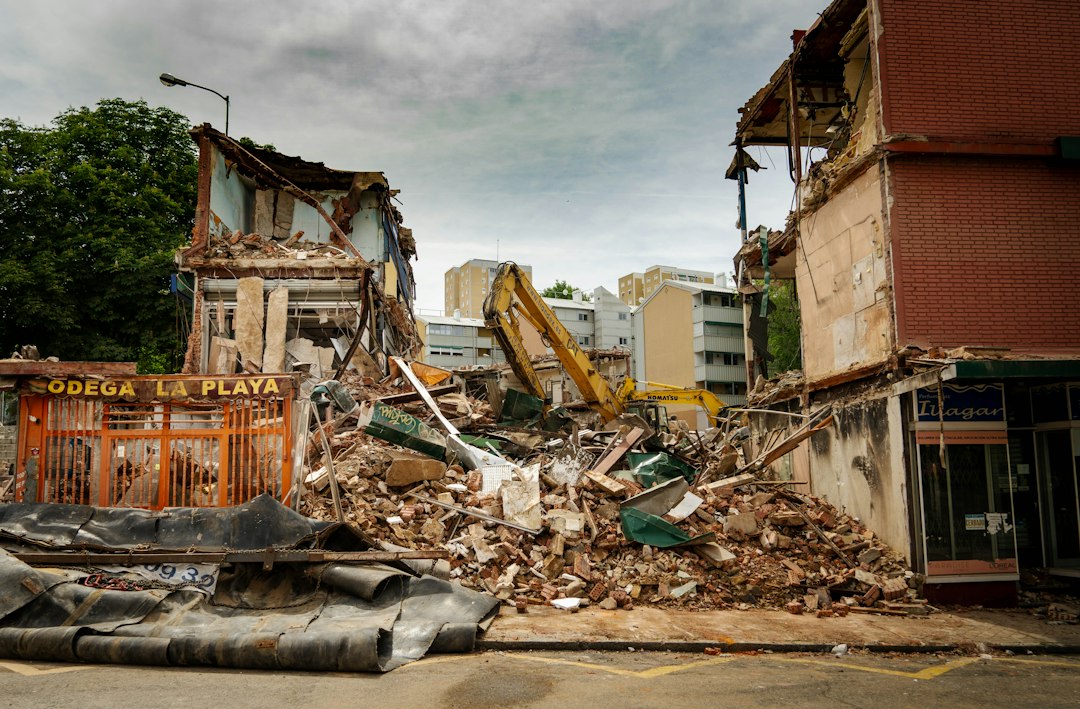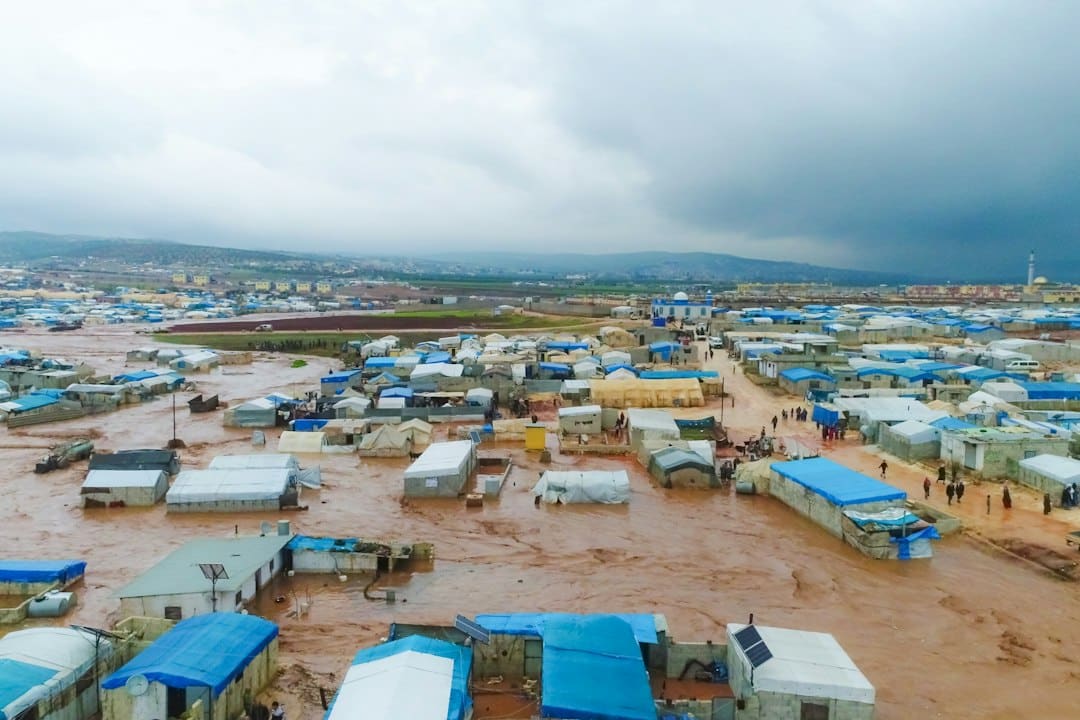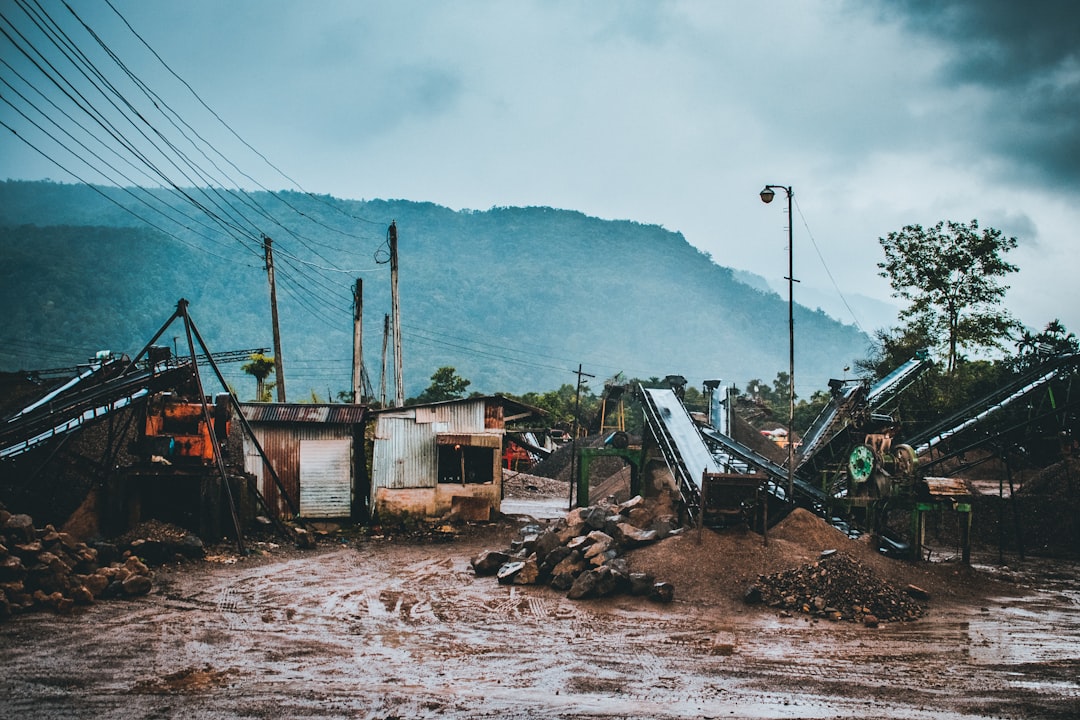
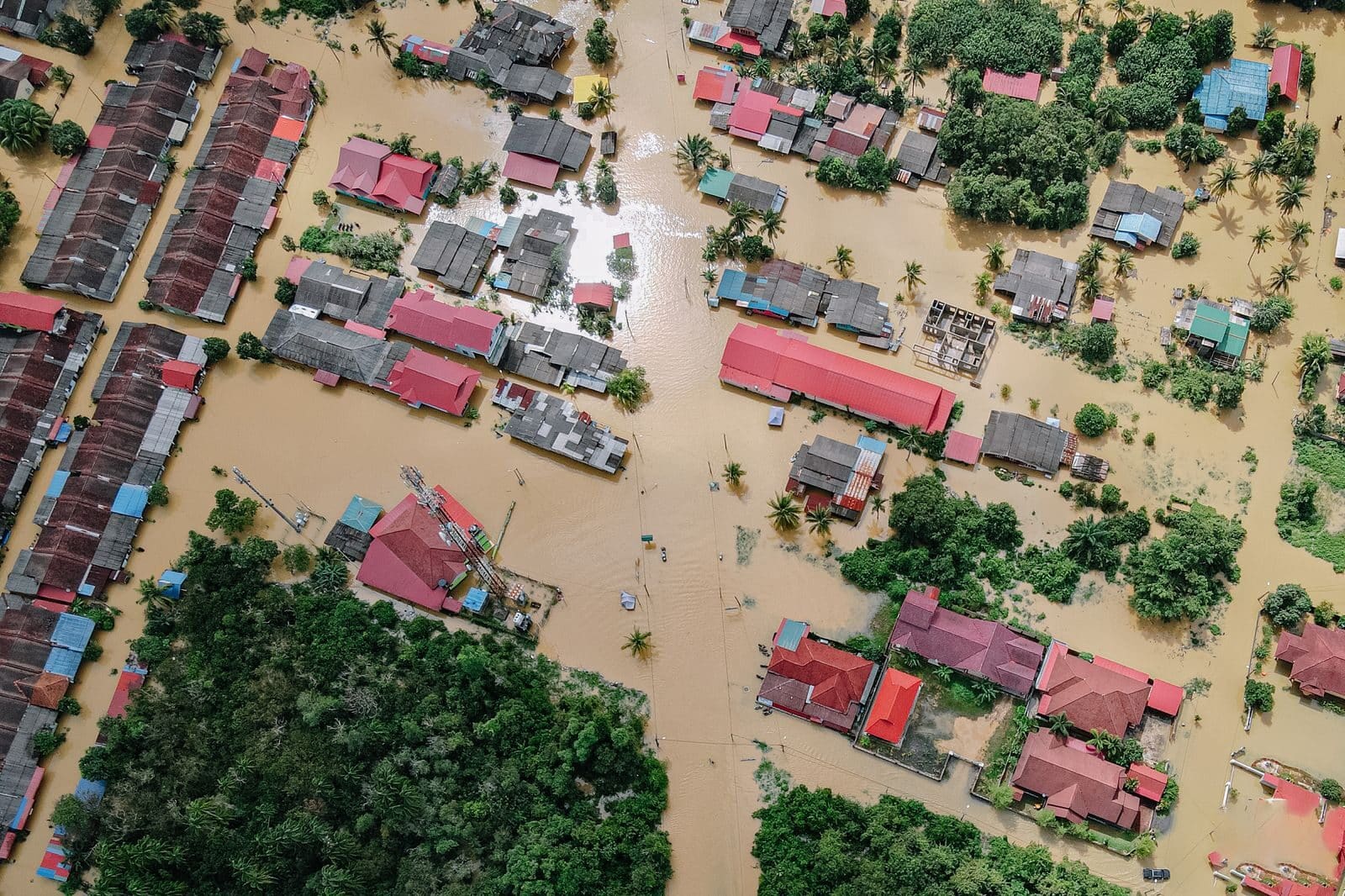
Disaster relief logistics rely on transportation to move generators, temporary housing, utility trailers, and emergency supplies to affected communities. Faster transportation means faster power restoration, sanitation access, and rebuilding. Companies like Interstate Haulers support this system by hauling specialized trailers and oversized equipment nationwide for government agencies, utilities, and emergency response organizations.
When disaster strikes, the clock starts ticking immediately. Homes lose power, water systems fail, and families are displaced within hours. What separates a community that bounces back in weeks from one that struggles for months often comes down to a factor most people never think about: transportation.
Moving generators, temporary housing units, sanitation trailers, utility equipment, construction machinery, and emergency supplies quickly can significantly shorten recovery timelines. Every hour spent waiting for a delayed shipment is an hour communities spend without power, clean water, or shelter. Disaster relief logistics is the invisible infrastructure holding recovery efforts together, and transportation sits at its core.
Interstate Haulers, a family-owned transportation company operating since 1997, understands this reality firsthand. With nearly three decades of experience hauling specialized trailers and oversized equipment nationwide, Interstate Haulers works alongside government agencies, contractors, manufacturers, utilities, and emergency response organizations to keep critical resources moving when communities need them most.
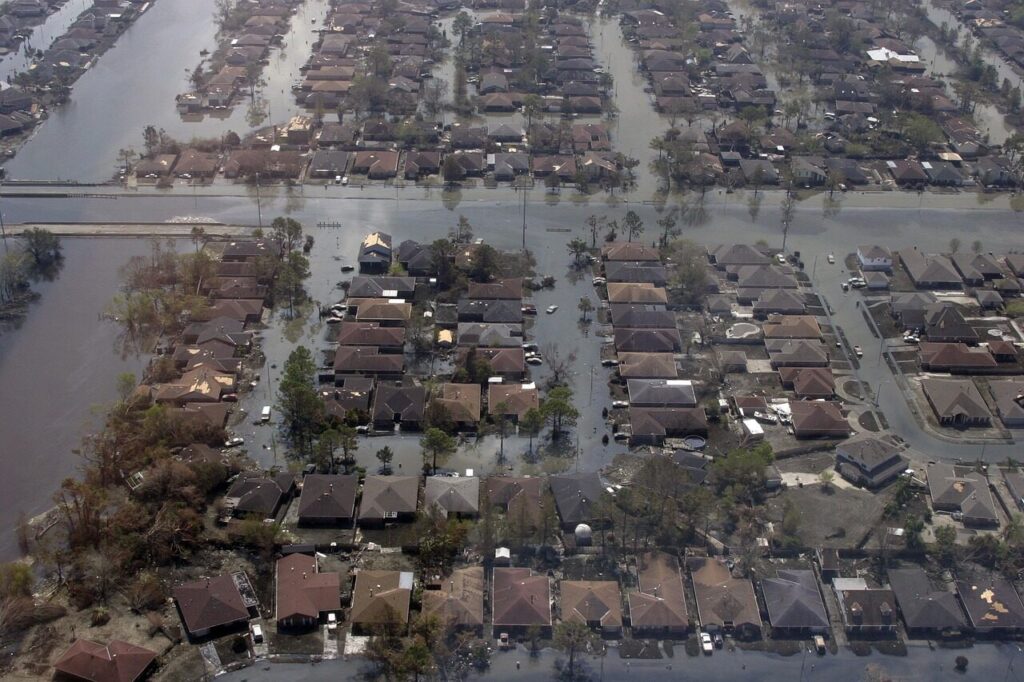
What Is Disaster Relief?
Disaster relief refers to the coordinated actions taken to help communities respond to and recover from emergencies such as hurricanes, floods, wildfires, and earthquakes. While the term often conjures images of immediate rescue efforts, effective disaster relief actually combines short-term emergency response with long-term recovery planning.
There’s an important distinction between emergency response and disaster recovery. Emergency response focuses on saving lives and stabilizing dangerous conditions in the first hours and days after a disaster. Disaster recovery is the longer process of restoring basic human services, rebuilding infrastructure, and helping communities return to normalcy.
Disaster relief typically unfolds across four distinct phases:
- Preparedness: Planning, stockpiling supplies, and training before a disaster occurs.
- Response: Immediate actions taken during and right after the event, including search and rescue.
- Recovery: Restoring essential services like power, water, and communications.
- Long-term rehabilitation: Rebuilding homes, businesses, and infrastructure over months or years.
Restoration of basic services is essential for long-term recovery. Without electricity, clean water, or communication networks, communities cannot transition from survival mode into rebuilding mode. This transition from immediate survival support to sustained rebuilding is where disaster relief logistics becomes most critical.
Organizations like Ready.gov offer detailed guidance on how individuals and communities can prepare before disaster strikes, which complements the response and recovery work happening on the ground.
Why Transportation Is the Backbone of Disaster Relief
Transportation connects manufacturers, warehouses, staging areas, government facilities, dealers, contractors, and affected communities into a single functioning supply chain. When any link in that chain breaks down, recovery slows for everyone downstream.
Delays in transportation delay recovery. A generator sitting in a warehouse three states away does nothing for a hospital that’s lost power. A restroom trailer stuck in a permitting bottleneck does nothing for a shelter housing hundreds of displaced families. This is why hauling capacity for the following equipment matters so much during disaster response:
- Utility trailers
- Restroom trailers
- Temporary housing trailers
- Boats (for water rescue and flood response)
- Heavy construction equipment
- Generators
- Infrastructure repair equipment
Each of these categories supports a specific recovery function. Temporary housing gives displaced families a safe place to stay. Utility restoration equipment brings power and communications back online. Water treatment units and public sanitation trailers prevent disease outbreaks in the aftermath of flooding. Road clearing equipment reopens access routes so additional aid can reach affected areas. Infrastructure repair equipment addresses the structural damage that, left unaddressed, prolongs displacement indefinitely.
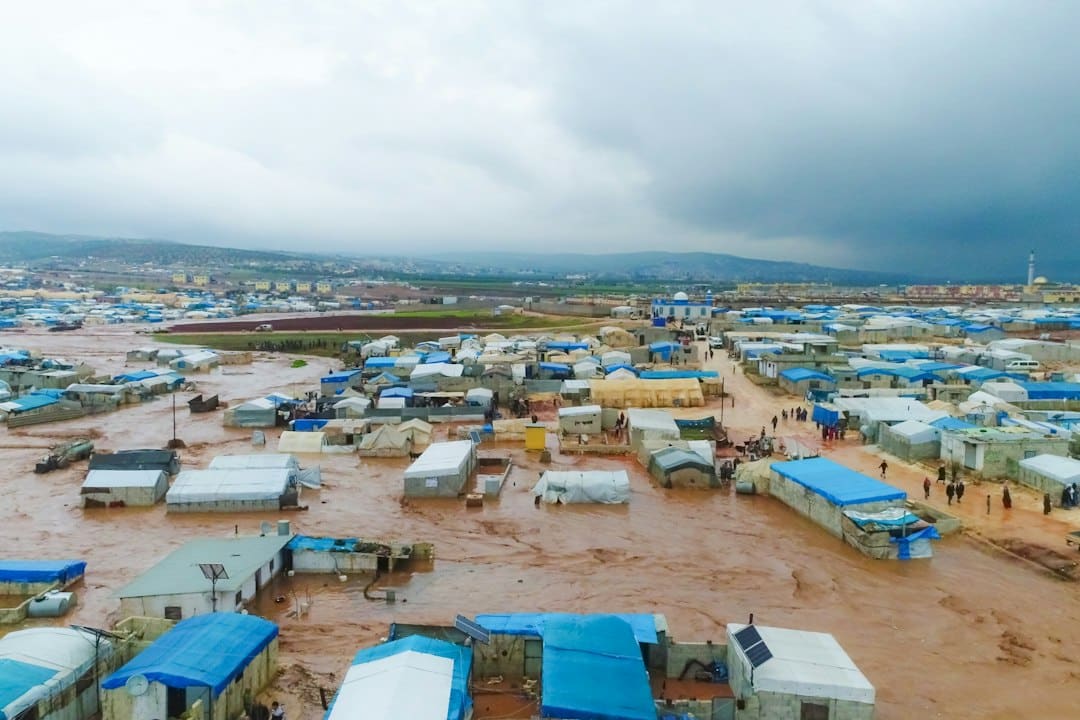
How Are Disaster Relief Logistics Coordinated?
Disaster relief logistics require coordination between numerous organizations, including state and local governments, FEMA (Federal Emergency Management Agency), utility companies, manufacturers, contractors, emergency management teams, freight partners, and volunteer organizations. Transportation companies act as a critical link between these groups, translating logistical plans into physical delivery.z
Emergency Operations Centers
Emergency Operations Centers (EOCs) are typically managed by multiple agencies working together to analyze on-the-ground needs, allocate available resources, and prioritize which shipments move first. These centers serve as command hubs where transportation requests get matched against available equipment and drivers.
Incident Command System (ICS)
The Incident Command System coordinates transportation, communications, resource requests, logistics, and recovery efforts under a unified structure. This system prevents the chaos that would otherwise result from dozens of agencies acting independently during a crisis.
Rapid Damage Assessments
Before resources can be allocated effectively, responders need accurate information about what’s damaged and where. Rapid damage assessments combine ground inspections, drone footage, satellite imagery, and remote sensing data to prioritize deliveries. This coordination prevents duplicated aid, ensuring resources go where they’re needed most instead of piling up in areas already served.
The National Weather Service’s safety information hub provides valuable data that emergency managers use during the assessment phase, particularly for weather-related disasters like hurricanes and severe storms.
Prioritizing Critical Equipment During Disaster Recovery
Not every shipment can move first. Logistics professionals must make rapid decisions about which equipment gets prioritized based on the severity of community needs. Choose to prioritize power restoration equipment if hospitals or water treatment plants are offline; choose sanitation and shelter equipment if displaced populations are the more immediate concern.
Commonly prioritized equipment includes:
- Generators
- Utility trailers
- Mobile command centers
- Emergency restroom trailers
- Water treatment systems
- Communications trailers
- Bridge repair equipment
- Debris removal equipment
- Fuel tanks
- Temporary housing units
- Construction machinery
Delays in delivering this equipment ripple outward in predictable ways. A delayed generator means longer power outages. A delayed communications trailer means responders can’t coordinate effectively. Delayed sanitation units mean higher risk of disease in shelters. Delayed drinking water systems put vulnerable populations, including elderly residents and young children, at serious health risk. And delayed road repair equipment stalls every other recovery effort that depends on clear access routes.
Supporting Public Utilities and Infrastructure Recovery
Utility companies rely heavily on transportation to move the specialized equipment needed to restore essential services. This includes transformers, cable reels, bucket trucks, pumps, mobile substations, generators, and repair trailers—all of which tend to be oversized, heavy, or otherwise require specialized hauling capacity.
Restoring electricity, telecommunications, internet access, water, and sewer systems depends on getting this equipment to damaged sites quickly. A utility crew with the skills to repair a downed transformer can’t do anything until the replacement transformer physically arrives. Clearing access routes so repair crews and their equipment can reach damaged infrastructure is often the first step in any utility restoration effort, and it typically must happen before power or telecommunications work can even begin.
Helping Disaster Survivors Beyond the Emergency
Transportation doesn’t stop mattering once the immediate danger passes. Disaster survivors need ongoing support that includes housing assistance, disaster assistance programs, food distribution, access to medical facilities, and rebuilding supplies. Volunteer organizations depend on reliable transportation to deliver these resources consistently over the weeks and months following a disaster.
Disaster victims, families, homeowners, businesses, and entire communities all depend on this extended support network. A family whose home was destroyed doesn’t just need immediate shelter, they need construction materials delivered over the following months as rebuilding progresses. A small business that lost its storefront needs replacement equipment transported before it can reopen. Recovery is a sustained effort, and transportation supports every phase of it.

The Role of FEMA and Federal Disaster Assistance
When a disaster is severe enough, it can trigger presidentially declared disaster, which unlocks federal resources for affected areas. Understanding how this process works helps explain why some communities receive faster federal support than others.
A major disaster declaration typically follows a preliminary damage assessment confirming that state and local resources are insufficient to handle recovery alone. Once an area is officially designated as a federally declared disaster area, residents may become eligible for FEMA Individual Assistance, which can include:
- Housing assistance
- Financial assistance
- Public Assistance for infrastructure repair
- Disaster Legal Services
- Disaster case management
FEMA assistance generally requires that applicants live in a federally declared disaster area and meet specific eligibility requirements tied to the type of loss experienced. According to DisasterAssistance.gov, individuals can check whether their county has been included in a declared disaster and apply for assistance directly through the federal portal.
Tax Relief After Major Disasters
Financial recovery extends beyond direct assistance programs. The IRS often provides tax relief for individuals and businesses located in federally declared disasters. This can include filing extensions, postponed tax deadlines, and casualty loss deductions for property damaged or destroyed.
These provisions are typically triggered by preliminary FEMA damage assessments confirming the severity of a disaster. For a family or business already dealing with the disruption of displacement, disaster tax relief can meaningfully ease the financial burden of rebuilding.
How Organizations Work Together During Disaster Relief
No single organization handles disaster relief alone. FEMA, the American Red Cross, the Salvation Army, local governments, state agencies, volunteer organizations, nonprofits, contractors, and transportation companies all play interconnected roles.
Coordination among these groups prevents duplicated aid and ensures resources are shared efficiently rather than concentrated in a single location while other areas go without. Communication between organizations determines whether deliveries arrive where they’re needed or get stuck in logistical gridlock.
The American Red Cross responds to an emergency every 8 minutes, voluntary agencies provide assistance that complements government resources. Red Cross shelters, for instance, provide safe places for displaced residents along with food, water, and basic medical care. The National Voluntary Organizations Active in Disaster (National VOAD) network exists specifically to foster this kind of communication, cooper ation, and coordination among the many organizations responding to any given disaster.
Why Transportation Planning Makes Every Minute Count
Effective disaster relief transportation isn’t just about having trucks and drivers available. It requires detailed planning that accounts for constantly shifting conditions. This planning includes:
- Route selection based on current road conditions
- Weather monitoring along transport corridors
- Awareness of road closures
- Permit coordination for oversized loads
- Sequencing multiple pickups and deliveries efficiently
- Managing staging areas where equipment waits before final delivery
- Ongoing communication updates with all parties involved
Flexibility matters enormously here. Disaster conditions change by the hour, and a route that was clear in the morning may be impassable by afternoon. Transportation providers who specialize in disaster relief logistics build contingency planning into every haul, adjusting in real time as conditions evolve on the ground.
Why Interstate Haulers Supports Disaster Relief Logistics
Interstate Haulers has operated as a family-owned transportation company since 1997, building nearly 30 years of experience transporting specialty trailers and oversized equipment across the continental United States. That experience translates directly into disaster relief capability.
Interstate Haulers offers nationwide coverage, meaning equipment can be sourced and transported regardless of where a disaster strikes. The company’s experience hauling oversized equipment, including industrial trailers used in FEMA disaster response and public utility restoration, means drivers understand the unique challenges of moving heavy, specialized loads under time pressure.
Reliable communication throughout every haul keeps government agencies, utilities, manufacturers, dealers, and contractors informed at each stage of transport. Full FMCSA compliance ensures safe, legal transport of even the largest loads. Flexible scheduling allows Interstate Haulers to adapt to the unpredictable timelines that disaster response inevitably demands.
Government agencies, utility companies, manufacturers, dealers, and contractors trust Interstate Haulers because the company has spent nearly three decades proving it can deliver critical equipment safely and on time, even under the most challenging conditions.
If your organization needs transportation for emergency response equipment, utility restoration trailers, industrial trailers, restroom trailers, or other disaster relief logistics, request a transportation quote from Interstate Haulers today.

Photo by Towfiqu barbhuiya on Unsplash
Frequently Asked Questions
What is considered disaster relief?
Disaster relief includes the coordinated actions taken to help communities respond to and recover from emergencies. It spans four phases: preparedness, response, recovery, and long-term rehabilitation, combining immediate survival support with sustained rebuilding efforts.
What is disaster assistance?
Disaster assistance refers to the resources, financial aid, and services made available to individuals and communities affected by a declared disaster. This can include FEMA Individual Assistance, housing support, Public Assistance for infrastructure, and support from volunteer organizations like the Red Cross.
How does transportation improve disaster recovery?
Transportation improves disaster recovery by moving critical equipment, such as generators, utility trailers, temporary housing, and sanitation units, quickly to affected areas. Faster delivery of this equipment directly shortens the time communities spend without power, clean water, or shelter.
What happens after a presidential disaster declaration?
A presidential disaster declaration unlocks federal resources for the affected area, including FEMA Individual Assistance and Public Assistance programs. It also typically opens eligibility for IRS tax relief provisions, such as filing extensions and casualty loss deductions.
What is FEMA Individual Assistance?
FEMA Individual Assistance is a program that provides housing assistance, financial assistance, and other support to individuals and households affected by a federally declared disaster. Eligibility generally requires living in a declared disaster area and meeting specific program requirements.
How do transportation delays affect disaster recovery?
Transportation delays directly slow down power restoration, sanitation access, drinking water availability, and road repairs. A delayed generator or utility trailer means hospitals, shelters, and homes stay without essential services longer, extending the overall recovery timeline for the entire community.
Why are logistics important during emergencies?
Logistics are important during emergencies because they determine how quickly critical resources reach the people who need them. Well-coordinated logistics prevent duplicated aid, prioritize the most urgent needs, and keep equipment moving efficiently between manufacturers, staging areas, and affected communities.
Moving Communities Toward Recovery
Transportation is one of the most important, yet frequently overlooked, components of disaster relief. Strong logistics planning shortens recovery timelines by ensuring that generators, temporary housing, sanitation units, and utility equipment reach affected communities without unnecessary delay. Coordinated transportation keeps supplies, utilities, equipment, and recovery resources moving where they’re needed most, connecting government agencies, utility companies, contractors, and volunteer organizations into a single functioning response system.
Communities recover faster when the equipment they need arrives on time. Interstate Haulers helps organizations respond faster with dependable, nationwide specialty transportation services built on nearly 30 years of family-owned experience. For additional preparedness resources, the Centers for Disease Control and Prevention’s emergency preparedness hub offers guidance on protecting community health before and after a disaster strikes.
Whether you’re a government agency, utility company, or contractor coordinating disaster response, having a trusted transportation partner in place before disaster strikes can make all the difference. Request a quote from Interstate Haulers to discuss your emergency response, utility equipment, or recovery logistics needs.