Disaster relief transportation moves temporary housing, generators, sanitation units, and utility equipment to communities recovering from a major storm. Specialized carriers coordinate with FEMA, state agencies, and utility companies to dispatch this equipment nationwide, often within days of a disaster declaration. Route planning, permits, and FMCSA compliance keep deliveries safe despite damaged roads and shifting priorities.
When a major storm finally clears, the recovery work is only beginning. News coverage tends to focus on rescue boats, National Guard convoys, and volunteers passing out water bottles. What rarely makes the broadcast is the fleet of trucks hauling temporary housing units, restroom trailers, and mobile command centers into position before any of that visible relief work can start.
Disaster relief is a logistics problem as much as it is a humanitarian one. Communities can have funding approved, human services volunteers staged, and supplies stockpiled, but none of it matters if the physical infrastructure needed to support a response can’t get to where it’s needed. That’s where emergency transportation comes in, and it’s a piece of the puzzle most people never think about until they’re standing in the middle of a disaster zone waiting for help to arrive.
Interstate Haulers has spent nearly three decades moving the trailers and equipment that keep emergency response operations running after disaster losses. Founded in 1997 as a family-owned company, we’ve supported FEMA (Federal Emergency Management Agency) response efforts, public utilities, and municipalities across the country. This guide breaks down what actually happens after disaster strikes, from the first damage assessment to the equipment finally reaching the ground, and why the transportation piece so often determines whether a recovery moves quickly or stalls.
What happens immediately after disaster strikes?
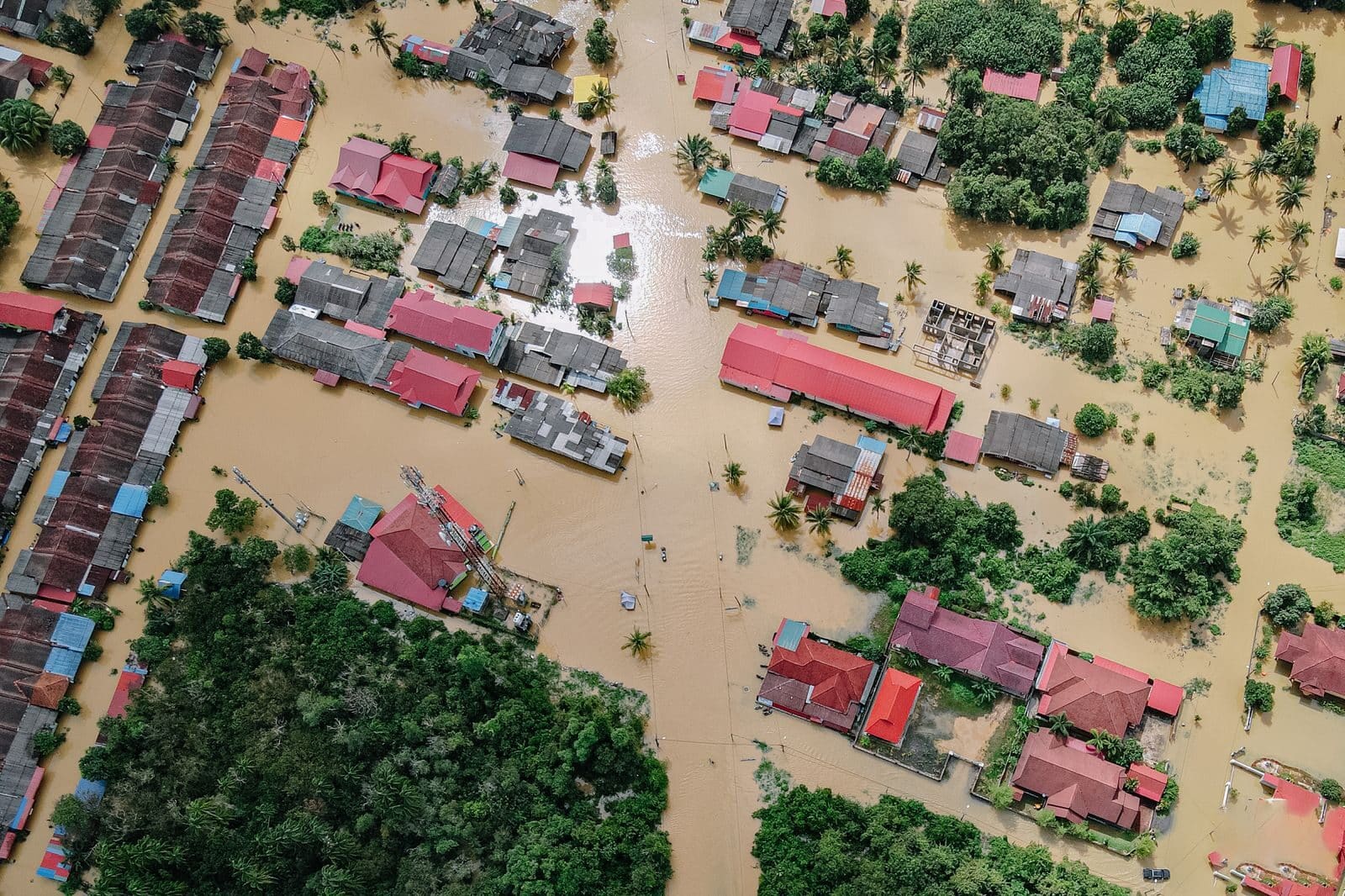
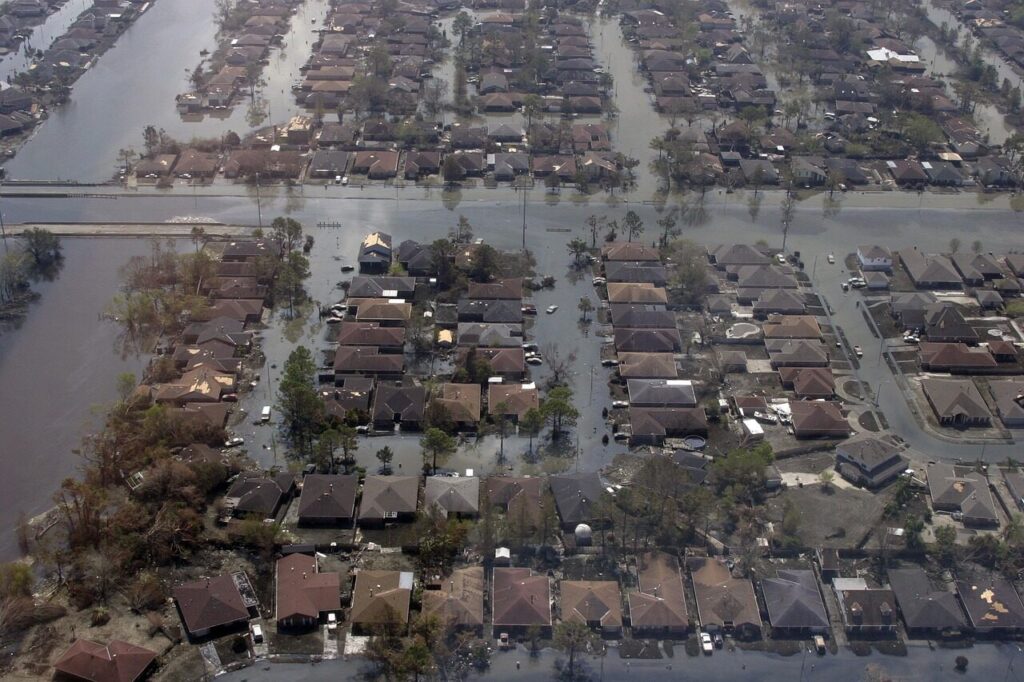
The hours right after a major storm are chaotic by nature, but emergency management follows a fairly predictable sequence. Local officials begin damage assessments almost immediately, cataloging flooded roads, downed power lines, and structural damage. That information flows up to state emergency management agencies, who determine whether the scale of destruction warrants requesting federal help.
For federal disaster assistance to become available, a state governor or tribal leader must request a presidential disaster declaration under the Robert T. Stafford Disaster Relief and Emergency Assistance Act. Not every storm meets this threshold, so it’s worth checking current declarations before assuming federal aid will apply. Once a declaration is issued, FEMA coordinates with state and local agencies to determine what resources are needed and where. You must live in a declared disaster area for FEMA assistance.
The FEMA Disaster Response page offers a searchable database of declared disasters and outlines the rules that guide this process in detail.
How are transportation resources determined after a storm?
Once officials understand the scope of the damage, the next question becomes logistical: what needs to move, and how fast? Emergency management teams evaluate flood damage, downed power lines, blocked roads, and compromised public utilities to prioritize what gets deployed first.
Common assets requested in the early days of a disaster include:
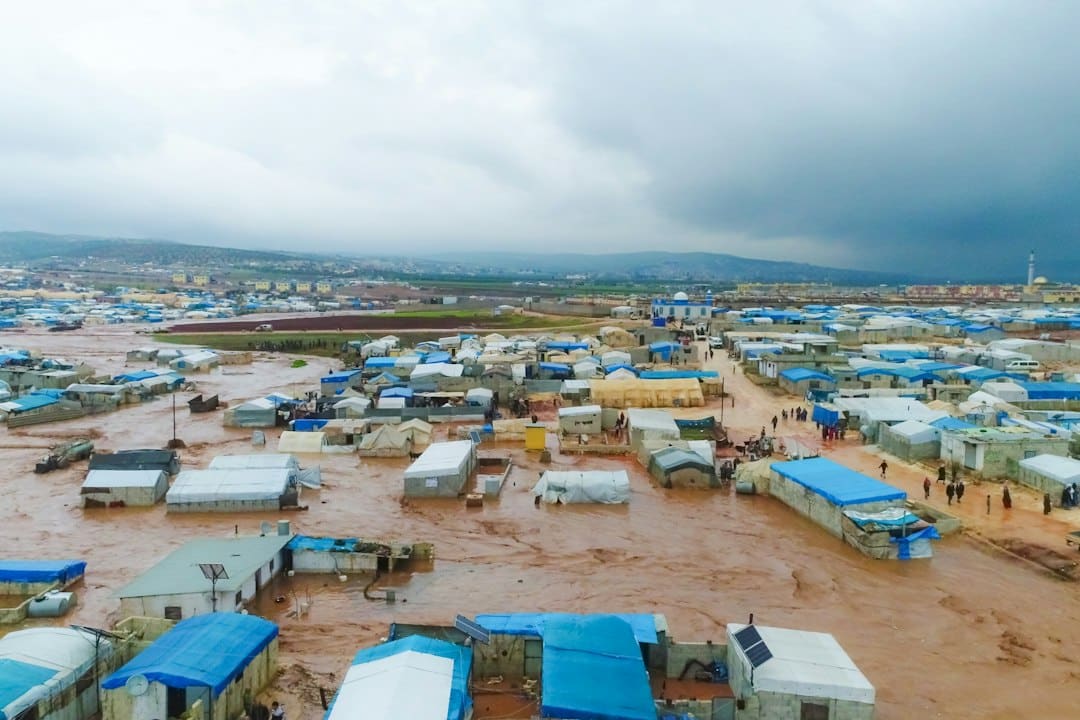
- Temporary housing units for displaced loved ones and displaced families
- Generators for hospitals and shelters
- Mobile command centers for coordinating response efforts
- Portable restroom and shower trailers
- Water distribution equipment
- Utility repair equipment for power restoration
- Communication trailers to reestablish connectivity
Transportation planning starts almost the moment these needs are identified. Every hour spent figuring out how to move a generator is an hour a hospital goes without backup power.
Who coordinates disaster assistance program transportation?
Getting equipment from a staging yard to a disaster zone requires cooperation among a wide range of players: FEMA, state agencies, local governments, public utilities, contractors, and specialized logistics providers. Each organization brings a piece of the puzzle, but someone has to match available equipment with the transportation capacity to move it.
This is where specialized carriers earn their keep. Oversized loads like mobile command centers or industrial generators can’t just hop on any available truck. They require carriers experienced in heavy haul logistics, proper permitting, and the kind of route planning that accounts for weight limits and bridge restrictions.
For those managing recovery on the ground, Ready.gov‘s disaster recovery guidance offers practical steps for documenting damage and coordinating with local officials during this phase.
How does equipment get dispatched across the country?
Once a transportation partner is identified, the real work of dispatching equipment begins. This typically involves:
- Route planning that accounts for road closures, weight restrictions, and weather conditions
- Driver assignments matched to the specific equipment being hauled
- Permit coordination for oversized or overweight loads
- Escort vehicles, when required by state regulations
- Equipment inspections before departure to catch mechanical issues early
- Safety documentation and strict FMCSA compliance
- Weather monitoring to adjust routes or timing as conditions shift
A carrier with a nationwide network has a significant advantage here. Rather than waiting for equipment to become available regionally, disaster response teams can pull from drivers and trailers located across the country, which shortens the time between “we need this” and “it’s on the way.”
The Federal Highway Administration regularly allocates emergency relief funding to repair roads and bridges damaged by storms, which directly affects how quickly transportation routes reopen after a disaster.
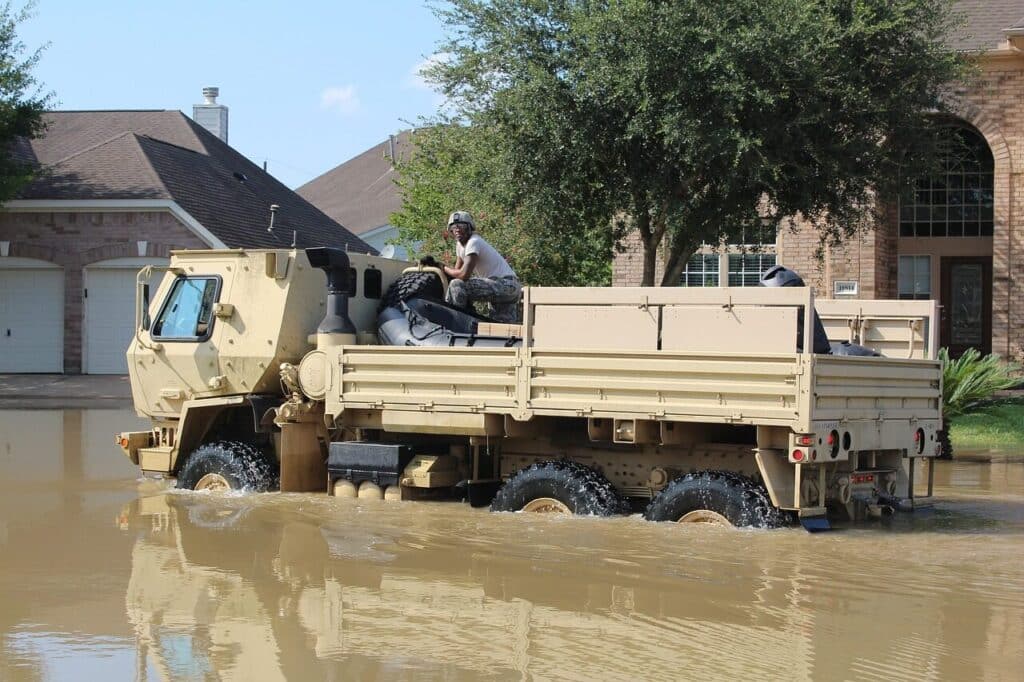
Photo by andrewtheshrew on Pixabay
What kinds of equipment move during disaster relief transportation?
Trailers essentially become temporary infrastructure during a disaster response. When permanent buildings are damaged, destroyed, or inaccessible, specialized trailers fill the gap. Here’s how different equipment types support recovery:
Temporary housing. Families displaced by a storm need secure shelter while their homes are repaired or rebuilt. Temporary housing trailers, including FEMA-provided units, bridge that gap until longer-term housing assistance is in place.
Generators. Hospitals, water treatment facilities, and emergency shelters depend on generators to keep operating when the grid goes down. Getting these units on-site quickly can be the difference between a functioning shelter and one that has to turn people away.
Public utility equipment. Bucket trucks, transformers, and utility trailers carry the tools crews need to restore power. This equipment is often heavy, oversized, and time-sensitive, which makes reliable transportation especially critical.
Sanitation equipment. Portable restroom and shower trailers protect public health at shelters and staging areas, helping prevent the spread of illness among survivors and responders.
Emergency support equipment. Fuel trailers, medical units, and mobile command centers round out the list of assets that keep a response coordinated and functional.
What challenges affect transportation during natural disasters?
Even with the best planning, disaster relief transportation runs into obstacles that ordinary freight rarely faces:
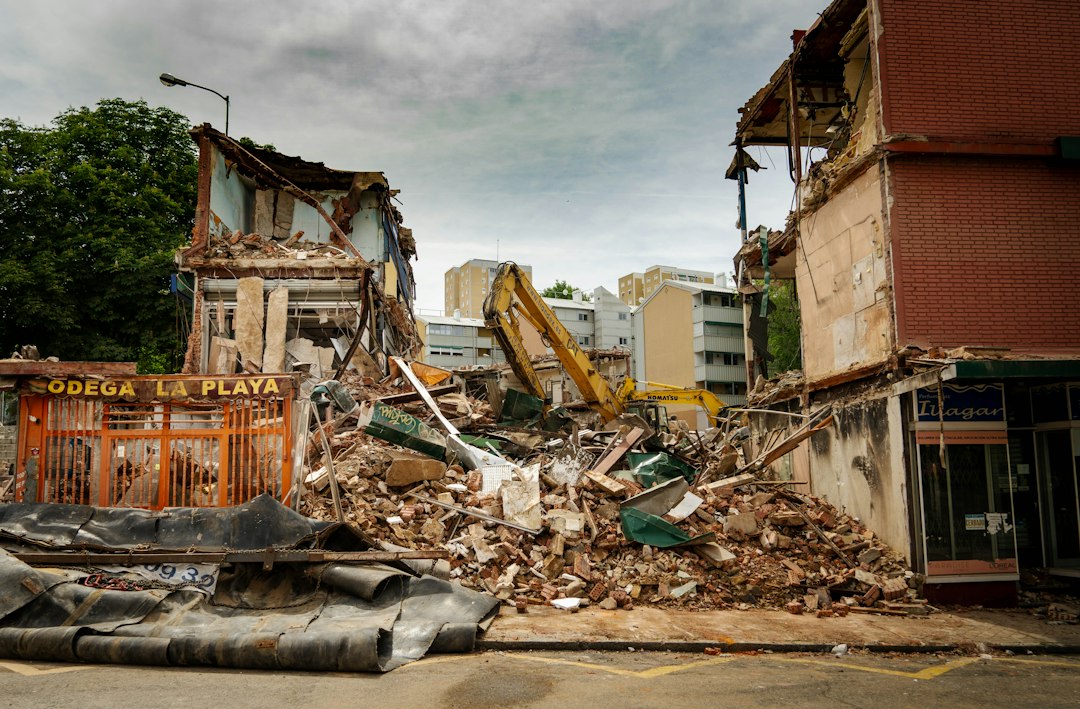
Damaged infrastructure. Flooded highways, washed-out bridges, and debris-covered roads can turn a routine delivery into a multi-day detour.
Changing delivery locations. Staging areas and shelter sites often relocate as conditions on the ground change, requiring carriers to stay flexible mid-route.
High demand for equipment and drivers. Multiple agencies competing for the same limited pool of specialized trailers and experienced drivers can create bottlenecks right when speed matters most.
Urgent timelines. Deliveries that would normally take a week sometimes need to happen within hours, requiring around-the-clock scheduling.
Safety risks. Severe weather, unstable structures, and hazardous road conditions add real risk for drivers moving through active disaster zones.
The National Weather Service provides ongoing storm tracking and safety guidance that transportation coordinators rely on to plan routes and anticipate conditions before, during, and after severe weather events.
How does transportation support disaster survivors more than just individual assistance?
It’s easy to overlook, but near service disaster survivors depend on relies on something being transported first. Shelter equipment, food supplies, clean water, medical units, and utility restoration gear all have to physically arrive before anyone can use them.
The American Red Cross responds to an emergency somewhere in the country every eight minutes, and the organization reports that roughly 91 cents of every dollar it spends goes directly to disaster services. The Salvation Army plays a similarly critical role, and notably provides relief regardless of whether a presidentially declared disaster declaration has been issued. In 2025 alone, the organization responded to 972 disasters and supported over 216,000 survivors and first responders nationwide.
None of that support reaches anyone without a functioning transportation network behind it. The American Red Cross Disaster Relief and Recovery Services page outlines the immediate and long-term support available to survivors, including how to find open shelters.
Why does specialized transportation matter more during a disaster?
Disaster relief transportation isn’t the same as ordinary freight hauling, and treating it that way creates real risk. Oversized cargo, heavy equipment, and time-sensitive deliveries all demand a different level of expertise.
Carriers supporting major disaster response need secure loading procedures, experienced drivers comfortable navigating unpredictable conditions, and flexible scheduling that can adjust as priorities shift on the ground. Nationwide coverage matters too. A carrier that can pull resources from anywhere in the country, rather than a single region, is far more likely to hit tight deployment windows.

How Interstate Haulers supports emergency transportation
Interstate Haulers has spent nearly three decades building the kind of specialized expertise disaster response demands. Founded in 1997 as a family-owned company, we transport industrial and specialty trailers nationwide, supporting FEMA response efforts, public utilities, government agencies, municipalities, and emergency contractors.
That experience translates into what matters most during a disaster: personalized communication so agencies always know where their equipment stands, transparent quotes with no surprises, reliable scheduling even when timelines shift, and safe delivery backed by strict FMCSA compliance. Whether it’s a restroom trailer headed to a shelter site or a utility trailer needed for power restoration, we understand what’s at stake when a community is waiting on that delivery. We also support boat and RV and travel trailer transport for owners and dealers rebuilding after a storm affects personal property.
Disaster recovery continues long after the storm passes
The transportation work doesn’t stop once the initial emergency response winds down. Recovery is a longer arc: infrastructure repairs continue for months, utility crews keep working through restoration backlogs, and families transition out of temporary housing as permanent solutions become available.
Equipment often needs to be relocated, supplies replenished, and new resources brought in as recovery priorities shift. Financial recovery and financial assistance matters here too. The U.S. Small Business Administration offers low-interest disaster loans of up to $500,000 for homeowners and up to $2 million for businesses affected by a declared disaster, helping fund the rebuilding that transportation supports on the ground.
The SBA’s disaster assistance page explains eligibility requirements and loan types in detail for those navigating recovery.
Public health considerations also extend well beyond the initial response. The CDC’s Emergency Preparedness and Response resources cover how to stay safe during the extended recovery period following natural disasters, including guidance specific to floods and severe weather.
Frequently asked questions about disaster relief transportation
How quickly is equipment dispatched after a major storm?
Dispatch timelines depend on the severity of the disaster and equipment availability, but carriers with nationwide networks can often schedule pickups within two to three days. Critical deliveries, like generators for hospitals, are typically prioritized and can move even faster.
What types of trailers are commonly transported during disaster relief?
Common equipment includes temporary housing trailers, restroom and shower trailers, mobile command centers, utility and industrial trailers, and medical or specialty units.
Who coordinates disaster relief transportation?
Coordination typically involves FEMA, state emergency management agencies, state and local governments, public utilities, and specialized transportation carriers working together to match equipment needs with available hauling capacity.
How do carriers handle damaged roads during a disaster response?
Experienced carriers rely on real-time route planning, weather monitoring, and coordination with local officials to navigate around flooded highways, washed-out bridges, and debris. Flexibility is essential, since delivery routes and destinations can change quickly.
What kinds of organizations require emergency transportation services?
Government agencies, public utilities, FEMA contractors, municipalities, and disaster relief organizations all rely on specialized transportation to move equipment during and after a disaster.
Why is specialized hauling important during disaster recovery?
Standard freight carriers often lack the permitting knowledge, equipment, and experience needed to safely move oversized or high-value disaster relief equipment. Specialized carriers reduce the risk of delays and damage during time-sensitive deployments.
Moving what matters, when it matters most
Disaster relief succeeds or fails based on preparation and logistics as much as it does on the number of volunteers or the size of a relief budget. Temporary housing, sanitation equipment, generators, and utility gear all have to reach the right place at the right time, and that depends on a transportation network capable of adapting to unpredictable, high-pressure conditions.
Interstate Haulers is proud to provide dependable, nationwide transportation for the equipment communities depend on to recover after a major storm. If your organization needs a transportation partner for emergency response, government hauling, or nationwide specialty trailer transport, request a quote from Interstate Haulers and put nearly 30 years of experience to work for your next deployment.