Disaster relief transportation moves critical assets—temporary housing units, generators, utility trailers, mobile command centers, and emergency supplies—between manufacturers, government agencies, and affected communities. Without dependable hauling, even well-funded relief efforts stall. Interstate Haulers, a family-owned carrier operating since 1997, specializes in transporting industrial trailers and emergency response equipment across the continental United States.
I’ve learned over nearly three decades in this business that every minute matters after a disaster strikes. A flooded neighborhood doesn’t wait for paperwork. A community without power doesn’t care how good your generator is if it’s still sitting in a warehouse three states away.
Disaster relief is never the work of one organization. It’s a coordinated effort involving emergency management agencies, contractors, utility providers, manufacturers, and nonprofit organizations, all racing against time. Transportation is the thread that connects every one of them. Without it, supplies stay stuck, equipment stays idle, and recovery stalls before it even begins.
At Interstate Haulers, we specialize in transporting industrial trailers, utility equipment, temporary facilities, and emergency response assets nationwide. In this post, I’ll walk through the disaster management lifecycle, the real challenges transportation providers face during emergencies, and why experienced logistics partners make communities recover faster.
Helpful related resource: For guidance on preparing your household or business before disaster strikes, visit FEMA’s Ready.gov.
What Is Disaster Relief?
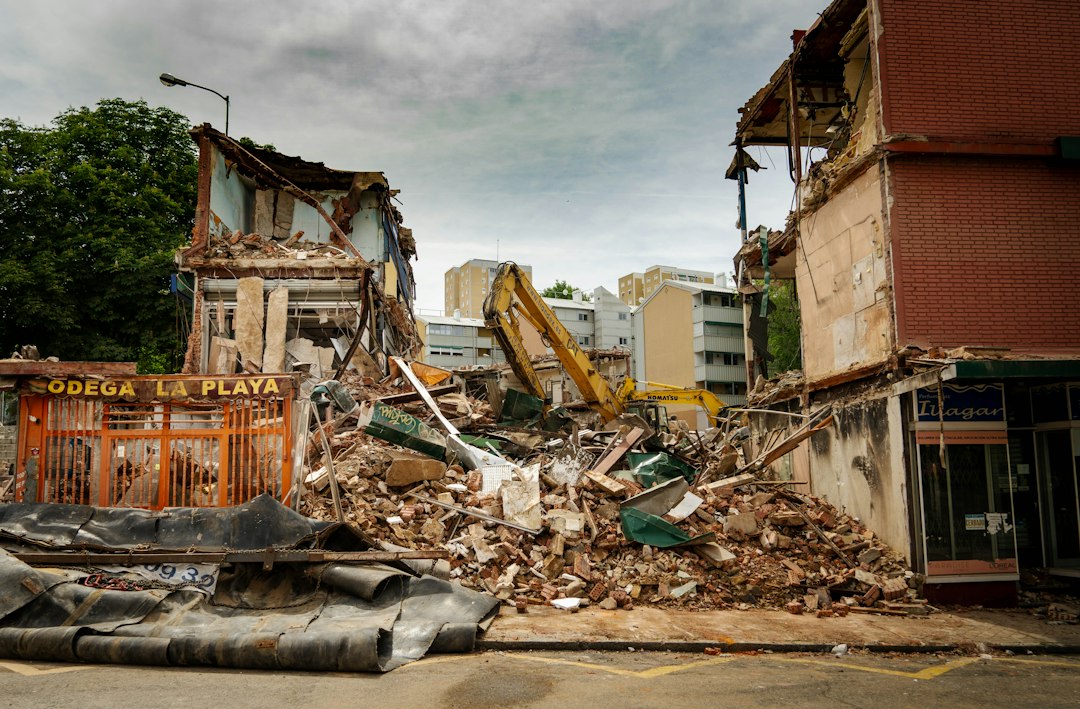
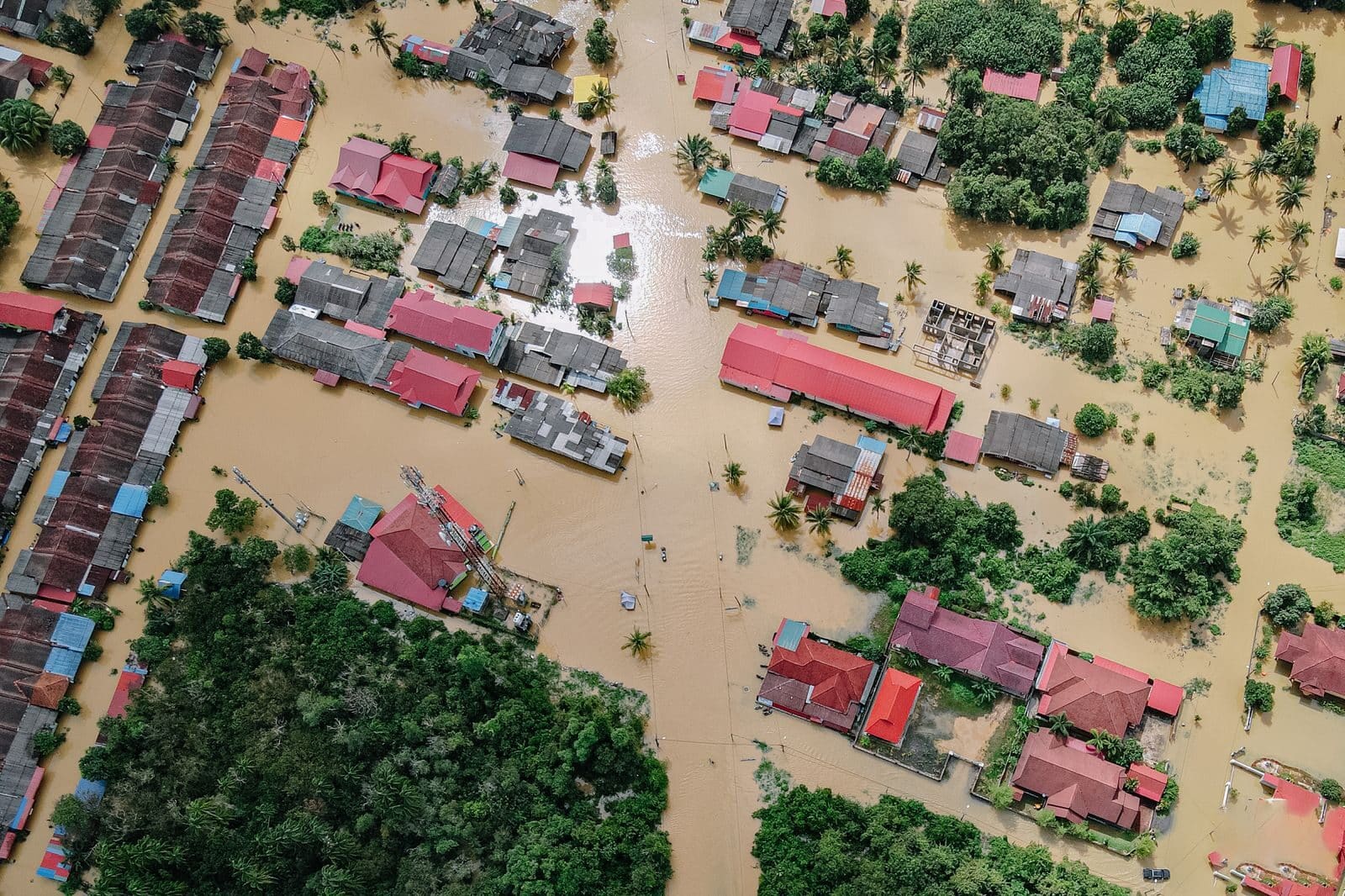
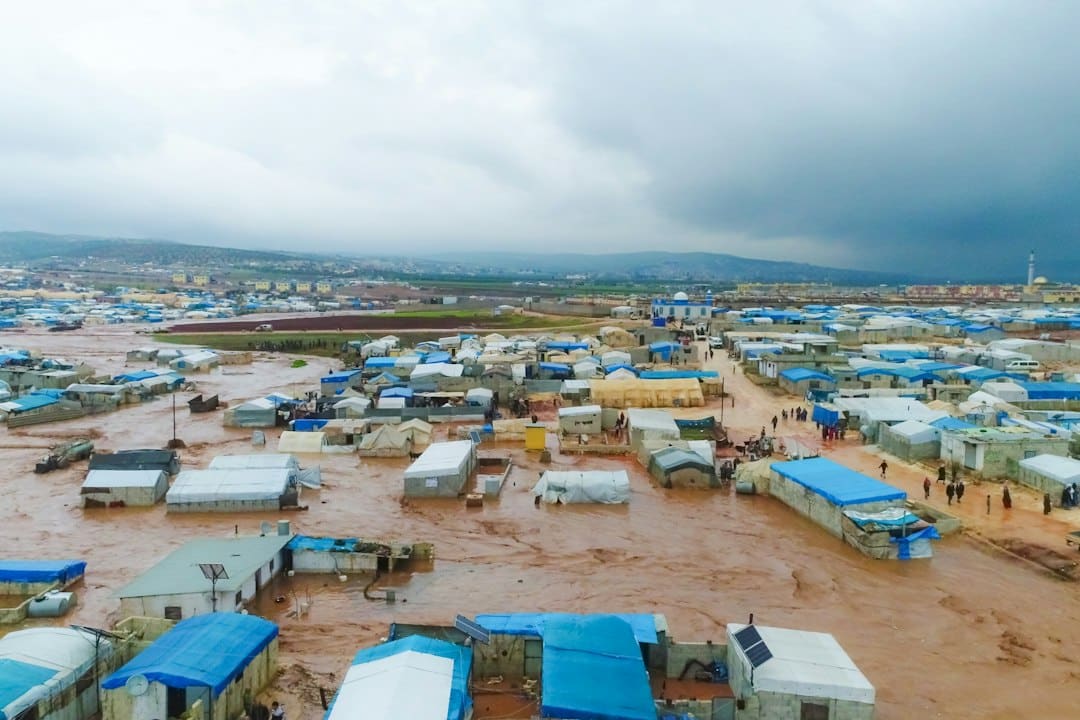
Disaster relief refers to the immediate and long-term assistance provided after natural or man-made disasters. That includes hurricanes, flooding, tornadoes, wildfires, severe storms, and earthquakes. Disaster relief supports families, businesses, utility providers, hospitals, and public infrastructure in the aftermath of these events.
Transportation ensures the supplies these groups depend on actually reach them. Response delivers immediate, life-saving actions during a crisis. Recovery restores community health and infrastructure once the immediate danger has passed. As recovery efforts unfold, priorities shift toward rebuilding livelihoods and infrastructure, with the goal of returning communities to a stable, functioning state.
What Are the Four Phases of Disaster Management?
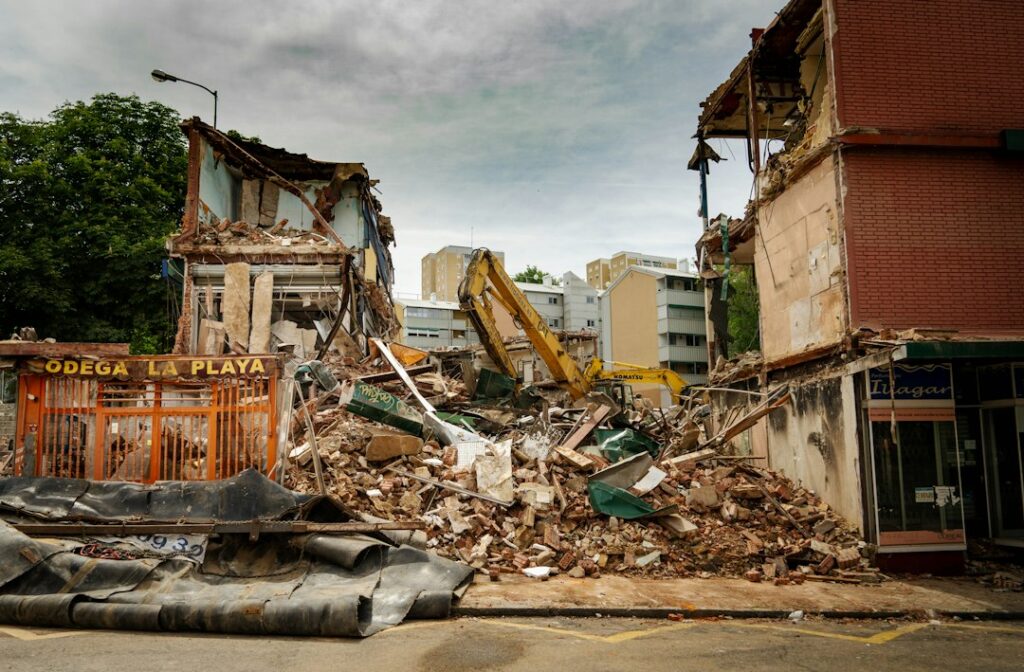
Emergency management professionals typically organize disaster relief into four connected phases. Each one depends on transportation in a different way.
How Does Mitigation Reduce Disaster Risk?
Mitigation involves proactive steps to reduce disaster risks before they happen. This includes infrastructure improvements, flood prevention projects, utility upgrades, and long-term planning that lessens the impact of future events.
What Happens During the Preparedness Phase?
Preparedness covers the emergency planning that takes place before disaster strikes. This includes establishing emergency staging locations, running training exercises, coordinating logistics plans, and keeping equipment ready to deploy. Preparedness builds community resilience, and it works best when community members actively participate in readiness efforts.
Why Does Response Rely So Heavily on Transportation?
Response is the immediate action taken once a disaster hits. This phase involves moving generators, mobile command centers, industrial trailers, portable buildings, utility equipment, and emergency supplies into affected areas. Response focuses on saving lives, and transportation becomes critical almost immediately after a disaster occurs.
How Long Does Recovery Actually Take?
Recovery is the long-term rebuilding process. It involves restoring roads, utilities, housing, schools, hospitals, and businesses, and the transportation needs of this phase often continue for months after the initial disaster. Recovery restores livelihoods, rebuilds infrastructure, and returns communities to stable functioning.
Helpful related resource: The National Weather Service Emergency Preparedness page offers region-specific guidance on severe weather risks.
Why Is Transportation Essential During Disaster Relief?
What Emergency Assets Actually Need to Move?
Disaster relief depends on moving a wide range of specialized equipment, including temporary housing units, FEMA support trailers, mobile command centers, portable restroom and shower trailers, utility trailers, industrial trailers, generators, fuel tanks, water treatment equipment, construction machinery, medical trailers, and communication equipment.
None of these assets can help a community until they’re safely delivered. A generator sitting in a staging yard does nothing for a hospital that’s lost power. This is the part of disaster relief that rarely makes headlines, but it’s the part that determines whether every other effort succeeds.
How Does Transportation Support Every Stage of Recovery?
Transportation providers move relief supplies, rebuilding materials, replacement infrastructure, utility equipment, contractor equipment, and emergency housing throughout the recovery timeline—not just in the first 72 hours. Experienced carriers understand how to minimize delays at every stage, from the initial emergency response through the months of rebuilding that follow.
Which Organizations Depend on Reliable Transportation?
Disaster relief only works when transportation connects the right organizations at the right time. This includes FEMA, state emergency management agencies, municipal governments, utility companies, public works departments, contractors, manufacturers, equipment dealers, and nonprofit organizations.
Transportation is what links government agencies, relief organizations, manufacturers, dealers, and utilities to the communities that actually need help.
Why Does Coordination Matter So Much in Disaster Relief?
How Does Multi-Agency Coordination Improve Outcomes?
Disaster response requires many organizations working in sync. Multi-agency coordination prevents duplication of effort, and information sharing between agencies improves decision-making in real time. Monitoring outcomes during and after a response also helps improve future disaster efforts.
What Role Do Emergency Operations Centers Play?
Emergency Operations Centers, or EOCs, coordinate resources and data across every organization involved in a response. They track equipment, assign missions, share information, and communicate directly with transportation providers to keep assets moving where they’re needed most.
How Does the Incident Command System Keep Everyone Aligned?
The Incident Command System, or ICS, establishes a standardized emergency command structure that governs transportation assignments, communication, and accountability. Under Unified Command, multiple agencies can work together on the same response while each maintains its own legal responsibilities.
Helpful related resource: FEMA’s Incident Command System training resources explain how ICS structures emergency response across agencies.
How Is Technology Changing Disaster Relief Logistics?
Modern disaster relief increasingly relies on technology to keep resources moving efficiently. GIS mapping and satellite imagery help responders understand the scope of damage in real time. GPS fleet tracking, digital logistics software, weather monitoring, and route optimization tools all support faster, better-coordinated transportation decisions.
Shared digital platforms now allow agencies to track responses and supply chains simultaneously, and this kind of information sharing continues to improve coordination across every phase of a disaster response. According to Credence Research, the global disaster relief logistics market was valued at $2.79 billion in 2024 and is projected to reach $7.41 billion by 2032—a reflection of how much investment is going into faster, smarter emergency logistics.
What Do Recent Disasters Reveal About Transportation Needs?
Recent events across the country illustrate just how quickly transportation demands can escalate during a large-scale emergency.
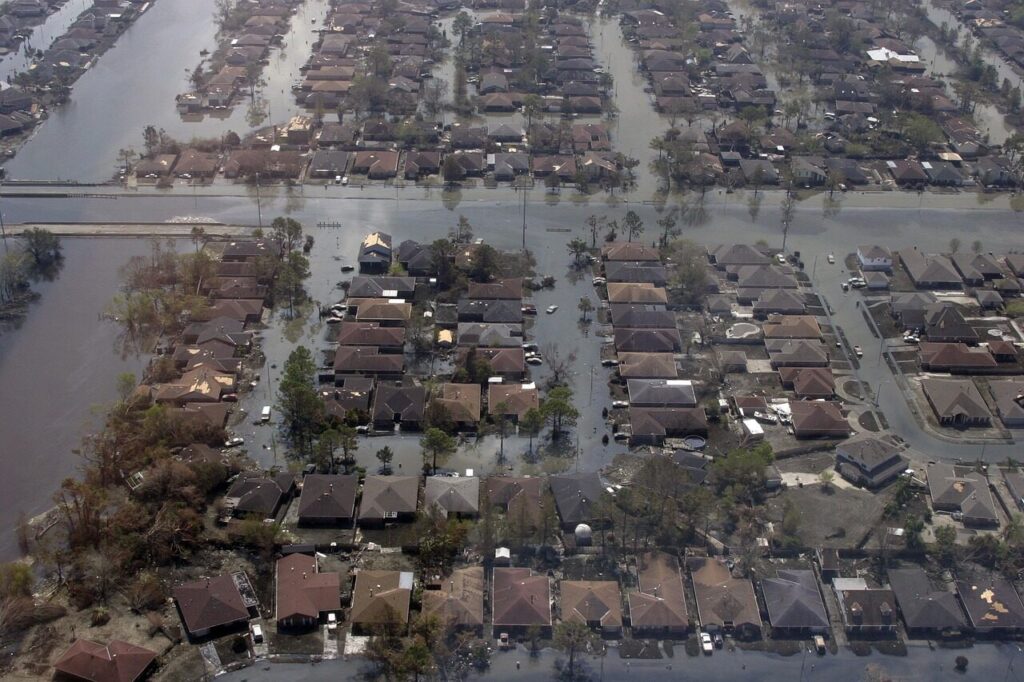
On July 4, 2025, a catastrophic flash flood struck the Texas Hill Country along the Guadalupe River, resulting in more than 119 confirmed deaths. FEMA began providing individual assistance to eligible residents of Kerr County, including non-residents affected during the disaster, as of July 9, 2025. On August 12, 2025, Texas Governor Greg Abbott formally requested that Uvalde County be added to the list of counties eligible for federal disaster assistance under the Public Assistance Program following the same flooding event—a clear example of how disaster declarations can expand as damage assessments continue.
Indiana has faced similar challenges. Following severe storms, straight-line winds, tornadoes, and flooding, a major disaster declaration made federal funding available across 21 counties, covering individual assistance for temporary housing, home repairs, and low-cost loans, along with Public Assistance funding for emergency work and infrastructure repair in several of those counties.
These examples show why transportation becomes so critical during large-scale emergencies. Every county added to a disaster declaration represents new demand for equipment, supplies, and temporary infrastructure that has to physically get there.
Helpful related resource: FEMA’s Public Assistance Program page explains how state, tribal, and local governments qualify for infrastructure recovery funding.
How Do Private Companies Support Disaster Relief?
Government agencies aren’t the only organizations moving resources into disaster zones. Private companies play a major role too, often filling gaps that public agencies can’t cover fast enough on their own.
Lowe’s disaster relief efforts offer one clear example. Following recent hurricane recovery efforts, the company distributed 258,000 recovery product units within three months, along with nearly 6,000 relief kits. Lowe’s also mobilized its Bucket Brigade and Tote Brigade volunteer programs, provided 27,000 cases of bottled water, and delivered 203,000 air conditioners and fans to affected communities.
None of that inventory helps anyone sitting in a distribution center. Transportation providers are what turn corporate donations and disaster relief pledges into supplies that actually reach families and rebuilding crews on the ground.
Helpful related resource: The American Red Cross coordinates shelter, supplies, and volunteer support during major disasters nationwide.
Why Does Cash Assistance Matter for Community Recovery?
Cash-based assistance gives disaster survivors flexibility that in-kind donations can’t always provide. It allows families to purchase exactly what they need locally, which in turn supports local businesses and speeds up economic recovery in affected areas.
Community-led engagement also ensures relief efforts reflect what people actually need, rather than what outside organizations assume they need. Local municipalities provide essential context that shapes more effective relief planning, and community participation continues to strengthen resilience long after the immediate crisis has passed.
Why Do Experienced Transportation Partners Matter?
Disaster response depends on logistics providers who understand the stakes. That means nationwide availability, experienced drivers, safe hauling practices, and full FMCSA compliance. It also means careful route planning, clear communication, and the ability to work within extremely tight, time-sensitive schedules.
Specialized trailer hauling, industrial equipment transportation, and temporary facility transportation all require a level of expertise that general freight carriers simply don’t have. This is exactly the gap experienced disaster relief transportation providers are built to fill.
Why Interstate Haulers Supports Disaster Relief Across the United States
Interstate Haulers has been family-owned since 1997, which means we’ve spent nearly 30 years building the kind of nationwide hauling experience that disaster response demands. We specialize in transporting industrial trailers and utility equipment, and we’ve worked directly with government agencies that need dependable support during emergencies.
Safe, dependable service and clear communication aren’t extras for us. They’re the standard we hold every haul to, whether we’re moving a restroom trailer for a public utility or an industrial trailer into a disaster staging area. When your organization needs dependable transportation for disaster response, we’re ready to help move what matters most.
Helpful related resource: National VOAD (Voluntary Organizations Active in Disaster) coordinates nonprofit and volunteer response efforts across the country.

Photo by Towfiqu barbhuiya on Unsplash
Frequently Asked Questions
What is considered disaster relief?
Disaster relief includes both immediate response efforts and long-term recovery assistance following a natural or man-made disaster. It covers everything from emergency shelter and medical support to rebuilding infrastructure and restoring utilities over the following months.
Who qualifies for the disaster relief fund?
Eligibility depends on the specific program and whether a federal or state disaster declaration is active for your area. Requirements vary by program, so it’s best to check directly with FEMA, your state emergency management agency, or your local emergency management office for current eligibility documents and details.
Does FEMA still exist?
Yes. FEMA continues to respond and play an active role in disaster preparedness, emergency response, recovery, hazard mitigation, and Public Assistance programs across the United States, including the recent Texas and Indiana disaster declarations referenced above.
Helpful related resource: DisasterAssistance.gov is the official portal for applying for federal disaster assistance.
Moving What Matters Most, When It Matters Most
Every phase of disaster management—mitigation, preparedness, response, and recovery—depends on transportation working the way it should. Emergency response only functions when reliable partners move critical assets safely and efficiently, whether that’s a generator headed to a hospital or a temporary housing unit headed to a family that just lost everything.
Interstate Haulers brings nearly three decades of experience transporting industrial trailers, emergency equipment, temporary facilities, utility assets, and other specialized cargo across the continental United States. When your organization needs dependable, time-sensitive disaster relief transportation, reach out to our team. We’re ready to help keep your response moving.