When you hear the word hauling, you might picture a pickup truck packed with old furniture, a same-day junk service headed to recycling, or someone offering cash to clear out clutter. That image fits a bunch of everyday situations people deal with in daily life, but professional hauling is something entirely different. In the transportation world, hauling means moving large, high-value assets like boats, RVs, and cargo trailers with precision, power, and planning. It is about knowing the route, understanding the land, accounting for every location, and knowing exactly what to expect before the wheels ever turn.
Moving oversized equipment is not a task to take lightly. Whether it is a boat being relocated in August, an RV traveling across the Southeast, or a trailer moving between job sites, the risks are real. Hauling requires careful weight calculations, route planning, and the ability to maintain control in changing conditions. Crosswinds, tight turns, low bridges, and long days on the road can quickly turn a routine haul into a dangerous situation. One overlooked detail can lead to damaged equipment, insurance issues, or serious safety concerns that affect more than just the driver.
At Interstate Haulers, we have spent nearly 30 years tackling these challenges head-on. Founded in 1997, our family-owned company has completed a countless number of transports for individuals, businesses, and government agencies, including FEMA. Over the years, we have built long-standing relationships with clients, friends, and even relatives of repeat customers who return because they had a great experience the first time. We take pride in delivering results that leave people genuinely impressed, not just relieved.
In this guide, we break down what professional hauling really involves. You will learn how specialty transport differs from junk removal, what goes into securing loads properly, and the safety practices professionals rely on every day. Whether you are planning to tow equipment yourself or want to schedule a professional team, this guide will help you make informed decisions that protect your property and give you peace of mind from start to finish.

What Does “Hauling” Really Mean?
What Does Hauling It Mean?
To the average consumer, “hauling” is often synonymous with “taking things away.” It implies disposal—getting rid of debris, trash, or unwanted household items. However, in the logistics and transportation industry, hauling is the act of pulling or transporting a load using a vehicle. It is not about disposal; it is about relocation.
Specialty hauling involves the safe movement of large, heavy, or oversized belongings using trucks and trailers designed specifically for that purpose. This isn’t about tossing scrap metal into a dump truck. It is about carefully loading a vintage Airstream trailer, securing a brand-new center console boat, or transporting critical industrial equipment to a job site. The goal is to deliver the asset in the exact same condition it was picked up in, regardless of the distance traveled.
For a deeper dive into general vehicle safety standards which apply to these types of loads, the National Highway Traffic Safety Administration (NHTSA) offers extensive data on road safety protocols that professional haulers must adhere to.
What Is the Synonym of Hauling?
When you are looking for services to move your boat or RV, using the right terminology can help you find the right provider. While “hauling” is the industry term, you might also see these services described as:
- Transporting: This is perhaps the most accurate synonym for what we do. It implies a professional service focused on getting an item from Point A to Point B safely.
- Towing: Often used for RVs and trailers that have their own wheels. Professional towing involves heavy-duty pickups or semi-trucks.
- Moving: A general term, but in this context, it refers to the relocation of assets rather than household boxes.
- Shipping: While often associated with ocean freight or small packages, “shipping” is frequently used in the context of moving oversized vehicles long distances, especially across the country.
What Is Hauling Work?
Understanding Professional Hauling Services
Professional hauling work is far more than just hitching a trailer and driving. It is a logistical puzzle that requires experience and attention to detail. A professional hauler acts as a project manager for your shipment, ensuring every variable is accounted for before the wheels even turn.
Route Planning and Logistics
You cannot simply plug a destination into a standard GPS when you are hauling an oversized load. Professionals must plan routes that accommodate the height, weight, and width of the cargo. This involves avoiding low overpasses, roads with weight restrictions, and tight urban centers where maneuvering a 40-foot trailer is impossible. The Federal Highway Administration provides resources on freight management and operations that highlight the complexity of navigating the nation’s highway systems with large loads.
Load Balance and Weight Distribution
Properly balancing a load is critical for safety. If too much weight is placed on the rear of a trailer, it can cause dangerous swaying (fishtailing). If too much weight is on the tongue, it can lift the tow vehicle’s front wheels, reducing steering control. Professional haulers understand the physics of weight distribution and use specialized equipment to ensure a stable ride.
Permits and Compliance
Hauling commercial loads or oversized vehicles often requires adherence to strict regulations. This includes obtaining the necessary permits for wide loads and complying with rules set by the Federal Motor Carrier Safety Administration (FMCSA). Compliance ensures that the haul is legal and that the driver is operating within safe hours-of-service limits.
Trained Drivers and Securement
The most important asset in hauling is the driver. Professional hauling work involves rigorous training in cargo securement. Knowing exactly where to place straps on a boat hull to avoid damage, or how to lock down an industrial generator, comes from years of hands-on experience.
What Does Hauling Mean in Construction (and How It’s Different)?
Construction Hauling vs. Specialty Transportation
It is easy to confuse different types of hauling, but the equipment and goals are vastly different.
Construction Hauling
In the construction world, hauling typically involves dump trucks and heavy machinery designed for loose materials. These drivers haul dirt, gravel, demolition debris, and waste. The primary goal is usually cleanup, disposal, or raw material delivery. The loads are rugged, and the handling is rougher because the materials (like a pile of rocks) can’t really be “damaged” during transport.
Specialty Hauling
This is where Interstate Haulers operates. Specialty hauling focuses on high-value assets that require “white glove” treatment. We aren’t moving debris; we are moving someone’s dream boat, a family’s vacation home on wheels, or vital emergency equipment. The focus here is on protection and preservation. We don’t just dump the load at the destination’s ground; we carefully position it, often parking RVs in tight driveways or launching boats directly at marinas.
4 Top Safety Tips for Hauling Boats, RVs, and Trailers
Whether you are a seasoned RVer or a new boat owner, safety should always be your top priority. Here are the essential tips professionals use to get pointed in the right direction and ensure a successful haul.
1. Use the Right Equipment for the Load
You cannot safely pull a heavy load if your equipment isn’t up to the task. This starts with the tow vehicle. It must have a towing capacity that exceeds the total weight of your trailer and its cargo. You also need the right hitch class and a brake controller that is properly calibrated.
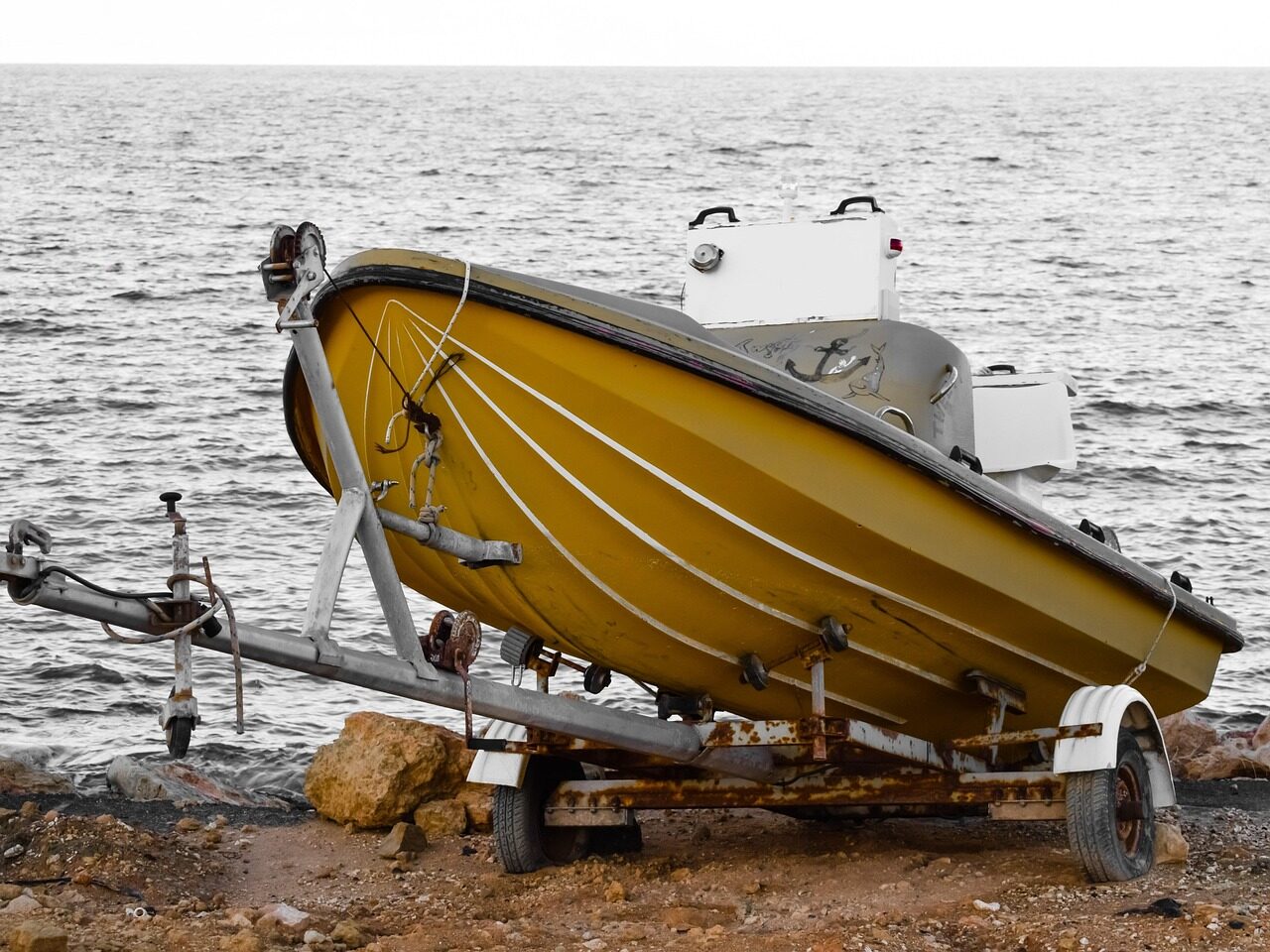
For boats without trailers or oversized RVs, custom solutions are often necessary. This might mean using a flatbed trailer or a hydraulic trailer designed to lift a boat directly from blocks. Using mismatched equipment is one of the leading causes of towing accidents. Resources like Kelley Blue Book can be helpful for researching vehicle towing capacities and values to ensure your setup is capable.
2. Inspect and Secure Before Every Mile
A professional driver never hits the road without a pre-trip inspection of the space. This goes beyond a quick glance. You need to check tire pressure on both the tow vehicle and the trailer—trailer tires are notorious for blowing out if underinflated or aged.
Check your lights, brakes, and safety chains. When securing a boat, ensure all loose items inside are stowed away. Cushions, canvas tops, and fishing gear can easily blow out at highway speeds. For RVs, ensure all slides are locked, awnings are secured, and steps are retracted. The BoatUS Foundation offers excellent checklists for trailering boats safely that can serve as a great reference for your pre-trip routine.
3. Plan Routes with Height, Weight, and Distance in Mind
As mentioned earlier, route planning is vital. If you are hauling a tall RV or a boat with a radar arch, you must know your total clearance height. Hitting a low bridge is a catastrophic error that is entirely preventable.
Distance also changes the game. A ten-mile drive to the local lake is different from a cross-country haul. Long-distance towing fatigues drivers and stresses equipment. You need to plan fuel stops at stations that can accommodate large vehicles. Checking weather forecasts through the National Weather Service (NOAA) is also crucial; high winds can turn a large camper into a dangerous sail, pushing your vehicle out of its lane.
4. Hire a Reliable and Professional Hauling Company
Sometimes, the safest choice is knowing when to call in the experts. If you are uncomfortable towing a large load, or if you lack the proper vehicle, hiring a professional hauling company reduces your risk significantly.
Professional crews come with insurance coverage that protects your asset in transit—something your standard auto policy might not fully cover. They also handle the compliance and permitting, removing the legal stress from your shoulders. Organizations like the Better Business Bureau (BBB) allow you to vet companies to ensure you are hiring a reputable partner with a history of safe operations.
Who Benefits from Professional Hauling Services?
Customers We Serve
Professional hauling isn’t just for big corporations. A wide variety of people and organizations rely on these services daily.
Individual Owners
This group includes the boat owner who just bought a vessel in Florida and needs it shipped to Michigan for the summer. It includes the RV travelers who want their motorhome delivered to a vacation spot so they can fly in and start relaxing immediately. It also includes seasonal movers—snowbirds who send their vehicles south for the winter.
Dealers and Manufacturers
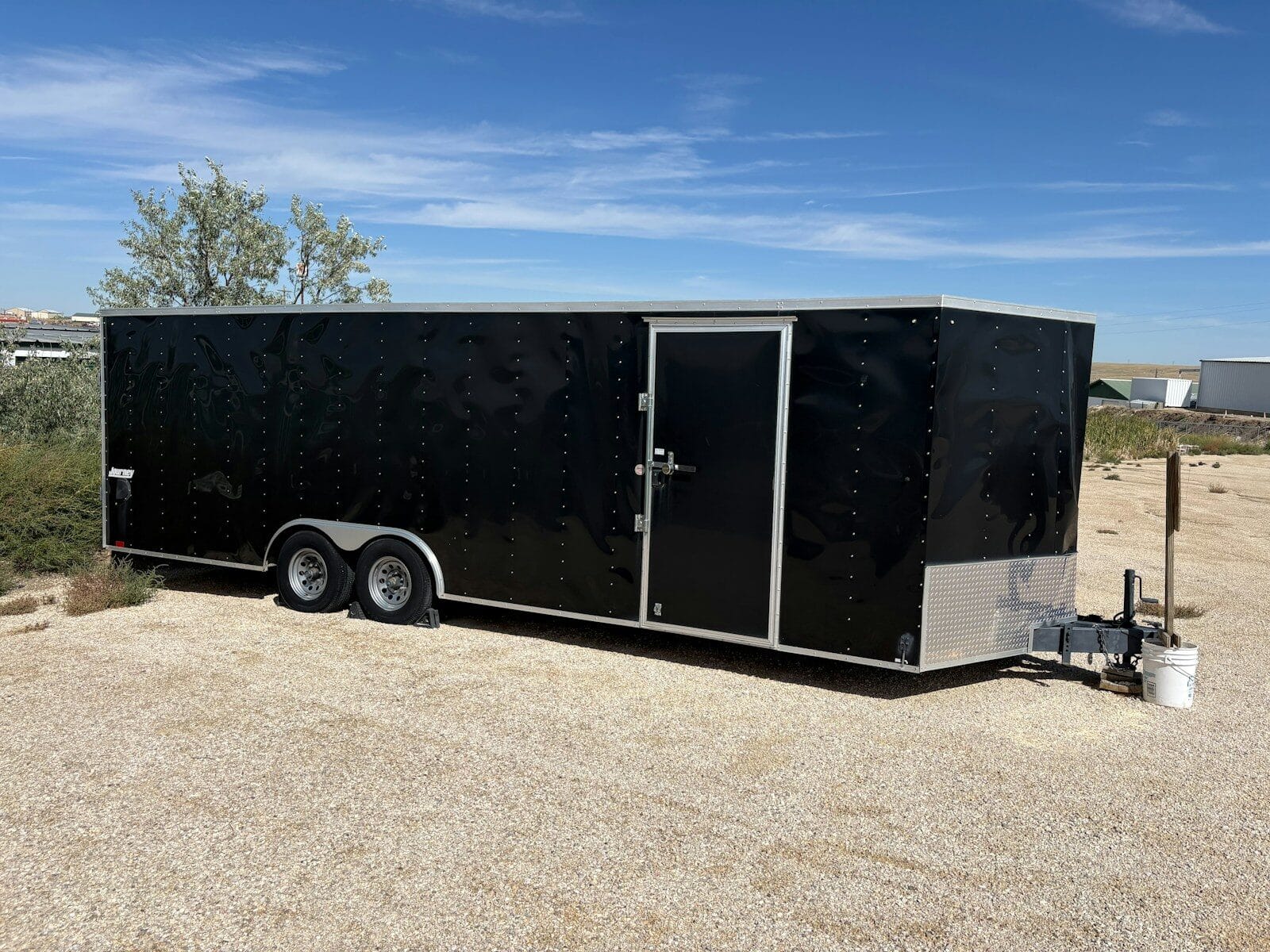
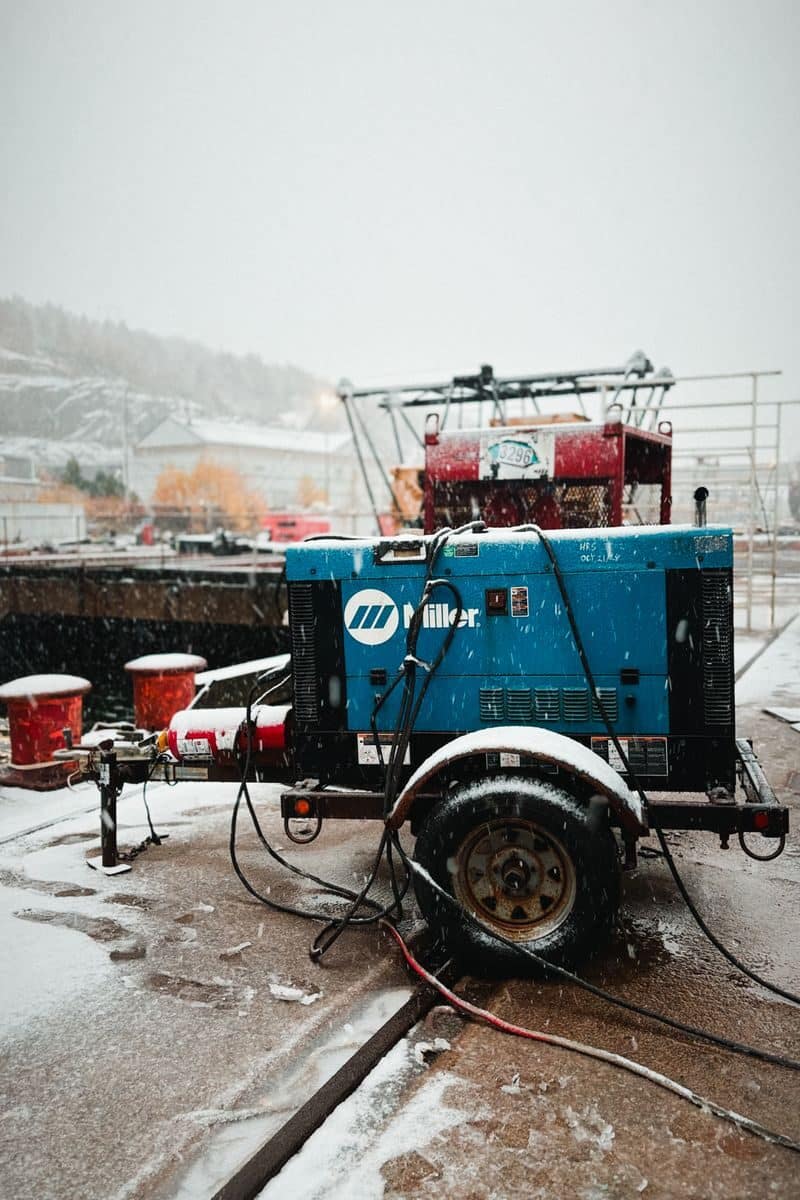
The marine and RV industries rely heavily on haulers to keep their inventory moving. Manufacturers need to get units to dealerships, and dealers need to deliver sold units to customers. Cargo trailer sectors also use these services to move equipment like mobile offices and generators.
Government and Emergency Response
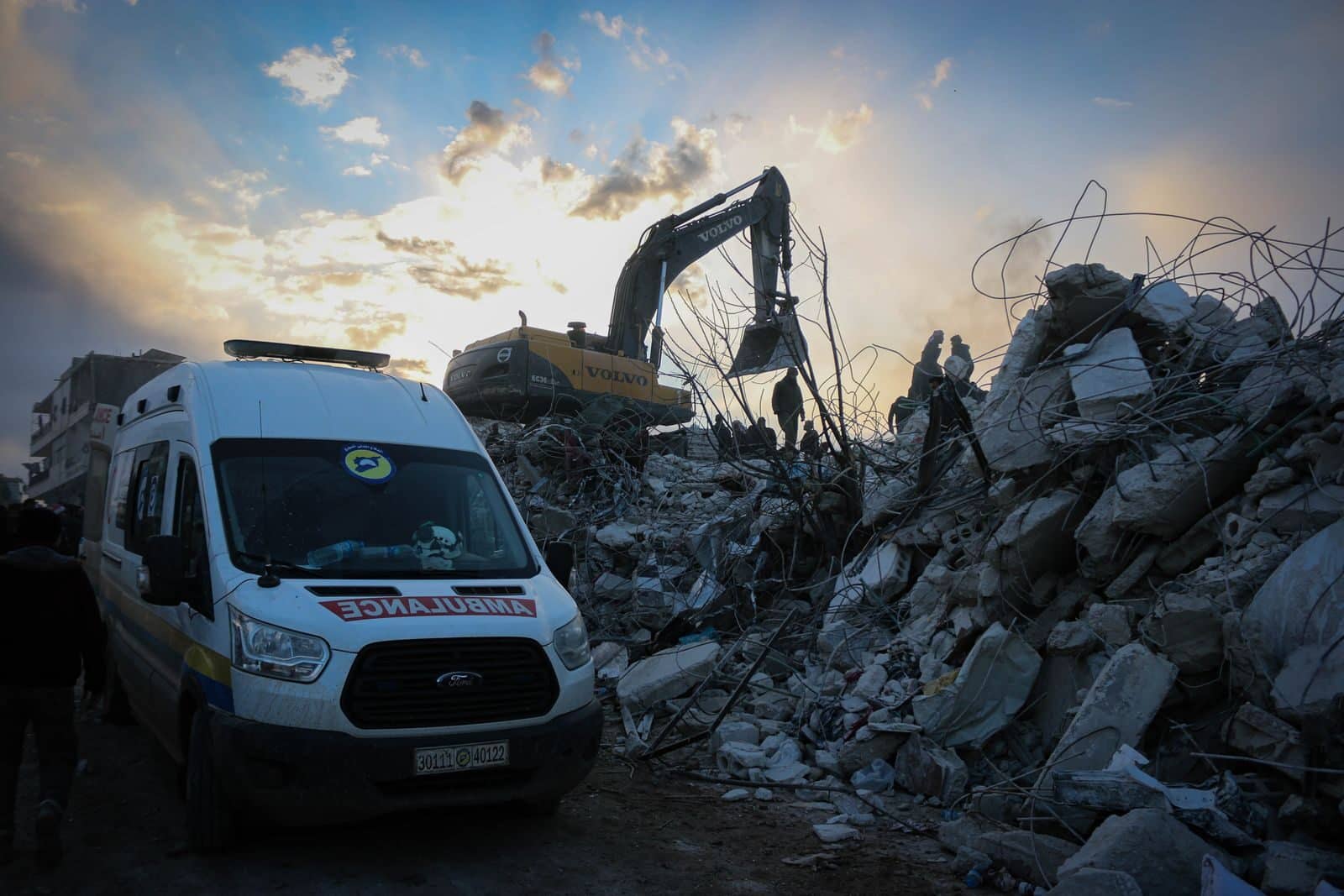
When disaster strikes, logistics become a lifeline. We are proud to serve agencies like FEMA, public utilities, and municipalities. We transport emergency response trailers, portable restrooms, and temporary housing units to areas in need. These jobs require rapid response times and absolute reliability. For context on how critical transport is during emergencies, FEMA.gov outlines the logistical challenges of disaster response.

What Sets Interstate Haulers Apart
Family-Owned Trust Meets Nationwide Capability
In an industry that can sometimes feel impersonal or transactional, Interstate Haulers stands out by staying true to our roots. We have been family-owned and operated since 1997. That means nearly 30 years of building relationships, not just closing deals.
We offer a personalized service that you won’t find with massive, automated freight brokers. When you call us, you are speaking to a team that cares about your specific needs. Yet, despite our personalized approach, we have the capability of a nationwide carrier. We cover the entire continental United States, bringing professional expertise to every job.
We pride ourselves on transparent communication. You will never be left wondering where your boat or RV is. Our safety record speaks for itself, and our compliance with federal regulations ensures that your haul is legal and protected every step of the way.
Choosing the Right Hauling Partner
Questions to Ask Before Hiring a Hauling Company
If you decide to hire a professional, do your homework. Not all hauling companies are created equal, and you want to ensure you are avoiding “junk removal guys” and similar style operators who aren’t equipped for specialty transport.
Before you book, ask these questions:
- Do you specialize in my type of vehicle? Moving a boat is different from moving a pallet of bricks. Ensure they have specific experience with your asset.
- Are you insured and compliant? Ask for proof of insurance and their DOT number. You can verify their standing with federal agencies.
- Do you handle long-distance transportation? Some local towing companies aren’t licensed or equipped for interstate travel.
- Will I have direct communication? Ensure you can reach the team managing your shipment if plans change or you have questions.
For general consumer advice on hiring services, Consumer Reports often provides guides on what to look for when contracting service providers to ensure you are getting quality and safety.
Ready to Move Your Boat, RV, or Trailer Safely?
Hauling your most valuable recreational or industrial assets doesn’t have to be a source of stress. Whether you are moving a boat to the coast for the season, relocating a travel trailer, or deploying industrial equipment, safety and preparation are the keys to success.
If you want the job done right, backed by decades of experience and a commitment to family-values service, Interstate Haulers is here to help. We take the weight off your shoulders so you can focus on what really matters to you.
Request a free quote today or speak with one of our knowledgeable team members to discuss our assistance with your transport needs. Experience the peace of mind that comes with hiring true professionals.