

Understanding boat values is essential whether you’re buying, selling, trading, or transporting a vessel. Boats are significant investments, and their price can vary widely depending on factors such as age, condition, brand, engine hours, and current market demand.
For many boat owners, determining a boat’s worth can feel confusing. Market conditions change, boat prices fluctuate, and similar models may sell for different amounts depending on location and condition.
This guide explains what determines boat values, how valuation tools like NADA boat values work, and what buyers and sellers should consider before listing or purchasing a boat.
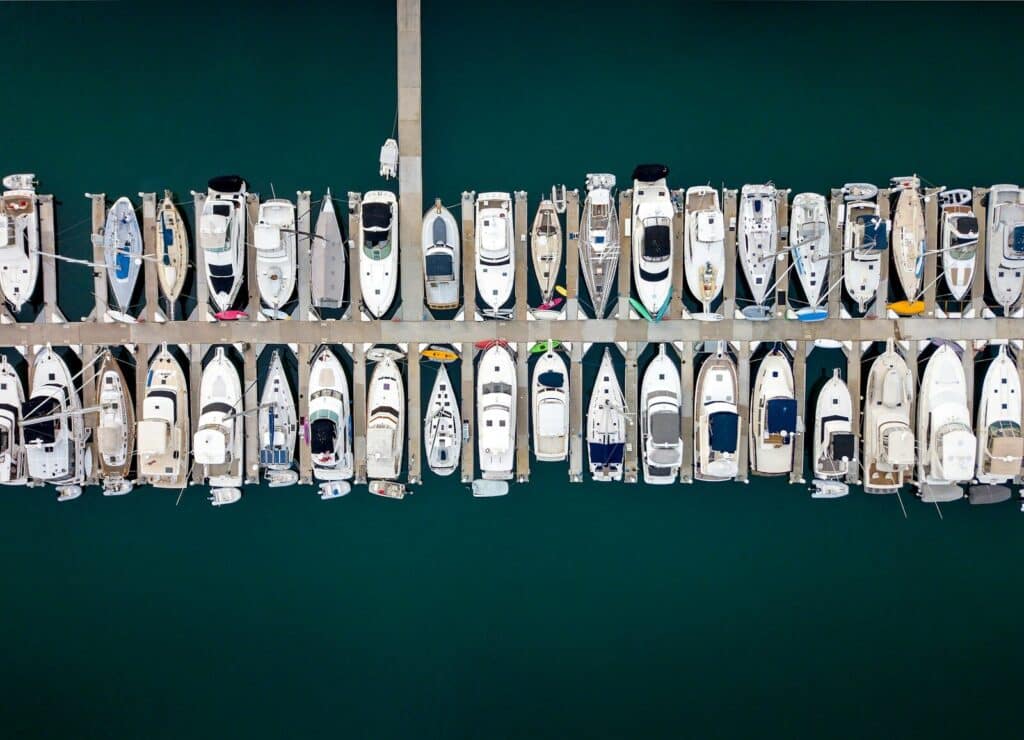
Photo by Leo_Visions on Unsplash
What Determines Boat Values
Several key factors influence boat values in today’s market. Whether evaluating new and used boats, dealerships, lenders, or buyers, all consider similar information when determining a boat’s price.
Age of the Boat
Age is one of the most obvious factors in determining boat worth. Like most vehicles, boats experience depreciation over time. A newer model with fewer engine hours will typically command a higher price than an older vessel with significant wear.
However, age alone doesn’t determine value. A well-maintained older power boat may still hold strong value if it has been properly cared for.
Condition and Maintenance
The overall condition of the boat plays a major role in determining its resale potential. Buyers often examine:
- Hull condition
- Engine performance
- Upholstery and interior quality
- Electronics and navigation systems
Boats that receive regular maintenance, service, and upgrades tend to maintain stronger market value.
Brand and Boat Makes
Certain boat makes and manufacturers have stronger reputations in the marine industry. Well-known brands with a track record for durability, performance, and reliability often retain value better than lesser-known models.
Popular boat types from respected manufacturers frequently appear in similar listings, making them easier to compare when estimating value.
Engine Type and Hours
The engine is a critical component in determining boat values. Boats powered by reliable outboard motors or newer engine systems may command higher prices than older models.
Lower engine hours typically indicate less wear and tear, which can positively influence resale value.
Location and Regional Demand
Location can also impact value. Local market conditions and regional demand often affect how quickly a boat sells and how much buyers are willing to pay.
For example:
- Coastal regions may have a stronger demand for offshore powerboats.
- Inland lakes may favor smaller personal watercraft or fishing boats.
These market trends can influence the prices buyers see in different parts of the country.
Tools Used to Estimate Value
Several valuation tools help buyers and sellers estimate boat values more accurately.
NADA Boat Values
One of the most widely used references is the NADA boat values, a pricing guide commonly used by:
- Dealers
- Lenders
- Insurance companies
- Private sellers
The NADA database analyzes real-time data, market trends, and boat details to provide estimated price ranges for various models.
These tools function similarly to automotive valuation systems and help provide quick answers about a boat’s potential resale value.
Online Market Listings
Another useful tool involves reviewing similar listings for comparable boats. Many buyers and sellers browse online marketplaces to compare prices across listings with similar:
- Boat model
- Engine type
- Features
- Age
This approach provides practical insights into the current market and helps owners determine a competitive sale price.
Dealer Appraisals
Professional marine dealers can also provide appraisals based on industry knowledge and recent sales data.
This process often helps buyers and sellers make informed decisions about pricing and negotiations.
Factors That Affect Resale Price
Beyond the basics, several additional factors can influence resale value.
Upgrades and Features
Boats with upgraded electronics, sound systems, seating, or navigation equipment often appeal more to buyers. Modern technology can increase a boat’s perceived worth and attract stronger offers.
Hull Design and Build Quality
The design of the hull affects performance, durability, and overall reliability. Well-built boats with quality construction materials tend to retain value longer.
Storage and Care
Boats that have been stored properly and protected from harsh weather conditions typically maintain better resale value.
Owners who maintain service records and review maintenance schedules often have an easier time attracting buyers.
Market Demand
Supply and demand play a major role in determining resale prices. When the current market demand for certain boat types increases, values may rise accordingly.
Preparing a Boat for Sale or Transport
If you’re planning to sell your boat, preparing it properly can make a big difference in both value and buyer interest.
Here are a few steps boat owners often take before listing a boat for sale:
Gather Boat Details
Having accurate boat details ready helps buyers feel confident about the purchase. This includes:
- Make and model
- Engine specifications
- Year of manufacture
- Maintenance records
- Trailer information
Providing these details helps buyers make informed decisions.
Clean and Inspect the Boat
Presentation matters when listing a boat. Cleaning the interior, polishing the hull, and addressing minor repairs can improve the overall impression.
Research Market Value
Using tools like NADA boat values, online search tools, and dealer appraisals helps sellers establish realistic boat prices.
Accurate pricing helps attract serious buyers and simplifies the negotiation process.
Plan for Transport
Many boats are purchased from sellers located in different states or regions. In these situations, transportation becomes an important part of the transaction.
Professional transport services help ensure boats are safely moved between:
- Dealers
- Private sellers
- Marinas
- Storage locations
Transporting a boat requires proper equipment, route planning, and experience handling oversized trailers.

Final Thoughts
Understanding boat values helps buyers and sellers navigate the boating market with confidence. By evaluating factors such as age, condition, boat makes, engine hours, and market trends, owners can estimate their vessel’s true value.
Using tools like NADA boat values, reviewing similar listings, and analyzing current market demand helps provide accurate pricing guidance.
Whether you’re buying your next boat, selling a vessel, or comparing boat types, taking time to research value ensures you make a smart financial decision.
If your boat purchase requires transportation across the country, working with an experienced hauling partner is essential.
Interstate Haulers has specialized in transporting boats, RVs, and trailers nationwide since 1997. Our experienced team helps owners safely move their vessels between buyers, sellers, marinas, and storage locations.
If you need reliable boat transport, contact Interstate Haulers today to request a quote and move your boat with confidence.
Helpful Links and Resources for Boat Values
- National Marine Manufacturers Association (NMMA): The NMMA provides valuable insights into the boating industry, including market trends and statistics that can help you understand boat values. Visit NMMA
- BoatUS: BoatUS offers a wealth of resources for boat owners, including maintenance tips, insurance information, and advice on buying and selling boats. Visit BoatUS
- U.S. Coast Guard Boating Safety: This site provides essential information on boating safety, regulations, and certifications, which can impact a boat’s value. Visit U.S. Coast Guard Boating Safety
- American Boat and Yacht Council (ABYC): ABYC sets safety and technical standards for boat construction and maintenance, which are critical factors in determining boat values. Visit ABYC
- National Association of Marine Surveyors (NAMS): NAMS offers resources to find certified marine surveyors who can provide professional boat appraisals. Visit NAMS
- Discover Boating: Discover Boating is a consumer-focused resource with guides on boat ownership, maintenance, and buying tips, helping you understand what affects boat values. Visit Discover Boating
- Marine Engine: Marine Engine provides parts, manuals, and forums for boat engines, which are a significant factor in a boat’s overall value. Visit Marine Engine