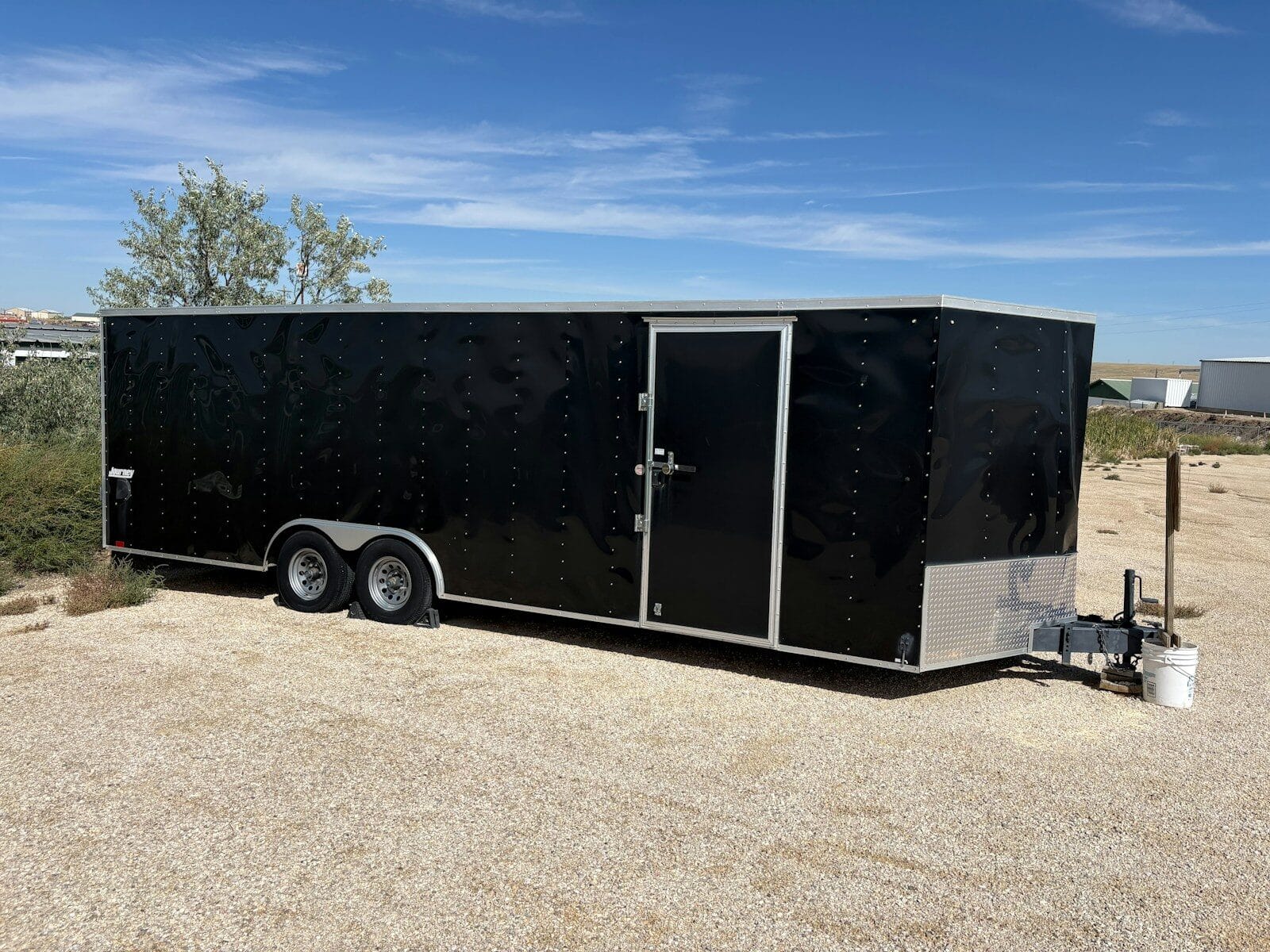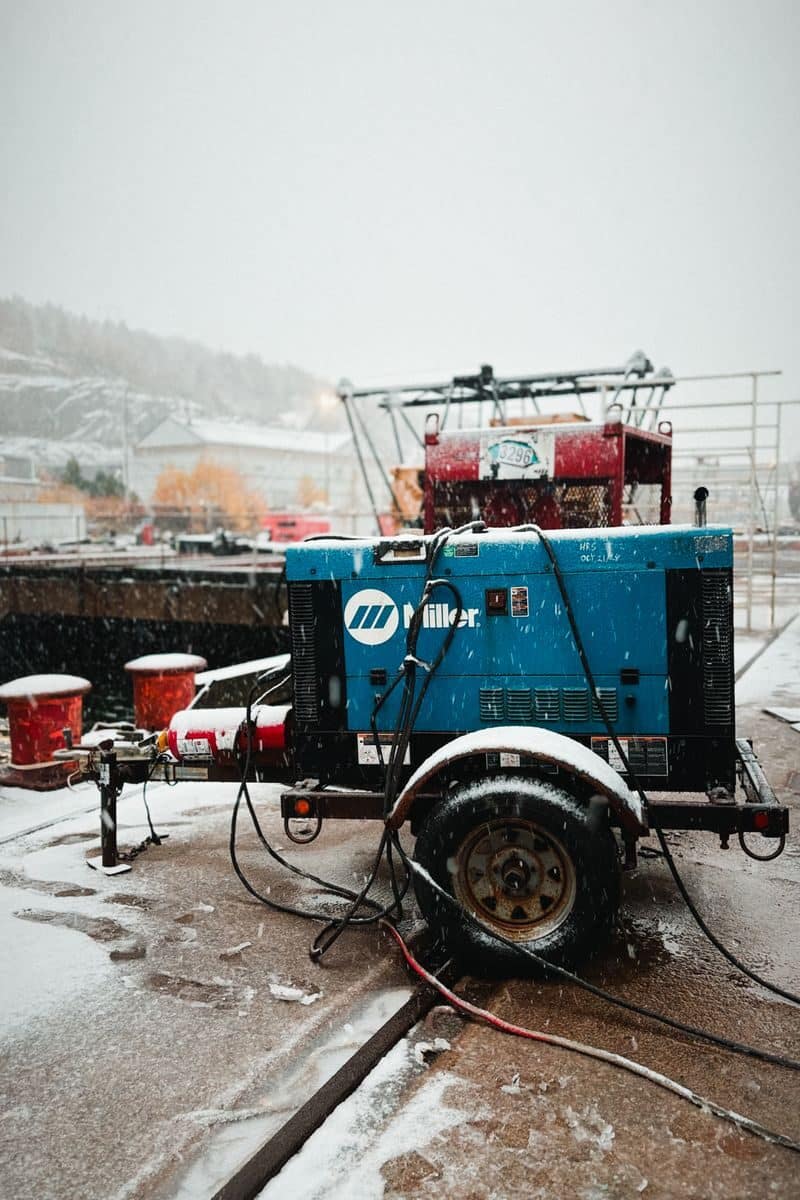
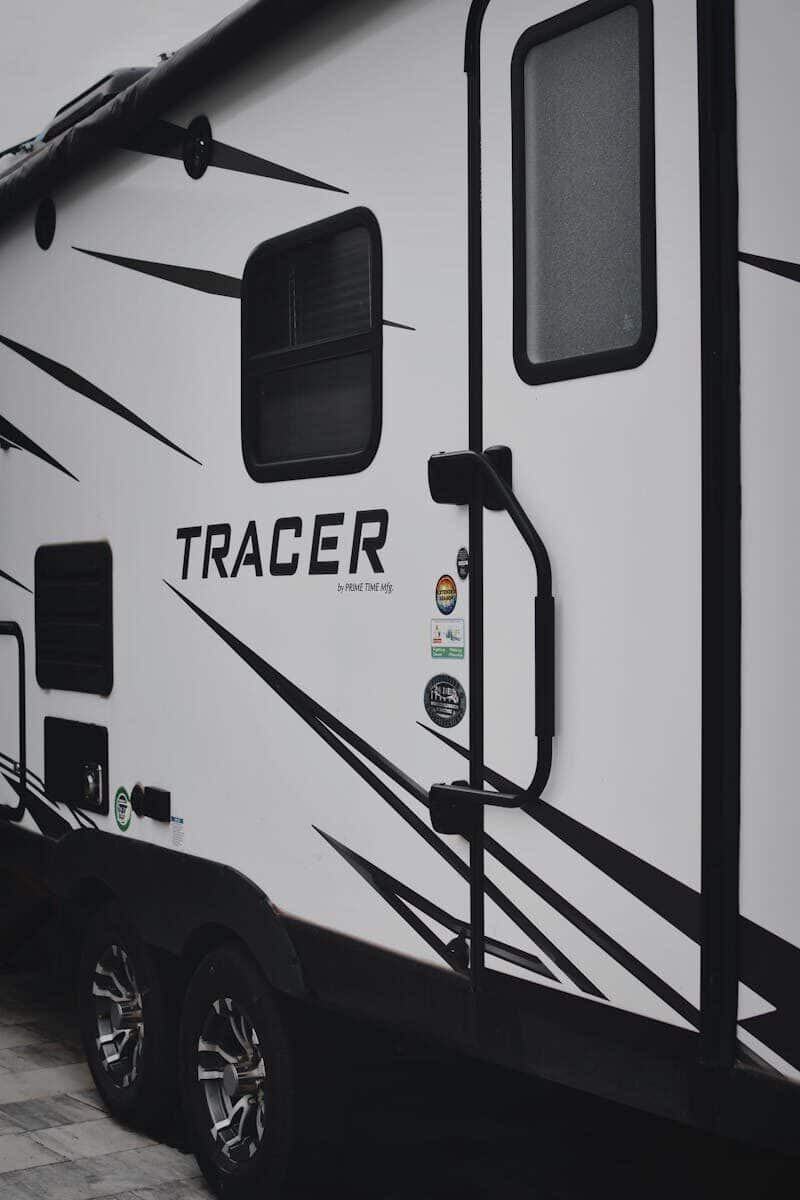
When purchasing or relocating a trailer, one of the most common questions people ask is how to move it safely across long distances. Many trailers sold today use a bumper pull trailer design, which is known for its versatility and ease of use.
While bumper pull trailers are popular with individual owners and businesses alike, transporting them across states can be more complex than many people expect. Factors like towing capacity, road safety, weight distribution, and distance all play a role.
At Interstate Haulers, we’ve spent nearly 30 years safely transporting trailers across the United States. From car haulers and equipment trailers to specialty builds with living quarters, our team understands how to move bumper pull trailers safely and efficiently.
In this guide, we’ll explain how bumper pull trailers work, how they differ from other trailer types, and why professional transport can be the safer option.
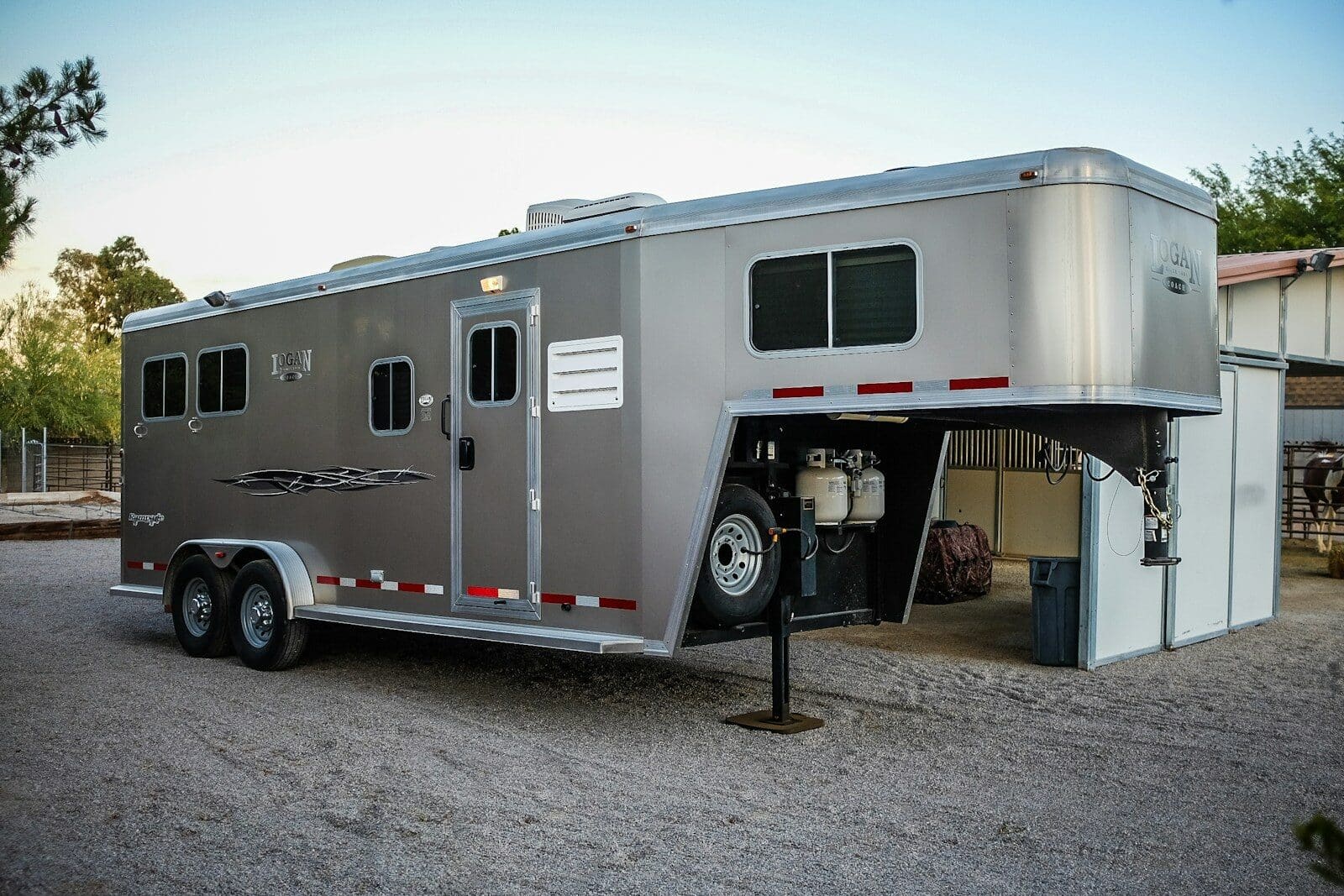
Photo by Kenny Eliason on Unsplash
What Is a Bumper Pull Trailer?
A bumper pull trailer is the most common type of trailer connection used in North America. These trailers attach to a ball hitch mounted near the tow vehicle’s bumper, usually on a pickup truck, SUV, or similar vehicle.
The trailer connects through a coupler where the trailer’s tongue fits over the hitch ball. Once secured, the trailer becomes part of the towing system behind the vehicle.
Because the hitch point sits near the truck’s rear axle, bumper pull trailers are relatively easy for many drivers to operate compared to more specialized trailer types.
Common examples include:
- Car haulers
- Utility trailers
- Equipment trailers
- Livestock and horses trailers
- Small camper trailers
- Landscaping trailers
Their design makes them extremely versatile for personal and commercial use.
Bumper Pull vs Gooseneck Trailer
Many trailer buyers compare bumper pull models with gooseneck trailers, which connect differently.
A gooseneck trailer uses a special hitching system installed inside a pickup’s truck bed, directly above the rear axle. This allows the trailer to distribute weight more evenly across the vehicle’s frame, improving stability when carrying heavier loads.
Because of this design, a gooseneck hitch is often used for heavy-duty hauling, such as:
- Heavy equipment
- Construction materials
- Livestock transport
- Large flatbed trailers
Unlike bumper pull trailers, gooseneck trailers require specialized installation and a compatible truck.
While bumper pull trailers are easier for first-time trailer owners, gooseneck trailers often provide a better ride when transporting extremely heavy loads.
Why Bumper Pull Trailers Are So Popular
Trailer manufacturers produce bumper pull models in many sizes because they work with most pickup trucks, SUVs, and other tow-capable vehicles.
Some of the key features that make them popular include:
- Simple hitch design
- Compatibility with many tow vehicles
- Flexible cargo types
- Easier parking and maneuvering
- Lower purchase cost
Because the hitch connects behind the vehicle rather than inside the truck bed, owners maintain full use of their cargo area.
This design also allows trailers to stand independently when unhitched, which helps with loading and storage.
Common Uses for Bumper Pull Trailers
Bumper pull trailers serve a wide range of industries and lifestyles.
Equipment Trailers
Many contractors rely on equipment trailers for transporting tools, heavy machinery, and construction gear. These trailers often include ramps for easy loading and a wider platform to accommodate different types of equipment.
Car Haulers
Car haulers are frequently used by dealerships, collectors, and motorsports teams. They allow owners to move cars safely without adding mileage or wear to the vehicle.
Livestock and Horse Trailers
Many ranchers use bumper pull trailers for hauling horses and livestock. Their design allows for smooth towing while maintaining enough space for animals.
Recreational Trailers
Travel trailers, campers, and some models with living quarters also use bumper pull designs. These trailers allow families to enjoy road trips, camping, and outdoor recreation.
The Challenges of Long-Distance Trailer Towing
Although bumper pull trailers are common, long-distance trailering experience can still present challenges.
Many owners discover that towing a trailer hundreds or thousands of miles requires careful planning.
Common issues include:
- Incorrect weight distribution
- Insufficient towing capacity
- Limited visibility while towing
- Fatigue during long drives
- Tire wear and road hazards
Even when using a capable towing vehicle, hauling a trailer across several states can put significant strain on both the vehicle and driver.
For businesses moving commercial trailers or owners relocating valuable cargo, professional transport can reduce those risks.
How Interstate Haulers Safely Transports Bumper Pull Trailers
At Interstate Haulers, transporting trailers is our specialty.
We move a wide variety of trailers, including:
- Bumper pull trailers
- Flatbed trailers
- Car haulers
- Industrial equipment trailers
- Utility and specialty trailers
Our team evaluates several factors before every shipment.
Weight and Balance
Understanding the trailer’s weight, axle configuration, and cargo helps ensure the safest towing setup.
Hitch Compatibility
We verify the correct hitch configuration before transport begins.
Tire and Wheel Inspection
Trailers equipped with radial tires and well-maintained wheels are safer for long-distance hauling.
Loading and Unloading Conditions
We assess the pickup and drop-off locations to ensure safe loading and unloading conditions.
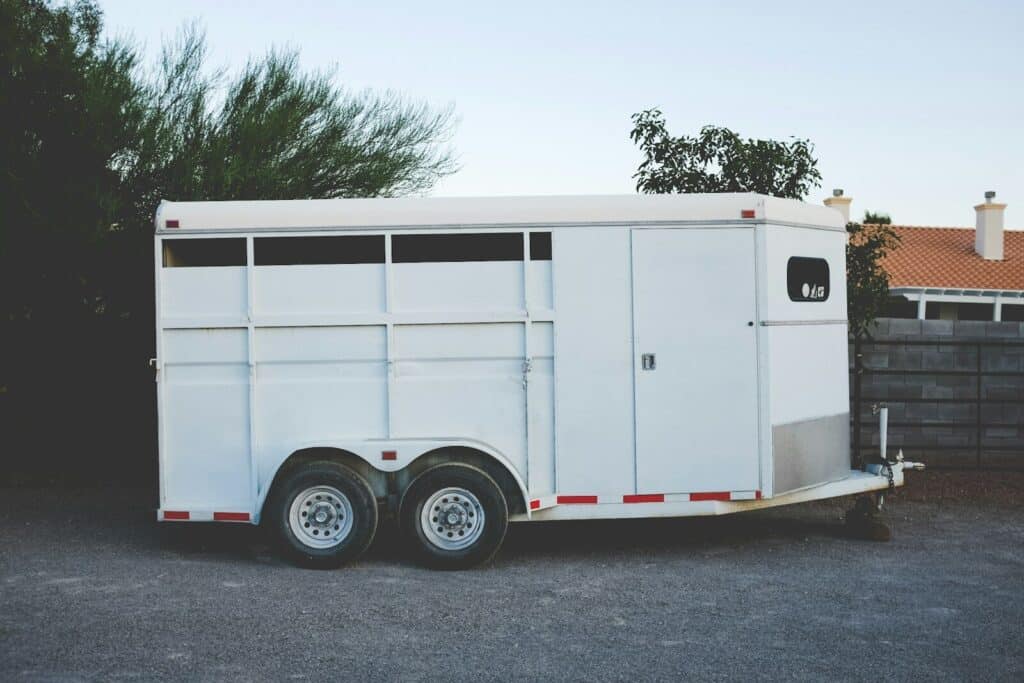
Photo by Kenny Eliason on Unsplash
When Professional Trailer Transport Makes Sense
There are several situations where hiring a professional transport company is the best option.
You may want professional transport if:
- The trailer is traveling a long distance
- The tow vehicle isn’t rated for the trailer’s weight
- You purchased the trailer from a dealer in another state
- The trailer includes expensive equipment or custom features
- You simply want to avoid the stress of towing
For many owners, professional transport is the easiest and safest way to move their trailer.
Why Customers Trust Interstate Haulers
Since 1997, Interstate Haulers has built a reputation for safe and dependable trailer transport.
Our company serves:
- Individual trailer owners
- Dealerships and trailer manufacturers
- Construction companies
- Logistics providers
- Government agencies and municipalities
What sets us apart is our combination of family-owned service, nationwide coverage, and deep expertise in hauling specialty trailers.
Whether we’re transporting heavy-duty equipment trailers, recreational campers, or commercial cargo trailers, our team treats every shipment with care and professionalism.

Request a Quote for Trailer Transport
If you’ve recently purchased a bumper pull trailer or need one delivered to a buyer or job site, professional transport can save time, reduce risk, and simplify the process.
At Interstate Haulers, we specialize in transporting trailers across the continental United States with reliability and attention to detail.
Contact our team today to request a quote and learn how we can safely transport your trailer wherever it needs to go.
Helpful Links and Resources for Bumper Pull Trailers
- National Association of Trailer Manufacturers (NATM): Stay informed about trailer safety standards and best practices with resources from the NATM. Visit NATM
- Trailer Safety Week: Learn about trailer safety tips, maintenance guides, and educational materials to ensure safe towing. Visit Trailer Safety Week
- U.S. Department of Transportation – Towing Safety: Access official guidelines and regulations for towing trailers safely on U.S. roads. Visit U.S. DOT Towing Safety
- RVshare Blog – Towing Tips: Explore practical advice and tips for towing bumper pull trailers, including weight distribution and hitching. Visit RVshare Blog
- etrailer.com – Trailer Hitch Information: Find detailed guides and videos about trailer hitches, towing accessories, and installation tips. Visit etrailer.com
- Camping World – Trailer Maintenance Tips: Discover maintenance tips and product recommendations to keep your bumper pull trailer in top condition. Visit Camping World
- Good Sam Club – Towing Resources: Join a community of trailer enthusiasts and access towing guides, roadside assistance, and travel tips. Visit Good Sam Club