
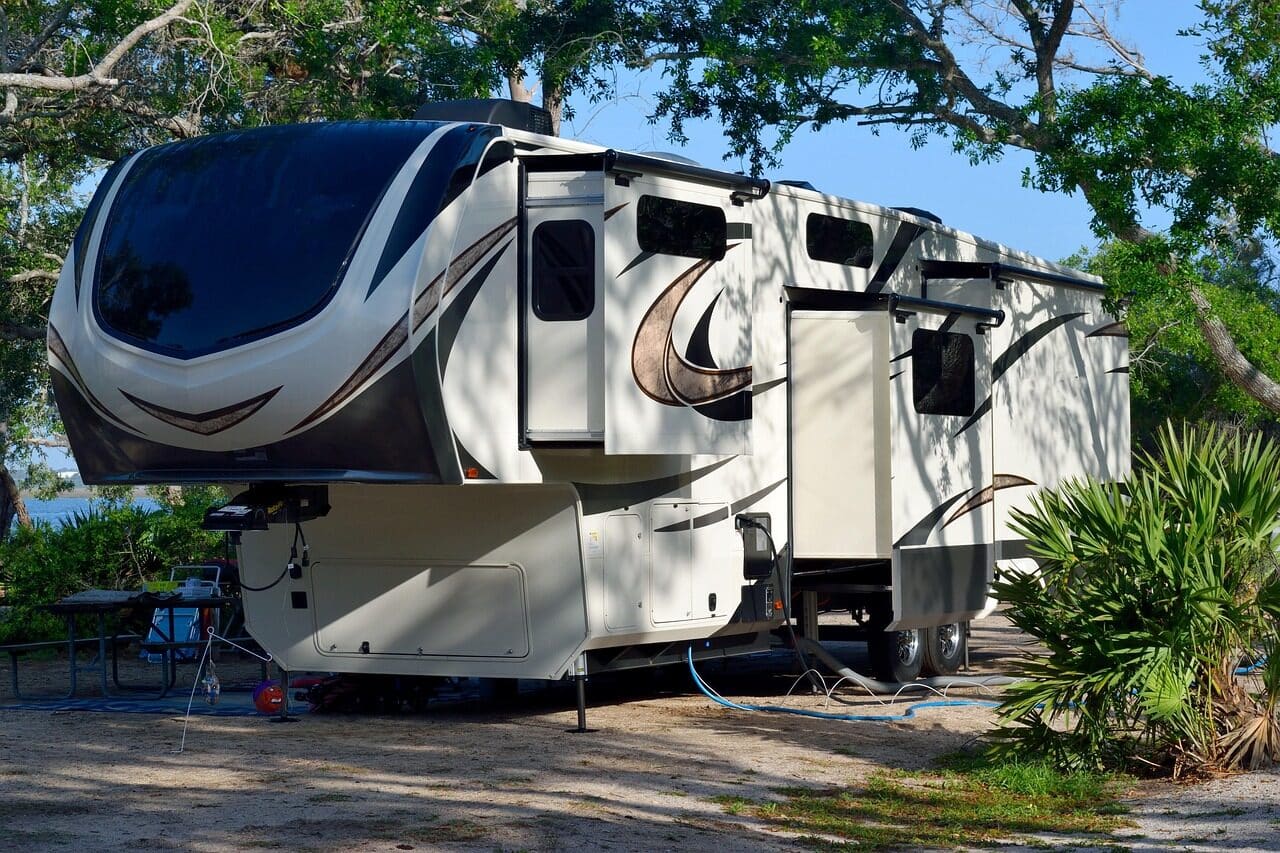
Fifth wheel transport involves hauling trailers that often exceed 10,000 pounds and 45 feet using heavy-duty pickups or semi trucks equipped with specialized hitches. Costs typically range from $4–$9 per mile, totaling $1,000–$15,000. Proper preparation, an FMCSA-compliant carrier, and accurate quote information make the process smooth and stress-free.
Fifth wheel trailers are among the largest towable RVs on the road, often exceeding 10,000 pounds and stretching up to 45 feet in length. Moving one isn’t like hitching up a small camper and heading down the highway. Fifth wheel transport requires specialized hitch systems, heavy-duty towing equipment, and drivers who understand how to handle oversized, heavy loads safely.
Whether you’re relocating across the country, buying from an out-of-state dealership, or heading south for the winter as a snowbird, understanding how fifth wheel transport works can save you time, money, and unnecessary stress. This guide breaks down seven essential things every fifth wheel owner should know before scheduling a move, from hitch mechanics to cost factors to the step-by-step delivery process.
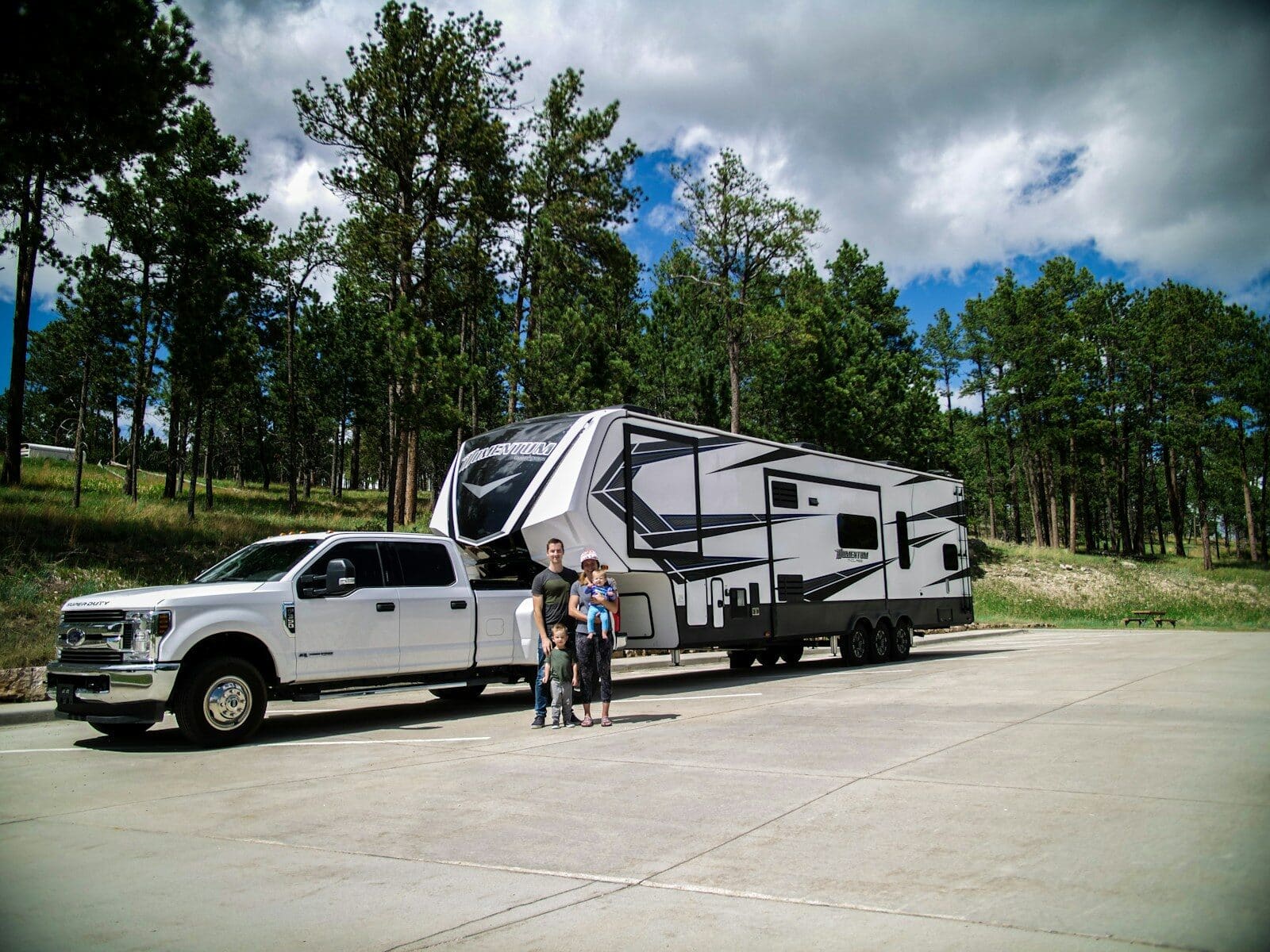
Photo by Matthew Osborn on Unsplash
What Is Fifth Wheel Transport?
Fifth wheel transport refers to the process of moving a fifth wheel trailer from one location to another, either by towing it yourself or hiring a professional hauling company. Fifth wheels differ significantly from traditional travel trailers because of their unique hitch design, larger size, and heavier weight. These differences make them popular for long-distance RV travel and full-time living, but they also make transport more complex.
For more on RV classifications and industry standards, the RV Industry Association offers helpful background on how fifth wheels compare to other towable trailers.
How Does a Fifth Wheel Hitch Work?
A fifth wheel hitch mounts directly in the bed of a pickup truck, rather than attaching to a rear bumper like a conventional trailer hitch. The hitch connects to a kingpin on the trailer’s frame, and because the hitch point sits directly above the truck’s rear axle, this design distributes weight more evenly across the tow vehicle.
This setup delivers several advantages over bumper-pull trailers:
- Better weight distribution across the truck’s frame
- Improved stability at highway speeds
- Less trailer sway, even in windy conditions
- Sharper turning radius for easier maneuvering
- Better overall maneuverability in tight spaces, like campgrounds or driveways
Why Are Fifth Wheel Trailers Different From Other RVs?
Fifth wheels are built with multi-level floorplans, higher ceilings, and larger living areas than standard travel trailers. That extra space comes from heavy-duty construction vehicles, which also means greater towing requirements. A vehicle capable of towing a bumper-pull trailer may not have the payload capacity or hitch compatibility needed for a fifth wheel.
1. Fifth Wheel Transport Requires Specialized Equipment
Moving a fifth wheel isn’t a job for just any tow vehicle. Because of their size and weight, fifth wheels typically require heavy-duty pickup trucks or semi trucks equipped with fifth wheel couplings. Professional transport companies use equipment built specifically for heavy RV hauling, including trucks rated for the trailer’s gross weight and hitch systems designed to handle the kingpin connection securely.
Transporting an oversized fifth wheel may also require permits, depending on its dimensions and the route traveled. Professional drivers who specialize in RV transport understand these requirements and ensure the heavy equipment passes safety inspections before hitting the road.
For a closer look at carrier safety standards that apply to commercial transport, the Federal Motor Carrier Safety Administration publishes regulations covering vehicle inspections and roadworthiness.
2. Know When Professional Fifth Wheel Transportation Services Make Sense
Not every fifth wheel move calls for a professional hauler, but many situations make hiring one the smarter choice. Consider professional transport if you’re:
- Moving across the country
- Purchasing a fifth wheel from an out-of-state dealership
- Making a seasonal snowbird move
- Relocating due to military orders
- Handling an estate move involving an RV
- Selling a fifth wheel to a private buyer
- Transporting dealer inventory between locations
Hiring a professional service eliminates the stress of towing a trailer you may not have experience hauling, and it removes the need to own or rent a tow vehicle rated for the job. Interstate Haulers, a nationwide RV and trailer transport company, provides fifth wheel hauling services throughout the lower 48 states, handling the logistics so you don’t have to.
3. Understand Fifth Wheel Transport Costs
Fifth wheel transport costs typically fall between $4 and $9 per mile, with total costs ranging from roughly $1,000 to $15,000 depending on the specifics of the move. These figures are typical ranges rather than guarantees, since several factors influence the final price.
What Affects Fifth Wheel Shipping Costs?
Shipping costs depend on distance, size, and shipping method. Pricing of fifth wheel shipping services depends on a combination of variables, including:
- Distance between pickup and delivery locations
- Trailer size and weight
- Height and width
- Route restrictions along the transport path
- Permit requirements for oversized loads
- Scheduling flexibility
Larger fifth wheels generally cost more to transport, and oversized units may require escorts or special permits, which can add to the total. The Federal Highway Administration’s Freight Management office provides general information on oversize freight regulations that can affect routing and permitting.
4. Prepare Your Fifth Wheel Before Pickup
Proper preparation helps ensure a smooth pickup and reduces the risk of damage during transport. Use this checklist before your scheduled pickup date.
Exterior Preparation
- Inspect tires for wear and proper inflation
- Check lug nuts for tightness
- Test all exterior lights
- Inspect brakes, if applicable
- Secure awnings
- Close roof vents
- Lock storage compartments
- Disconnect utilities
Interior Preparation
- Secure loose belongings
- Empty or pack breakable items
- Retract slide-outs fully
- Secure furniture so it doesn’t shift
- Remove valuables from the trailer
- Turn off propane
Documentation to Keep
- Take photos of the trailer’s exterior and interior
- Record any existing damage before transport
- Note current mileage, if applicable
- Verify VIN information matches your paperwork
For general towing and vehicle safety guidance, the National Highway Traffic Safety Administration offers resources on trailer safety and road readiness.
5. Choose the Right Fifth Wheel Transportation Company
Not all RV transport companies offer the same level of service. When evaluating a potential carrier, look for:
- FMCSA registration
- Insurance coverage appropriate for the load
- Experience hauling RV trailers specifically
- Nationwide coverage, if your move spans multiple states
- Transparent communication throughout the process
- No hidden fees in the quote
- Experienced, licensed drivers
- Positive customer reviews
Before booking, ask the company a few key questions: Are permits included in the quote? Are the drivers experienced with fifth wheel campers specifically? What insurance coverage applies during transport? How are delivery dates handled if conditions change?
You can verify a carrier’s registration and safety record through the FMCSA SAFER System, which maintains public records on licensed commercial carriers.
6. Know What Information You’ll Need for an Accurate Quote
Getting an accurate quote starts with providing complete information about your fifth wheel and your move. Most transport companies will ask for:
- Pickup ZIP code
- Delivery ZIP code
- Make
- Model
- Year
- Length
- Height
- Width
- Weight
- Number of slide-outs
- Tire condition
- Whether the trailer is roadworthy
- Desired transport dates
Providing accurate details upfront speeds up the quoting process and reduces the chance of price adjustments once a driver arrives for pickup.
7. What Happens During the Entire Fifth Wheel Transportation Process?
Understanding the full transport process from start to finish helps set expectations and reduces uncertainty. Here’s what a typical fifth wheel transport looks like, step by step:
- Request a quote. Share details about your fifth wheel and your pickup/delivery locations.
- Receive pricing. The transport company provides a cost estimate based on your trailer’s specifications.
- Schedule pickup. Confirm a pickup date and location that works for your timeline.
- Vehicle inspection. The driver inspects the trailer before loading to document its condition.
- Transport. Your fifth wheel is hauled to its destination using appropriate equipment.
- Delivery inspection. The trailer is inspected again upon arrival to confirm its condition matches the pre-transport inspection.
- Final acceptance. You sign off on the delivery, completing the transport process.
Throughout the process, a reliable transport company maintains communication, provides estimated delivery windows, conducts safety inspections, and offers driver updates along the route. For additional practical advice on RV ownership and towing best practices, RV Travel publishes articles geared toward everyday RV owners.

Photo by Abdulrahman Alyaarobi on Pexels
Why Choose Interstate Haulers for Fifth Wheel Transport?
Interstate Haulers has been family-owned since 1997, bringing nearly 30 years of experience to nationwide RV and trailer transport. The company provides specialized fifth wheel hauling alongside boat transport, travel trailer transport, and industrial trailer transport, all backed by FMCSA compliance and licensed heavy haul drivers.
Interstate Haulers focuses on personalized service, transparent quotes, and reliable communication from the first quote request through final delivery. It’s worth noting that Interstate Haulers does not transport Class A or B motorhomes; however, fifth wheels, as towable trailers, are fully supported. If you’re unsure whether your RV qualifies, it’s best to contact the company directly before booking.
Customers have shared their experiences working with the team. Steve G. noted, “Very professional outfit. Excellent organization and communication throughout the move. On-time and perfect delivery.” Sarah D. shared, “Kyle and Peter truly came through for our family when we needed it most. Five stars all the way!”
If you’re planning a fifth wheel move, request a free quote from Interstate Haulers to get started.
Frequently Asked Questions
How much does it cost to transport a fifth wheel?
Fifth wheel transport typically costs between $4 and $9 per mile, with total costs ranging from roughly $1,000 to $15,000. The exact price depends on distance, trailer size, weight, route restrictions, and permit requirements.
Who can move my 5th wheel camper?
A professional RV transport company equipped with heavy-duty towing equipment and experienced drivers can move your fifth wheel camper trailer. Interstate Haulers offers nationwide fifth wheel transport services across the continental United States.
How do you transport a fifth wheel?
Fifth wheels are transported using a semi truck or heavy-duty pickup equipped with a fifth wheel hitch, which connects to the trailer’s kingpin. The process includes a pre-transport inspection, the transport itself, and a delivery inspection to confirm the trailer arrived in the same condition.
Is there a way to move a 5th wheel without a truck?
Yes. You can move a fifth wheel without owning a truck by hiring a professional fifth wheel transportation company equipped with the proper towing equipment and experienced drivers.
Moving Your Fifth Wheel With Confidence
Fifth wheel transport involves more moving parts than most owners expect, from specialized hitch systems to permits, inspections, and careful preparation. Taking the time to understand the process, gather accurate quote information, and choose an experienced, FMCSA-compliant carrier makes the entire move far less stressful.