Starting a food trailer business requires choosing the right trailer size and layout, securing local permits, designing an efficient mobile kitchen, and building a strong brand. Food trailers typically cost less to launch and maintain than restaurants or food trucks — with startup costs ranging from approximately $50,000 to $175,000 depending on your trailer, customization, equipment, and launch needs — making them one of the most accessible entry points into mobile food entrepreneurship. Financing options are widely available and can cover the total cost of your trailer.
The food trailer industry is booming. According to Mordor Intelligence, the global food truck and trailer market is valued at $4.41 billion in 2025 and is projected to reach $6.46 billion by 2031. Festivals, breweries, farmers markets, and private events are all hungry for quality mobile food vendors — and a well-run food trailer can generate $346,000 or more in annual revenue, according to 2025 data from FoodTruckLease.com.
But success doesn’t happen by accident. Behind every thriving food trailer is a founder who did their homework — choosing the right equipment, understanding local regulations, designing a kitchen that works under pressure, and building a brand that keeps customers coming back.
This guide covers everything you need to know before your first service window opens: from picking the right trailer and planning your kitchen layout, to securing permits, crafting a profitable menu, and figuring out how to get your trailer where it needs to go.
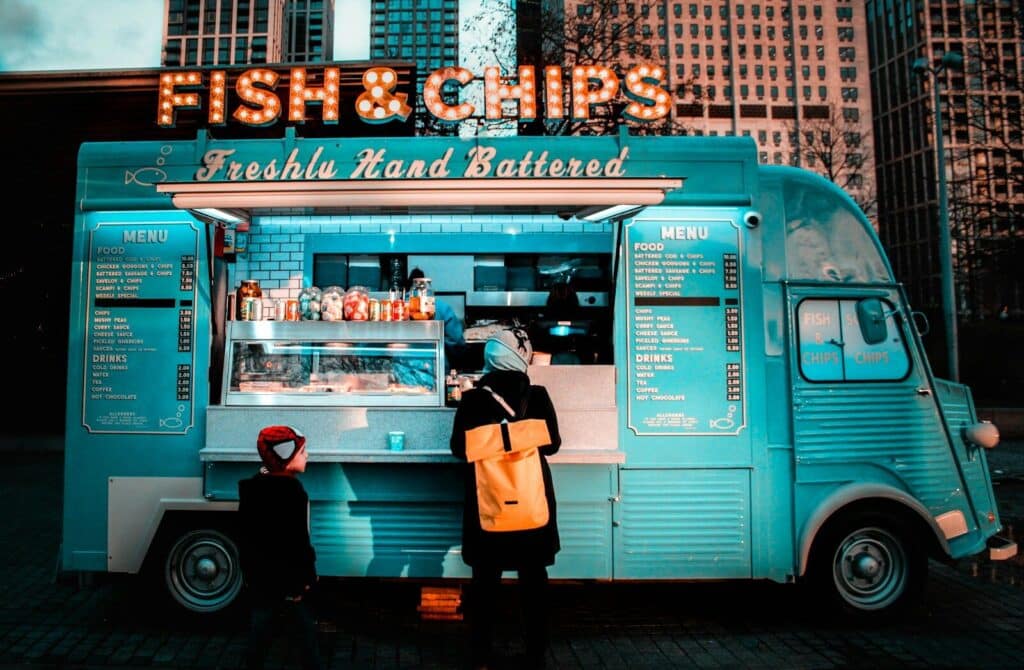
Photo by Joana Godinho on Unsplash
Why Is a Food Trailer a Smart Choice for First-Time Food Entrepreneurs?
Food trailers offer a compelling alternative to traditional restaurants and food trucks. The barriers to entry are lower, the overhead is leaner, and the flexibility to serve different locations and events is hard to beat.
Compared to a full-service restaurant — which can cost hundreds of thousands of dollars to open — food trailers are significantly more affordable to launch and operate day-to-day. They also launch faster. Because you’re not constructing a permanent space, you skip most of the construction delays and navigate fewer regulatory hurdles than a brick-and-mortar location requires. That means you can get to market — and to revenue — much sooner.
Food trailers also typically require fewer staff members than restaurants. You can often run a tight operation with one or two people, which reduces labor costs and simplifies scheduling considerably.
Lower fixed costs are another major advantage. Without the rent, utilities, and overhead of a permanent location, your financial exposure during slow seasons or economic downturns is much smaller. That safety net is especially valuable when you’re still finding your footing.
And when you’re ready to grow? A successful food trailer can serve as the foundation for expanding into a permanent restaurant location — giving you time to build your customer base, refine your menu, and prove your concept before making a bigger investment.
Popular food trailer concepts include:
- BBQ and smoked meats — consistent demand, loyal customer base
- Coffee and espresso — low food cost, fast service model
- Tacos and street food — high volume, simple prep
- Ice cream and desserts — strong seasonal revenue potential
- Smoothies and health food — growing market with premium pricing
None of these requires a massive kitchen. The key is matching your concept to your equipment — and that starts with choosing the right trailer.
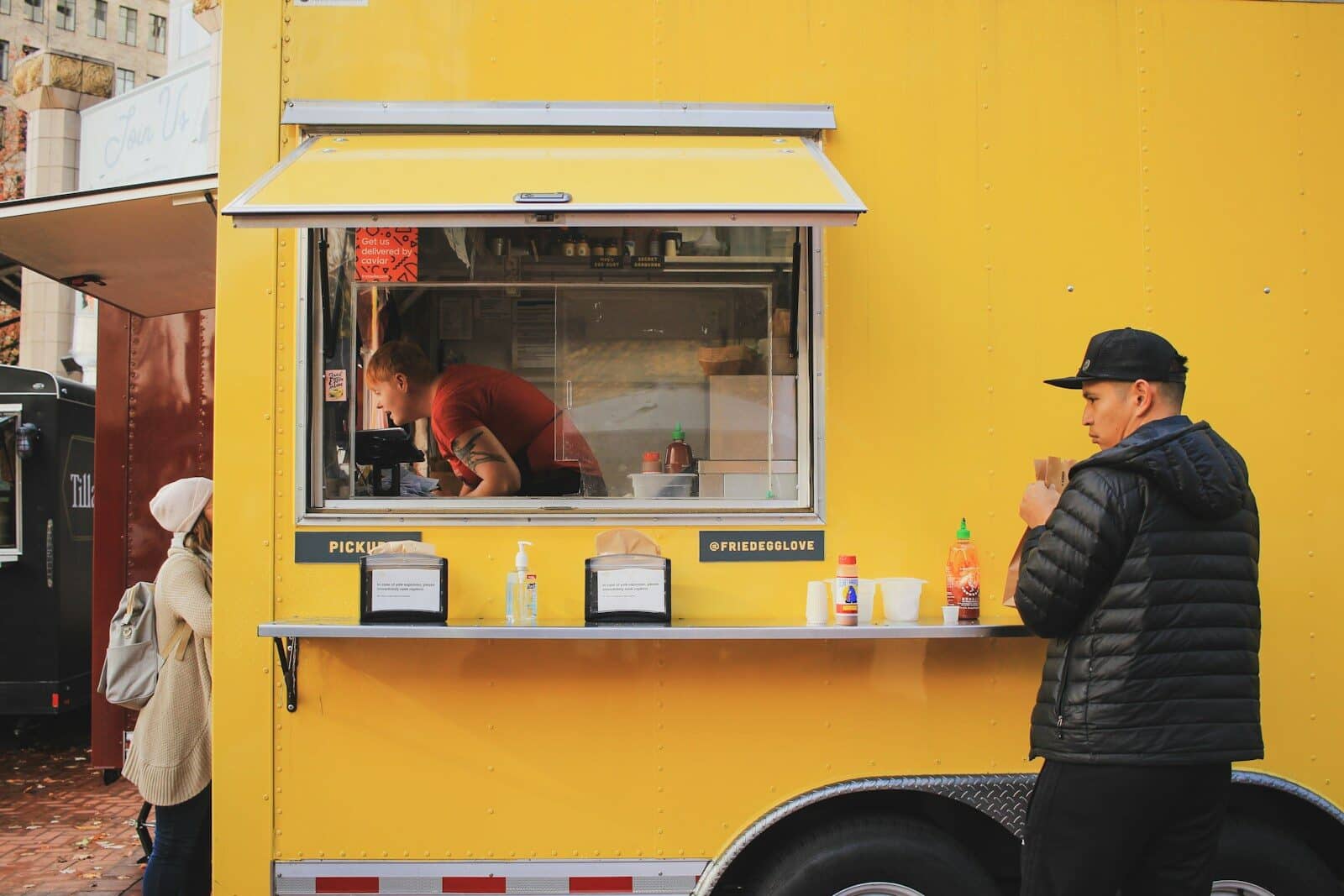
How Do You Choose the Right Food Trailer for Your Food Business?
Not all food trailers are created equal. A concession trailer designed for pre-packaged snacks has very different requirements than one built for a full BBQ operation. Before you browse listings or contact manufacturers, get clear on your business goals.
Food trailers are available in compact and larger sizes to suit different event needs and operational styles. Smaller trailers are easier to tow and park, while larger builds give you room for full cooking lines and multiple staff members. Think carefully about the types of events and venues you plan to serve — that will drive the right size decision.
Custom food trailers take this a step further. They can be designed specifically for your business concept, configured with high-quality kitchen appliances tailored to your menu, and built to comply with the health and safety regulations in your target market. A custom build ensures your kitchen works exactly the way you need it to — and that your exterior design reflects your brand from day one.
Questions to answer before purchasing:
- What menu will you serve, and what cooking equipment does it require?
- How many people will work in the trailer at once?
- Do you plan to operate from a fixed location, events, or both?
- Will you need a generator, water tank, or propane hookup?
- What towing vehicle do you already own or plan to purchase?
From there, size becomes clearer. Smaller trailers (8×10 to 8×14 feet) work well for simple concepts like coffee or pre-packaged foods. Larger builds (8×20 to 8×28 feet) give you room for full cooking lines, multiple staff members, and dedicated prep areas.
Custom trailer builds also let you specify service window placement, interior layout, appliance configuration, and power systems from the ground up. Many manufacturers offer standard floor plans you can customize — a worthwhile investment if your menu has specific workflow requirements.
📚 Resource: Mobile Food Experts offers a free guide comparing food trucks, concession trailers, and food booths — useful if you’re still deciding which format fits your concept.
What Are the Real Startup Costs of a Food Trailer Business?
Budgeting accurately from the start is one of the most important things you can do. Underestimating costs is one of the leading reasons mobile food businesses fail — and roughly 60% of food operations don’t make it past their first year (Bureau of Labor Statistics).
Food trailer prices commonly range from $30,000 to $120,000 depending on size, build quality, and how extensively the unit is customized. When you factor in permits, initial inventory, insurance, branding, and other launch expenses, total startup costs typically run from approximately $50,000 to $175,000. The wide range reflects real differences in trailer type, equipment choices, and market requirements — so building your own realistic estimate early is critical.
Here’s a realistic breakdown of food trailer startup expenses so you can pick the perfect solution for you:
|
Expense |
Estimated Cost |
|---|---|
|
Used food trailer |
$20,000–$50,000 |
|
New custom food trailer |
$35,000–$120,000 |
|
Commercial kitchen equipment |
$5,000–$20,000 |
|
Permits and licenses |
$500–$3,000/year |
|
Insurance |
$2,500–$5,500/year |
|
Initial inventory |
$2,000–$5,000 |
|
Branding and graphics |
$1,000–$5,000 |
|
Marketing |
$200–$1,000/month |
|
Transportation (if purchased out of state) |
Varies |
Beyond startup, plan for ongoing expenses: food costs typically consume 25–35% of revenue, and labor (if you hire staff) adds another 20–30%. The good news for owner-operators is that running the trailer yourself — often with just one or two people — can push net profit margins to 7–15%, compared to 6–9% when you have employees.
Financing your trailer: Many manufacturers and dealers offer financing options that can make a higher-quality trailer accessible upfront. Flexible financing plans can often be tailored to your budget, and in many cases, financing can cover the total cost of your trailer purchase. Platforms like UsedVending.com connect buyers with financing options and manage the entire sales process — buyers consistently report smooth transactions and clear communication throughout. It’s worth exploring financing early, since securing the right trailer doesn’t have to mean draining your cash reserves.
Most industry advisors still recommend having 3–6 months of operating capital in reserve before launch — roughly $15,000 to $30,000 on top of your startup investment.
📚 Resource: The U.S. Small Business Administration’s Business Plan Guide walks you through building a financial plan, including how to project revenue and expenses for a mobile food business.
How Should You Design an Efficient Custom Food Trailer or Mobile Kitchen?
A poorly laid-out kitchen costs you time on every single order. In a mobile food setting, that time directly equals money.
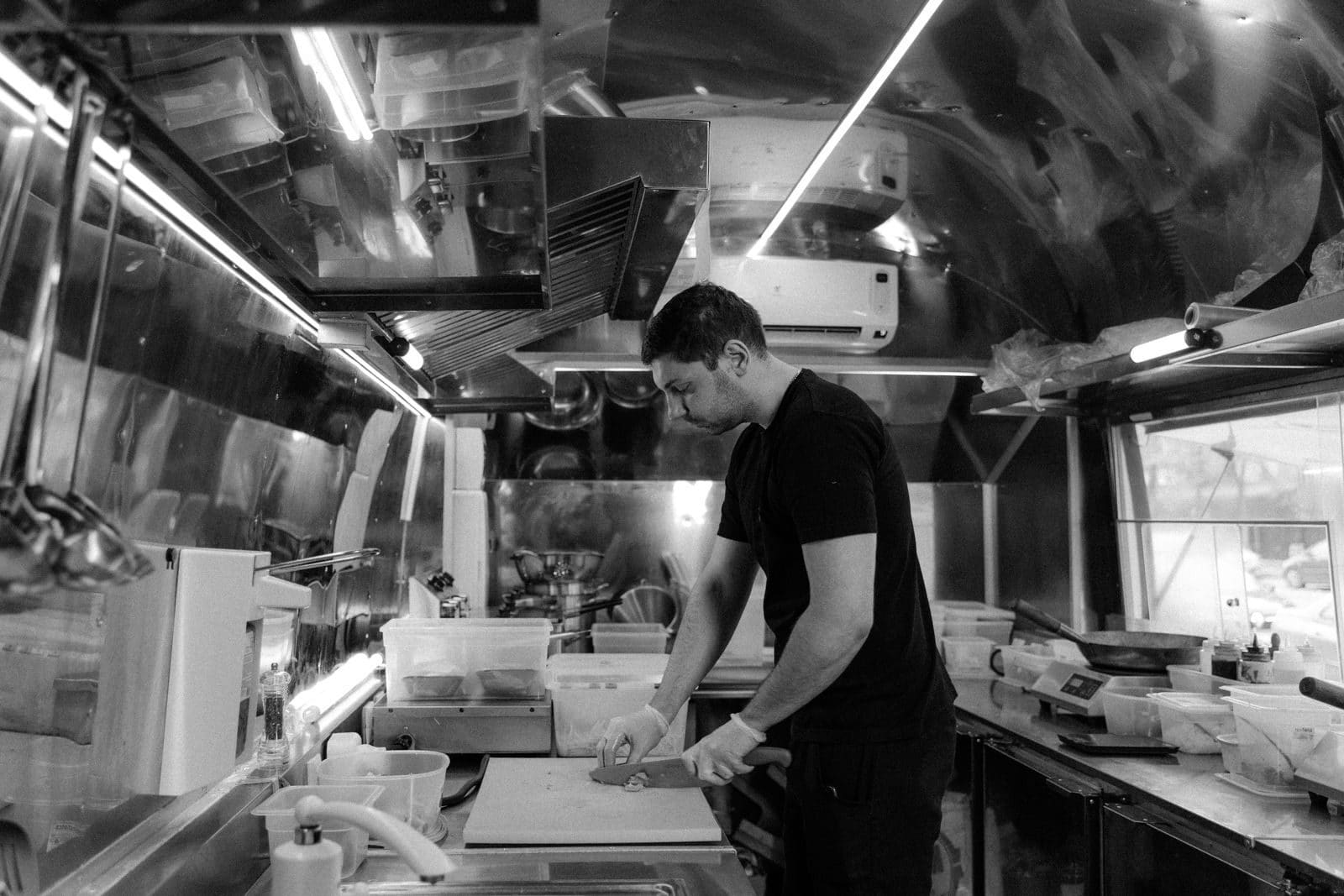
The goal is to create a workflow where food moves logically from storage to prep to cooking to the service window — with as little backtracking or crossing as possible. Most custom trailer builders divide the interior into distinct zones:
- Storage zone: Dry storage, refrigeration, freezer
- Prep zone: Cutting surfaces, small wares, ingredient staging
- Cooking zone: Fryers, grills, griddles, ovens
- Service zone: Holding equipment, packaging, POS terminal, service window
Key equipment considerations:
- Ventilation: A commercial hood system is typically required by health codes, especially over cooking equipment
- Power: Know whether your trailer will run on a generator, shore power, or both — and size accordingly
- Water systems: Most health codes require both freshwater and greywater tanks on mobile units. Some jurisdictions have specific plumbing requirements, so check with your local health department before finalizing your build
- Refrigeration: Reach-in units or under-counter refrigerators save space while maintaining food safety compliance
Custom food trailers can be built with all of these systems engineered to meet the specific health regulations in your target market — which is a major advantage if you plan to operate in a jurisdiction with strict requirements.
Before finalizing your layout, sketch out the sequence of every item on your menu from raw ingredient to completed dish. Your kitchen should support that flow naturally.
📚 Resource: Food Truck Operator covers equipment trends, kitchen design, and operational tips for mobile food businesses.
What Permits and Regulations Does a Food Trailer Business Need?
Regulations for food trailers vary significantly by state, county, and city — which is why researching your specific market before purchasing is essential. Operating without the right permits can result in fines, forced shutdowns, or both.
Common requirements include:
- Mobile food vendor permit or license from your local health department
- Food handler certifications for you and any employees
- Business license from your city or county
- Sales tax registration with your state revenue agency
- Fire safety inspection, especially if using propane or open flames — safety inspection requirements related to fire and health standards are non-negotiable in virtually every jurisdiction
- Zoning approvals for any fixed location or commissary arrangement
- Commissary kitchen agreement — most jurisdictions require food trailers to operate out of a licensed commissary kitchen for food prep and storage. This is a requirement you’ll need to plan and budget for early
Essential utilities — including adequate water infrastructure and the right safety systems — must also meet local code, and some health departments specify exactly how plumbing must be configured in mobile units.
Texas-specific update: Texas passed HB 2844, signed June 20, 2025. Starting July 1, 2026, food trailer operators in Texas will only need one state license to operate anywhere in the state — a significant simplification for vendors who travel between cities. Texas licenses are categorized as:
- Type I: Vendors selling pre-packaged, low-risk foods
- Type II: Limited food handling and prep (sandwiches, warming)
- Type III: Full cooking, prep, and service operations
Regardless of where you operate, confirming permit requirements with your local health department before you build or purchase can save weeks of delays.
📚 Resource: Texas DSHS Permits for Retail Food Establishments — the official permit application and requirements page for Texas food vendors.
📚 Resource: ServSafe — the National Restaurant Association’s platform for food handler and food manager certifications, widely recognized by health departments across the U.S.
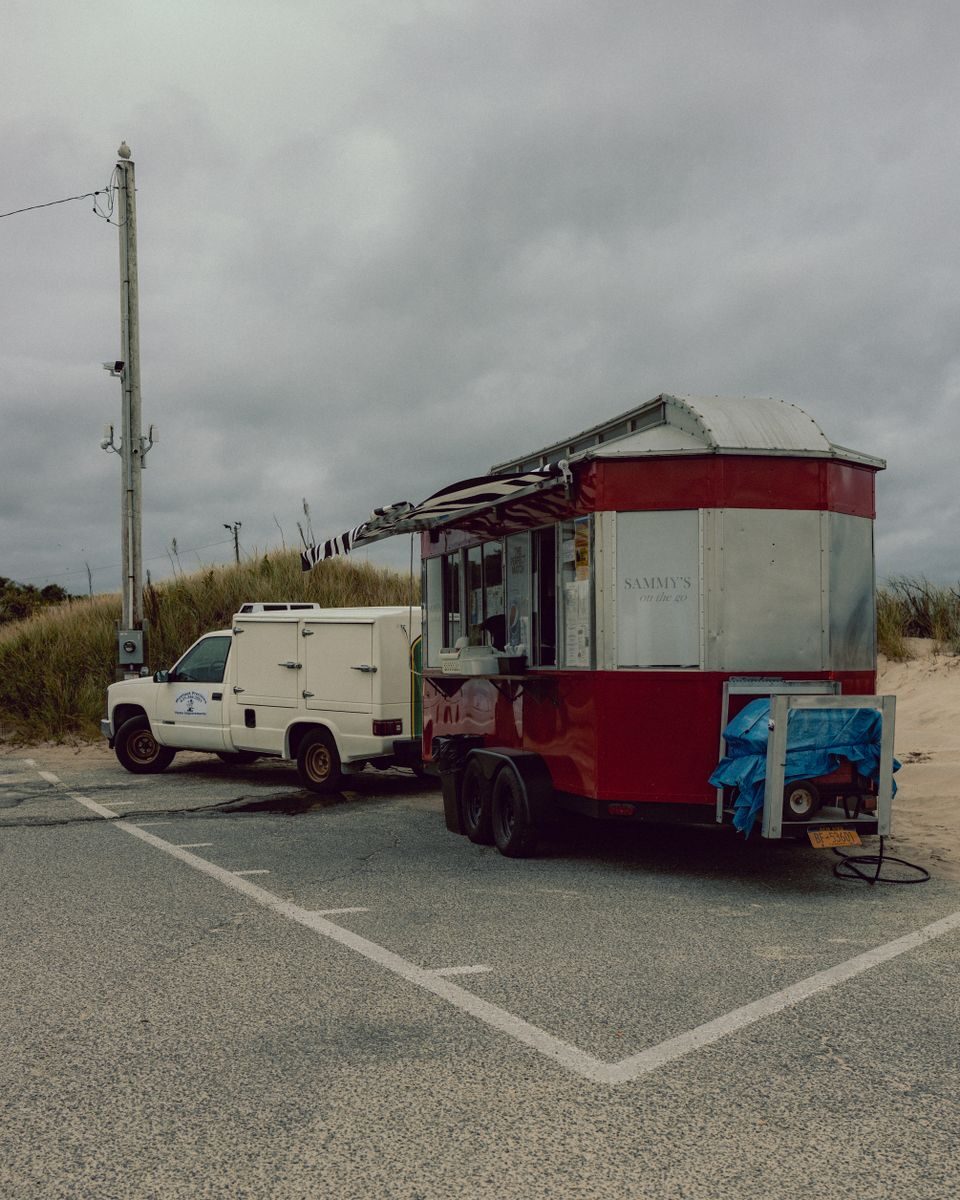
Photo by Yura Forrat on Pexels
How Do You Build a Menu That Works in Food Concession Trailers?
A great food trailer menu is focused, profitable, and executable under pressure. The temptation to offer variety is real, but a tighter menu almost always performs better in a mobile kitchen.
One of the real advantages of a food trailer over a traditional restaurant is how much easier it is to test menu ideas and pricing strategies before you commit. You can introduce specials at a few events, see what sells, adjust your prices, and evolve your menu based on real customer feedback — without the overhead and structural constraints of a permanent location.
According to FoodTruckLease.com, the most popular food trailer items by prevalence among operators are:
- French fries and potatoes (21% of operations)
- Burgers (19.2%)
- BBQ (15.3%)
- Fried chicken (11.7%)
- Tacos (10.2%)
These items are popular for good reason: high volume, strong margins, and customer familiarity. Food costs for well-managed operations typically land between 25–35% of revenue. Menu engineering — identifying your highest-margin, fastest-selling items and building around those — is one of the most effective tools for improving profitability.
Menu design principles for food trailers:
- Limit SKUs: Fewer ingredients mean less waste and faster service
- Reuse ingredients across multiple items: A single protein can anchor several dishes
- Price for location: A brewery crowd and a festival crowd may have different willingness to pay
- Test before committing: Offer limited specials at early events to gauge demand before printing permanent menus
What Does a Strong Food Trailer Brand Look Like?
Your trailer is a moving advertisement. The visual identity of your food trailer business — its name, logo, color scheme, and wrap design — is often the first impression customers get, even before they taste anything. Every time your trailer parks at a new location or rolls through a neighborhood, it’s building brand awareness.
Custom food trailer designs take this even further. A well-designed exterior wrap in bold, distinctive colors not only reflects your concept — it attracts customers from across a crowded event space or parking lot. Many operators find that a professionally branded trailer generates customer interest before the menu is even read.
A memorable brand makes your trailer recognizable across events and scrollable on social media. It builds the kind of familiarity that turns first-time visitors into regulars.
Key branding elements to develop:
- Name and logo that reflect your concept and are readable at a distance
- Full trailer wrap or partial graphics in bold, consistent colors — your trailer is a rolling billboard, so make it count
- Active social media presence on Instagram and TikTok, where food content performs exceptionally well. Posting your location, daily specials, and behind-the-scenes content keeps followers engaged and drives foot traffic
- Event participation — farmers markets, festivals, and community events aren’t just revenue opportunities. They’re marketing. Every appearance puts your brand in front of new potential customers
- A simple website with your menu, schedule, and contact information
- Online review management on Google and Yelp, particularly for any fixed location
Consistency matters more than a perfect food trailer. A cohesive look across your trailer, packaging, social channels, and signage signals professionalism — and professionalism builds trust.
📚 Resource: SCORE offers free mentoring and workshops for small business owners, including marketing strategy and branding guidance from experienced business advisors.
How Do You Find the Best Locations for Your Food Trailer?
One of the biggest advantages of a food trailer over a traditional restaurant is location flexibility. If one spot isn’t performing, you can move to where the customers are. That ability to follow foot traffic — to a festival one weekend and a corporate campus the next — is something a brick-and-mortar business simply can’t replicate.
Location can be the difference between $500 and $2,000 on any given day. FoodTruckLease.com data puts the daily revenue range for mobile food operators squarely in that window, with the gap coming almost entirely down to foot traffic and audience fit.
High-performing location types for food trailers:
- Craft breweries and taprooms (consistent evening crowds)
- Farmers markets and outdoor festivals
- Corporate campus or business district lunch service
- Weddings, private events, and corporate catering
- Sports events and community fairs
- Food trailer parks with dedicated customer bases
Food trailers can also operate with multiple revenue streams simultaneously — rotating between recurring locations, booked events, and private catering throughout the week. That diversification protects your revenue if one venue slows down.
The most successful operators test multiple locations before committing to a schedule. Track revenue at each spot and give new locations at least a few appearances before drawing conclusions — weather, competing events, and timing all affect results.
Building relationships with event organizers, brewery owners, and property managers is just as important as finding the right spot. A reliable vendor who shows up on time, keeps the area clean, and draws a crowd becomes a preferred vendor quickly.
What Does Food Trailer Maintenance Look Like in Practice?
A perfect trailer is both your kitchen and your business. Neglecting maintenance doesn’t just risk costly repairs — it can result in a failed health inspection or an unexpected shutdown during a busy event weekend.
Daily maintenance habits:
- Walk around the exterior before and after each use, checking tires and visible damage
- Wash down all cooking surfaces and equipment interiors
- Clean refrigerator and freezer units thoroughly
- Check propane connections and generator fluid levels
Scheduled maintenance tasks:
- Tires: Check grease cups every 500 miles, re-torque wheel nuts at the same interval, rotate regularly
- Hood and air filters: Clean regularly, schedule full inspections at least twice per year
- Roof exhaust: Clean at minimum once per month
- Generator: Follow manufacturer service intervals; test before every event
Keeping a written maintenance log protects you during health inspections and helps catch small problems before they become expensive ones.
📚 Resource: Concession Nation’s Food Trailer Maintenance Checklist provides a practical daily and scheduled maintenance guide for concession trailer operators.
Don’t Overlook Food Trailer Transportation
Many of the best food trailers — custom-built to spec, competitive pricing, exactly what you need — are manufactured or sold by dealers in another state. That’s common in this industry. Trailer manufacturers are concentrated in certain regions, and the right trailer for your business might be sitting in Texas, Florida, or the Midwest regardless of where you plan to operate with multiple innovative designs.
Transporting a brand-new trailer cross-country yourself adds mileage, wear, and stress at exactly the moment you’re trying to focus on launch logistics. That’s where professional trailer transport makes sense.
Interstate Haulers specializes in transporting specialty trailers across the continental United States. Whether you’re picking up a custom food trailer from a manufacturer, relocating your setup, or expanding with a second unit, Interstate Haulers’ experienced team handles the logistics — safely, reliably, and with the communication you need throughout the process.
Founded in 1997 and family-owned, Interstate Haulers has spent nearly three decades hauling high-value specialty loads for individual owners, dealers, and manufacturers nationwide. Getting your trailer from Point A to Point B shouldn’t be the hardest part of starting your business.
Ready to get your food trailer delivered? Request a quote from Interstate Haulers today or call (910) 295-2244.
Building a Food Trailer Business Worth Running
A food trailer business done right is genuinely exciting. It offers real financial opportunity, creative freedom over your menu and brand, and the kind of flexibility that traditional restaurants can’t match. Lower fixed costs reduce your financial risk, especially in the early stages. And because you can move to where customers are — and test your menu and pricing as you go — you’re building a smarter business from day one.
The operators who succeed are the ones who plan carefully before they spend — who think about workflow before they choose a kitchen layout, research permits before they lock in a location, and build a brand that makes people stop and look. The ones who fail are usually underfunded, under-permitted, or operating in the wrong location for their concept.
Start with a clear concept. Choose a trailer that fits your menu and your growth plans — and explore financing options early, since platforms like UsedVending.com can connect you with flexible plans and handle the buying process smoothly. Build a kitchen that works, secure the permits you need, and get your brand in front of customers before you even open your first service window. Then maintain your equipment like the investment it is — and when it’s time to move, transport it the right way.

Photo by Towfiqu barbhuiya on Unsplash
Frequently Asked Questions
How much does a food trailer usually cost?
Food trailer prices commonly range from $30,000 to $120,000 depending on size, configuration, and build quality. Used trailers can sometimes be found below that range, while highly customized builds with full commercial kitchen equipment may exceed it. When you add permits, initial inventory, insurance, branding, and other launch needs, total startup costs typically run from approximately $50,000 to $175,000. Financing options are widely available and can cover the total cost of your trailer — making it possible to launch with a higher-quality unit without paying everything upfront.
Are food trailers profitable?
Yes, food trailers can be profitable. According to 2025 data, the average mobile food operation generates roughly $346,000 in annual revenue. Net profit margins range from 6–9% for operations with employees and 7–15% for owner-operators. Top-performing owner-operated trailers can clear 20% or more. Food trailers also benefit from lower fixed costs than traditional restaurants, which reduces financial risk during slow periods. Profitability depends heavily on location, menu pricing, food cost management, and operational efficiency.
Is it cheaper to run a food trailer or a food truck?
Food trailers are generally cheaper to own and operate than food trucks. Trailers carry lower insurance premiums, fewer mechanical repair costs (no engine or drivetrain), and depreciate more slowly — making them the more financially accessible entry point for most first-time operators. They also require fewer staff members on average, further reducing operating costs. Compared to traditional restaurants, both formats offer significantly lower startup costs, fewer regulatory hurdles, and faster paths to opening day.
What permits does a food trailer need in Texas?
In Texas, food trailer operators currently need a mobile food vendor permit from the Texas Department of State Health Services (DSHS), along with applicable local city or county permits. Starting July 1, 2026, Texas HB 2844 simplifies the process: operators will only need one state license to serve across the state. Texas licenses fall into three types — Type I (low-risk, pre-packaged foods), Type II (limited prep), and Type III (full cooking operations). Fire safety inspections, commissary kitchen requirements, zoning rules, and local ordinances still apply regardless of state license status. Permit and licensing requirements vary significantly by location, so always confirm current requirements with your local health department before operating.
What are the most popular foods to sell from a food trailer?
According to industry data, the most widely offered items among mobile food operators are French fries and potatoes (21% of operations), burgers (19.2%), BBQ (15.3%), fried chicken (11.7%), and tacos (10.2%). These items are popular for their high volume potential, customer familiarity, and manageable food cost ratios. The best choice for your trailer depends on your local market, target audience, and how the menu fits your kitchen setup.
How do I find locations to park my food trailer?
Start by identifying high-foot-traffic venues in your area: craft breweries, farmers markets, festivals, business parks, and private event venues are all strong options. One of the key advantages of a food trailer is location flexibility — you can move to where your customers are, whether that’s a weekend festival, a corporate lunch crowd, or a community event. Reach out to event organizers, property owners, and local business associations. Many cities also have designated food trailer lots or parks. Test multiple locations, track your revenue at each, and build relationships with venue owners who value reliable vendors.
How do I find flexible financing options for a food trailer?
Many trailer manufacturers, dealers, and third-party platforms offer financing options designed specifically for food trailer buyers. Flexible plans can often be tailored to your budget, and financing can cover the total cost of your trailer in many cases. Platforms like UsedVending.com connect buyers with financing options and manage the full sales process — buyers consistently report smooth transactions and clear communication. If you’re exploring financing, compare terms from multiple sources and factor monthly payments into your operating cost projections before committing.