How much is a boat? Prices range from around $1,000 for a basic used vessel to well over $500,000—and into the millions for luxury yachts. Most new recreational boats fall between $25,000 and $150,000, with annual ownership costs that can add thousands more each year. The purchase price is only the beginning.
Shopping for a boat is exciting—and overwhelming. There are dozens of boat types, hundreds of brands, and price tags that span several orders of magnitude. A jon boat might cost the same as a used car. A yacht might cost more than a house. And somewhere in between sits the pontoon, the bass boat, the cabin cruiser, and the ski boat you’ve been eyeing for years.
So how much is a boat, really? The short answer: it depends. The longer answer requires a closer look at boat type, size, age, features, financing, and the ongoing costs that come after the sale.
This guide breaks all of that down clearly. It also addresses something most buyers don’t think about until after they’ve made a purchase: how to actually get the boat home. For buyers purchasing out of state—or those who simply don’t have the right towing setup—professional boat transport is a smart solution. That’s where Interstate Haulers comes in. Founded in 1997, Interstate Haulers is a family-owned, FMCSA-compliant transport company that has spent nearly 30 years safely moving boats of all sizes across the continental United States.
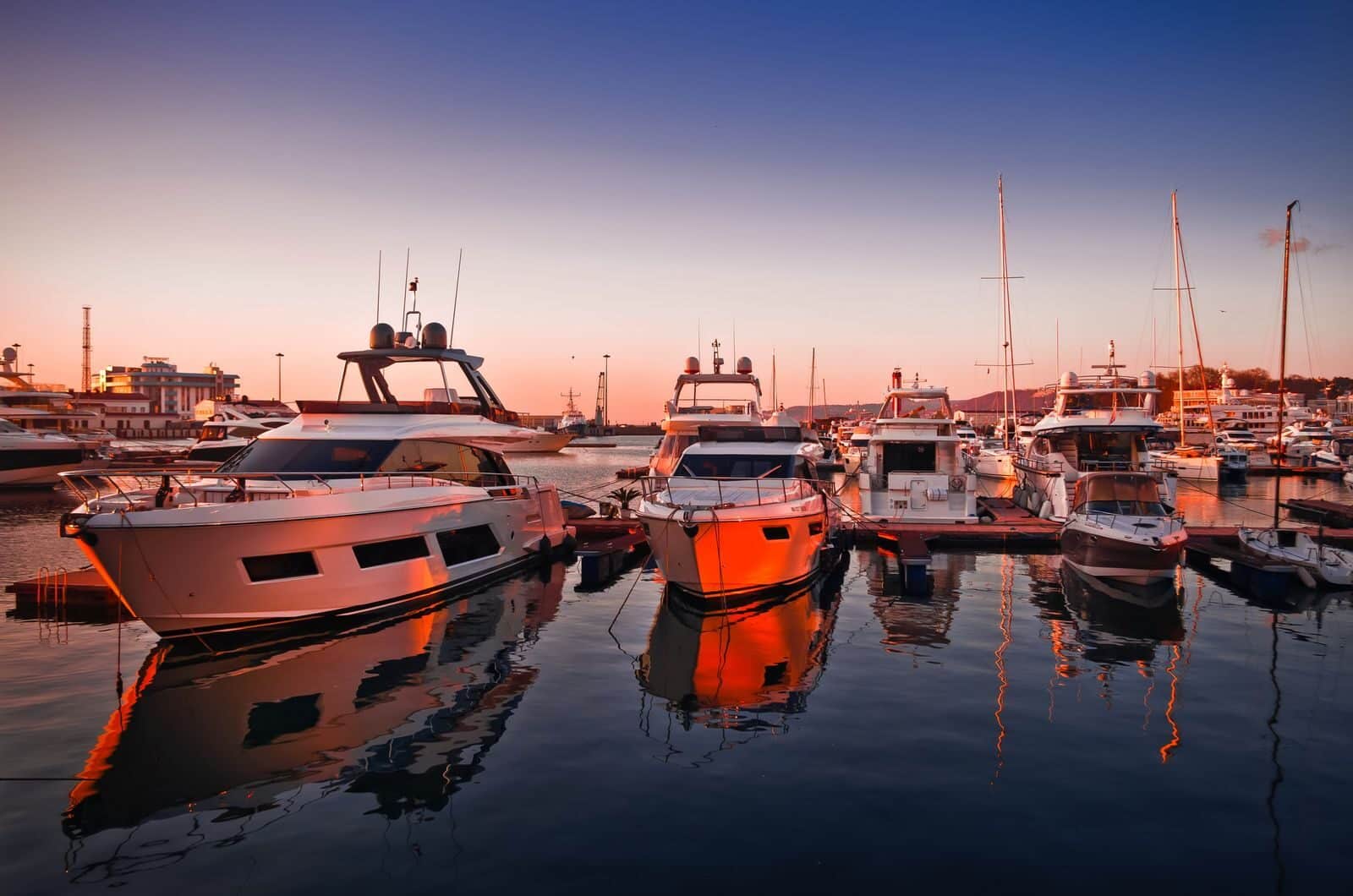
Photo by Элен Пройс on Pexels
How Much Does a Boat Cost? Understanding Today’s Prices
The average cost of a boat can range from about $1,000 for a modest used vessel to well over $500,000 for a large, feature-packed model—and into the millions for luxury yachts. That’s a massive span, and where you land depends on a handful of key factors.
Prices for brand new boats in the U.S. can differ significantly based on type, ranging from around $500 for the smallest options to $10 million for high-end luxury builds. When all new boat sales are averaged together, the figure lands around $174,000 in 2025—though that number is heavily skewed by premium and yacht-class vessels. For context, the average new boat cost around $42,000 in 2018, illustrating how much prices have shifted in recent years.
Used boats tell a different story. The average used boat sold for around $10,000 in 2018, and used vessels today can often be found for less than 50% of new prices—making the secondary market a strong option for budget-conscious buyers.
Here’s a breakdown of typical 2025 price ranges by boat type:
|
Boat Type |
Typical Price Range |
|---|---|
|
Jon boat |
$1,000–$48,000 |
|
Fishing boat (midsize) |
$15,000+ |
|
Bowrider (midsize) |
$15,000–$30,000 |
|
Pontoon boat |
$30,000–$200,000 |
|
Bass boat |
$20,000–$90,000 |
|
Center console boat |
$30,000–$1,000,000+ |
|
Sailboat (small-to-midsize) |
$30,000+ |
|
Trawler |
$30,000–$150,000+ |
|
Catamaran |
$60,000–$5,000,000+ |
|
Cabin cruiser |
$150,000+ |
|
Yacht |
$500,000–millions |
Several factors determine where a specific boat lands within these ranges:
- Size — bigger boats cost more to build, fuel, and store
- Type — a bass boat and a yacht live in entirely different financial universes
- Engine power — more horsepower typically means a higher price tag
- Brand reputation — established manufacturers command a premium
- Geographic location — boat prices vary significantly by region, and the same model can cost noticeably more or less depending on where you shop
- Features and electronics — GPS systems, fish finders, stereos, and live wells all add to the final price
Boat Type Plays the Biggest Role in Price
No single factor affects a boat’s cost more than its category. Here’s a closer look at the most common types:
Pontoon Boats
Pontoon boats are the family-friendly, versatile choice for calm lakes and rivers. A new pontoon runs $30,000 to $200,000, with luxury tri-toon models at the higher end of that range. Their broad decks, stable rides, and entertainment-friendly layouts drive steady demand—and pricing.
Bass Boats
Built for speed and angling performance, bass boats typically run $20,000 to $90,000 new. They come equipped with rod holders, live wells, and powerful outboard engines suited to competitive and recreational freshwater fishing.
Center Console Boats
Center console boats are popular for both inshore and offshore fishing. Prices start as low as $30,000 for smaller models and can exceed $1 million for high-end offshore builds loaded with technology and twin-engine configurations.
Yachts
Yachts occupy a category all their own. Expect to pay $500,000 to several million dollars for a new yacht, with ongoing operating costs that reflect their size and complexity. For buyers purchasing a yacht from a distant seller, professional transport isn’t just convenient—it’s essential.
New Boat vs. Used: Where the Real Savings Hide Beyond the Price Tags
The new-vs.-used debate doesn’t have a universal answer. Both have distinct financial implications.
New boat advantages:
- Full manufacturer’s warranty
- Latest technology and safety systems
- Custom configuration options
- Lower maintenance costs in early years
Used boat advantages:
- Significantly lower purchase price
- Most depreciation has already occurred
- More affordable entry into larger or more capable vessels
- Wider selection in certain categories
One of the most important things to understand about depreciation: new boats depreciate about 10% in the first year, and new models typically lose value faster than used ones. Letting someone else absorb that initial drop can save you thousands. In fact, used boats can often be found for less than 50% of their original new price once they’ve cycled through the early depreciation curve.
Before purchasing any used boat, inspect the engine, hull integrity, maintenance records, hours of operation, and trailer condition. A pre-purchase survey from a certified marine surveyor is a worthwhile investment—typically $20–$25 per foot of the boat’s length.
Photo by Maxi am Brunnen on Unsplash
When to Buy: Timing Matters
If you want to stretch your budget, pay attention to the calendar. Buying during late fall or winter usually yields lower prices than spring. Demand cools when the weather does, and dealers are more motivated to negotiate to move inventory. Shopping in the off-season for the same boat you’d buy in April or May can result in meaningful savings.
Financing Your Boat
Most boat buyers finance their purchase. You have a few solid options:
- Boat loans — designed specifically for marine purchases
- Personal loans — flexible and often quick to secure
- Dealership financing — convenient, arranged at the point of sale
Your monthly payment will depend on the loan amount and the interest rate you qualify for. A larger loan or a higher rate means a bigger monthly bill. A smaller down payment stretches the loan term and raises total interest paid. It pays to compare lenders before signing.
Current boat loan rates generally fall between 7% and 10% for well-qualified borrowers. For a $50,000 boat with a 20% down payment financed over 15 years at 7.5%, monthly principal and interest payments would be approximately $370–$400—before insurance, boat storage, fuel, and maintenance.
Annual Ownership Costs: The Numbers After the Sale
Here’s where many first-time buyers get caught off guard. Ongoing costs can exceed the initial purchase price over time. Budgeting for them from the start keeps surprises to a minimum.
Insurance
Boat insurance typically adds around 1.5% of the boat’s value annually. More broadly, insurance costs can range from 1% to 5% of the insured value per year, depending on coverage level, boat type, and where you operate. On a $50,000 boat, that’s $500–$2,500 per year. Some states require insurance by law.
Boat Maintenance
Annual maintenance costs can run 5% to 10% of the boat’s value. For a $30,000 used vessel, that’s $1,500–$3,000 per year. Routine engine servicing and higher fuel consumption can add thousands to your annual budget, particularly on older or larger boats. Common maintenance expenses include engine oil changes, hull cleaning, winterization, battery replacement, and general repairs.
Fuel
Fuel costs depend on boat type and usage frequency. A small aluminum fishing boat that goes out occasionally will sip fuel. A large cabin cruiser running full weekends will consume it. A five-hour motorboat outing can cost over $300 in fuel alone. The more horsepower and hours on the water, the higher this line item climbs.
Storage
Where you keep your boat matters—financially and logistically. Storing a boat can cost from a few hundred dollars to over a thousand dollars monthly, depending on the option you choose:
- Marina slip rentals can range from a few thousand dollars a year to much higher, depending on the boat’s length and location
- Dry stack indoor storage runs approximately $50 per foot per season
- Outdoor shrink-wrap storage costs $10–$15 per foot
- At-home trailer storage is the most affordable option, though HOA rules may apply
Boat Registration and Taxes
Every U.S. recreational vessel requires registration. State-mandated annual registration fees and local sales tax apply to boat ownership, and these vary significantly by state. Factor both into your total purchase cost before finalizing any deal.
Hidden Expenses Many First-Time Buyers Forget
Budget carefully—these costs add up faster than most buyers expect:
- Boat trailer: $700–$10,000+ depending on size and construction
- Towing vehicle requirements: Larger boats need trucks with adequate tow ratings
- Safety equipment: Life jackets, fire extinguisher, flares, VHF radio, and anchor are legally required in most states
- Electronics and accessories: GPS, fish finders, stereo systems, and lighting
- Dock fees: Often charged separately from seasonal slip rental at marinas
- Pre-purchase survey: $20–$25 per foot for a used boat inspection
- Delivery and transport: Frequently overlooked, especially for out-of-state purchases
That last expense deserves a closer look.
Buying a Boat Out of State? Don’t Overlook Transportation
Online marketplaces have made it easier than ever to find your dream boat—but the best deal is often hundreds or even thousands of miles away. A buyer in Ohio might find the perfect bass boat listed in Louisiana. A retiree in Arizona might purchase a cabin cruiser from a seller in the Pacific Northwest.
Getting that boat home isn’t always straightforward. Common challenges include:
- The boat is sold without a trailer, making road transport impossible without one
- The buyer lacks the right tow vehicle or hitch setup for the boat’s size and weight
- Large boats may require special permits or oversize load routing
- Time constraints make a multi-day drive-and-haul unrealistic
- The buyer simply doesn’t want to take on the risk and physical effort of a long-haul tow
These are exactly the situations where professional boat transport provides clear value.
Photo by Lukas Blazek on Pexels
Why Professional Boat Transport Protects Your Investment
Interstate Haulers has been solving this problem for buyers, dealers, and manufacturers since 1997. As a family-owned, FMCSA-compliant transportation company, Interstate Haulers specializes in moving boats across the continental United States—with or without a trailer.
Here’s what working with Interstate Haulers looks like in practice:
- Boats with or without trailers: Interstate Haulers coordinates the right hauling setup regardless of whether your vessel comes with its own trailer
- Nationwide reach: Service covers the entire continental U.S., from the Gulf Coast to the Pacific Northwest
- Personalized logistics planning: The team works with each customer to coordinate pickup and delivery, so nothing is left to chance
- Consistent communication: Clients receive updates throughout the transport process—no guessing, no radio silence
- Proven safety record: With nearly 30 years of experience and FMCSA compliance, Interstate Haulers handles high-value recreational assets daily
- Broad client base: Services extend to individual owners, marine dealerships, manufacturers, freight forwarders, and government agencies including FEMA disaster response
For buyers who’ve spent months researching and comparing options—and significant money securing the right vessel—handing off the transport to experienced professionals is a practical way to protect that investment from the moment of purchase.
To get a fast, no-hassle transport quote, call Interstate Haulers at (910) 295-2244 or submit a quote request at interstatehaulers.com.
Practical Tips for Budgeting Before You Buy
Before committing to any purchase, run the full numbers. Here’s a checklist to get started:
- Set a total ownership budget, not just a purchase budget. Add 5%–10% per year in ongoing costs to whatever you spend upfront.
- Compare the same model across multiple sellers and regions. Boat prices vary significantly by geographic location—shopping broadly can yield better deals.
- Get an insurance quote before you buy. Some boats are more expensive to insure than buyers expect. Budget for 1%–5% of the insured value annually.
- Estimate annual maintenance realistically. Use the 10% rule for used boats and 5% for newer ones as a baseline.
- Price out storage options in your area. Marina slip fees and dry storage rates vary dramatically by region and boat size.
- Budget for fuel based on intended use. More horsepower and more time on the water means more spent at the pump.
- Consider timing your purchase. Late fall and winter typically offer better deals than peak spring shopping season.
- Include transport in your total purchase cost. If the boat is out of state, get a transport quote before finalizing your offer.
- Think in five-year increments, not just year one. Depreciation, repairs, and aging components all add up over time.
Why Buyers Across the Country Trust Interstate Haulers
When the purchase is done and the paperwork is signed, the boat still has to get from Point A to Point B safely. That’s not the moment to improvise.
Interstate Haulers brings nearly 30 years of family-owned reliability to every haul. The company’s transparent quoting process, personalized customer service, and experience with boats of all sizes—from small fishing boats to large cabin cruisers and oversized vessels—make it a trusted partner for buyers who want the job done right.
Whether the boat is on its own trailer or needs to be staged and loaded from scratch, Interstate Haulers’ team handles the logistics from coordinated pickup through final delivery. Customers can focus on planning their first trip on the water. The transport is handled.
Ready to move your boat? Request a quote from Interstate Haulers today or call (910) 295-2244.
Bringing It All Together: What to Know Before You Buy
How much is a boat? Anywhere from about $1,000 to several million dollars—and the right answer depends entirely on the buyer’s intended use, available budget, and long-term goals. A recreational fisherman and a coastal cruiser have very different needs, and very different price points.
The purchase price, however, is only one piece of the puzzle. Annual maintenance, fuel, storage, insurance, financing, registration fees, and transport all contribute to the true cost of boat ownership. Those costs can exceed the original purchase price over time. Buyers who account for each of these expenses upfront are the ones who enjoy their boats for years without financial regret.
When it’s time to bring your perfect boat home—whether it’s across town or across the country—Interstate Haulers provides the safe, reliable, nationwide transport you need. Founded in 1997 and backed by nearly three decades of experience, Interstate Haulers is the team that takes care of the details so you can focus on the open water ahead.
Frequently Asked Questions
What is the average cost of a boat in 2025?
The average new boat costs around $174,000 in 2025 when all categories—including luxury yachts—are included. Most new recreational boats fall between $25,000 and $150,000. Used boats offer significantly lower entry points; vessels can often be found for less than 50% of new prices, and basic fishing boats or older pontoons may sell for well under $20,000 on the secondary market.
How much did boats cost in 2018?
The average new boat sold for around $42,000 in 2018, while the average used boat sold for around $10,000. Prices have risen significantly since then, driven by demand, supply chain disruptions, and rising material costs.
What is the monthly payment on a $50,000 boat loan?
Monthly payments depend on the interest rate, loan term, and down payment. With a 20% down payment ($10,000), a 15-year term, and a 7.5% rate, monthly principal and interest payments would be approximately $370–$400. Use a boat loan calculator to model your specific scenario before committing.
Can you buy a boat for $20,000?
Yes. At the $20,000 price point, buyers can find used fishing boats, smaller aluminum boats, older pontoon boats, and entry-level bowriders in good condition. The used market at this price range is active and offers genuine value, particularly for buyers willing to handle basic maintenance themselves.
What annual costs should I expect after buying a boat?
Expect to budget for maintenance (5%–10% of the boat’s value annually), fuel (varies by boat type and usage frequency), storage ($1,000–$5,000+ per season at a marina, or a few hundred to over $1,000 monthly for other options), insurance (1%–5% of insured value annually, often around 1.5%), and state registration fees. Routine engine servicing and fuel consumption alone can add thousands to your annual budget.
How much does it cost to transport a boat across the country?
Boat transport costs vary based on boat size, distance, trailer availability, and whether oversize permits are required. The best way to get an accurate number is to request a direct quote. Interstate Haulers provides fast, transparent quotes for nationwide boat transport—with or without a trailer—at interstatehaulers.com or by phone at (910) 295-2244.
Helpful Links and Resources To Check Out Before Purchasing A Boat
- Discover Boating – Boat Buyer’s Guide: A practical overview of how to choose a boat, compare new vs. used, and think through financing and ownership. 1
- BoatUS Foundation – Boating Safety Courses: Helpful for first-time buyers who also need to understand safety basics and boater education requirements. 2
- U.S. Coast Guard Boating Safety Division: A strong resource for official boating safety information, regulations, and general ownership guidance. 3
- National Marine Manufacturers Association (NMMA): Useful for broader recreational boating industry information and standards-related context. 4
- NOAA Ocean Service: Great for learning about navigation, weather awareness, and responsible time on the water. 5
- Take Me Fishing – Boating and Fishing Basics: Beginner-friendly educational content around getting started with boats and enjoying time on the water. 6
- BoatTEST – Boat Reviews and Educational Content: Offers boat reviews, walkthroughs, and helpful educational material for buyers researching different boat types.