
Owning a boat is an exciting investment that opens the door to fishing trips, family outings, and unforgettable time on the water. But like any valuable asset, a boat should be properly protected with reliable boat insurance.
Many boat owners researching coverage options come across Progressive boat insurance, one of the well-known providers offering policies for recreational watercraft. However, understanding how coverage works and what a policy includes is essential before choosing any insurance provider.
In this guide, we’ll explain how boat insurance works, how Progressive boat insurance is structured, common coverage options, and why insurance considerations matter when transporting a boat.

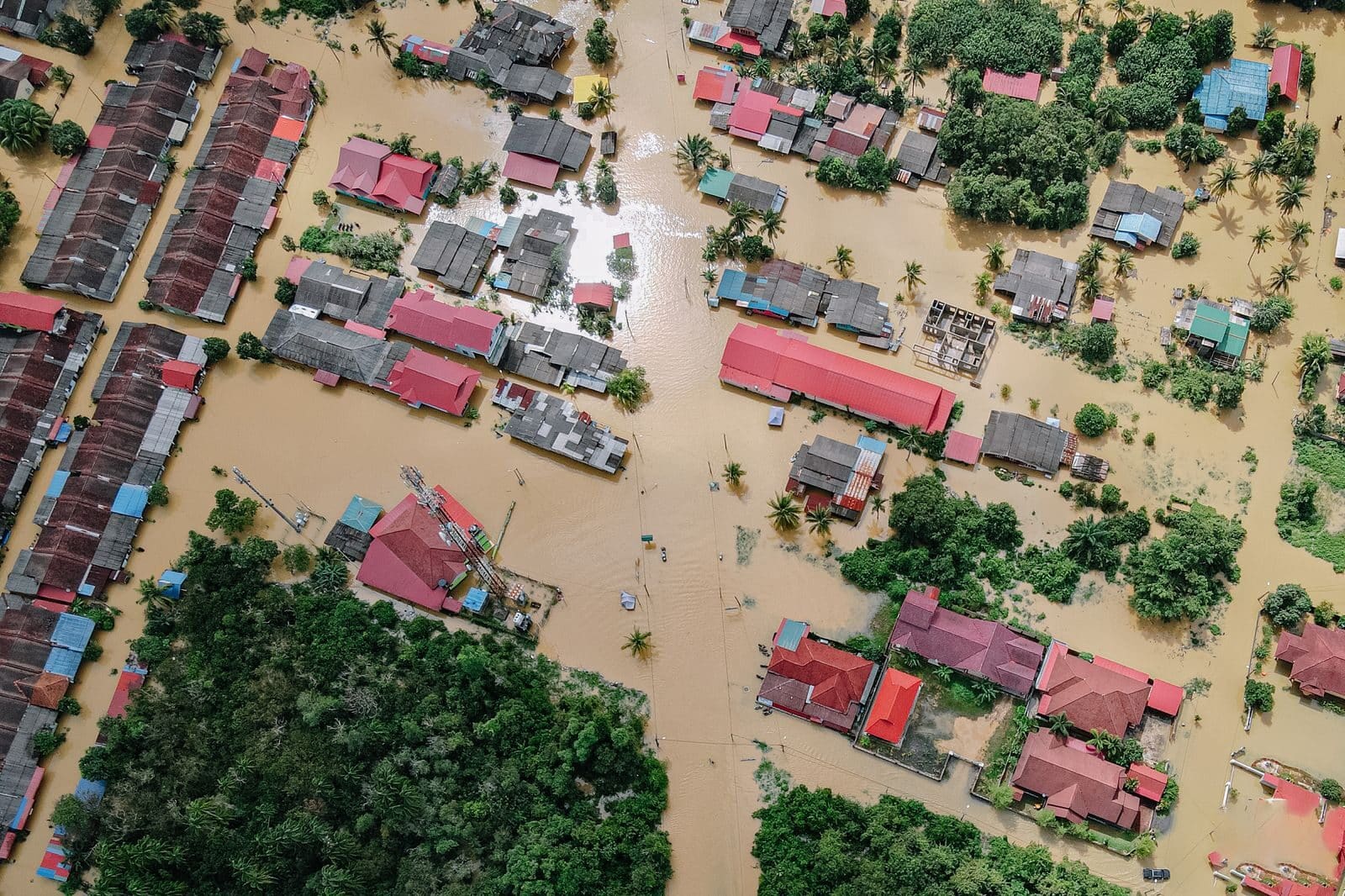
Photo by Efrem Efre on Pexels
What Boat Insurance Covers
Before exploring specific providers like Progressive, it’s important to understand what a typical boat insurance policy covers.
Boat insurance is designed to help protect boat owners financially if an accident, damage, or liability issue occurs while using or storing their vessel.
Most policies include coverage for situations such as:
- Property damage caused by a boating accident
- Liability if your boat damages another vessel or dock
- Damage from storms, fire, or theft
- Injuries to passengers or others on the water
If a boat is involved in an accident or damage occurs, owners may file a claim with their insurer to help cover repair costs.
Without insurance, boat owners may have to pay these expenses out of pocket, which can become extremely expensive depending on the situation.
For this reason, many lenders and marinas require boat insurance before allowing boats to be financed or docked.

Photo by Alexander Grey on Unsplash
How Progressive Boat Insurance Works
Progressive boat insurance is one of several insurance options available to boat owners. Progressive offers policies for many types of watercraft, including fishing boats, pontoons, and personal watercraft.
The company allows customers to request a quote online and compare coverage options before purchasing a policy.
Typically, the process works like this:
- Boat owners enter information about their boat, including size, type, and estimated value.
- The insurer evaluates risk factors such as location, boat usage, and ownership history.
- The system generates a quote outlining coverage limits, deductibles, and optional add-ons.
- Customers review the terms and choose a plan that fits their needs.
Once the policy is active, coverage typically continues for a year, although policies can often be renewed annually.
Like other insurance companies, Progressive offers different coverage levels depending on how the boat is used and where it is stored or operated.
Access Issues When Researching Insurance Online
While researching Progressive boat insurance online, some users may encounter website messages such as access denied or warnings about permission to access HTTP pages.
For example, a visitor attempting to open access to http://www.progressive.com may occasionally see security alerts or blocked access messages.
These issues can occur for several reasons, including:
- Website security filters are detecting unusual activity
- Automated traffic detection blocks potential bot behavior
- Temporary server restrictions
- Browser compatibility problems
In some cases, users may see error messages referencing systems like https://errors.edgesuite.net or similar security platforms.
These alerts do not usually indicate a problem with the insurance provider itself. Instead, they are part of website protection systems designed to prevent unauthorized access or automated attacks.
If a visitor receives an access denied message, they can typically resolve the issue by refreshing the page, using a different browser, or accessing the website again later.
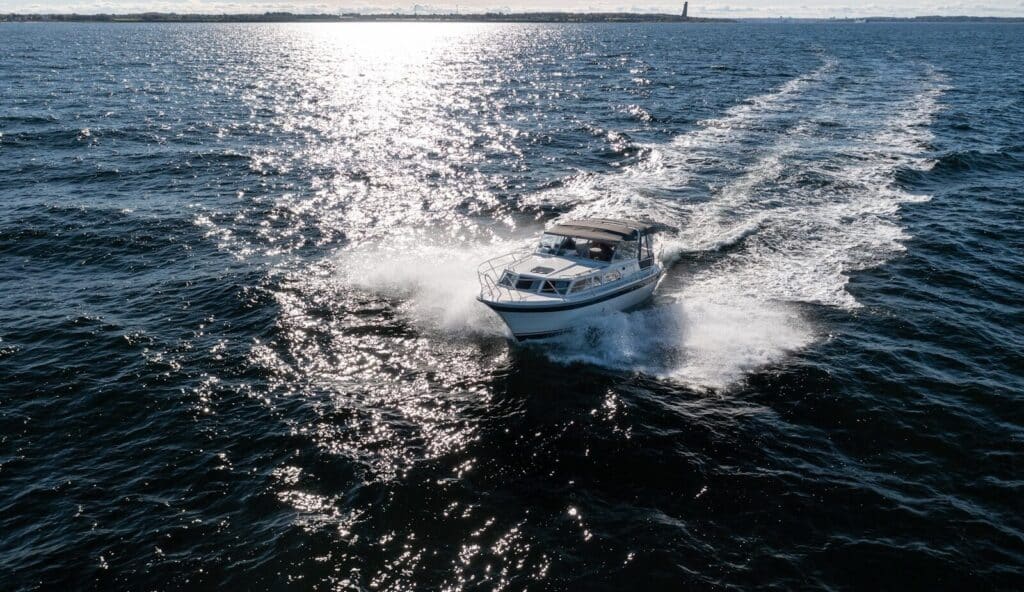
Photo by Michael Held on Unsplash
Common Coverage Options
Many boat insurance policies offer several types of protection. When comparing options like Progressive boat insurance, owners should review the coverage carefully.
Common coverage options include:
Liability Coverage
Liability coverage helps pay for damages or injuries caused by your boat.
For example, if your boat accidentally damages another vessel or dock, liability insurance can help cover the property damage costs.
Physical Damage Coverage
This coverage protects the boat itself.
If the vessel is damaged due to an accident, storm, or theft, insurance may help pay for repairs or replacement based on the boat’s value.
Towing and Assistance
Some policies include optional towing coverage if your boat breaks down on the water.
This feature can be especially helpful during long boating trips or when operating far from shore.
Optional Coverage Add-Ons
Many policies also offer optional add-ons such as:
- Coverage for fishing gear or equipment
- Fuel spill liability
- Trailer coverage
- Personal effects protection
Each option allows boat owners to customize their policy to match how they use their vessel.
Why Boat Transport Insurance Matters
Boat insurance is not only important while the vessel is in the water. It also matters when transporting a boat across land.
Many boat owners purchase vessels from dealerships or sellers located in other states. In these situations, the boat must be transported to its new location.
During transport, several risks can exist, including:
- Road debris or weather-related damage
- Loading and unloading incidents
- Transportation-related accidents
Professional boat transport companies often carry their own cargo and liability insurance, but owners should still confirm that their boat insurance policy covers transport situations.
Working with experienced transport professionals helps reduce risk and protect the boat during long-distance moves.
Final Thoughts
Choosing the right boat insurance policy is an important step in protecting your investment.
When researching options such as Progressive boat insurance, boat owners should carefully review coverage details, terms, and policy limits to ensure they select the right protection.
Understanding how policies work helps prevent unexpected costs and ensures you’re prepared if something goes wrong.
Boat ownership should be about enjoying time on the water, not worrying about financial risk.
If you’ve purchased a boat and need help transporting it to its new location, Interstate Haulers can help.
With nearly 30 years of experience transporting boats across the United States, our team provides safe and reliable hauling services for boat owners, dealerships, and marine businesses.
Contact Interstate Haulers today to request a quote and safely move your boat anywhere in the country.
Helpful Links and Resources for Boat Owners
- U.S. Coast Guard Boating Safety: Stay informed about boating safety regulations, educational resources, and safety tips. Visit the U.S. Coast Guard Boating Safety website.
- National Weather Service Marine Forecasts: Check real-time marine weather forecasts to ensure safe boating conditions. Access the forecasts at the National Weather Service Marine website.
- BoatUS Foundation for Boating Safety and Clean Water: Explore free online boating safety courses, environmental tips, and other resources for responsible boating. Learn more at the BoatUS Foundation website.
- American Boating Association (ABA): Find boating tips, safety information, and resources for boat owners. Visit the American Boating Association website.
- National Association of State Boating Law Administrators (NASBLA): Access information about state-specific boating laws and safety programs. Visit the NASBLA website.
- Recreational Boating & Fishing Foundation (RBFF): Discover resources for fishing and boating, including how-to guides and places to boat and fish. Check out the RBFF website.
- Environmental Protection Agency (EPA) – Clean Boating: Learn about eco-friendly boating practices and how to minimize your environmental impact. Visit the EPA Clean Boating website.