
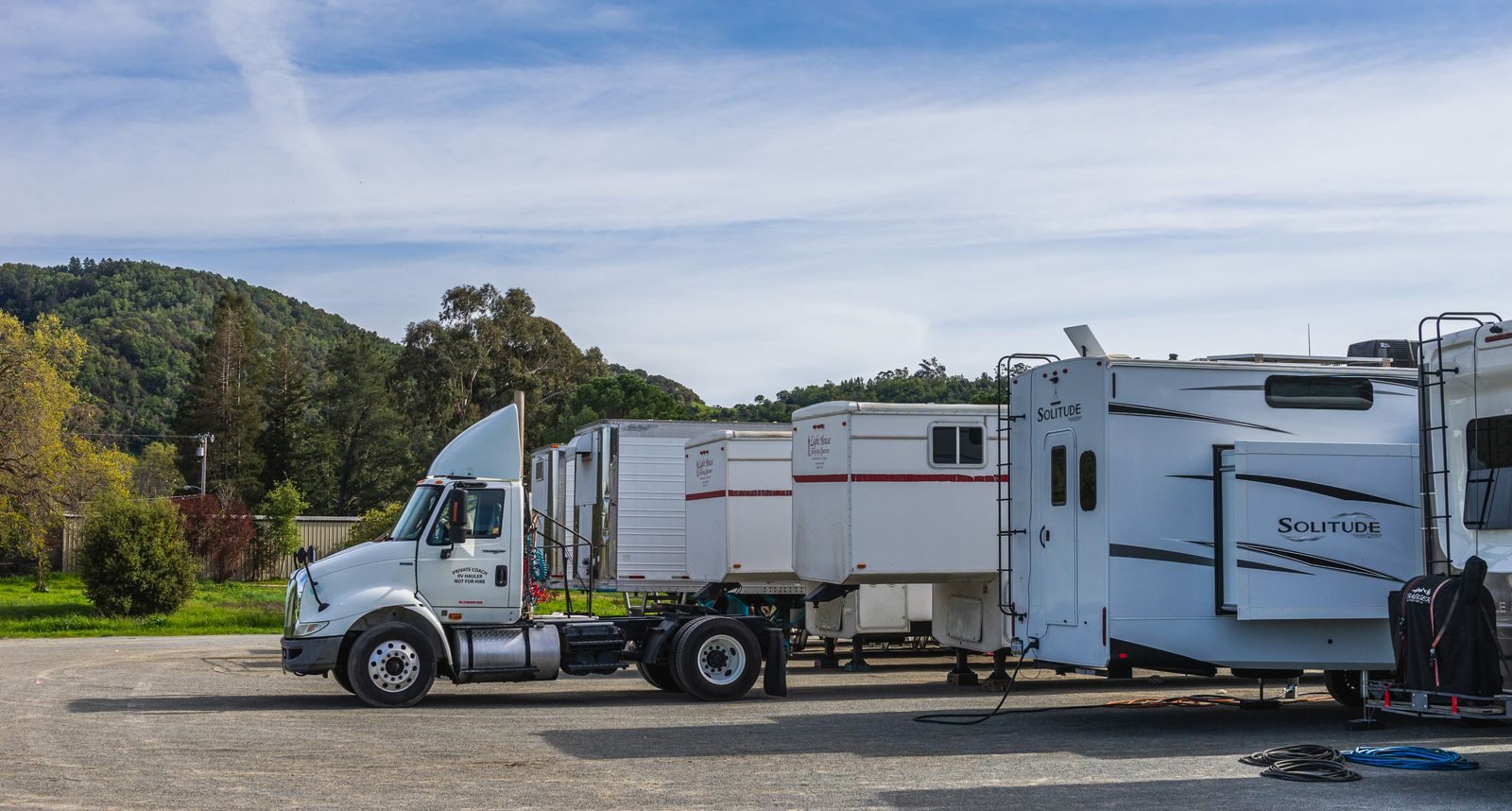
Off-season RV storage protects your recreational vehicle from UV damage, moisture, pests, and mechanical deterioration during extended periods of inactivity. Choosing the right storage type—outdoor, covered, or enclosed—combined with a thorough pre-storage preparation routine can prevent costly repairs and keep your RV ready for the next season.
Your RV represents one of the more significant purchases you’ll make. Whether it’s a pop-up camper or a 40-foot fifth wheel, the investment demands more than just a place to park it when the season ends. Leaving a recreational vehicle unused for weeks or months without preparation creates real risks—moisture buildup, pest infestations, tire deterioration, battery drain, plumbing damage, and weather-related wear that accumulates quietly while the vehicle sits.
The good news is that effective RV storage doesn’t require expert-level knowledge. A structured approach—choosing the right storage environment, preparing the vehicle properly, and checking on it regularly—can protect your RV for months and have it ready to roll when you are.
This guide walks through everything you need to know: storage types, what to look for in a facility, how to prepare your RV, and how professional transport can help when your storage destination is far from home.
Why Proper RV Storage Matters More Than Most Owners Realize
Extended inactivity affects an RV differently than regular use. Sunlight degrades roof membranes, sealants, and exterior finishes. Rain and snow find their way into compromised seams. Freezing temperatures expand water trapped in plumbing lines until something cracks. Heat accelerates deterioration in rubber components and upholstery. Even fresh air carries ozone that attacks tire rubber over time.
The threats aren’t just environmental. Rodents can nest inside walls and chew through wiring. Insects find their way through the smallest gaps. Batteries self-discharge to the point of permanent damage. Fuel left untreated in a motorhome’s tank degrades and can leave deposits in fuel system components.
None of these problems are inevitable—but they all become more likely when owners park an RV and walk away without preparation. A storage routine that takes a few hours before the off-season can prevent repairs that run into thousands of dollars.
Helpful resource: The RV Industry Association’s Reports & Trends pages track shipment data and industry trends. According to the RVIA, RV shipments totaled 342,220 units in 2025—a clear sign that millions of recreational vehicles need proper off-season care every year.
Understanding Your Main RV Storage Options
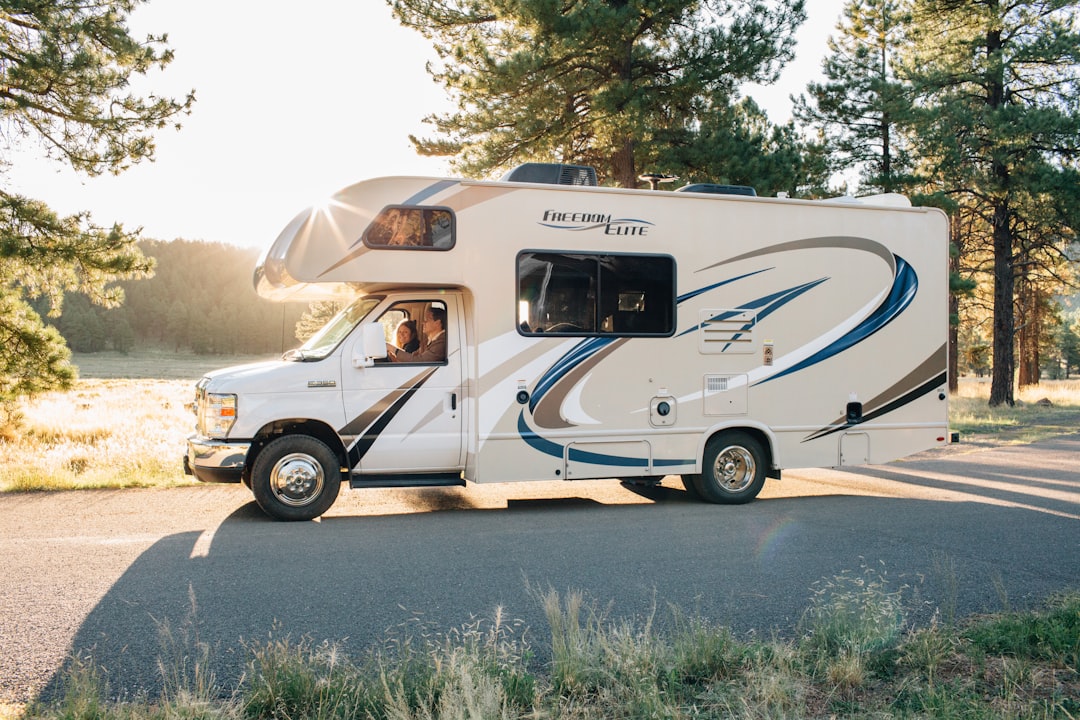
Not every RV boat storage option works for every owner. Budget, vehicle size, local availability, and climate all shape which choice makes the most sense.
Outdoor RV Storage
Outdoor uncovered storage is the simplest and most affordable commercial option. RVs park in designated spaces without overhead weather protection. For owners prioritizing cost and convenient access, outdoor storage can be a reasonable choice—provided they take extra steps to protect the vehicle from UV exposure, precipitation, and temperature swings.
According to Extra Space Storage’s guide to RV storage rates, outdoor uncovered storage typically ranges from $35 to $363 per month, with averages depending heavily on market and location.
Covered RV Storage
Covered parking adds an overhead roof while retaining the accessibility of an open-air space. The roof reduces direct exposure to sunlight, rain, hail, and falling debris—extending the life of exterior sealants and finishes without the cost of a fully enclosed unit.
Covered RV storage averages $121 to $216 per month in most markets, making it a middle-ground option for owners who want more protection without the price tag of an indoor unit. More facilities offer covered sites that accommodate vehicles up to 75 feet in length, but dimensions vary by facility and should always be confirmed before booking.
Indoor Enclosed RV Storage
Enclosed storage provides the greatest level of protection from weather and pests, and typically the highest security, since the RV and belongings is stored inside a dedicated structure with locking access. Monthly costs for indoor enclosed storage average $180 to $309, with climate-controlled units adding another $25 to $50 per month on top of that.
Indoor storage makes the most sense for high-value RVs, harsh-climate environments, or long-term storage where weather exposure would otherwise be a constant concern.
At-Home RV Storage
Storing an RV on a private driveway, garage, or purpose-built pad offers immediate access and eliminates monthly facility fees. The tradeoffs can be significant, though—HOA restrictions, municipal regulations, limited space for larger vehicles, and reduced security compared to a dedicated facility. Check local codes before assuming at-home storage is an option.
Choosing a Storage Space That Fits Your Vehicle
Before comparing facilities, measure the RV’s complete length, width, and height. Include slide-outs, hitches, and any components that affect overall dimensions. A Class A motorhome and a pop-up camper have very different footprints, and selecting a space that’s too small creates access problems during arrival and departure.
Pull-thru spaces make maneuvering significantly easier for larger rigs—some facilities offer pull-thru sites ranging from approximately 32 to 75 feet. Covered and enclosed sites often have stricter size limits, so always confirm available dimensions directly with the facility before committing.
What to Look for in a Secure RV Storage Facility
Price is one factor. Security and amenities are equally important when you’re leaving a high-value asset in someone else’s care.
Key features to look for include:
- Perimeter fencing and controlled access: Electronic gates and personal entry codes limit unauthorized vehicle access.
- Security cameras: Video surveillance covering parking areas and access points.
- On-site management or staffing: Facilities with staff present more often have fewer security incidents.
- Lighting: Well-lit areas deter unauthorized access at night.
- Access hours: Some facilities offer 24-hour access; others operate during set business hours only.
Beyond security, useful amenities include pull-thru access, covered or enclosed units, electrical hookups for battery maintainers, dump stations, and wash areas. These features vary significantly between facilities, and not every location will offer them all.
Helpful resource: The NHTSA Vehicle Safety Resources page lets owners check for active recalls by entering a VIN—a worthwhile step before putting any vehicle into long-term RV and boat storage.
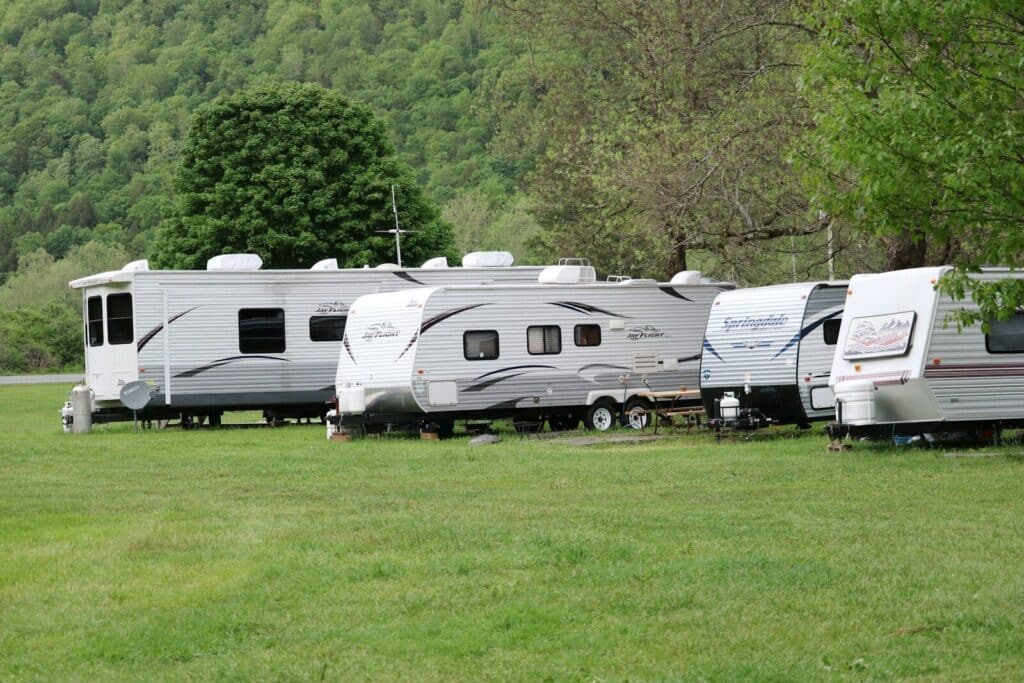
Photo by Izabela Mierzejewski on Unsplash
How to Prepare Your RV for Long-Term Storage
Clean the Interior Thoroughly
Remove all food, crumbs, and perishables. Clean cabinets, countertops, floors, appliances, and any hidden compartments. Rodents and insects need very little to establish themselves—a few crumbs in a corner can be enough. Empty and clean the refrigerator and freezer, and leave appliance doors open per manufacturer recommendations to prevent trapped moisture and odors.
Wash and Inspect the Exterior
Clean dirt, insects, road grime, and debris from all exterior surfaces. Then inspect the roof, seams, window frames, door seals, and any exterior penetrations for cracks or gaps. Water intrusion that goes unnoticed before storage can lead to significant structural damage by spring. Repair or reseal any gaps before storing the vehicle.
Drain Tanks and Protect the Plumbing
Drain fresh, gray, and black holding tanks fully. Flush and clean the system before long-term storage. If freezing temperatures are expected at any point during the storage period, winterize the plumbing system according to the manufacturer’s recommendations and your specific RV’s setup.
The Good Sam Blog’s winterization guide recommends working from the highest fixtures down to the lowest when flushing antifreeze through the system—typically starting at the kitchen faucet and working down through bathroom sinks, showers, and finally the toilet. Bypass the water heater before introducing antifreeze to avoid wasting 6 to 8 gallons of product on a component that doesn’t need it.
Water left in vulnerable plumbing components freezes, expands, and cracks pipes and fittings. The resulting repair costs typically far exceed the cost of proper winterization.
Protect the Battery
RV batteries discharge slowly during storage. A battery that reaches a critically low state of charge can suffer permanent capacity loss or fail entirely. Disconnect the battery when the RV will sit for an extended period, or connect a compatible battery maintainer that keeps the charge stable without overcharging. Follow the battery and RV manufacturer’s recommendations for removal and storage conditions.
Prepare the Fuel System
For motorized RVs stored for extended periods, filling the tank and adding an appropriate fuel stabilizer reduces the risk of fuel degradation and varnish buildup in the fuel system. Run the engine as directed by the stabilizer manufacturer after treatment to circulate the product through the system. Consult the RV and engine manufacturer’s recommendations for specifics—procedures can vary.
Protect Your Tires
Tires don’t just wear out from driving. They age from UV exposure, ozone, and extended periods of sitting in one position. According to RV.com‘s RV Tire Basics guide by Ken Freund, UV rays and ozone cause cracking and “dry rot” in tire rubber—particularly on sidewalls—which can become a safety hazard if it reaches the cord structure.
Before storage:
- Inspect tires for cracks, bulges, or irregular wear.
- Inflate tires to the manufacturer’s recommended storage pressure. Goodyear recommends inflating RV storage tires to the normal recommended pressure plus 25% to account for natural pressure loss over time—but never exceed the rim’s rated inflation capacity. Reset pressures before using the RV.
- Use tire covers to block UV exposure when storing outdoors or in covered spaces.
- Move the RV periodically if possible to rotate the load point on the tire and bring protective compounds to the surface.
- Clean tires with soap and water before storage. Avoid petroleum distillate-based dressings, which can accelerate rubber deterioration.
Most manufacturers recommend replacing RV tires at approximately 7 years regardless of tread depth. Michelin recommends annual specialist inspections for tires in service for 5 or more years.
Helpful resource: RV.com‘s complete RV Tire Basics article covers size ratings, load ranges, inflation guidelines, and storage recommendations in detail.
Control Moisture and Ventilation
Humidity trapped inside a sealed RV breeds mold, mildew, and musty odors that are difficult to eliminate later. Use moisture absorbers in the interior during storage. In hot or humid climates, this step is especially critical. Roof vents can be cracked slightly to allow airflow—if the vent design supports it—but follow manufacturer guidance to avoid creating a path for water intrusion during rain.
Prevent Pest Infestations
Beyond removing food, seal any exterior gaps around wiring conduits, plumbing penetrations, and compartment doors. Rodents can squeeze through surprisingly small openings. Inspect storage compartments and under-sink areas for signs of activity during periodic visits.
Helpful resource: Neighbor’s guide to preparing your RV for outdoor winter storage covers exterior washing, drain procedures, and practical outdoor prep steps in an accessible format.
Don’t Store It and Forget It: Inspect Your RV Regularly
Long-term storage doesn’t mean ignoring the vehicle until spring. Checking the RV approximately every three to four weeks during extended storage lets you catch minor problems before they become expensive ones. During each visit, look for:
- Water leaks or new staining on ceilings and walls
- Roof or seal deterioration
- Evidence of pest activity
- Mold or unusual odors
- Tire pressure changes
- Battery condition
- Exterior damage
- Any security concerns
After major storms, extreme cold snaps, or high winds, inspect sooner rather than waiting for the regular schedule. A small roof leak caught early costs far less to fix than one that’s been saturating interior walls for weeks.
Helpful resource: RVshare’s maintenance guide with NRVTA offers practical advice from certified RV technicians on routine maintenance and what to check during ownership.
How Much Does RV Storage Cost?
There’s no single national price for RV storage. Costs vary based on:
- RV length and overall dimensions
- Outdoor, covered, or enclosed storage type
- Facility location and local market demand
- Security features and amenities
- Access hours and any electrical service
As a general hierarchy: outdoor uncovered storage costs the least, covered adds a moderate premium for weather protection, and indoor enclosed storage commands the highest prices because of the greatest environmental and security protection.
| Storage Type | Typical Monthly Range |
|---|---|
| Outdoor Uncovered | $35–$363 |
| Covered | $45–$385 (avg. $121–$216) |
| Indoor Enclosed | $50–$582 (avg. $180–$309) |
| Climate Controlled | Indoor rate + $25–$50 |
Source: Extra Space Storage, 2026
For a meaningful comparison, request quotes from multiple facilities using the same RV dimensions and storage type. A facility offering the lowest monthly rate may offset those savings with weaker security, limited access hours, or minimal amenities.
Helpful resource: Extra Space Storage’s full RV storage rates guide breaks down costs by RV type, storage category, and market location.
Moving Your RV to a Storage Facility Doesn’t Have to Mean Towing It Yourself
There are many reasons an owner might need to move an RV to a new location:
- Transitioning from a campground to seasonal storage
- Moving between states after relocating
- Delivering an RV to or from a dealership
- Transporting a newly purchased unit home
- Moving between seasonal properties
Towing a large travel trailer or fifth wheel across hundreds of miles involves the right tow vehicle, proper weight distribution, driving experience, and time. For owners who’d rather not take that on themselves—particularly for long-distance moves—professional RV transport is a practical alternative.
Helpful resource: The FMCSA’s carrier search tool lets you verify that any transport company you consider is properly registered and in good standing before handing over your vehicle.
How Interstate Haulers Helps Move Your RV Where It Needs to Go
At Interstate Haulers, we’ve been helping owners move recreational vehicles since 1997. As a family-owned company, we’ve spent nearly three decades building a reputation for reliable, professional transport—one haul at a time.
Our nationwide network of professional drivers is equipped to transport a wide range of recreational vehicles, including:
- Travel trailers (bumper pull)
- Fifth wheels
- Toy haulers
- Pop-up trailers
- Towable RVs
We transport throughout the continental United States, into and out of Canada, and to U.S. ports for international shipments. In most cases, we can schedule a pickup within one to two days of your request.
Whether you need your RV moved to a storage facility across the state, delivered to a new owner, transported from a dealership, or hauled to a seasonal property, Interstate Haulers handles the logistics so you don’t have to manage the tow yourself. Every shipment comes with personalized planning, consistent communication, and the same FMCSA-compliant standards we’ve operated under since our founding.
Protect Your RV Today So It’s Ready for Your Next Adventure
Proper RV storage does more than keep your vehicle out of the weather. A complete pre-storage routine—cleaning the interior, sealing the exterior, draining the tanks, protecting the tires, managing moisture, and maintaining the battery—keeps small problems from growing into expensive ones.
Choosing the right storage facility matters just as much. A secure, well-maintained facility with appropriate protection for your RV’s size and the local climate is worth comparing carefully against price alone.
And when it’s time to move the vehicle—whether to a storage facility, a seasonal property, a dealership, or anywhere in between—towing it yourself isn’t the only option.
Need help getting your RV to a storage facility, seasonal property, or its next destination? Contact Interstate Haulers to request a transport quote and let our experienced team handle the move safely and professionally.
Frequently Asked Questions
What is the best type of RV storage for long-term use?
Indoor enclosed storage offers the greatest protection for long-term storage because it shields the RV from weather, UV exposure, pests, and unauthorized access. It’s typically the most expensive option, but it can reduce maintenance costs significantly over time—making it a strong choice for high-value RVs or owners in regions with harsh winters or extreme heat.
How often should I check on my RV during storage?
Make it a priority to inspect your RV approximately every three to four weeks during extended storage. After severe weather events—heavy rain, high winds, or significant temperature drops—check sooner. Routine visits let you catch water intrusion, pest activity, tire pressure changes, and battery issues before minor problems become costly repairs.
How much does it cost to store an RV per month?
RV storage costs range from approximately $35 to $582 per month depending on storage type, location, facility size, and amenities. Outdoor uncovered storage is the most affordable, while indoor climate-controlled storage sits at the top of the price range. The best way to compare options is to request quotes from multiple local facilities using the same RV dimensions and storage type.
Do I need to winterize my RV before storage?
If your RV will be stored in an area where temperatures drop below freezing at any point, winterizing the plumbing system is strongly recommended. Water left in pipes, tanks, and fixtures can freeze, expand, and cause cracking—repairs that typically cost far more than winterization. Follow your RV manufacturer’s recommendations and consult a certified technician if you’re unsure about the procedure for your specific model.
Should I cover my RV tires during storage?
Yes, especially for outdoor or covered storage. Tire covers block UV rays and reduce ozone exposure, both of which degrade rubber over time and can cause cracking in the sidewall. According to Ken Freund writing for RV.com, tires deteriorate faster when exposed to sunlight—and that deterioration can become a safety hazard if it reaches the cord structure. Tire covers are an inexpensive way to extend tire life significantly. You will definitely see the difference
Can I store my RV at home instead of a storage facility?
At-home storage on a private driveway, garage, or RV pad is possible for some owners. The key constraints are HOA rules, local municipal regulations, available space, and the size of your RV. Many neighborhoods prohibit or limit RV parking in residential areas. Check your local codes and any HOA agreements before assuming at-home storage is permitted.
Can Interstate Haulers transport my RV to a storage facility?
Yes. Interstate Haulers transports travel trailers, fifth wheels, toy haulers, pop-up trailers, and other towable RVs throughout the continental United States, into and out of Canada, and to U.S. ports for international shipping forpur customers. If you need your RV moved to a storage facility, dealership, seasonal property, or any other destination, request a quote directly through Interstate Haulers to get the process started.