
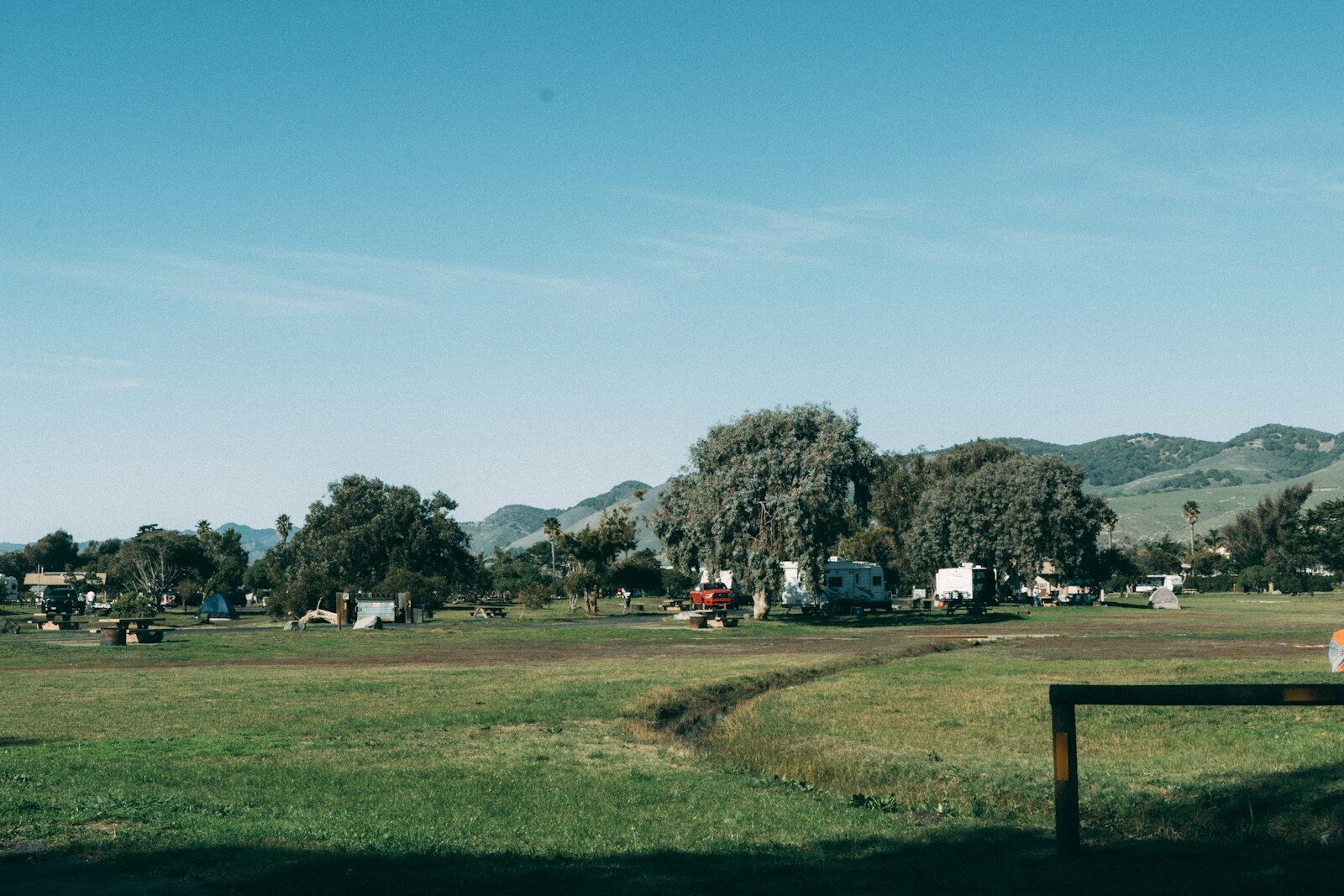
Choosing the right RV park comes down to matching your travel goals with the right location, site type, hookups, amenities, and park rules. Researching ahead—checking reviews, confirming site dimensions, verifying pet policies, and booking early—can save you time, money, and serious frustration on the road.
The difference between a memorable RV trip and a miserable one often comes down to where you park for the night. Pick the wrong spot, and you’re dealing with noisy neighbors, a site that won’t fit your rig, or a park that’s 45 minutes from anything useful. Pick the right one, and it sets the tone for everything.
RV travelers aren’t a monolith. A retired couple spending three months near the Gulf Coast has completely different needs than a family squeezing in a long weekend near a national park. First-time campers need different things than full-time RV residents. The type of RV matters too—a Class A motorhome needs more maneuvering room than a compact travel trailer, and a toy hauler with multiple slide-outs requires a level, spacious site.
What all these travelers share is the need to do their homework before making a reservation. The best RV parks fill up fast, especially during peak seasons. Waiting until the last minute often means settling for whatever’s left—and that rarely ends well.
This guide walks through every key factor worth comparing before you book: location, site type, hookups, amenities, pet policies, pricing, safety, and more. It also highlights three standout parks—Fishing Bridge RV Park, Clear Creek RV Park, and Camp Meade RV Park—as real-world examples of what to look for. Whether you’re planning a quick overnight stop or a long-term seasonal stay, these are the things that will determine how much you actually enjoy your time on the road.
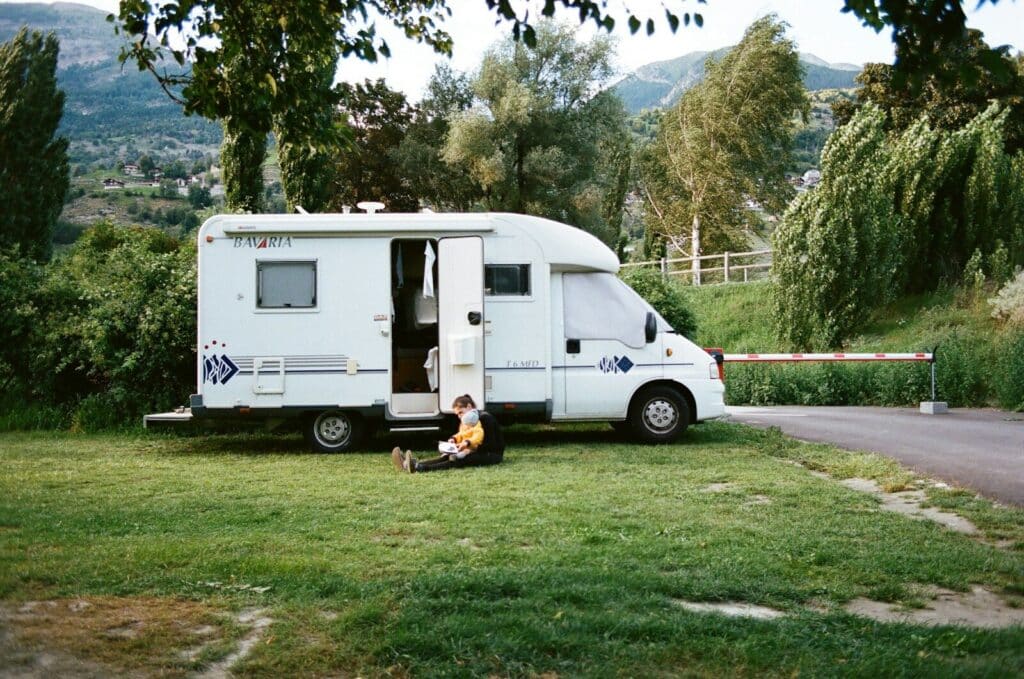
Photo by lucas Favre on Unsplash
Start With Your Travel Goals Before Choosing an RV Park
Before you browse listings, get clear on what kind of trip you’re taking. Your travel goals should drive every decision that follows.
A weekend getaway to a lake campground has different requirements than a cross-country trip with multiple stops along the way. If you’re planning a true destination stay—somewhere you’ll spend a week or more—you’ll want a park with robust amenities, proximity to attractions, and ideally a strong sense of community. If you’re just passing through and need a clean, safe place to sleep before hitting the road again, amenities matter a lot less.
Full-time RV residents have unique needs too. Monthly pricing, stable Wi-Fi, laundry access, and proximity to grocery stores and medical facilities become top priorities when an RV park is your permanent address—not just a stop on the map.
Solo travelers tend to prioritize simplicity and security. Families usually want playgrounds, pools, splash pads, and kid-friendly activities nearby—ideally at a spacious campsite set away from heavy traffic. Retirees often prefer quieter parks with easy site access and social spaces like clubhouses. Large groups traveling together need parks with adjacent sites and enough space to gather comfortably.
Knowing your travel style upfront helps you filter out the parks that won’t work before you spend time digging into the details.
Why Location Matters More Than You Think
A centrally located RV park can save you hours of driving every day. Proximity to the attractions you actually want to visit—national parks, beaches, cities, trails—makes your entire trip more efficient and enjoyable. The less time you spend driving back and forth, the more time you have to actually experience your destination.
Think about what you’ll need on a daily basis: restaurants, grocery stores, fuel stations, and pharmacies. A park tucked far from any services might offer beautiful scenery, but that appeal fades quickly when you’re driving 30 minutes to pick up basics.
Access to National Park Service destinations is a major draw for many RV travelers. The National Park Service manages over 400 sites across the United States, and proximity to these can dramatically shape your itinerary. Parks near popular gateways—like those near Zion, the Great Smoky Mountains, or Yellowstone—book out months in advance, so confirming availability early is essential. The National Park Service’s campground reservation system (Recreation.gov) is a useful starting point for locating nearby federal campgrounds.
Easy access from major highways is often overlooked until it isn’t. A park that requires navigating narrow back roads or making sharp turns isn’t ideal for large rigs. Always confirm GPS coordinates through the park’s official website or a dedicated RV navigation tool—standard GPS apps sometimes route vehicles through roads that simply don’t work for larger trailers or motorhomes. RV Trip Wizard is a popular route planning tool built specifically for RVers that factors in rig size.
Seasonal weather also plays a role. Desert campgrounds that feel perfect in February can be dangerously hot by June. Coastal parks in the Southeast see heavy storm activity in late summer. Research typical weather patterns for your destination and travel window before committing.
Compare RV Sites Before You Book
Not all RV sites are created equal, and the differences matter more than most first-timers expect.
Site Type
Pull-through sites allow drivers to enter and exit without reversing. Back-in sites require backing into position, which offers more privacy in many cases but demands more skill. Standard sites cover the basics; premium RV sites often include better locations within the park—lakefront spots, corner positions with extra space, or sites with additional privacy.
Surface Material
This matters more than it might seem. Paved or concrete pads offer the best stability—they’re easy to level and prevent your rig from sinking in wet weather. Gravel sites drain reasonably well but can shift under stabilizer jacks. Dirt or grass sites vary wildly depending on the park’s maintenance and recent rainfall. When comparing sites, look for spacious layouts with level concrete or gravel surfaces for the easiest setup experience.
Shade and Sun
Full-sun sites can make a rig unbearably hot in summer without good awning coverage or AC. Shade trees improve comfort significantly, though they can occasionally interfere with solar panels.
Dimensions
This is non-negotiable. Large fifth wheels, toy haulers, Class A coaches, and motorhomes with multiple slide-outs require longer, wider sites with adequate clearance on all sides. Always confirm site dimensions before booking—especially if your rig exceeds 35 feet in length. A site that looks spacious in photos may not accommodate a 45-foot coach with full slide-outs extended.
Privacy
Some parks pack sites closely together. If privacy between neighboring campers matters to you—especially if you’re traveling with kids—look specifically for parks with natural screening, such as trees, shrubs, or terrain changes between sites, and sites positioned away from heavy internal traffic.
The Dyrt is a well-regarded campground review platform where users post real photos and detailed site-level feedback that can help you visualize what you’re actually booking.
Back In or Pull-Through? Which Site Is Right for You?
The back-in versus pull-through debate is one of the most common questions new RV owners face—and the right answer depends on your rig and your skill level.
Pull-through sites are straightforward. You drive in from one end and exit from the other, no reversing required. For first-time RV owners, longer rigs, or anyone towing a travel trailer for the first time, pull-through sites remove a significant source of stress. They’re also faster to set up, which matters after a long drive.
Back-in sites require reversing into position, which takes practice. The trade-off is that back-in sites frequently offer more privacy—they’re often positioned so the front of the recreational vehicle faces outward, away from neighbors. Many experienced RVers actually prefer them for this reason.
Maneuvering challenges increase with rig length. A 20-foot travel trailer backs in relatively easily. A 40-foot fifth wheel with a wide truck requires a different level of coordination. Before arriving at any new park, review the entrance road widths, internal road layouts, and any tight turns shown in satellite imagery.
For help improving backing skills, the Good Sam Club offers resources and community forums where experienced RVers share practical tips.
Make Sure the Park Can Handle Your RV
This step gets skipped surprisingly often—and it leads to real problems on arrival.
Before confirming any reservation, verify the following with the park directly:
- Maximum trailer length accepted: Many parks have limits, and exceeding them can mean being turned away at the entrance.
- Slide-out clearance: Confirm there’s enough lateral space on your assigned site for all slides to fully extend.
- Height restrictions: Some parks have overhead obstructions—tree branches, utility lines, or covered entry gates—that limit how tall a rig can be.
- Weight limits: Older park roads and bridges sometimes carry posted weight limits that matter for heavier Class A coaches or fifth wheels on heavy-duty trucks.
- Turning radius: Internal park roads need to accommodate the turning radius of your specific rig. This is particularly important for longer motorhomes towing a car.
- Hard-sided RV requirements: Some parks, like Fishing Bridge RV Park in Yellowstone, restrict access to hard-sided RVs only due to local wildlife concerns. Soft-sided units—tent sites and tent camping trailers and some pop-ups—may not be permitted.
A quick phone call to park management before arrival is worth far more than finding out the hard way that your rig doesn’t fit.
Compare Hookups and Utility Options
Hookup availability—and quality—can define your entire stay, especially for longer trips. Campgrounds should have reliable utility hookups including water and both 30-amp and 50-amp electric service to accommodate a wide range of RVs.
Full hookups connect your RV to water, sewer, and electric service simultaneously. Full hookups are essential for stays longer than a couple of nights. Without them, you’re relying on onboard tanks, which require regular emptying and add daily inconvenience.
Electric service comes in two standards: 30 amp and 50 amp. Most modern Class A motorhomes and large fifth wheels run on 50-amp service. Running a 50-amp rig on a 30-amp pedestal is possible with an adapter but limits how much you can run simultaneously—especially important in extreme heat or cold when HVAC systems are working hard.
Dump stations serve campers without sewer hookups. If your site doesn’t include sewer service, confirm the park has a functioning dump station on premises.
Wi-Fi reliability deserves honest scrutiny. Many parks advertise Wi-Fi, but campground Wi-Fi is notoriously inconsistent. If reliable internet is important—for remote work, streaming, or staying connected—check recent reviews specifically mentioning internet quality rather than relying on the park’s marketing.
Laundry facilities are easy to overlook until you need them. For stays of a week or more, access to on-site laundry adds real convenience and reduces the need for off-site trips. Cable TV, propane filling stations, and laundry access are all worth confirming before you arrive.
Photo by Grianghraf on Unsplash
Amenities That Can Improve Your Stay
The right amenities can elevate an RV park from functional to genuinely enjoyable, depending on what you’re looking for.
For families, the most desirable features include swimming pools, splash pads, playgrounds, and organized activities. Kids who have things to do nearby are easier to keep happy—and that makes the trip better for everyone. Look for parks that prioritize family programming and offer structured recreation, not just basic equipment.
For resort-style experiences, look beyond pools. Top-tier parks offer hot tubs, activity courts, fitness centers, clubhouses, and walking trails. These features transform a campground into a destination in its own right.
For longer stays, amenities like walking trails and fitness centers help prevent cabin fever. Fishing opportunities and nearby outdoor recreation appeal to adventure-focused travelers. Dog parks and walking trails matter enormously for pet owners and are a strong indicator of a well-planned, pet-friendly park.
For everyday convenience, on-site stores, propane stations, laundry rooms, and picnic tables add comfort to daily life. Finding out a park has no supplies at 7 PM when you’ve just run out of propane is a frustrating experience easily avoided with a quick pre-trip check.
Clean facilities and consistent maintenance are crucial to a positive RV experience. A well-maintained park has clean restrooms, modern facilities, and grounds that are clearly cared for—not just at move-in, but throughout your stay. Don’t overlook this factor when comparing options.
Campendium is a free resource where campers leave detailed reviews covering amenities, site conditions, and overall park quality across thousands of locations.
Don’t Forget Pet Policies
Pet policies vary dramatically between RV parks, and failing to check them before arrival can cause real problems—especially with larger dogs.
Key things to confirm:
- Breed restrictions: Some parks prohibit specific breeds outright, regardless of temperament.
- Number of pets allowed: Most parks have a limit, typically two or three pets per site.
- Leash requirements: Nearly all parks require leashes, but the rules about where pets can roam vary.
- Pet fees or deposits: These are common and sometimes substantial, particularly at resort-style parks.
- Dog parks and walking trails: Truly pet-friendly parks go beyond basic tolerance—they offer dedicated off-leash dog parks and maintained walking trails that make the stay comfortable for both pets and their owners.
- Waste disposal rules: Virtually all parks require immediate cleanup, and enforcement is common.
Calling ahead to confirm pet policies is always worth the extra two minutes.
Read Reviews Before Making a Reservation
Guest reviews are one of the most valuable tools for understanding the real quality of an RV park. Official listings show what parks want you to see; reviews show what guests actually experienced. Before booking, spend time reading recent feedback from real campers.
Reviews tend to surface issues like:
- Cleanliness: Of restrooms, common areas, and sites themselves—clean facilities consistently rank among the top factors in positive RV experiences
- Noise levels: From neighboring campers, highway traffic, or nearby attractions
- Wi-Fi quality: Often rated much more critically in reviews than in park descriptions
- Road conditions: Internal roads that aren’t RV-friendly rarely show up in marketing materials
- Staff responsiveness: Whether management is friendly, available, and helpful
- Security: Gated access, lighting, and general safety
- Maintenance: Whether facilities are kept up or left to deteriorate
Pay attention to the dates of reviews. A park that was poorly managed two years ago may have changed ownership and improved significantly—or vice versa. Patterns across recent reviews are more reliable than single outlier experiences.
Understanding Rates, Deposits, and Length-of-Stay Rules
Pricing structures differ widely across the RV park landscape. Understanding what you’re paying for—and what the rules are—prevents surprises.
Nightly vs. weekly vs. monthly pricing: Nightly rates at full-service resort parks can range from $50 to over $150 per night. Weekly rates offer modest savings. Monthly rates drop substantially, typically ranging from $500 to $1,500 or more depending on location, season, and included utilities.
Seasonal pricing: Rates climb significantly during peak travel seasons. Summer weekends near popular destinations and holiday weekends almost everywhere command premium pricing.
Cancellation policies: These vary considerably. Many parks—including some national park campgrounds—require cancellations to be made at least 48 hours in advance to qualify for a refund. Others keep deposits regardless. Read policies carefully before booking, and note that reservations are typically not guaranteed until full payment is received.
Discount programs: Good Sam memberships, Passport America, Harvest Hosts, and military discounts can reduce nightly rates meaningfully. AAA discounts are also accepted at some parks. For full-time travelers or frequent campers, these memberships pay for themselves quickly.
Length-of-stay restrictions: Some parks, particularly in high-demand areas, cap stays at 14 or 30 days. This directly affects full-time RV residents or anyone planning an extended seasonal stay, so confirming rules upfront is essential.
Safety and Security Should Always Be a Priority
A beautiful park with poor security isn’t a great place to sleep. Safety considerations deserve real attention during your selection process.
Look for parks with well-lit common areas, particularly near restrooms and gathering spaces. Gated entries add a layer of security and help limit vehicle traffic from non-guests overnight. These two features—good lighting and controlled access—are among the most important safety indicators to evaluate when comparing parks.
Before arriving, save the park’s emergency contact information and confirm that management or a staff member is reachable after hours. Some parks operate on largely unattended systems; others have on-site managers available around the clock.
Fire safety matters at campgrounds. Confirm whether fires are permitted, whether fire rings are provided, and what the protocol is during dry or high-risk conditions. Knowing the location of fire extinguishers and emergency exits in any shared facilities is a basic habit worth developing.
For travelers with medical concerns, knowing the location of the nearest hospital or urgent care clinic before you arrive—not after you need it—is straightforward preparation that gets overlooked far too often.
Spotlight: Three RV Parks Worth Knowing About
Real-world examples help illustrate what thoughtful RV park selection looks like in practice. Here are three parks that each bring distinct strengths to the table.
Fishing Bridge RV Park — Yellowstone National Park, WY
Fishing Bridge RV Park sits inside Yellowstone National Park and offers 310 RV sites with full hookups—a rare amenity within a national park setting. The park accommodates hard-sided RVs only (no tent trailers or soft-sided units), a policy driven by the area’s active bear population.
Sites can accommodate RVs up to 95 feet in length, making it one of the few national park campgrounds suited to large Class A coaches and long fifth wheels. Yellowstone Lake is nearby, and fishing the lake is a popular draw for guests during their stay.
The park is open seasonally from May 8 to October 18. Reservations open six months in advance through Recreation.gov, and booking early is strongly advised—this is one of the most in-demand campgrounds in the national park system. Reservations are not confirmed until full payment is received. For group stays during July and August, phone booking is required rather than online reservation.
Clear Creek RV Park
Clear Creek RV Park is situated directly on the banks of Clear Creek, offering a natural, water-adjacent setting that appeals to outdoor-focused travelers. The park provides access to kayaking and fishing, making it a strong choice for guests who want recreational activities within easy reach of their campsite.
Booking in Advance: What You Need to Know
Popular RV parks fill up fast, and waiting too long to reserve often means settling for your second or third choice—or finding nothing available at all.
For many campgrounds, especially those managed through Recreation.gov, reservations can be made up to 270 days in advance. For high-demand parks like Fishing Bridge, reservations open exactly six months before the arrival date, and sites regularly fill within hours of opening.
A few key booking rules to keep in mind:
- Book early for peak seasons: Summer weekends and holiday periods are the first to sell out. Plan your trip several months ahead if you’re targeting popular destinations.
- Pay in full to secure your spot: Most parks, including national park campgrounds, do not hold reservations until full payment is received.
- Cancel with enough notice: To receive a refund, cancellations typically need to be made at least 48 hours in advance. Policies vary by park, so read the fine print before booking.
- Call for group reservations: Some parks require phone booking for group stays during peak months. Fishing Bridge, for example, requires phone reservations for groups in July and August.
Planning ahead isn’t just about convenience—it’s often the difference between getting the park you want and scrambling for whatever’s left.
Frequently Asked Questions
How much does an RV park cost per month?
Monthly RV park rates typically range from $500 to $1,500 per month for standard campgrounds, while premium resort parks in popular seasonal destinations can cost $2,000 or more. Costs depend heavily on location, season, and what utilities are included. Parks in high-demand coastal or snowbird destinations in Florida, Arizona, and Texas command higher rates from October through April. Basic campgrounds with minimal amenities often include water and electric in the monthly rate; upscale parks may bill utilities separately.
What is the 333 rule for RV travel?
The 333 rule is a popular guideline for reducing travel fatigue on extended trips: drive no more than 300 miles per day, arrive at your campsite by 3:00 PM, and stay at least 3 nights before moving on. Arriving by 3 PM gives you daylight for setup and prevents rushed arrivals in unfamiliar parks. Staying three nights allows enough time to actually explore a destination rather than spending the majority of your time driving and setting up.
Can I sleep in my RV at Walmart?
Overnight RV parking at Walmart is not a guaranteed option. Policies vary by individual store location—some allow it, others do not. Local city or county ordinances in many areas prohibit overnight camping in commercial parking lots entirely. Always ask store management directly before settling in for the night, and never assume permission is granted. Walmart overnight parking is best treated as an emergency option, not a planned stop.
What is the 444 rule for RV travel?
The 444 rule is a more relaxed version of the 333 rule: drive no more than 400 miles per day, arrive by 4:00 PM, and stay at least 4 nights when possible. This approach works well for travelers who want slightly longer driving days without overextending themselves. Staying four or more nights per stop reduces the frequency of teardown and setup, which is one of the more time-consuming parts of frequent RV travel. Both the 333 and 444 rules exist to encourage a slower, less exhausting pace of travel.
Planning Ahead Makes Every RV Adventure Better
Choosing the right RV park isn’t complicated—but it does require intentional research. Parks that look perfect online can disappoint in person, and hidden gems rarely advertise themselves prominently.
The travelers who consistently have the best experiences follow a straightforward process: they compare locations carefully against their actual itinerary, verify that hookups and site dimensions fit their rig, confirm that amenities match their travel style, read recent reviews from real guests, check pet and cancellation policies before booking, and reserve early during busy travel seasons.
Your RV size and travel style should guide every decision. What works for a 22-foot travel trailer and a couple traveling solo looks nothing like the right setup for a 42-foot Class A hauling a family of five.
The more clearly you define what you need before you start searching, the faster you’ll find the parks worth booking.

Let Interstate Haulers Handle the Transport While You Plan the Adventure
Selecting the perfect RV park is only one piece of a successful trip. Getting your RV to the starting point—especially when buying out of state, relocating to a seasonal destination, or moving a rig across the country—is a separate challenge altogether.
Towing a large fifth wheel, motorhome, or toy hauler cross-country is physically demanding, time-consuming, and carries real risk if you’re unfamiliar with long-haul towing. For many RV owners, handing that responsibility to a professional transport company is simply the smarter choice.
Interstate Haulers has been transporting RVs nationwide since 1997. As a family-owned company with nearly 30 years of experience, Interstate Haulers specializes in moving travel trailers, fifth wheels, motorhomes, and toy haulers to destinations across the continental United States. The company is FMCSA-compliant, carries a proven safety record, and provides personalized service with transparent communication throughout every haul.
Whether you’ve just purchased an RV from an out-of-state dealer, need to move your rig to a winter or summer seasonal location, or simply want your RV delivered without putting thousands of miles on it yourself, Interstate Haulers offers a reliable, hassle-free solution.
Request a quote from Interstate Haulers before your next RV relocation and let the professionals handle the road so you can focus on the destination.