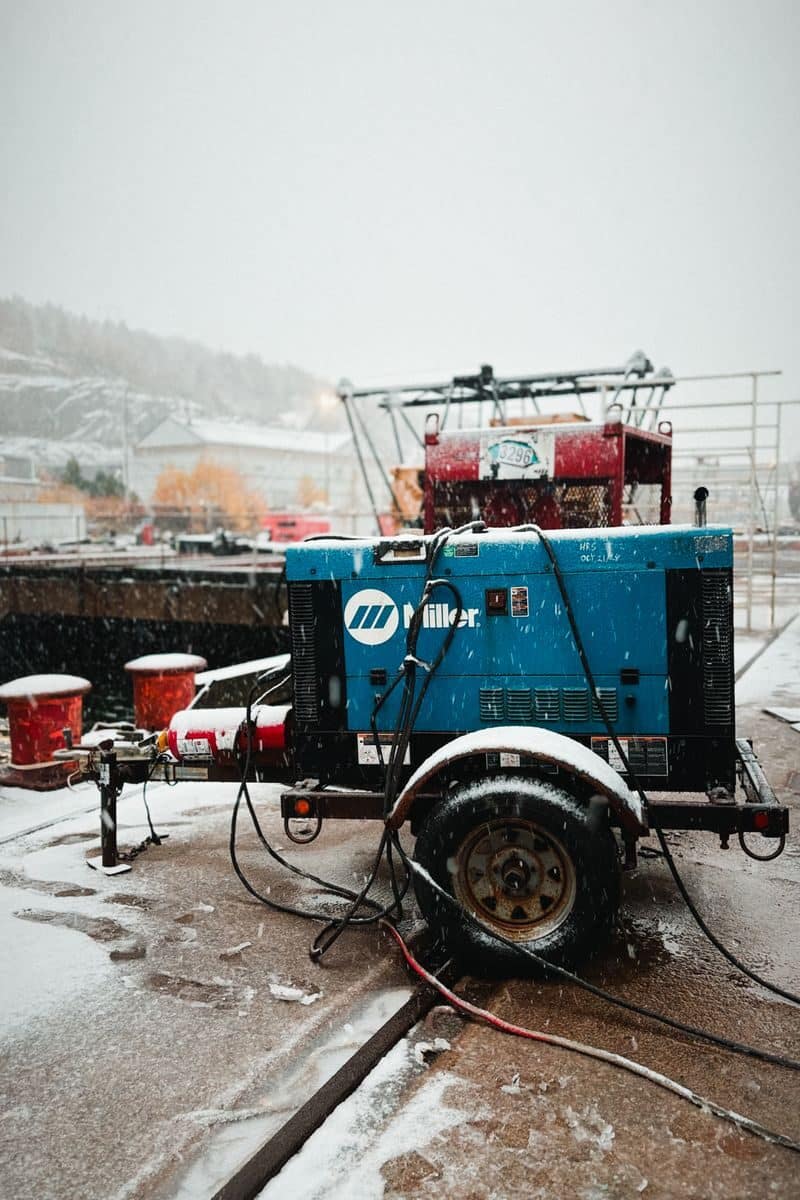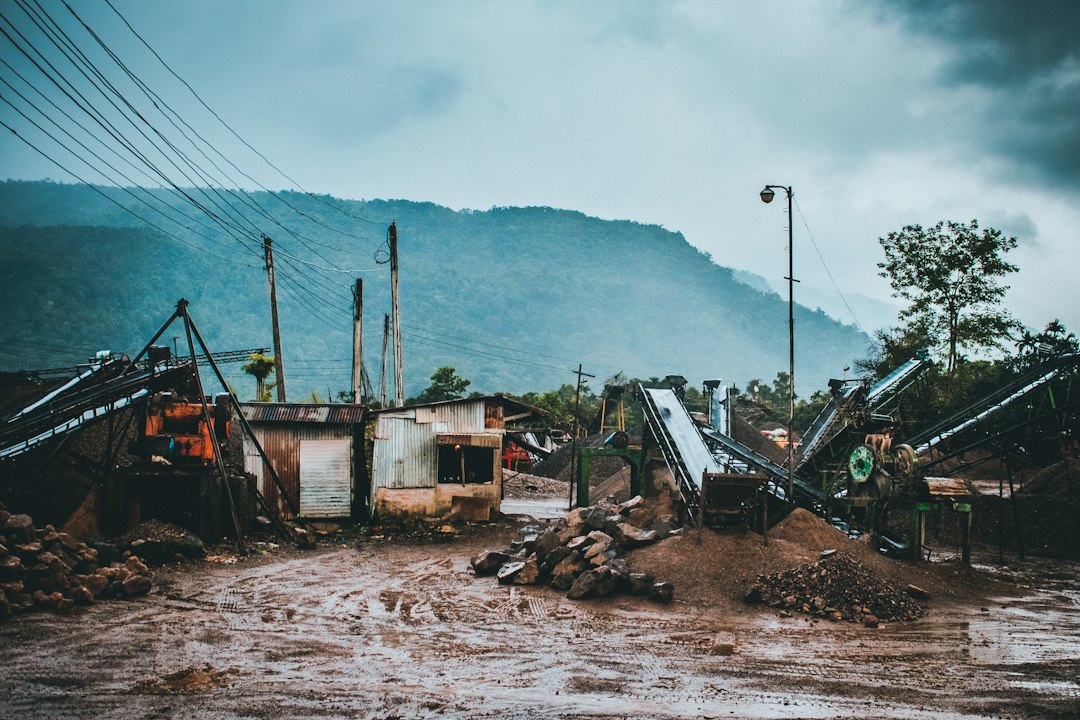
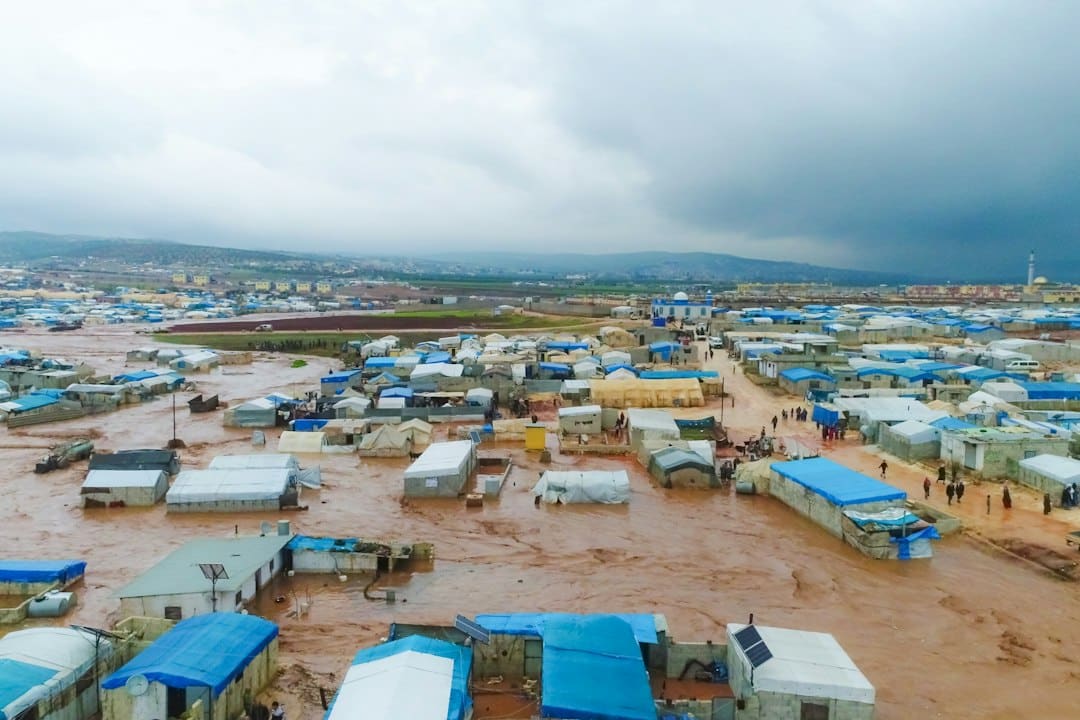
Disaster relief depends on more than first responders—it requires specialized transportation to deliver generators, utility trailers, construction equipment, and temporary infrastructure to affected communities. From the immediate response phase through long-term recovery, heavy equipment transportation keeps relief supplies, utility restoration assets, and rebuilding resources moving safely and legally to where they’re needed most.
When a hurricane makes landfall or a wildfire tears through a community, the images that dominate the news are usually search and rescue teams, National Guard convoys, and volunteers handing out water bottles. What rarely makes the headlines is the logistics operation happening behind the scenes—the fleet of trucks hauling generators, mobile command centers, and construction equipment into disaster zones so recovery can actually begin.
We’ve spent years transporting the industrial trailers, utility equipment, and specialized cargo that disaster response depends on, and we’ve seen firsthand how much of recovery hinges on getting the right equipment to the right place at the right time. A generator sitting in a warehouse three states away does nothing for a hospital that’s lost power. A water treatment trailer can’t help a community until it’s actually on-site.
This article explains how transportation fits into the broader disaster relief effort—from the earliest hours of emergency response through the months (and sometimes years) of long-term recovery. We’ll cover what gets transported, why timing and compliance matter so much, and how experienced heavy haulers help communities get back on their feet faster.
Photo by OpenClipart-Vectors on Pixabay
Disaster Relief Begins Long Before Recovery
Disaster relief isn’t a single event—it’s a coordinated effort that unfolds in phases. Emergency management professionals typically describe four stages: preparedness, mitigation, response, and recovery. Each phase requires different resources, different timelines, and often, different equipment.
The immediate response phase focuses on saving lives and stabilizing dangerous situations. But almost as soon as search and rescue operations begin, the recovery phase starts taking shape in parallel. Federal, state, and local governments begin coordinating with agencies like the Federal Emergency Management Agency (FEMA) to assess damage, request resources, and open the door to disaster assistance programs.
This is where transportation becomes one of the most critical—and most overlooked—components of rebuilding. Communities can’t restore power, reopen schools, or rebuild infrastructure without first getting heavy equipment, generators, and industrial trailers into the disaster area. For a deeper look at how weather hazards unfold and what to expect during different types of disasters, the National Weather Service’s Emergency Preparedness resources offer detailed guidance for communities and responders alike.
Disaster Assistance Depends on Moving Critical Equipment
Federal disaster assistance is only as effective as the equipment supporting it. When we talk about transporting cargo into a disaster area, we’re talking about assets that directly determine how quickly a community can stabilize:
- Mobile generators – Restore power to hospitals, shelters, and water systems
- Fuel trailers – Keep emergency vehicles, generators, and equipment running
- Water purification systems – Provide safe drinking water when treatment plants go offline
- Construction machinery – Excavators and bulldozers clear debris and begin rebuilding
- Bucket trucks – Restore downed power lines
- Communications trailers – Reestablish connectivity for first responders and residents
- Mobile command centers – Give emergency management teams a functional base of operations
- Portable bridges – Reconnect communities cut off by flooding or structural damage
- Medical trailers – Extend care capacity when hospitals are overwhelmed
- Restroom and shower trailers – Support both responders and displaced residents
Each piece of equipment plays a specific role, and none of it does any good sitting at a staging yard hundreds of miles away. Getting these assets moved—legally, safely, and on schedule—is a logistics challenge that requires serious expertise.
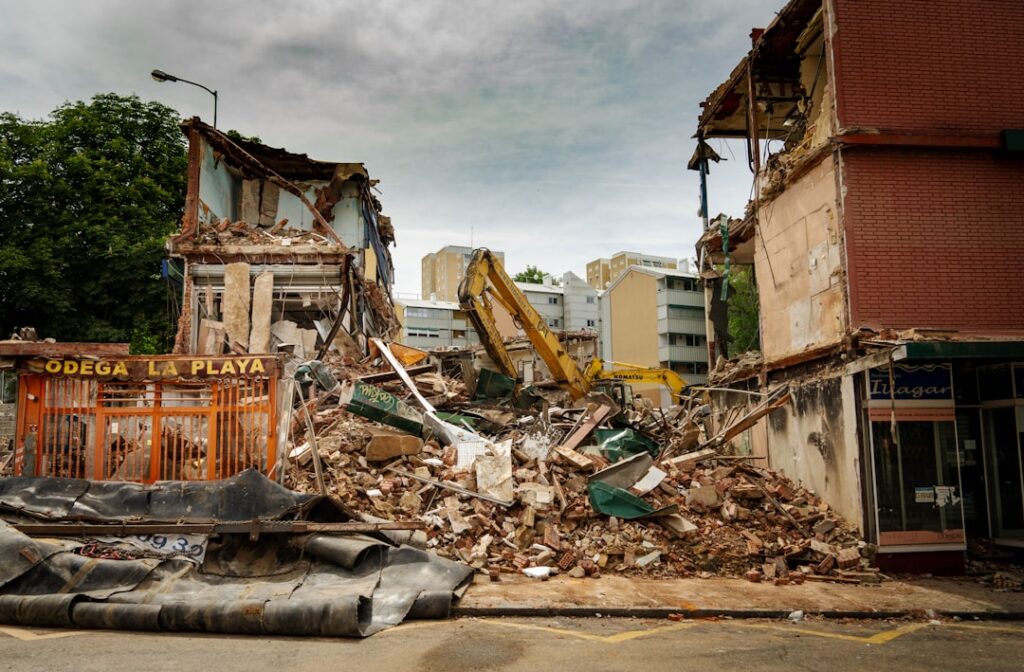
What Happens When Disaster Strikes?
Different disasters create different transportation demands.
Hurricanes typically require generators, water pumps, debris removal equipment, and utility restoration trailers, often across a wide geographic footprint spanning multiple states.
Floods call for water purification systems, portable bridges, and sanitation units, frequently in areas where standard roads and infrastructure are impassable.
Tornadoes demand fast-moving construction equipment and utility trailers to address concentrated but severe damage in a smaller radius.
Wildfires require fire suppression support equipment, mobile command centers, and temporary shelter infrastructure, often in remote or hard-to-access terrain.
Earthquakes need heavy recovery equipment for structural assessment and debris removal, along with temporary infrastructure for displaced residents.
Understanding the type of disaster helps predict what equipment will be in highest demand—and how quickly transportation providers need to mobilize. The USGS Natural Hazards Program tracks and researches many of these hazard types, offering valuable data for emergency planners and the public.
Disaster Recovery Requires Careful Transportation Planning
Moving heavy equipment into a disaster area isn’t as simple as loading a trailer and driving. It requires:
- Route surveys to identify damaged roads, closed bridges, or weight restrictions
- Oversize and overweight permits, which vary by state and often require expedited processing during declared emergencies
- Escort vehicles for loads exceeding standard dimensions
- Weather planning to avoid compounding an already dangerous situation
- Experienced drivers who understand how to secure and transport specialized cargo
- FMCSA compliance, even when certain regulations are temporarily relaxed
During a declared emergency, the Federal Motor Carrier Safety Administration (FMCSA) automatically grants regulatory relief to commercial vehicles providing direct relief, including temporary exemptions from hours-of-service limits under 49 CFR 390.23. States may also issue special divisible load permits for vehicles delivering relief supplies once a major disaster has been declared under the Stafford Act. These waivers move fast—but they don’t eliminate the need for careful planning. Drivers still have to navigate damaged infrastructure, secure oversized cargo correctly, and meet requirements that remain in place regardless of emergency status, like drug and alcohol testing and CDL requirements.
Emergency Management Relies on Logistics
Behind every disaster response is a coordination structure designed to keep resources moving efficiently. The National Incident Management System (NIMS) provides the framework that guides government agencies, nongovernmental organizations, and the private sector as they work together to prevent, respond to, and recover from incidents.
Within this framework, the Incident Command System (ICS) establishes unified command so that multiple agencies—federal, state, local, and private—can coordinate without duplicating efforts or working at cross purposes. Logistics teams operating under this structure establish secure transportation corridors, set up distribution hubs, and prioritize which cargo moves first based on urgency.
For transportation providers, this means working within an established chain of communication rather than operating independently. Learn more about how this coordination works through FEMA’s National Incident Management System resources.
Search and Rescue Comes First
Before recovery can begin, immediate response teams focus entirely on saving lives. Search and rescue operations, emergency medical care, and stabilizing hazardous conditions take absolute priority in the hours following a disaster.
Transportation supports this phase too, delivering rescue boats, portable bridges, communications trailers, and medical equipment that responders need to reach stranded residents and treat the injured. While this equipment isn’t always the first thing people picture when they think about search and rescue, it’s often the reason responders can access hard-hit areas at all.
Disaster Recovery Is a Long-Term Process
Recovery doesn’t end when the immediate danger passes. It unfolds across three distinct phases:
Immediate recovery focuses on restoring basic safety and access—clearing roads, providing temporary shelter, and reestablishing communications.
Intermediate recovery addresses utility restoration, temporary infrastructure, and getting businesses and schools operational again.
Long-term recovery involves permanent rebuilding of homes, infrastructure, and community systems, a process that can stretch on for months or years after the disaster itself has passed.
At every stage, transportation determines how quickly a community can move from one phase to the next. Delayed equipment delivery means delayed power restoration, delayed water access, and delayed reopening of schools and businesses.

Photo by Jonathan Ford on Unsplash
Restoring Critical Utilities After Natural Disasters
Utility restoration is one of the most transportation-intensive parts of disaster recovery. Getting power, water, and communications back online requires moving:
- Power restoration trailers and portable substations
- Transformers and cable reels
- Bucket trucks for line repair
- Water treatment systems
- Sewer and wastewater repair equipment
Public utility companies often work directly with specialized transportation providers to move this equipment quickly, since delays in restoring electricity or water directly extend how long residents remain displaced or without basic services.
Transportation Supports Temporary Infrastructure
While permanent repairs are underway, communities need temporary infrastructure to function. This includes:
- Temporary schools and mobile classrooms
- Mobile hospitals and medical clinics
- Shelter facilities
- Portable kitchens for feeding operations
- Mobile command centers for ongoing coordination
- Temporary fuel systems
These assets typically need to arrive within days of a disaster, not weeks, which places significant pressure on transportation providers to move quickly while still following safety and permitting requirements.
Disaster Survivors Need More Than Emergency Supplies
Logistics support extends beyond equipment and into the everyday needs of displaced families. Temporary housing units, food distribution centers, mobile medical clinics, and sanitation trailers all depend on the same transportation networks that move heavy construction equipment.
For families who’ve lost their homes, having access to a safe place to stay, clean water, and basic sanitation makes an enormous difference in how they experience the recovery process. The CDC’s Emergency Preparedness and Response resources provide guidance on protecting health and safety during and after natural disasters, which is especially relevant for the temporary living conditions many disaster victims face.
Disaster Assistance Programs That Help Communities Recover
Financial recovery runs alongside physical recovery, and several federal programs exist to help individuals, businesses, and governments rebuild. While every disaster and declaration is different, common forms of assistance include:
- FEMA Individual Assistance – Helps eligible individuals and households with uninsured or underinsured disaster-related expenses, including temporary housing and essential repairs
- Public Assistance Grants – Support eligible state, tribal, territorial, and local governments, along with certain nonprofits, in rebuilding public infrastructure
- Hazard Mitigation Grant Program – Funds projects designed to reduce the impact of future disasters
- SBA Disaster Loans – Provide low-interest financing for eligible businesses and homeowners to repair or replace damaged property
- Economic Injury Disaster Loans – Assist small businesses facing economic hardship after a disaster
- Tax relief – May be available to individuals and businesses following certain federally declared disasters
Program details, eligibility, and funding amounts vary by disaster and can change over time, so it’s always worth checking current guidance directly. DisasterAssistance.gov serves as the central hub for finding FEMA assistance, SBA loan information, and other federal recovery resources based on your specific situation and location.

Photo by Joel Muniz on Unsplash
The Role of Volunteers During Disaster Relief
Government agencies don’t carry disaster relief alone. Organizations like the American Red Cross respond to an emergency every eight minutes—handling everything from small house fires to multi-state natural disasters. The organization responds to roughly 65,000 disasters every year, and 95% of its disaster relief workforce is made up of volunteers. An average of 91 cents of every dollar the Red Cross spends goes directly toward delivering care and comfort to people affected by disaster.
After Hurricane Helene struck the southeastern United States, the Red Cross launched a response spanning 10 states, delivering shelter, meals, clean water, and relief supplies to tens of thousands of people despite disrupted communications and limited access to hard-hit areas.
Volunteer organizations like the Salvation Army, faith-based groups, and community nonprofits work alongside government agencies, utilities, and transportation providers to fill gaps and extend the reach of official relief efforts. The National Voluntary Organizations Active in Disaster (National VOAD) coordinates this collaboration nationally, promoting cooperation, communication, and coordination among member organizations.
Why Experienced Heavy Haulers Make Recovery Faster
Not every transportation provider is equipped to handle disaster response logistics. Oversized loads, specialized trailers, and time-sensitive delivery windows require drivers who understand cargo securement, FMCSA regulations, and how to navigate the permitting complexities that come with emergency declarations.
We’ve built our business around exactly this kind of specialized transportation. Our experience hauling industrial trailers for public utilities and FEMA disaster response means we understand what’s required to move sensitive, time-critical cargo safely and legally—whether that’s across state lines during a hurricane response or into a remote area following a wildfire. Nationwide reach paired with responsive, professional service allows us to serve as a dependable link between equipment providers and the communities that need them.
Frequently Asked Questions
What is considered disaster relief?
Disaster relief includes the full range of support provided to communities affected by natural or man-made disasters. This spans immediate emergency response—search and rescue, medical care, food, water, and shelter—as well as longer-term efforts like utility restoration, infrastructure rebuilding, and financial assistance programs that help individuals and communities recover.
What is the $700 check from FEMA?
FEMA’s Serious Needs Assistance program can provide immediate financial help to eligible individuals following certain presidential disaster declarations, intended to cover urgent needs like food, water, and other emergency essentials. However, eligibility requirements and assistance amounts can vary by disaster and may change over time. Applicants should confirm current program details directly through DisasterAssistance.gov or by calling FEMA at 1-800-621-3362 rather than relying on amounts referenced in unofficial sources.
What disaster relief assistance will be available for Tennessee residents in 2026?
Availability depends entirely on whether a federal disaster declaration has been issued for the specific event and location. For example, after Winter Storm Fern, Tennessee’s federal disaster declaration was amended to include FEMA Individual Assistance for 29 counties, while all 95 counties were designated for FEMA Public Assistance. Depending on the disaster, Tennessee residents may have access to FEMA Individual Assistance, SBA disaster loans, state emergency management programs, nonprofit support, and standard insurance claims. Residents should check the Tennessee Emergency Management Agency and DisasterAssistance.gov for the most current, event-specific information.
What role does transportation play in disaster relief?
Transportation moves the equipment that makes every phase of disaster relief possible—generators, water treatment systems, construction machinery, mobile command centers, and temporary infrastructure. Without reliable transportation, relief supplies and recovery equipment can’t reach the communities that need them, regardless of how well-funded or well-organized a response effort is.
How quickly can heavy equipment be transported to a disaster area?
Timing depends on the distance, road conditions, permitting requirements, and severity of the disaster. Emergency declarations often expedite permitting and temporarily relax certain federal trucking regulations, allowing equipment to move faster than under normal circumstances. Working with an experienced heavy hauler familiar with disaster response logistics helps minimize delays.
Moving Communities Toward Recovery
Disaster relief is a team effort that extends far beyond first responders and government agencies. Every generator, water treatment trailer, and piece of construction equipment that reaches a disaster area represents a coordinated effort between emergency management teams, volunteer organizations, and the transportation providers who get that equipment where it needs to go.
Recovery happens faster when the logistics behind it run smoothly—when permits are handled correctly, drivers understand how to navigate disaster-affected roads, and equipment arrives on schedule. That’s the role we’ve built our business around.
If you need dependable, nationwide transportation for generators, industrial trailers, utility equipment, or other specialized assets that support disaster response and long-term recovery, contact Interstate Haulers today. We’re ready to help move your equipment safely and efficiently, wherever it’s needed most.