

Many RV brands are owned by a small group of major parent companies, including Thor Industries, Forest River, Winnebago Industries, and REV Group. Two RVs may look like rivals yet share the same owner. Knowing who builds your RV helps you compare quality, warranty support, and resale value before you buy.
Shopping for an RV can feel exciting and overwhelming at the same time. There are hundreds of models, floorplans, features, and price points to compare. But one detail buyers often overlook is the company behind the brand.
Many RV brands are connected through larger parent companies. In fact, the RV market is largely dominated by a small group of major manufacturers and conglomerates. Understanding that ownership structure can help buyers compare quality, warranty support, reputation, resale value, and long-term dependability more clearly.
At Interstate Haulers, we do not sell or manufacture RVs. We transport them. Since 1997, our family-owned team has hauled RVs, travel trailers, boats, and industrial trailers across the continental United States. Because we work with high-value assets every day, we know how important it is to choose the right RV and plan the right transport after the sale.
This guide breaks down the major parent companies behind popular RV brands, what to compare before purchasing, and how professional transport protects your investment once the deal is done.
Why Does RV Brand Ownership Matter for Class A, Travel Trailers, Fifth Wheels, and More?
Why Are So Many RV Brands — From Class A Motorhomes to Fifth Wheels and Travel Trailers — Connected Behind the Scenes?
The RV industry is more consolidated than many buyers realize. A handful of major parent companies control a large share of the market. Thor Industries, Forest River, Winnebago, and REV Group are often discussed as the biggest players in the industry. Some RV brands stay independent, while others sit under one of these larger umbrellas.
Parent ownership can influence manufacturing practices, warranty support, dealer networks, quality control, and production scale. That is why smart buyers research both the brand and the company behind it before purchasing.
Two RV brands may seem completely separate on the surface, but they may be owned by the same parent company. That does not automatically make one brand better or worse. It simply gives buyers more context when comparing quality, customer support, and long-term ownership.
Can Consolidation Affect Quality for Class A, Class C Motorhomes, Fifth Wheels, Travel Trailers, and Full Time RV Buyers?
Consolidation comes with trade-offs. On the positive side, mass production helps manufacturers meet high demand and offer more model choices. Larger companies often have broader dealer networks and better availability across the country.
On the other hand, quality control can vary widely across brands, models, and production years. Some buyers report issues with warranty delays, denied claims, leaks, materials, or inconsistent craftsmanship. Smaller or independent makers may focus more heavily on durability, customer feedback, and specialized construction.
A large market share does not automatically mean poor quality, and an independent brand does not automatically mean perfection. The key is to compare the specific RV, model, construction style, dealer reputation, warranty, and owner feedback before making a decision.
How Does RV Type — From Class A and Class C Motorhomes to Fifth Wheels, Travel Trailers, and Toy Haulers — Affect Your Choice?
RV brands can be grouped into two main categories: motorized and towable. Within those categories, you will find several common types:
- Class A motorhomes are built on heavy-duty commercial bus or truck chassis and often include luxury features.
- Class B motorhomes are compact, agile recreational vehicles built on a heavy-duty van chassis.
- Class C motorhomes are built on a cutaway truck or van chassis and offer a balance of comfort and drivability.
- Travel trailers range from small teardrop campers to large towable units.
- Fifth wheels are designed to be towed with a pickup truck.
- Toy haulers combine living space with room for gear, equipment, or recreational vehicles.
The type of RV matters not only when buying, but also when planning delivery. Size, weight, hitch type, height, and route access all affect RV transport.
Which Parent Companies Are Behind Popular RV Brands — From Class A and Class C Motorhomes to Fifth Wheels, Travel Trailers, and Toy Haulers?
What RV Brands Does Thor Industries Own — From Class A Motorhomes and Fifth Wheels to Travel Trailers and Toy Haulers?
Thor Industries is one of the largest parent companies in the RV industry, and it owns multiple RV brands. Airstream and Keystone are both commonly associated with Thor. The portfolio spans a wide range of towable and motorized options.
Airstream is recognized for its iconic aluminum travel trailers, which are designed for longevity and high resale value. Keystone is known for towables, including travel trailers, fifth wheels, and toy haulers.
Thor’s size gives buyers access to many RV types, models, and price ranges. Even so, buyers should research each brand and model individually, since quality, features, and owner experience can vary across the lineup.
What Makes Forest River One of the Largest Makers of Class A, Class C Motorhomes, Fifth Wheels, and Travel Trailers?
Forest River is one of the largest RV manufacturers in North America. The company produces a wide range of RV types, including Class A and Class C motorhomes, along with many travel trailers, fifth wheels, campers, and other towable options. Recognizable names like Rockwood and Flagstaff also live under the Forest River umbrella.
The brand community is strong, too. The Forest River Owners’ Group has grown to more than 185,000 members since 2011. Forest River also conducts rigorous testing on randomly selected units and operates a 20,000-square-foot pre-delivery inspection building.
Forest River gives buyers a broad selection, which helps when comparing models, layouts, prices, and features. Because the company produces so many types of RVs, buyers should look closely at the specific model, construction, and owner reviews.
Why Is Winnebago Industries a Top Choice for Class A, Travel Trailers, and Full Time RV Living?
Winnebago is one of the most recognized names in the RV industry. The company offers motorhomes, camper vans, travel trailers, and other RV options, and it has expanded its lineup through several respected brands.
Grand Design is known for strong mid-to-high-end build quality and customer service. Newmar is known for high-end Class A diesel pushers and luxury motorhomes with top-tier craftsmanship. Buyers often associate Winnebago-related brands with strong name recognition and established RV experience.
Winnebago and its related brands may appeal to buyers looking for a trusted name, premium craftsmanship, long-term RV living, or a more established ownership experience.
What Is REV Group Known For in the Class A and Travel Trailer Market?
REV Group is another parent company connected to several RV manufacturers. It is often associated with specialty vehicles and motorized RV brands. Its overall RV market share is smaller than that of Thor or Forest River, but it remains part of the larger RV brand landscape buyers may encounter.
Buyers interested in REV Group brands should research each model’s reputation, service support, and construction details before committing.
Which Independent and Specialty RV Brands Should Class A, Fifth Wheel, Travel Trailer, and Toy Hauler Buyers Know?
Not every great RV comes from a major conglomerate. Several independent and specialty brands stand out for craftsmanship and durability:
- Oliver travel trailers feature double-hull fiberglass construction, strong durability, and high resale value.
- Brinkley manufactures luxury fifth wheel toy haulers and tests RVs in real-world conditions before production. Its Model Z prototype underwent a 30-day road trip, and Brinkley RVs feature industry-first frameless square Euro windows.
- Tiffin is recognized for luxury Class A diesel pushers and exceptional build quality.
Independent and specialty RV brands can be a smart choice for buyers who care about craftsmanship, durability, and a more focused ownership experience. They may have fewer models or a smaller dealer network, but they can stand out for construction, service, and attention to detail.
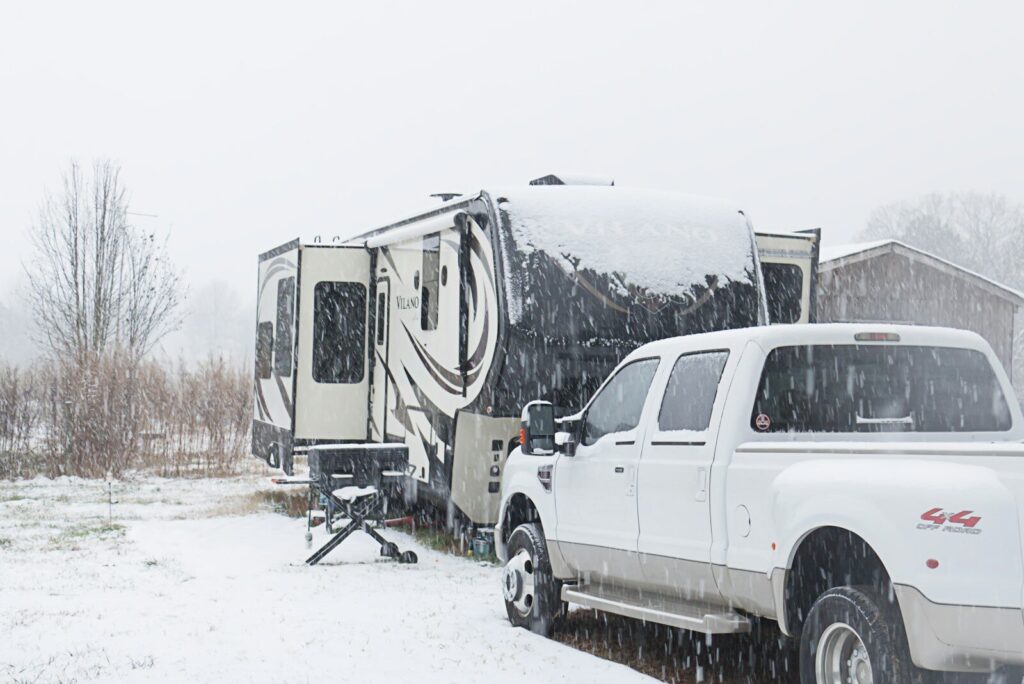
Photo by Jacob McGowin on Unsplash
What Should Class A, Class C Motorhome, Fifth Wheel, Travel Trailer, and Toy Hauler Buyers Compare Before Purchasing?
How Do You Judge Build Quality and Construction for Class A, Class C Motorhomes, Fifth Wheels, Travel Trailers, and Toy Haulers?
A strong brand reputation is helpful, but the construction details matter just as much. Before you sign anything, inspect:
- Wall construction
- Roof materials
- Frame design
- Insulation
- Flooring and cabinetry
- Windows
- Seals and leak protection
- Slide-out construction
- Overall durability and fit and finish
Look beyond the logo and study the RV’s materials, walls, roof, windows, seals, and craftsmanship. These details separate a unit that lasts from one that frustrates.
Why Do Warranty and Dealer Support Matter for Class A, Fifth Wheels, Travel Trailers, and Full Time RV Buyers?
The best RV purchase is not just about the unit itself. It is also about what happens after you drive away. Warranty support, dealer communication, service availability, and customer feedback all shape the ownership experience.
Jayco is a good example here. The company has been in the RV industry for over 50 years and is known for offering one of the industry’s longest warranties. High-quality RV brands tend to put real focus on warranty support and customer service.
The dealer’s reputation matters too, since service timelines and communication often run through them. It also helps to check the Quality Circle Awards, which recognize top RV brands based on dealer satisfaction surveys. The 2024 awards, for instance, were based on those dealer surveys.
What’s the Difference Between Entry-Level and Luxury RVs — From Travel Trailers and Fifth Wheels to Class A Motorhomes?
Your expectations should shift with the price point. Entry-level RVs focus on affordability and standard features. Luxury RVs often include high-end materials, custom designs, better finishes, and upgraded systems. Class A motorhomes and diesel pushers usually sit at the luxury end of the market, while travel trailers, campers, and fifth wheels can range from budget-friendly to premium.
A buyer planning occasional weekend trips may not need the same RV as someone planning full-time travel. Matching the RV to the lifestyle is one of the best ways to avoid buyer’s remorse.
How Important Are Owner Reviews for Finding the Perfect RV — From Travel Trailers and Fifth Wheels to Class A and Full Time Living?
Very important. Owner feedback often reveals what brochures and websites do not. Before purchasing:
- Read owner reviews and compare feedback across brands and models.
- Watch for repeated complaints about leaks, warranty delays, materials, or functionality.
- Look for positive patterns around dependability, comfort, construction, and service.
- Visit RV shows, dealer events, and owner groups when possible.
- Research specific model years, not just the brand name.
Patterns in reviews, forums, and owner groups tell you far more than any single five-star rating.
Which RV Brands Hold Their Resale Value — From Travel Trailers and Fifth Wheels to Class A Motorhomes?
Resale value should factor into your decision, especially if you plan to upgrade later. Airstream is known for high resale value, and Oliver travel trailers are also recognized for holding value well. Luxury and premium brands often retain value better when properly maintained.
Keep in mind that resale value depends on condition, demand, age, mileage, and maintenance. The right RV should fit your lifestyle now and still make sense years later.
The perfect RV is not always the biggest or most expensive one. It is the one that fits your travel style, budget, tow setup, storage needs, and long-term plans.
How Interstate Haulers Helps Move Class A Motorhomes, Fifth Wheels, Travel Trailers, and More After the Sale
Why Does Delivering Class A Motorhomes, Fifth Wheels, Travel Trailers, and Toy Haulers Require Careful Planning?
RVs are oversized, high-value assets, and transport planning depends on the RV’s type, size, and condition. Many buyers purchase RVs from out-of-state dealers, private sellers, manufacturers, or auctions. Professional RV transport lets you access the right unit without being limited to local inventory, and it helps protect the RV after purchase.
Once you find the RV you want, the next step is getting it where it needs to go. That is where professional RV transport makes the process easier, safer, and less stressful.
What Do You Need Before a Quote to Transport Your Class A, Fifth Wheel, Travel Trailer, or Toy Hauler?
To give you an accurate quote, our team typically needs the following details:
- Pickup location
- Delivery location
- RV brand, make, and model
- Year
- RV type
- Length, width, height, and weight
- Hitch type, if applicable
- Tire and brake condition
- Dealer, manufacturer, or seller contact information
- Timing needs
- Any special access or handling concerns
Have these details ready and we can move quickly. Request an RV Transport Quote to get started.
Who Does Interstate Haulers Serve — From Class A and Class C Motorhomes to Fifth Wheels, Travel Trailers, and Toy Haulers?
We work with a wide range of customers, including:
- Individual RV owners and first-time buyers
- Seasonal movers
- Dealers and manufacturers
- Freight forwarders and logistics partners
- Government and emergency response agencies for industrial trailer needs
Whether you are purchasing your first RV, moving a travel trailer for the season, coordinating dealership deliveries, or managing logistics for multiple units, our team can help.
What Makes a Family-Owned Hauler the Right Choice for Class A, Fifth Wheels, Travel Trailers, and Full Time RV Transport Since 1997?
We are not just a freight company. We are a family-owned transportation team with nearly 30 years of experience moving oversized and high-value assets with care, safety, and professionalism. Our work spans boats, RVs, travel trailers, and industrial trailers, with nationwide coverage across the continental United States.
We back that experience with FMCSA compliance, a safety-focused approach, and transparent, hassle-free communication from the first quote to final delivery.
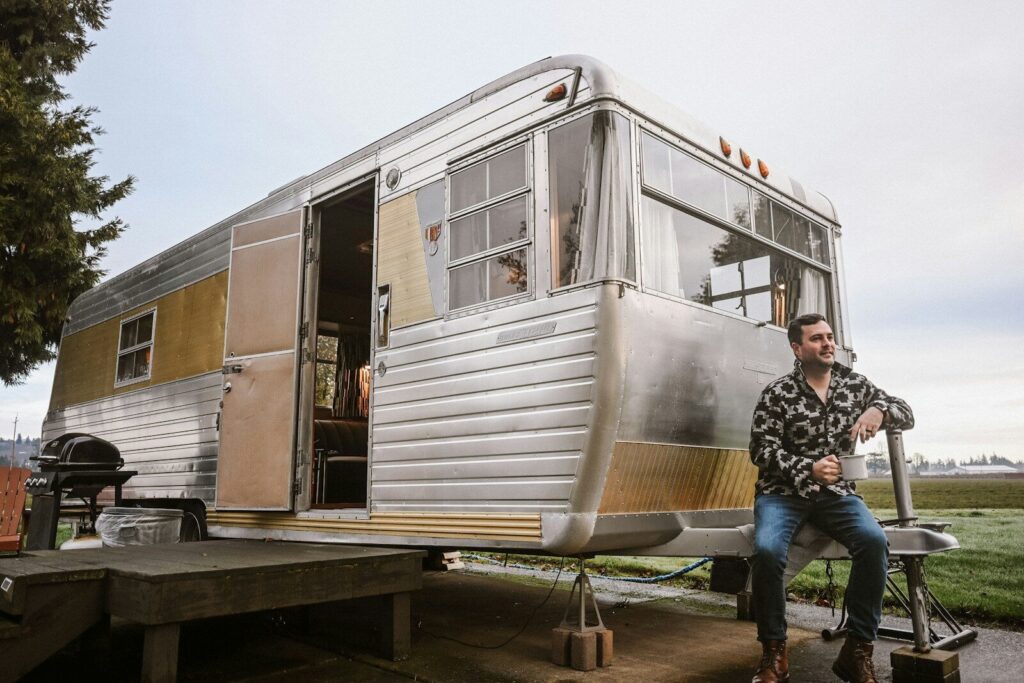
Photo by Blake Wisz on Unsplash
Choose the Perfect RV — From Class A and Class C Motorhomes to Fifth Wheels, Travel Trailers, and Toy Haulers — Then Move It With Confidence
Understanding RV brands and parent companies helps buyers make smarter decisions. From Thor Industries and Forest River to Winnebago, REV Group, and independent makers like Oliver, Brinkley, and Tiffin, each company offers different strengths, models, construction styles, and ownership experiences.
Before purchasing, compare the RV type, build quality, warranty support, dealer reputation, customer feedback, resale value, and long-term lifestyle fit. Once you find the right RV, Interstate Haulers is ready to help with safe, professional transport across the continental United States.
Since 1997, our family-owned team has helped owners, dealers, manufacturers, freight forwarders, and logistics partners move RVs, travel trailers, boats, and specialty trailers with care.
Request an RV Transport Quote or Contact Interstate Haulers Today to schedule your delivery and move your RV with confidence.
Frequently Asked Questions About Class A, Class C Motorhomes, Fifth Wheels, Travel Trailers, Toy Haulers, and Full Time RV Living
Which Companies Own the Most RV Brands — From Class A and Class C Motorhomes to Fifth Wheels, Travel Trailers, and Toy Haulers?
Thor Industries and Forest River are widely considered the two largest parent companies in the RV industry, with Winnebago Industries and REV Group also holding significant portfolios. Together, this small group controls a large share of the overall RV market, which is why many “competing” brands share the same owner.
Does a Parent Company Guarantee Better Quality for Class A, Fifth Wheels, Travel Trailers, or Any RV Type?
No. A large parent company does not automatically mean better or worse quality. Build quality, warranty support, and craftsmanship can vary by brand, model, and production year. Always compare the specific RV’s construction, dealer reputation, and owner feedback rather than relying on the parent company alone.
Which RV Brands Hold Their Value Best — From Travel Trailers and Fifth Wheels to Class A Motorhomes?
Airstream is well known for high resale value thanks to its durable aluminum construction, and Oliver travel trailers are also recognized for strong resale. Luxury and premium brands often hold value better when properly maintained, though resale always depends on condition, age, mileage, and demand.
What’s the Difference Between Motorized and Towable RVs — Class A, Class C Motorhomes, Fifth Wheels, Travel Trailers, and Toy Haulers?
Motorized RVs include Class A, Class B, and Class C motorhomes, which have their own engine and chassis. Towable RVs include travel trailers, fifth wheels, and toy haulers, which require a separate vehicle to tow them. Your choice affects everything from daily driving to transport planning.
How Do I Get a Class A, Fifth Wheel, Travel Trailer, or Toy Hauler Shipped After I Buy It?
Start by gathering your pickup and delivery locations, the RV’s make, model, year, and dimensions, plus any special handling needs. Then request a quote from a professional transport company like Interstate Haulers. We coordinate pickup, delivery, and route planning so your RV arrives safely, even from out-of-state sellers.
Who Can Use Interstate Haulers to Transport Class A, Class C Motorhomes, Fifth Wheels, Travel Trailers, and Toy Haulers?
Interstate Haulers serves individual RV owners, first-time buyers, seasonal movers, dealers, manufacturers, freight forwarders, logistics partners, and government agencies. Since 1997, our family-owned team has hauled RVs, travel trailers, boats, and industrial trailers across the continental United States.