Finding the right trailer for sale means matching trailer type, size, GVWR, axle ratings, and condition to your specific hauling needs and tow vehicle. Always inspect the frame, tires, brakes, lights, and title before buying. If you’re purchasing out of state, factor delivery into your budget—professional transport companies like Interstate Haulers can move your trailer safely from seller to your door across the continental U.S.
Searching for a trailer is easier than ever. Dozens of online marketplaces, dealer websites, and private listings put thousands of options in front of buyers within seconds. The hard part isn’t finding a trailer—it’s finding the right one.
The ideal trailer depends on what you plan to haul, how often you’ll use it, your tow vehicle’s capacity, your budget, and where you plan to store it. Getting that match right matters far more than landing the lowest advertised price. A trailer that’s the wrong type, too heavy for your vehicle, or in poor mechanical condition can create serious problems long before it pays for itself.
There’s another factor buyers often overlook until the last minute: getting the trailer home. Buying from a seller in another state can open access to better inventory and more competitive pricing—but it also raises the question of how the trailer gets from the seller to you. At Interstate Haulers, we’ve been answering that question for buyers, dealers, and manufacturers since 1997. This guide covers everything from trailer types and weight ratings to inspection checklists and professional delivery, so you can make a confident purchase from start to finish.
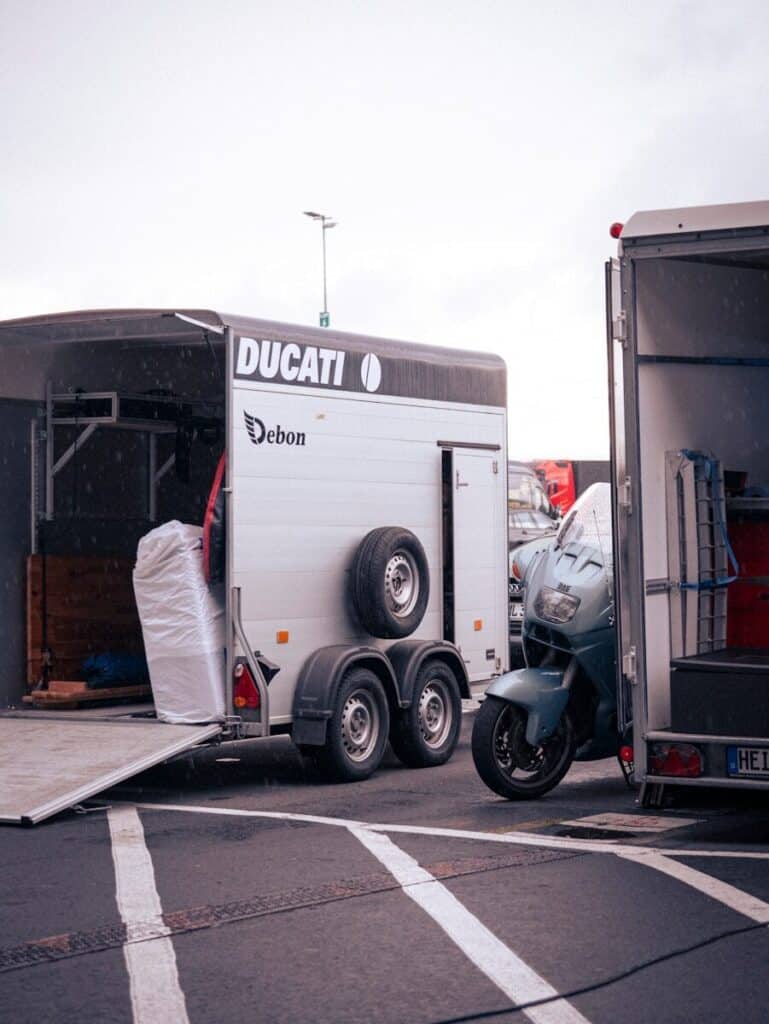
Photo by Maxim Berg on Unsplash
How Do You Find the Right Trailer for Sale?
Before browsing listings, define exactly what the trailer needs to do. Consider what you’ll haul, the total expected weight of your cargo, how often you’ll use it, the distances involved, and your storage situation. Buyers who skip this step often end up with a trailer that works on paper but creates problems in practice.
Common places to find trailers for sale include:
- Local trailer dealers – Allow for in-person inspection before purchase
- RV dealerships – Particularly useful for travel trailers and fifth wheels
- Manufacturer websites – Useful for new inventory and custom orders
- Online marketplaces – Expand your search nationally and often offer significant variety
- Private sellers – Can provide competitive prices, but require careful vetting
- Classified listings – Good for used inventory at a range of price points
RV Trader Buyer’s Guide is a helpful starting point for researching and comparing travel trailers and RVs. Their buyer’s guide is a good way to explore all aspects of finiding the right trailer for you. They also include a purchase checklist and research tools to simplify the comparison process.
When evaluating any listing, check the seller’s reputation and reviews, confirm the trailer has proper documentation, and understand the full terms of the sale. A lower advertised price isn’t automatically the better deal when you factor in required repairs, missing titles, aging tires, or transportation costs.
What Are the Different Types of Trailers?
Trailers aren’t interchangeable. Choosing the wrong type creates frustration, safety risks, and wasted money. Here’s a breakdown of the most common categories.
Utility Trailers
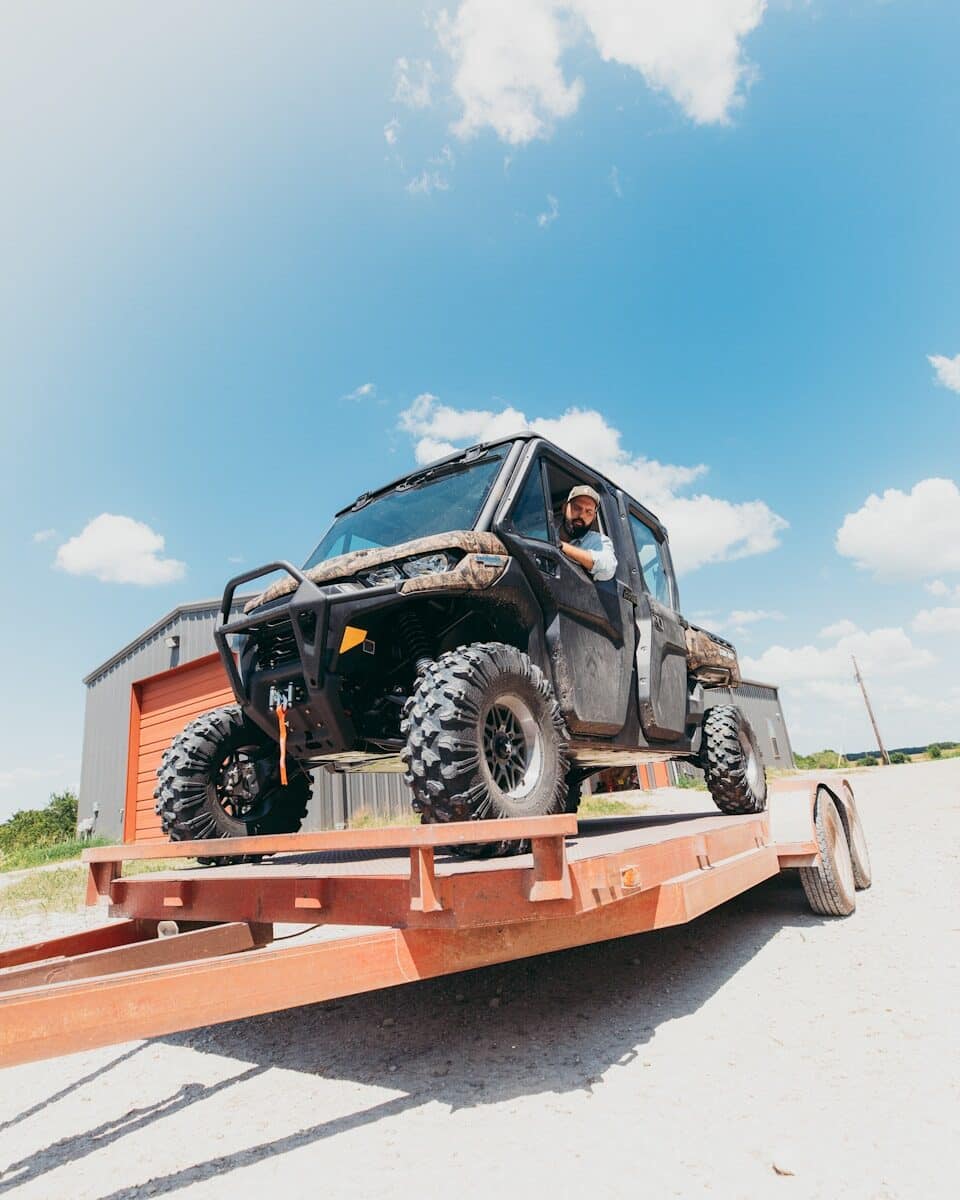
Utility trailers are versatile, low-profile options for landscaping equipment, ATVs, general supplies, and basic hauling. Many include ramp gates for loading wheeled equipment. They’re typically among the more affordable trailer types and work well for buyers with straightforward hauling needs.
Enclosed Cargo Trailers
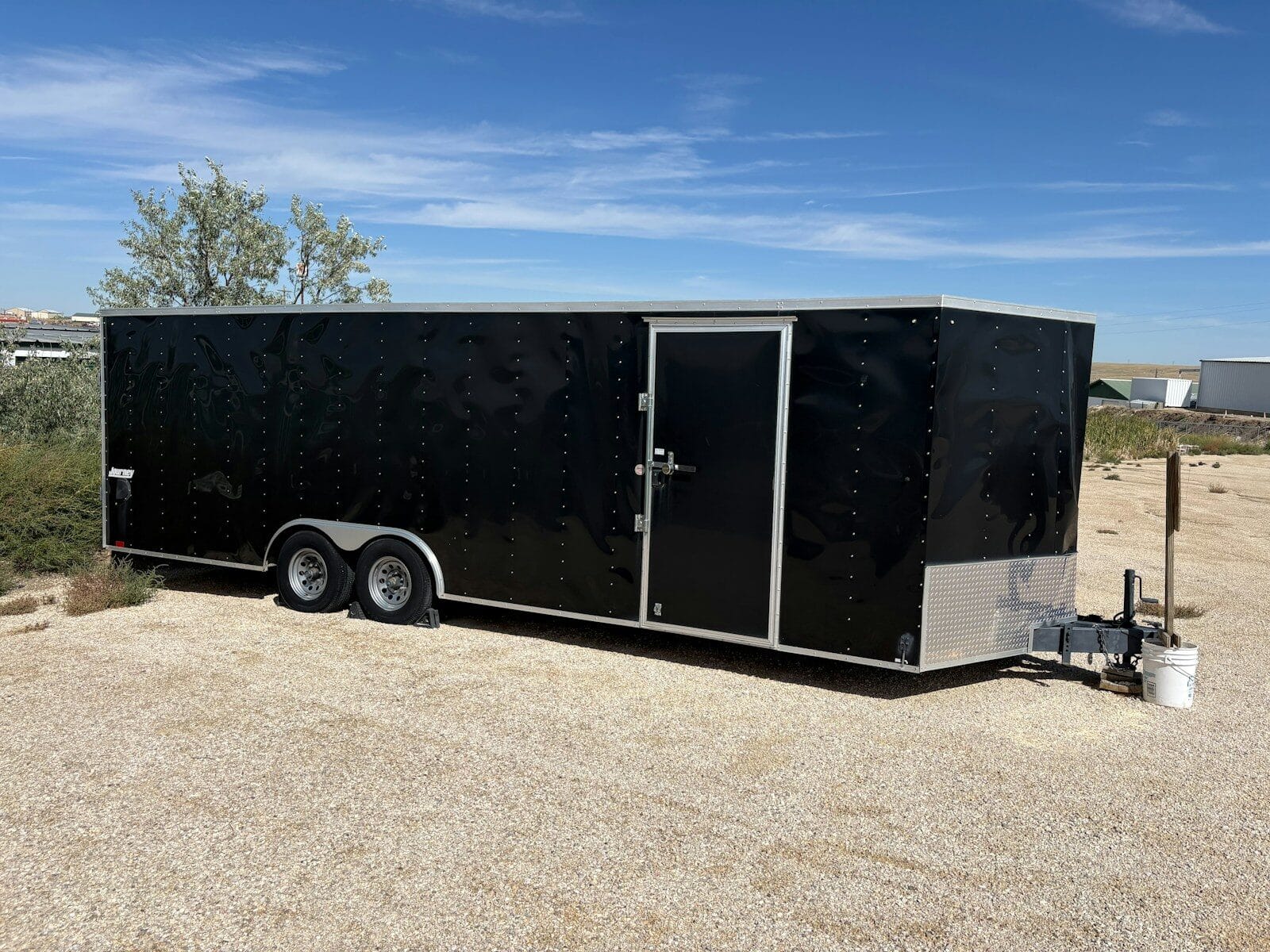
Enclosed trailers function as weatherproof, lockable boxes. They protect cargo from weather, road debris, and theft—making them popular for contractors, event vendors, and anyone transporting equipment with high replacement value. Keep in mind that the enclosed design adds weight, which affects towing requirements.
Car Haulers
Car haulers are designed to transport automobiles, motorcycles, and certain types of heavy machinery. Pay close attention to payload capacity, ramp design, trailer length, axle ratings, brakes, and tie-down points. These details matter significantly when moving high-value vehicles.
Dump Trailers
Hydraulic-lift dump trailers make unloading gravel, dirt, mulch, debris, and construction materials fast and efficient. Always verify the Gross Vehicle Weight Rating (GVWR) and payload capacity when regularly transporting dense materials—the weight adds up quickly.
Livestock Trailers
Livestock trailers are purpose-built for animal transport. Ventilation, flooring type, divider configuration, door design, and overall capacity are all critical considerations depending on the animals being transported.
Travel Trailers
Travel trailers attach to a tow vehicle through a standard ball hitch. Most commonly weigh between 2,000 and 8,000 pounds, though individual models vary. They’re a popular entry point into RV ownership for buyers who want camping accommodations without purchasing a motorhome. Bunkhouse floor plans are especially popular with families due to dedicated sleeping areas for kids or guests.
The J.D. Power RV Value Guide (formerly NADA RV Values) lets you research travel trailer pricing, specs, and fair market values by year, make, and model. It’s one of the most widely used tools for checking what a travel trailer is actually worth before buying or selling.
Destination Trailers
Destination trailers are larger and less frequently moved than conventional travel trailers. Built for extended stays rather than regular towing, their size and weight make delivery planning especially important when purchasing from a distant seller.
Single Axle vs. Tandem Axle: Which Should You Choose?
Single-axle trailers are lighter and easier to maneuver—particularly useful in tight spaces. Tandem-axle trailers generally offer greater load capacity and stability. But axle count alone doesn’t determine how much weight a trailer can safely carry. Always check the manufacturer’s axle ratings, GVWR, tire load ratings, and payload specifications before deciding.
Understanding Trailer Weight Ratings
Weight ratings are among the most misunderstood aspects of trailer buying. Getting them wrong creates real safety hazards.
What Is Towing Capacity?
Towing capacity is the maximum weight your vehicle is rated to pull safely. Verify your vehicle’s towing specifications in the owner’s manual or with the manufacturer rather than estimating. The trailer’s actual loaded weight must never exceed that limit.
Many experienced towers follow an informal 80% towing rule—keeping the loaded trailer at roughly 80% or less of the vehicle’s maximum rating for an added safety margin. This is a rule of thumb, not a substitute for the manufacturer’s specified limits.
What Does GVWR Mean?
GVWR stands for Gross Vehicle Weight Rating. It indicates the maximum allowable total weight of the trailer when fully loaded, according to its manufacturer. Understanding the difference between a trailer’s empty weight and its loaded weight is essential. Cargo, equipment, water, supplies, and other items can add hundreds or thousands of pounds beyond the advertised dry weight.
The National Association of Trailer Manufacturers (NATM) provides consumer-facing trailer safety information, including guidance on weight ratings, safe loading practices, and what to look for in a compliant trailer.
Why Travel Trailer Weight Matters
Advertised dry weight figures represent the trailer as it left the factory—not how it will weigh when you’re actually using it. Add water tanks, batteries, propane, bedding, clothing, food, and outdoor gear, and you may add 1,000 pounds or more to the number on the spec sheet. Always calculate your realistic loaded weight before finalizing a purchase.
Steel vs. Aluminum Trailer Frames
Frame material affects weight, durability, corrosion resistance, maintenance, and price.
Steel frames are strong and widely used, but they’re susceptible to rust—especially in environments with moisture or road salt exposure. Aluminum frames are lighter and naturally resist corrosion, making them popular in coastal areas or wet climates. They typically come with a higher price tag.
Neither material is universally superior. The better choice depends on how and where you plan to use the trailer. Evaluate overall construction quality, not just the frame material, when comparing options.
What Should You Inspect When Buying a Used Trailer?
A thorough inspection protects your investment and prevents expensive surprises after the sale.
Frame and Structural Condition
Look closely for rust, cracks, bends, or signs of prior structural repair. Severe frame damage or heavy corrosion deserves professional evaluation before you commit to purchasing.
Tires and Wheels
Check for cracking, uneven wear, low tread, sidewall damage, and proper load ratings. Tires deteriorate with age even when tread remains. Verify tire age using the DOT date code on the sidewall—tires older than five to six years may need replacement regardless of appearance.
Axles and Suspension
Verify that axle ratings match the trailer’s expected loaded weight. Inspect suspension components and watch for unusual tire wear patterns that could indicate alignment or axle problems.
Brakes
Trailers above certain weight thresholds are required to have brakes in most states, though requirements vary. Common systems include electric brakes and surge brakes. Confirm that the braking system functions correctly and meets applicable state requirements.
Lights and Electrical Connections
Test brake lights, turn signals, running lights, and the wiring harness. Damaged wiring, corroded connectors, and amateur electrical repairs are common problems on used trailers. Functioning lights aren’t optional—they’re a legal and safety requirement.
Maintenance History
Ask the seller for records on wheel bearing service, brake adjustments, tire replacements, axle inspections, and any major repairs. A well-documented maintenance history gives you real insight into how carefully the trailer was owned.
The RV Industry Association (RVIA) is the leading trade organization representing RV and trailer manufacturers. Their consumer resources provide helpful background on industry standards, safety certifications, and what quality construction looks like—useful context when evaluating any travel trailer or RV purchase.
Title, Documentation, and Registration: Don’t Skip This Step
Confirm that the seller holds the appropriate title or ownership documents for your state. Match the VIN on the physical trailer to the paperwork. Check for any liens or outstanding ownership complications before transferring funds.
A complete bill of sale should accompany any private-party purchase. Registration and insurance requirements vary by state, so verify the rules where you live before registering your new trailer.
The Federal Motor Carrier Safety Administration (FMCSA) provides regulatory guidance on trailer safety, compliance requirements, and commercial towing standards. While primarily focused on commercial carriers, FMCSA resources help buyers understand what compliant equipment looks like and what safety standards professional transporters are held to.
New vs. Used: Which Trailer Is the Better Buy?
Advantages of Buying New
New trailers offer manufacturer warranties, the latest features, no unknown history, and potentially easier financing. Those benefits justify the higher price for buyers who prioritize certainty and want to configure a trailer to their exact specifications.
Advantages of Buying Used
Used trailers are generally more affordable and have already experienced the steepest portion of their initial depreciation. A well-maintained travel trailer can last 10 to 20 years or longer depending on construction, environment, and upkeep—making a used purchase potentially excellent value when the trailer has been properly cared for.
RVshare’s NADA RV Values Guide explains how to use the J.D. Power RV Value Guide (formerly NADA) to check what a used travel trailer is worth, how depreciation works, and what factors influence resale value most. Helpful reading before making any used trailer purchase.
Risks to Consider With Used Trailers
- Hidden structural or water damage
- Aging or deteriorating tires
- Brake problems or outdated systems
- Neglected wheel bearings or suspension
- Rust and corrosion on the frame
- Electrical issues or wiring repairs
- Missing maintenance records
- Title complications or outstanding liens
For high-value used trailers, a professional pre-purchase inspection is worth considering. It’s a relatively small investment compared to discovering major problems after the transaction is complete.
Should You Buy Locally or Out of State?
Local purchases make in-person inspection straightforward. You can meet the seller, review the trailer, examine documentation, and potentially tow it home the same day.
But limiting your search to local inventory limits your options. Nationwide listings give buyers access to a far larger selection of trailer types, sizes, configurations, and price points. An out-of-state purchase can help you find exactly the trailer you want—sometimes at a meaningfully better price—without being constrained by what happens to be available nearby.
The catch: transportation. Factoring delivery cost into your purchase decision before finalizing the sale is essential.
Can You Tow Your New Trailer Home Yourself?
The answer depends on the trailer, your tow vehicle, the distance, your towing experience, applicable state laws, and the equipment you have available.
Key considerations before towing include:
- Correct hitch class and rating for the trailer’s weight
- Safety chains properly crossed and connected
- Functioning brake lights, turn signals, and running lights
- Electric brake controller if the trailer has electric brakes
- Correct tire pressure on both the tow vehicle and trailer
- Weight distribution that keeps tongue weight within spec
- Tow vehicle rated for the loaded trailer weight
Most states allow many non-commercial trailer combinations with a standard driver’s license, but requirements vary based on weight, vehicle type, and use. Verify your state’s licensing and towing requirements before pickup.
Purchasing a trailer several states away and lacking the right vehicle, proper equipment, towing experience, or time can turn an exciting purchase into a stressful ordeal. Professional transport provides a straightforward alternative.
The National Highway Traffic Safety Administration (NHTSA) publishes safety standards and guidance for trailers and towing equipment. Their resources cover federal safety requirements for trailer lighting, braking systems, and construction—useful reference material when evaluating whether a trailer meets current standards.
Why Professional Trailer Delivery Is Worth Considering
Professional transport makes the most sense when:
- The seller is in another state
- The trailer is large, heavy, or oversized
- You’re purchasing a destination trailer
- You don’t have an appropriate tow vehicle
- The distance makes a personal pickup impractical
- You lack the towing experience to safely move the trailer yourself
- You’re a dealer or manufacturer moving inventory between locations
A professional transport company eliminates the need for a long-distance pickup trip and removes the stress of an unfamiliar towing route.

How Interstate Haulers Helps Deliver Trailers Safely
Once you’ve found the right trailer, getting it home is the next task. Interstate Haulers has specialized in transporting trailers, RVs, boats, and other high-value specialty assets since 1997. As a family-owned company with nearly three decades of experience, we understand that moving a trailer isn’t the same as moving general freight.
Our coverage spans the continental United States, connecting buyers and sellers across state lines with a hauling network built for oversized and specialty loads. Interstate Haulers maintains full FMCSA compliance, prioritizes safe handling of every asset we transport, and provides straightforward communication throughout the process.
We serve individual trailer buyers, RV owners, marine dealers, RV dealerships, industrial equipment manufacturers, freight forwarders, and government agencies including FEMA and public utility organizations. Whether you’re a first-time trailer buyer picking up a cargo trailer from across the country or a dealer moving a fifth wheel from warehouse to customer, Interstate Haulers brings the expertise and equipment to get it there safely.
Trailer Buying Checklist
Save this before you start shopping:
- Define the trailer’s intended use
- Choose the right trailer type
- Confirm the appropriate size and configuration
- Identify your target payload
- Calculate expected loaded weight
- Verify GVWR
- Check axle ratings
- Inspect tire condition, load ratings, and age
- Test brakes and confirm braking system compliance
- Test all lights and electrical connections
- Inspect the frame for rust, cracks, or damage
- Compare steel and aluminum construction
- Review maintenance history on used trailers
- Confirm the VIN matches the title
- Research the seller’s reputation and reviews
- Check your vehicle’s towing capacity
- Budget for taxes, registration, insurance, and accessories
- Factor in transportation or delivery costs before committing to an out-of-state purchase
- Arrange professional transport when needed
Frequently Asked Questions About Buying a Trailer
What is the 60/40 rule for trailer loading?
The 60/40 guideline suggests placing approximately 60% of the cargo weight forward of the trailer’s axle(s) and 40% behind. The purpose is to maintain appropriate tongue weight and trailer stability during towing. This is a general guideline—always follow the specific tongue weight, axle, and loading limits specified by the trailer and tow vehicle manufacturers.
What is the cheapest type of trailer to buy?
Small, basic utility trailers are typically the least expensive trailer category. Price varies based on size, axle configuration, materials, payload capacity, features, brand, and whether the trailer is new or used. The cheapest purchase price isn’t always the lowest total cost when you factor in repairs, tire replacement, registration, and transport.
How much does a trailer cost on average?
There’s no single useful average because trailer categories are fundamentally different products with dramatically different price ranges. A small open utility trailer and a fully equipped destination trailer are both “trailers”—but they’re not comparable purchases. Compare trailers within the same type and size category rather than relying on broad industry averages.
Is it worth buying a used trailer?
A well-maintained used trailer can offer excellent value. Used trailers cost less upfront and have already experienced the steepest portion of their initial depreciation. Value depends heavily on condition. Before purchasing, inspect the frame, axles, tires, brakes, lights, title, and maintenance records. For travel trailers and RVs, also check for water damage and inspect major systems. A pre-purchase inspection by a qualified professional is worthwhile for high-value units.
Do I need a special license to tow a trailer?
Requirements vary by state, trailer weight, vehicle type, and configuration. Most states allow many non-commercial towing combinations with a standard driver’s license, but you should verify your specific state’s rules before pickup. Contact your state’s Department of Motor Vehicles or check their official website for current requirements.
What should I do if I can’t tow the trailer home myself?
Contact a professional trailer transport company before finalizing the purchase. Get a delivery quote and factor that cost into your total purchase decision. Interstate Haulers provides transport throughout the continental United States for travel trailers, cargo trailers, RVs, and more. Request a quote at interstatehaulers.com or call (910) 295-2244.
Find Your Trailer—Then Let Us Bring It Home
Finding the right trailer for sale takes more than clicking the first listing that looks appealing. Matching trailer type, size, GVWR, axle ratings, frame construction, brakes, tires, and title documentation to your actual needs protects your investment and your safety on the road.
Buying out of state expands your options considerably—often leading to better selection and more competitive pricing than what’s available locally. But transportation deserves serious consideration before you finalize any purchase far from home.
Interstate Haulers has been moving trailers, RVs, boats, and specialty assets safely across the continental United States since 1997. Our family-owned team brings nearly three decades of specialty hauling experience, FMCSA compliance, and a straightforward process built around clear communication, commitment, and careful handling.
Found the right trailer? Request a quote from Interstate Haulers on our site page or email us at admin@interstatehaulers.com and let us handle the delivery—so you can focus on what comes next.