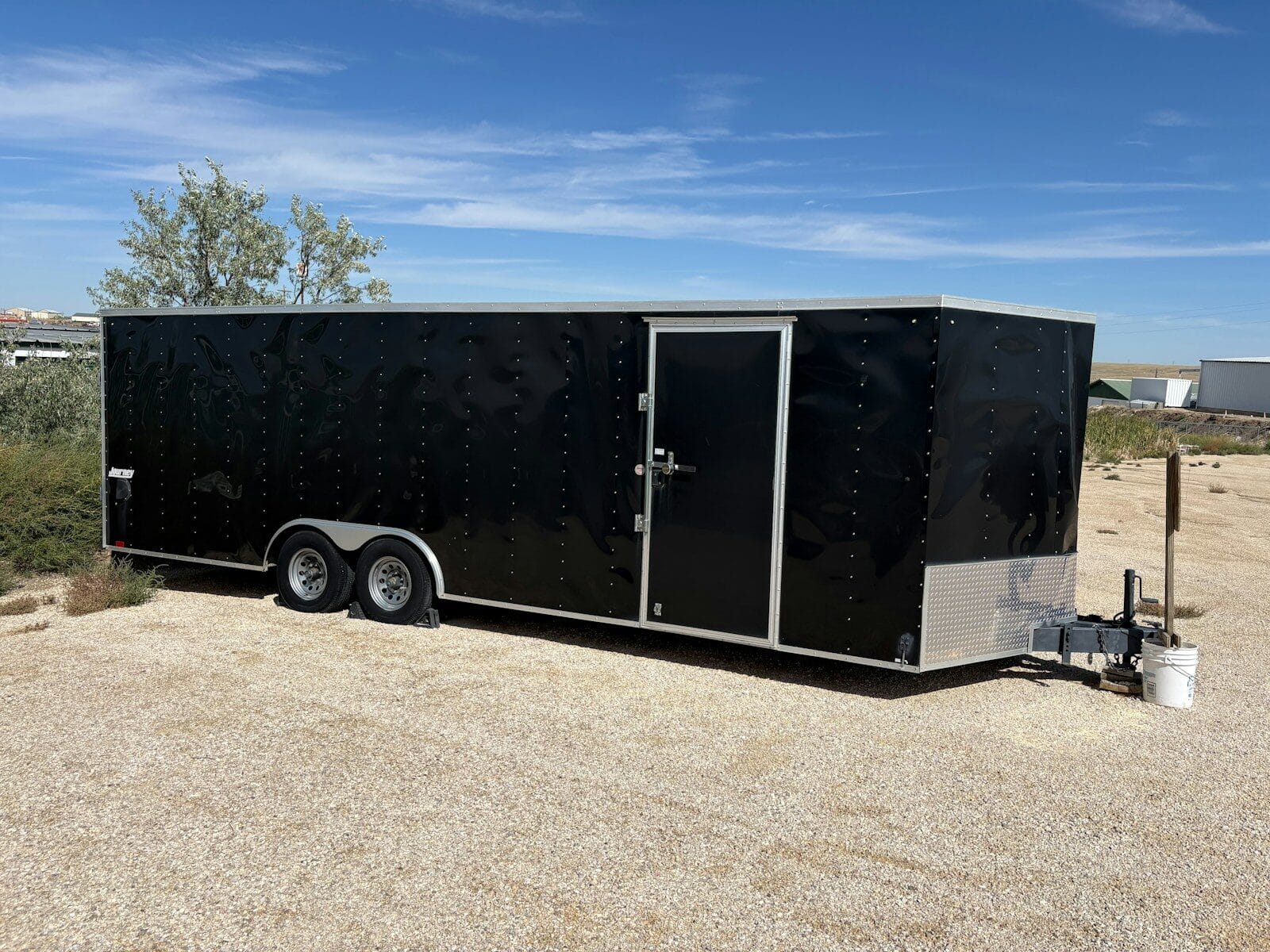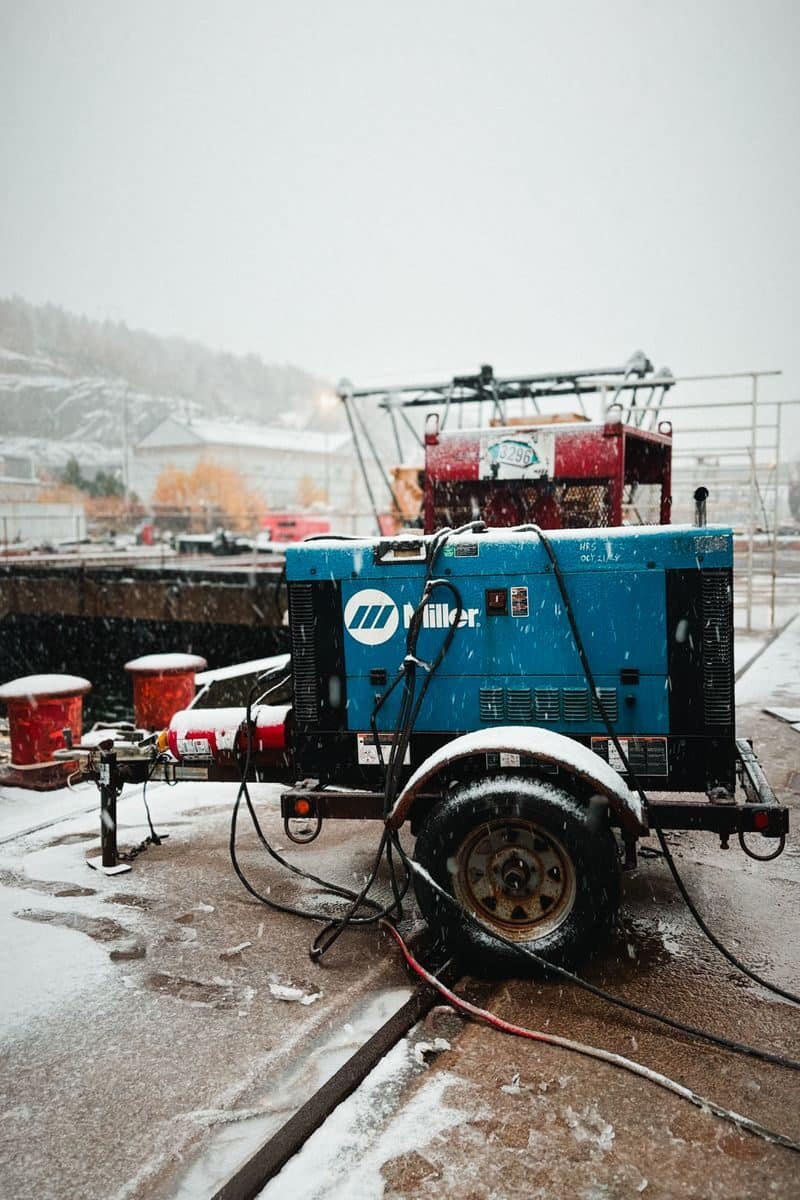
Storm response transportation moves generators, command centers, restroom trailers, and other emergency equipment before, during, and after severe weather. Timing often matters more than distance, since pre-positioned resources and clear routes directly affect how fast communities recover. Interstate Haulers provides nationwide hauling for this type of towable equipment.
Severe weather can shut down entire regions in a matter of hours. Hurricanes, tornadoes, flooding, ice storms, thunderstorms, and wildfires don’t just damage property. They disrupt power grids, communication networks, water systems, and roadways that communities depend on every day.
That’s where storm response transportation comes in. Before a storm makes landfall, equipment has to be staged somewhere safe but accessible. During the response, generators, mobile command units, and restroom trailers need to reach affected areas fast, often under difficult road conditions. And once the immediate crisis passes, recovery crews need reliable transportation to move equipment between job sites for weeks or months.
Transportation logistics directly impact emergency response, public safety, utility restoration, and how quickly a community gets back on its feet. A delayed shipment of generators or a mobile command trailer stuck behind a closed bridge isn’t just an inconvenience. It can mean longer power outages, slower search-and-rescue operations, and a harder road to recovery for the people living there.
We’re Interstate Haulers, a nationwide towable equipment transportation partner specializing in moving boats, RVs, industrial trailers, generators, command trailers, restroom trailers, bunkhouses, and other emergency-support equipment wherever it’s needed. In this guide, we’ll walk through what storm response transportation actually involves and how it supports communities before, during, and after disaster strikes.
What Is Storm Response Transportation?
Storm response transportation is the specialized movement of equipment and supplies that emergency management agencies, utility companies, and relief organizations rely on before, during, and after severe weather events. It’s different from ordinary freight hauling in a few key ways.
Standard freight typically runs on predictable schedules between known locations. Storm response loads don’t work that way. Destinations can change overnight. Routes that were clear yesterday might be flooded or blocked by debris today. And the equipment being hauled, towable trailers carrying generators, communications gear, or temporary housing, often needs specialized handling that general freight carriers aren’t equipped for.
This is why timing often matters more than distance in storm response work. A generator trailer sitting 50 miles away but ready to move within the hour is often more valuable than one sitting closer but tied up in logistics delays.
Equipment commonly transported for storm response includes:
- Utility trailers
- Generator trailers
- Mobile command centers
- Mobile offices
- Restroom trailers
- Shower trailers
- Bunkhouses
- Communication trailers
- Fuel trailers
- Specialty industrial trailers
For a broader look at how transportation systems support emergencies nationally, the Federal Highway Administration’s Emergency Transportation Operations program outlines how federal, state, and local agencies coordinate roadway operations during disasters.
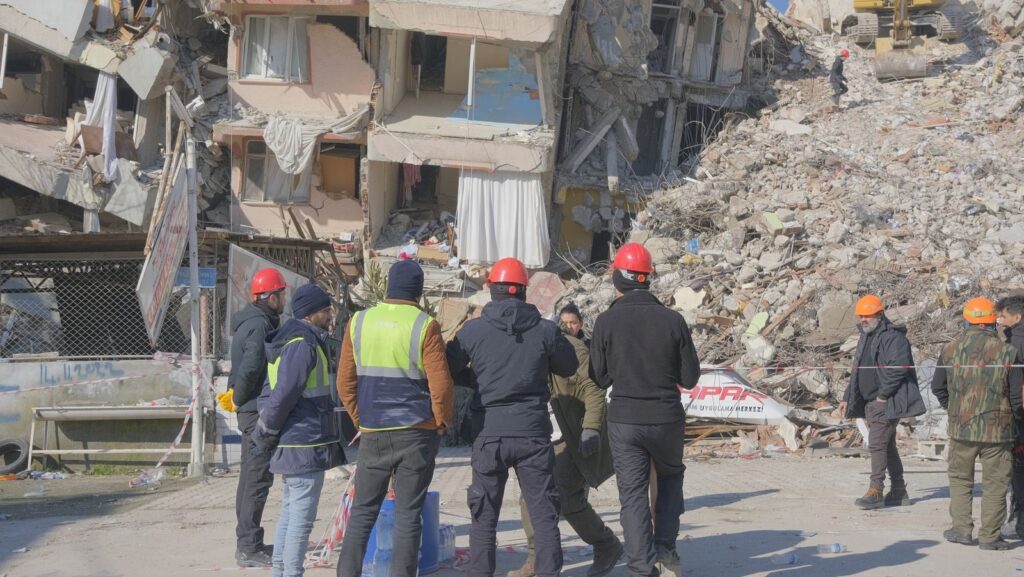
Photo by Emirhan Emiroğlu on Pexels
How Do Organizations Prepare Transportation Before Severe Weather Arrives?
Preparation for storm response emergency transportation often begins days before a storm makes landfall, not hours.
Why Does Monitoring Weather Conditions Matter So Much?
Real-time weather surveillance shapes nearly every transportation decision made before a storm. Hurricane forecasting, flood forecasting, tornado watches, and ice storm predictions all feed into decisions about where equipment should be staged and when it needs to move.
Atlantic hurricane season runs from June 1 through November 30 each year, which means transportation teams supporting Gulf Coast and East Coast operations are watching forecasts closely for roughly six months out of twelve. Transportation plans aren’t set in stone during this window. They evolve constantly as storm tracks shift and forecasts update. The National Weather Service and the NOAA National Hurricane Center are two of the most reliable sources for tracking these changes in real time.
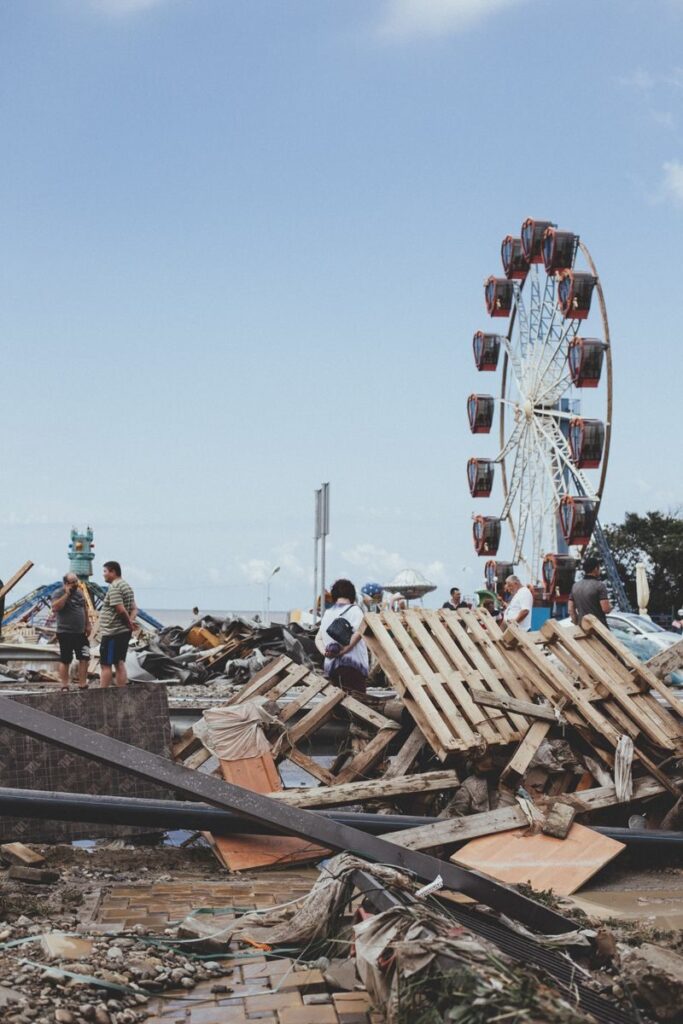
Photo by Елена Кузьмина on Pexels
What Does Pre-Positioning Equipment Outside the Impact Zone Involve?
Pre-positioning means staging equipment near an expected impact area, but far enough outside it to stay safe from the storm itself. This balancing act, close enough to deploy quickly, far enough to avoid damage, is one of the more strategic parts of storm response transportation.
Pre-positioning resources improves response times after severe weather events. Utility trailers, power restoration equipment, portable offices, medical equipment, and mobile command centers are commonly staged this way so they’re ready to move the moment it’s safe to do so.
What Goes Into Transportation Planning Before a Natural Disaster Strikes?
Effective transportation management requires coordinated planning across multiple fronts: emergency plans, contingency plans, route planning, alternate highways, evacuation routes, fuel planning, and backup communication systems all need to be worked out ahead of time.
Transportation management prioritizes life safety and operational continuity above all else. A few specific practices stand out as essential:
- Emergency fuel stockpiles are necessary, since gas stations in affected areas may be closed or out of supply.
- Vehicle inspections are critical before deployment, catching mechanical issues before they become roadside emergencies.
- Continuous two-way communication is essential between drivers, dispatchers, and the agencies receiving equipment.
- Real-time communication systems provide updates as conditions change on the ground.
- Public advisories keep civilians informed about road closures, evacuation orders, and shelter locations.
How Does Transportation Support Large-Scale Evacuations?
Transportation networks enable timely evacuations, and public transportation plays a bigger role in this than many people realize. Transit agencies and bus evacuations can move far more people than personal vehicles alone, particularly in areas with limited car ownership or large populations of people who can’t drive themselves out of harm’s way.
Four-lane highways may evacuate somewhere between 10,000 and 20,000 people per hour, though this range depends heavily on traffic management strategies, roadway design, and local conditions like weather and congestion. Counterflow lanes, where inbound lanes are temporarily converted to outbound traffic, are one tool used to push that number higher during mandatory evacuations.
Public transportation can significantly increase evacuation capacity beyond what personal vehicles achieve alone. Buses may transport up to 15,000 passengers per hour under optimal operating conditions, which matters enormously for medically vulnerable individuals, people with disabilities, and anyone without reliable access to a personal vehicle. Choose bus-based evacuation support if your community includes a high percentage of residents without personal transportation; choose a hybrid approach with both personal vehicle routes and transit options if your area has mixed transportation access.
For planning resources around evacuation and general storm readiness, Ready.gov‘s hurricane preparedness guide offers practical checklists for both individuals and organizations for hurricane relief efforts.
What Happens to Transportation During Immediate Disaster Response?
Once a storm makes landfall, transportation priorities shift almost immediately from preparation to execution while emergency procedures be followed.
What Critical Equipment Moves Into Affected Communities First For Emergency Services?
In the hours and days following a disaster, the priority list typically includes generators, utility trailers, restroom trailers, shower trailers, bunkhouses, mobile command trailers, telecommunications equipment, fuel trailers, and recovery equipment.
These loads serve a wide range of organizations: utility companies restoring power, municipalities managing local response, emergency management agencies coordinating multi-jurisdictional efforts, disaster-response contractors handling cleanup and repair, telecommunications providers restoring service, government agencies overseeing the broader response, and emergency support organizations providing direct aid to residents.
How Do Transportation Teams Navigate Challenging Post-Storm Conditions ?
Post-storm roads are rarely in good shape. Road closures, flooded roads, fallen trees, high winds, damaged bridges, limited fuel availability, curfews, and emergency restrictions all complicate what would otherwise be a straightforward delivery.
Route flexibility becomes non-negotiable in these conditions. Real-time rerouting and the ability to make rapid destination changes, sometimes with only a few hours’ notice, separate transportation partners who can keep up with disaster response from those who can’t. Constant communication between drivers and coordinators keeps everyone aware of changing conditions as they unfold.
Best practices in this phase focus on four things: communication, flexibility, safety, and vehicle readiness. Skipping any one of these creates risk, both for the driver and for the communities waiting on that equipment.
Why Does Clear Transportation Corridors Matter So Much After a Storm and Emergency Preparedness?
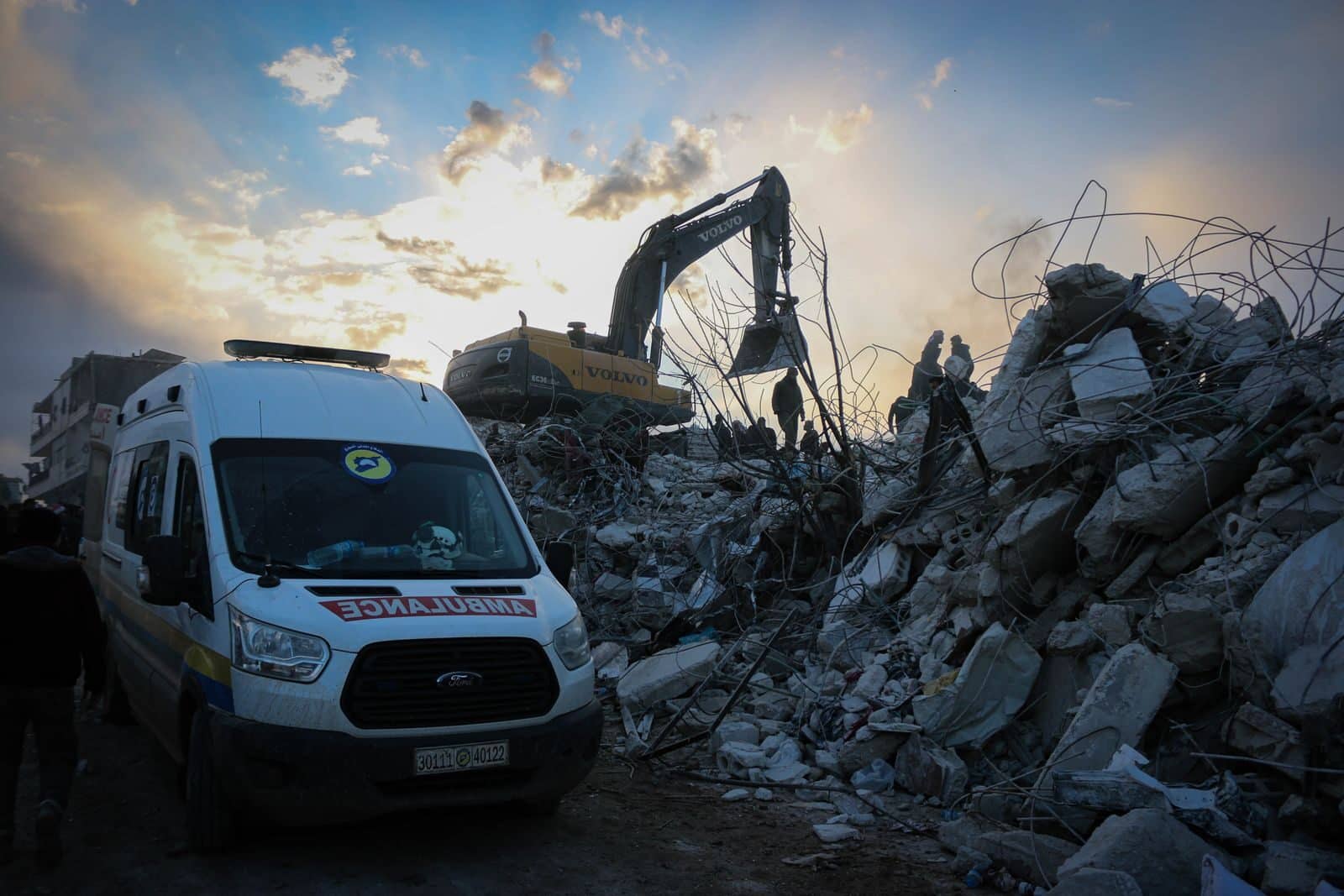
Prioritizing life-safety corridors is critical in the immediate aftermath of a disaster. Unobstructed corridors allow search and rescue teams to reach people who need help, which makes route clearance and debris removal some of the very first tasks undertaken after a storm passes.
Clear roads matter beyond rescue operations too. Robust freight networks support emergency supplies like food, water, and medical equipment reaching affected areas. Critical transportation infrastructure requires auxiliary backup power to keep traffic signals, bridges, and communication systems functioning when the grid is down. Rapid emergency response depends on clear routes, and clear roads are essential for post-storm assessments that determine where help is needed most urgently.
How Do Agencies Coordinate Transportation During a Disaster Response?
Multi-agency coordination through unified command structures helps prevent the chaos that can come from multiple organizations working the same disaster without a shared plan. FEMA, utility providers, local governments, emergency contractors, and telecommunications companies all typically operate under an incident command system that defines clear roles, responsibilities, and communication channels.
The Department of Homeland Security, which oversees FEMA, and FEMA.gov itself are useful resources for understanding how federal coordination fits into local and state response efforts.
How Long Does Long-Term Recovery Transportation Usually Take?
Recovery from a major storm often lasts weeks or months, not days, and transportation needs change shape throughout that process.
Why Does Equipment Keep Moving Between Job Sites During Recovery?
Utility restoration, infrastructure repair, communication restoration, temporary housing, and mobile offices all require equipment to relocate as work progresses. It’s common for the same generator trailer or mobile command unit to move multiple times throughout a single recovery effort as crews finish one job site and move to the next.
What Happens When Equipment Is Returned After Operations End?
Demobilization, the process of winding down a response, requires its own transportation plan. Equipment needs inspections before it’s returned, and coordinating nationwide transportation back to its home base or next assignment takes just as much planning as getting it into the disaster zone in the first place. Minimizing downtime between jobs matters for organizations managing tight equipment inventories.
How Does Transportation Support Broader Community Recovery?
Communities benefit from resilient infrastructure, and transportation infrastructure supports long-term recovery in ways that go beyond the immediate disaster response. Restoration of transportation systems helps communities return to normal, whether that means reopened highways, restored public transit, or repaired bridges.
Infrastructure should be inspected before reopening to the public, and restoration of transit supports economic recovery by getting workers back to their jobs and goods moving through supply chains again.
What Do Organizations Learn After Every Storm?
After-action reviews and performance evaluations are standard practice following major disaster responses. Post-storm evaluations improve future responses by identifying what worked, what didn’t, and where communication or coordination broke down. These lessons feed directly into better emergency plans, stronger agency coordination, and clearer communication protocols for the next event.
What Challenges Do Organizations Face With Storm Response Transportation?
Storm response transportation comes with a unique set of operational hurdles. Demand for transportation spikes dramatically right before and after a major storm, often outpacing available capacity. Limited truck availability, fuel shortages, and driver scheduling conflicts can all slow down equipment movement at exactly the moment speed matters most.
Emergency permits add another layer of complexity, since oversized or specialized loads often require specific authorizations that vary by state. Weather uncertainty makes planning difficult, road closures can force last-minute rerouting, and destination changes are common as response priorities shift on the ground.
Working with experienced transportation specialists reduces these delays. Choose a transportation partner with disaster-response experience if your organization needs guaranteed responsiveness during peak demand periods; choose a general freight carrier only for non-time-sensitive, non-emergency loads.
Which Industries Depend on Storm Response Transportation?
A wide range of organizations rely on storm response transportation to carry out their missions, including:
- Utility companies restoring power and infrastructure
- Telecommunications companies repairing communication networks
- FEMA contractors supporting federal disaster response
- Municipal governments managing local emergency operations
- Counties coordinating regional response efforts
- Emergency management agencies overseeing multi-jurisdictional response
- Public utilities maintaining water and power systems
- Disaster recovery contractors handling cleanup and rebuilding
- Temporary housing providers delivering mobile living units
- Mobile medical providers offering emergency healthcare services
- Construction companies rebuilding damaged infrastructure
- Public works departments restoring local services
Why Do Organizations Choose Interstate Haulers for Storm Response Transportation?
We’ve been family-owned since 1997, giving us nearly 30 years of experience moving specialized, towable equipment across the country. That experience matters when a storm is bearing down and there’s no room for error.
Here’s what organizations working with us can expect:
- Nationwide transportation coverage, not limited to a single region or corridor
- Specialty hauling expertise for oversized towable equipment, including generators, command trailers, and restroom trailers
- Full FMCSA compliance on every haul
- Transparent communication from the first call through final delivery
- Personalized service tailored to each organization’s specific needs
- Reliable scheduling, even when destinations change on short notice
If your organization needs an efficient transportation partner who understands what’s at stake during storm response, we’d welcome the chance to talk through your needs. Request a quote and let’s build a plan before the next storm hits.
Frequently Asked Questions
What is a disaster response vehicle?
A disaster response vehicle is any vehicle or towable unit designed to transport emergency personnel, supplies, communications equipment, generators, mobile command centers, or other critical assets during an emergency. This can include specialized trailers, mobile command units, and equipment haulers built to move quickly into affected areas.
How do you get hired for storm cleanup?
Utility contractors, debris removal companies, emergency management organizations, logistics providers, and government contractors typically look for workers and partners with relevant safety certifications, prior disaster-response experience, and a clean compliance record. Building relationships with these organizations before storm season, rather than during an active response, generally improves your chances of getting called when help is needed.
What is FEMA called now?
FEMA is still officially known as the Federal Emergency Management Agency and remains part of the U.S. Department of Homeland Security. The agency has been under active review: the president’s FEMA Review Council, established by Executive Order 14180, released its final report on May 7, 2026 (FEMA.gov press release HQ-26-056). DHS Secretary Markwayne Mullin described FEMA’s intended role going forward as “not the first responder, but rather a force multiplier standing shoulder to shoulder with states, tribes, and local governments.” Reform discussions are ongoing, but the agency’s name and its place within DHS remain unchanged for now.
What are the Five P’s of disaster management?
The Five P’s of disaster management are Prevention, Preparedness, Protection, Response, and Recovery. Transportation plays a role in each phase: prevention and preparedness depend on route planning and pre-positioned equipment, protection relies on clear evacuation corridors, response requires rapid equipment deployment into affected areas, and recovery depends on sustained, flexible hauling capacity as communities rebuild.
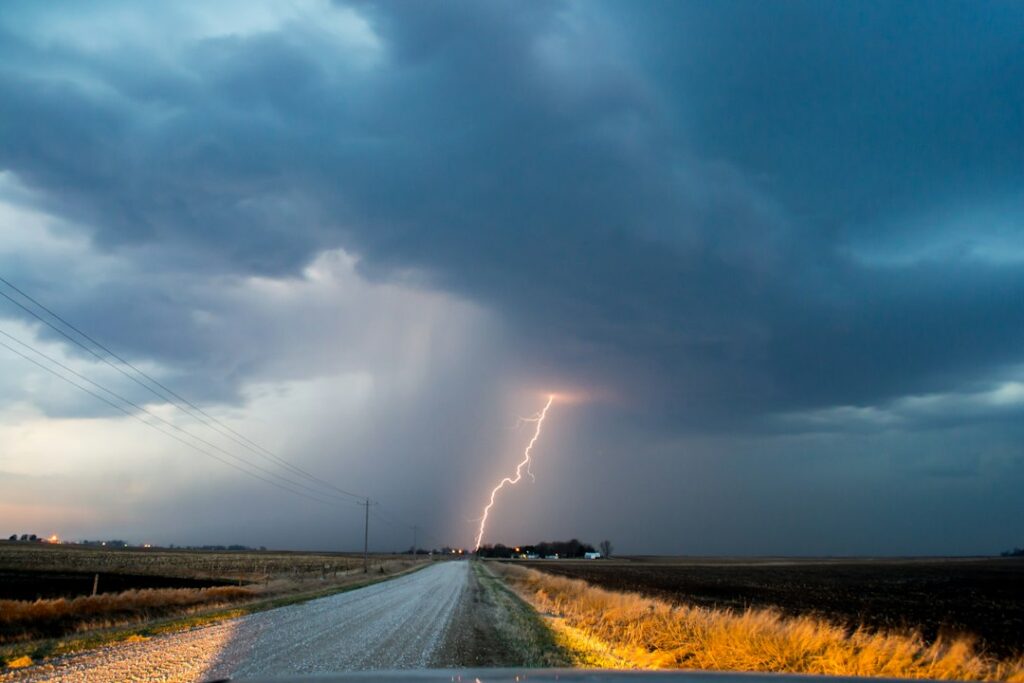
Planning for the Next Storm Starts Now
Storm response transportation is far more than moving trailers from point A to point B. It’s a coordinated effort that touches every phase of a disaster, from pre-positioning equipment days before landfall to returning assets safely once recovery work wraps up.
Preparation before a storm reduces response times when it matters most. Reliable transportation supports the emergency services, utility companies, and government agencies working to protect communities. Flexible logistics help these organizations adapt as road conditions, destinations, and priorities shift by the hour. And long-term recovery depends on having an experienced transportation partner who can keep equipment moving for as long as it takes.
We provide nationwide transportation for specialized towable equipment before, during, and after severe weather events. If your organization is building out a storm response plan, contact Interstate Haulers to talk through your transportation needs today.