
Restroom trailer transport moves towable mobile restroom units to events, construction sites, and disaster zones nationwide. Interstate Haulers specializes in transporting restroom trailers—not renting, servicing, or pumping them—using experienced drivers, careful route planning, and FMCSA-compliant equipment to deliver facilities safely and on schedule.
When a hurricane knocks out a town’s water supply or a festival expects ten thousand guests, someone has to get sanitation facilities to the right place, on time, and in one piece. That’s where restroom trailer transport comes in.
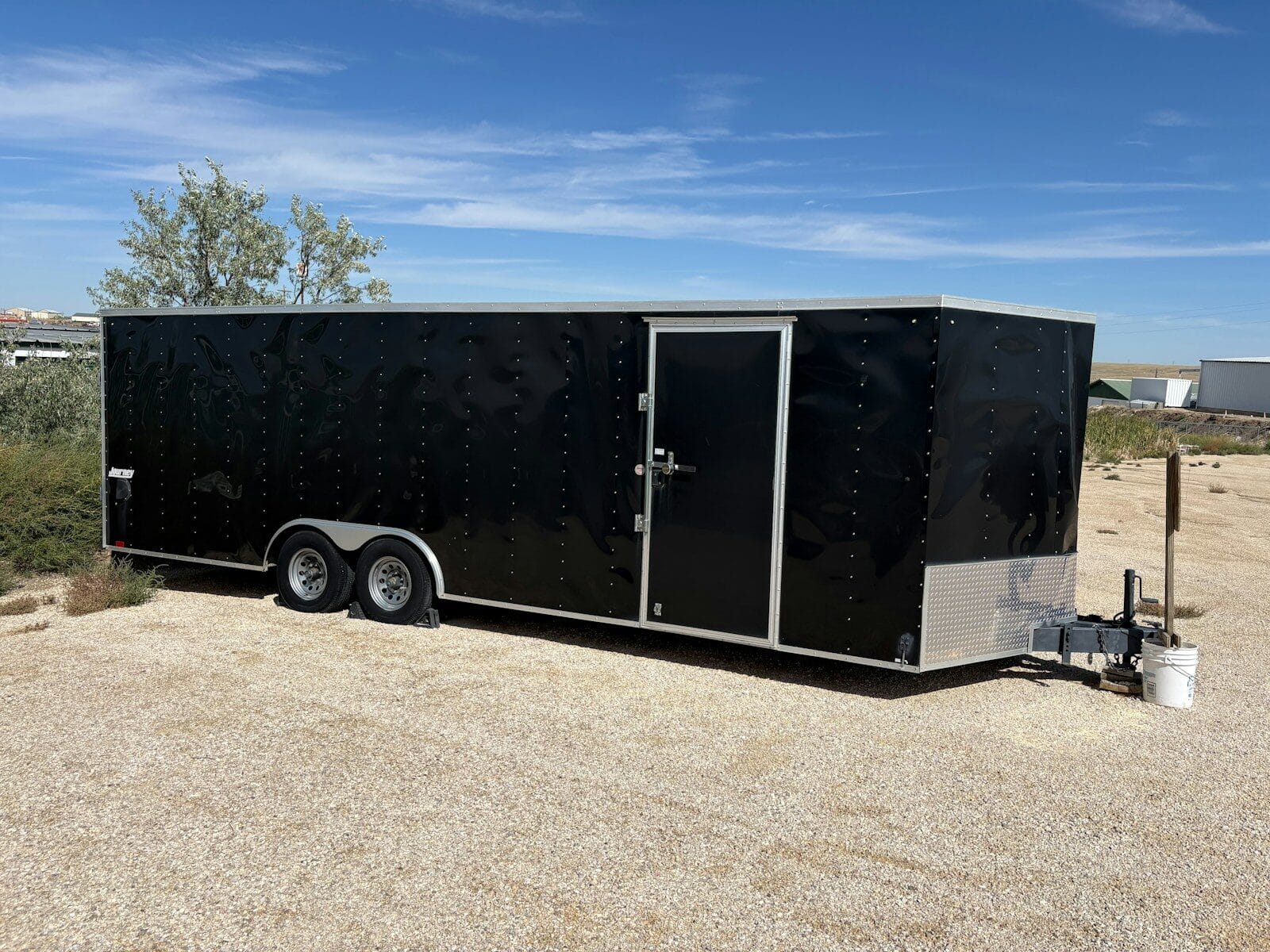
Restroom trailers are towable mobile restroom facilities, often equipped with multiple stalls, sinks, lighting, running water, climate control, flushable porcelain toilets, ADA accessibility, and sometimes shower combinations. They’ve become essential tools for emergency response agencies, contractors, event planners, and government organizations that need reliable sanitation without permanent infrastructure.
It’s worth clarifying upfront: Interstate Haulers transports restroom trailers. We do not provide restroom trailer rentals, sanitation, pumping, or maintenance services. Our role begins and ends with getting these trailers safely from point A to point B, so rental companies, municipalities, and disaster response agencies can focus on what they do best.
This guide covers what restroom trailers are, which industries depend on them, and how restroom trailer transport actually works—from pickup coordination to final placement.
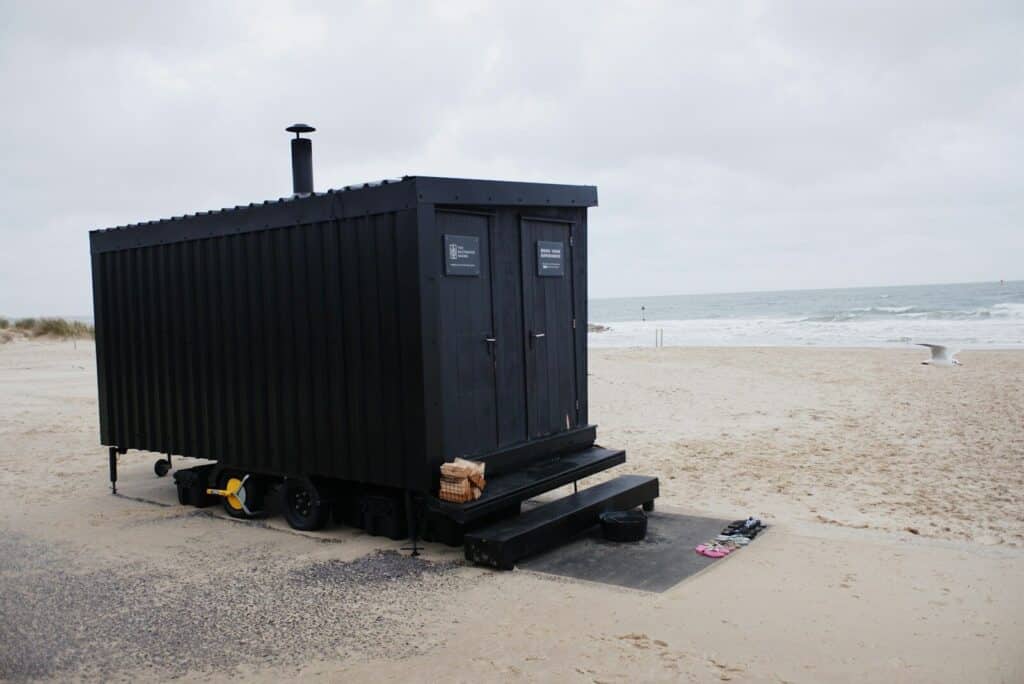
Photo by Jez Williams on Unsplash
What Are Portable Restroom Trailers?
How Are Restroom Trailers Different From Portable Toilets?
A single portable toilet is a standalone unit. A restroom trailer is a portable toilet transport trailer with structure that houses multiple stalls along with running water, flushable porcelain toilets, climate control, lighting, mirrors, interior sinks, and premium finishes. Many luxury portable restroom trailers also include ADA-accessible stalls and shower combinations, offering a far more comfortable experience than a standard porta-potty.
What Types of Restroom Trailers Are There?
Standard restroom trailers cover basic multi-stall needs for everyday events and work sites.
Luxury restroom trailers add climate control, upscale finishes, flush toilets, running water, and premium amenities—popular for weddings and corporate events.
ADA restroom trailers include wider entrances, handrails, and wheelchair accommodations to meet accessibility needs.
Combination restroom and shower trailers pair outdoor bathrooms with shower stalls, making them a staple for military operations, disaster response, and remote job sites where crews may be stationed for weeks at a time.
Photo by Eddy Ymeri on Unsplash
Which Industries Depend on Restroom Trailer Transport?
Restroom trailer transport plays a role in nearly every setting where permanent plumbing isn’t available or isn’t enough.
How Does Restroom Trailer Transport Support Disaster Relief and Emergency Response?
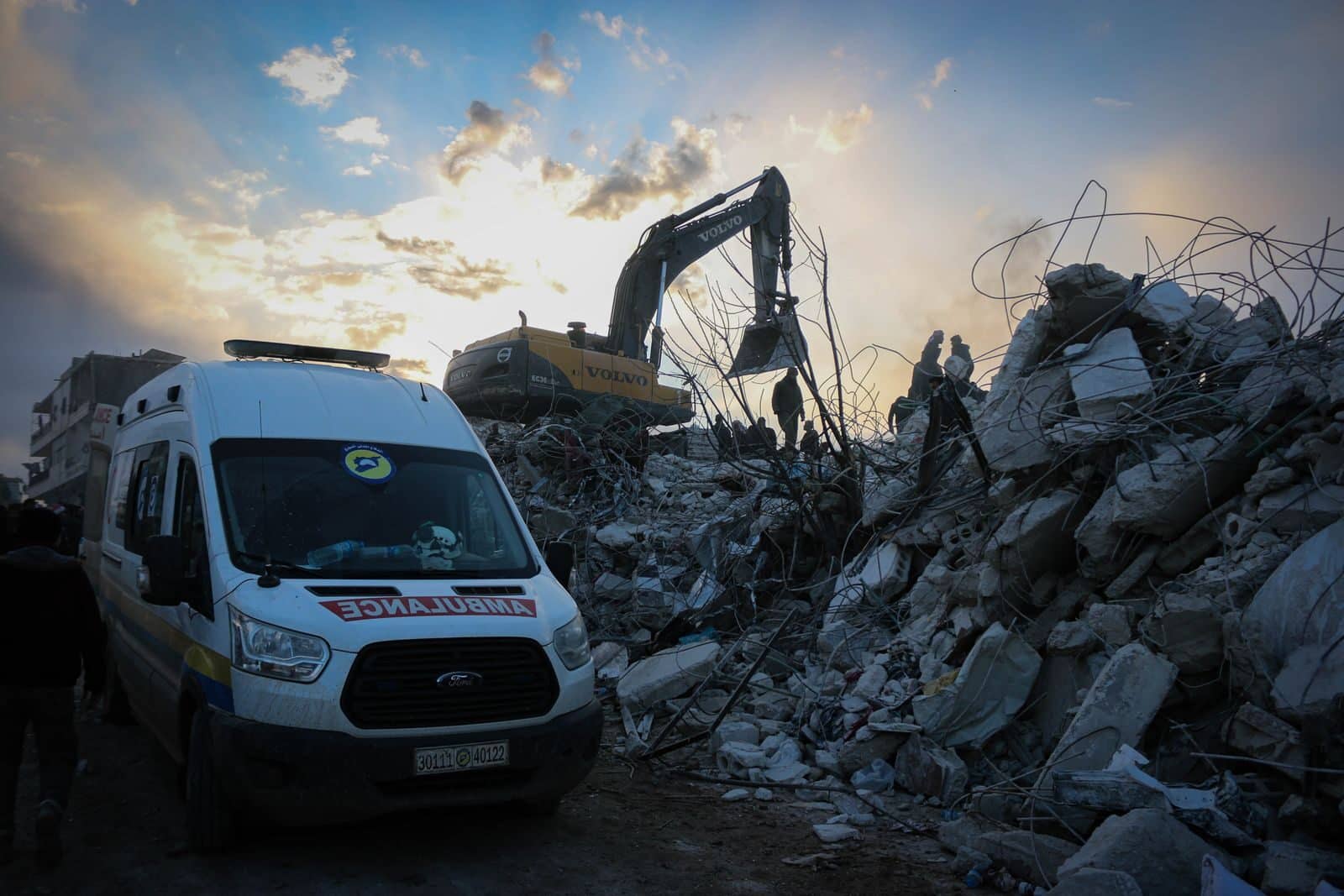
This is the largest and most time-sensitive use case. Hurricanes, floods, tornadoes, wildfires, earthquakes, and infrastructure failures like water main breaks can damage, destroy, or overwhelm permanent restrooms overnight. When facilities are unsafe or lack water and sewer access, restroom trailers restore basic sanitation until infrastructure is repaired.
Restroom trailers commonly appear at emergency shelters, temporary housing sites, medical stations, command centers, and utility staging areas following a disaster. Agencies coordinating this kind of response, including FEMA, rely on fast, dependable transportation to mobilize equipment where it’s needed most. For broader context on how federal disaster response works, see FEMA’s disaster response and recovery resources.
Why Do Construction Sites Need Restroom Trailer Transport?
Long-term commercial construction, infrastructure projects, utility work, and road construction crews benefit from restroom trailers over standard portable toilets, especially on extended projects where crew comfort and sanitation standards matter. OSHA’s jobsite sanitation rules under 29 CFR 1926.51 require employers to provide a set number of toilets based on crew size—generally one toilet for 20 or fewer workers, scaling up from there (OSHA, 2006). Reviewing OSHA’s sanitation standard interpretation can help site managers plan appropriately.
How Are Restroom Trailers Used at Large Events?
Festivals, concerts, sporting events, community gatherings, and county fairs all draw large crowds that overwhelm standard restroom capacity. Restroom trailers help organizers meet guest comfort expectations and ADA compliance while managing high foot traffic over a short window.
Are Restroom Trailers Common at Weddings Venues and Special Events?
Outdoor weddings and venues without adequate indoor plumbing often turn to luxury portable toilets These units bring upscale amenities to intimate gatherings and mid-sized events without sacrificing guest experience.
Do Film Shoots Use Restroom Trailers?
Remote filming locations frequently require mobile restroom facilities for cast and crew, particularly on multi-day shoots far from permanent buildings.
How Do Government Operations Use Restroom Trailers?
Municipal projects, military operations, public works, election sites, and emergency management agencies all rely on restroom trailers for temporary or mobile sanitation needs.
When Are Restroom Trailers Used for Plumbing Disruptions and Renovations?
Buildings that lose plumbing service or undergo restroom renovations often need temporary facilities to keep operations running without interruption.
How Do You Choose the Right Restroom Trailer?
The right trailer depends on crowd size and purpose.
Small events are typically well-served by 2–4 bathroom trailers.
Large events need 5–10 stall trailers to accommodate bigger crowds without long wait times.
Luxury restroom trailers suit weddings and upscale gatherings with climate control, flushable porcelain toilets, running water, interior sinks, premium finishes, lighting, and mirrors.
ADA trailers are necessary wherever accessibility requirements apply.
Combination shower trailers are ideal for disaster relief, emergency response, military operations, and long-term job sites where crews need more than just a restroom.
How Does Interstate Haulers Handle Restroom Trailer Transport?
How Is Pickup Coordinated?
Pickup can occur at a manufacturer, dealer, rental company, or storage yard, depending on where the trailer originates.
What Goes Into Route Planning for Restroom Trailer Transport?
Route planning accounts for road width, bridge clearance, weight restrictions, height restrictions, and overhead utility lines. Many restroom trailers qualify as oversized loads, which require careful routing and, in some cases, special permits. The U.S. Department of Transportation offers general guidance on oversized transport policy for context.
How Is a Restroom Trailer Prepared for Transport?
Before a trailer moves, waste tanks are emptied, fresh water systems are drained or prepared, tire pressure and condition are inspected, and interior fixtures, doors, and equipment are secured for the road.
What Tow Vehicle Requirements Apply to Restroom Trailer Transport?
A proper GVWR-rated tow vehicle, compatible braking system, correct hitch, and weight distribution setup are essential to prevent trailer sway and maintain safe control during transport.
How Does Delivery Work?
Delivery is scheduled directly with the receiving site, with coordination around arrival timing, positioning, and parking. If operations shift locations mid-project, relocation can often be arranged.
How Should You Prepare Your Site Before Restroom Trailer Delivery?
A smooth delivery starts with the right site conditions: flat, solid ground; level, firm soil; a stable parking surface; and enough space for maneuvering and service truck access. It also helps to plan for nearby water and electrical hookups, though utility connections are completed after the trailer arrives.
What Are the Best Practices for Restroom Trailer Placement?
Once parked, a restroom trailer should be leveled on stable ground. Indoor placement is possible with proper planning, but accessibility, surrounding space, and drainage all need consideration to keep the unit functional and easy to service.
What Safety Considerations Matter During Restroom Trailer Transport?
Safe transport depends on thorough trailer inspections, secure cargo, proper weight distribution, and oversized load permits where required. Drivers must meet FMCSA compliance standards, including experience requirements, functioning brakes, and routine tire inspections before every haul.
Weight matters here: some restroom trailers weigh well over 10,000 pounds, and specialized commercial or mobile sanitation units can vary significantly depending on size and configuration. Accurate weight data is essential for choosing the right tow vehicle and securing the correct permits.
Who Maintains a Restroom Trailer After Delivery?
Interstate Haulers doesn’t perform maintenance, but it’s worth knowing what upkeep looks like. Restroom trailer owners or rental providers typically handle cleaning, stocking soap and paper towels, managing holding tanks, and running routine functionality checks. Encouraging proper handwashing practices, as outlined by the CDC, also supports hygiene once the trailer is in use.
Why Choose Interstate Haulers for Restroom Trailer Transport?
Interstate Haulers has operated as a family-owned transportation company since 1997, bringing nearly 30 years of specialty trailer hauling experience to every job. As a nationwide restroom trailer transport provider, Interstate Haulers offers professional communication, reliable scheduling, FMCSA compliance, and personalized superior customer service on every haul.
Whether you’re coordinating disaster relief logistics, planning a large event, or managing a long-term job site, request a transportation quote from Interstate Haulers to get your restroom trailer where it needs to go, safely and on schedule.

Photo by Zulfugar Karimov on Unsplash
Frequently Asked Questions
How much does a luxury restroom trailer usually cost?
Basic single-unit or small restroom trailers typically cost between $10,000 and $30,000 to purchase, according to Satellite Industries, a major manufacturer of portable restrooms and restroom trailers (Satellite Industries). Larger, luxury trailer, ADA, and shower-combination units generally cost more, though exact pricing varies by manufacturer and configuration.
Is renting out restroom trailers a good business?
Rental pricing offers a sense of the demand: a basic 2-station restroom trailer typically rents for $2,799 to $3,399 per event, covering a Friday-through-Monday rental window (Stahla Services, 2026). Rental rates and business viability depend on the rental company, not on Interstate Haulers, which focuses solely on transportation.
Do I need a permit for a porta potty?
In most cases, portable toilets and restroom trailers don’t require a permit for the unit itself. Construction sites generally don’t need a permit for a toilet, though OSHA sanitation rules still apply. Requirements vary by city and county, and large public events may need event permits that include a sanitation plan, so it’s best to check with the local health department. Note that this is separate from oversized-load transport permits, which Interstate Haulers manages as part of the hauling process.
Do I need a CDL to drive a porta potty truck?
It depends on the vehicle’s weight. A Class B CDL is required for a single vehicle with a gross vehicle weight rating (GVWR) of 26,001 pounds or more (FMCSA). For combination vehicles, a CDL is generally required only if the combined GVWRs exceed 26,000 pounds and the trailer’s GVWR exceeds 10,000 pounds (NATM). Drivers should also check state-specific DMV requirements, since rules can vary.
Getting Restroom Trailers Where They’re Needed, Safely
Restroom trailer transport keeps essential sanitation moving to the places that need it most: disaster zones, construction sites, festivals, weddings, film sets, and government operations. Getting it right takes careful route planning, proper equipment preparation, and drivers who understand how to handle specialty trailers safely.
For disaster-prone regions, staying informed through resources like the National Weather Service and Ready.gov can help organizations plan ahead for emergency sanitation needs before disaster strikes.
Interstate Haulers specializes in transporting restroom trailers—not renting or servicing them—bringing nearly 30 years of experience to every nationwide delivery. If you need restroom trailer transport for an upcoming project, event, or emergency response effort, request a quote today and let Interstate Haulers handle the hauling.