Shower trailer transport is the specialized hauling of mobile shower units to disaster zones, work camps, and temporary facilities. Because these trailers carry plumbing, electrical systems, and water tanks, safe delivery requires careful weight distribution, proper hitching, and route planning. Interstate Haulers transports shower trailers nationwide but does not rent, operate, or set up the units.
When a hurricane knocks out water service to an entire county, or a remote pipeline crew sets up camp 50 miles from the nearest town, clean water for bathing becomes an immediate problem. Shower trailers solve that problem, but only after they’ve made it safely to the site. A trailer full of plumbing, water tanks, and electrical systems is a different kind of cargo than a typical enclosed trailer, and moving one across state lines takes planning that goes beyond simply hitching up and driving off.
This guide walks through what shower trailers are, who relies on them, and what it actually takes to transport one safely — from pre-trip preparation to route planning and site coordination. It’s written for emergency managers, construction site supervisors, event planners, and anyone else who needs to understand how shower trailer transport works before they request a quote.
One note up front: Interstate Haulers transports shower trailers. The company does not rent trailers, operate them, or handle plumbing setup. That distinction matters, and we’ll return to it later in this guide.
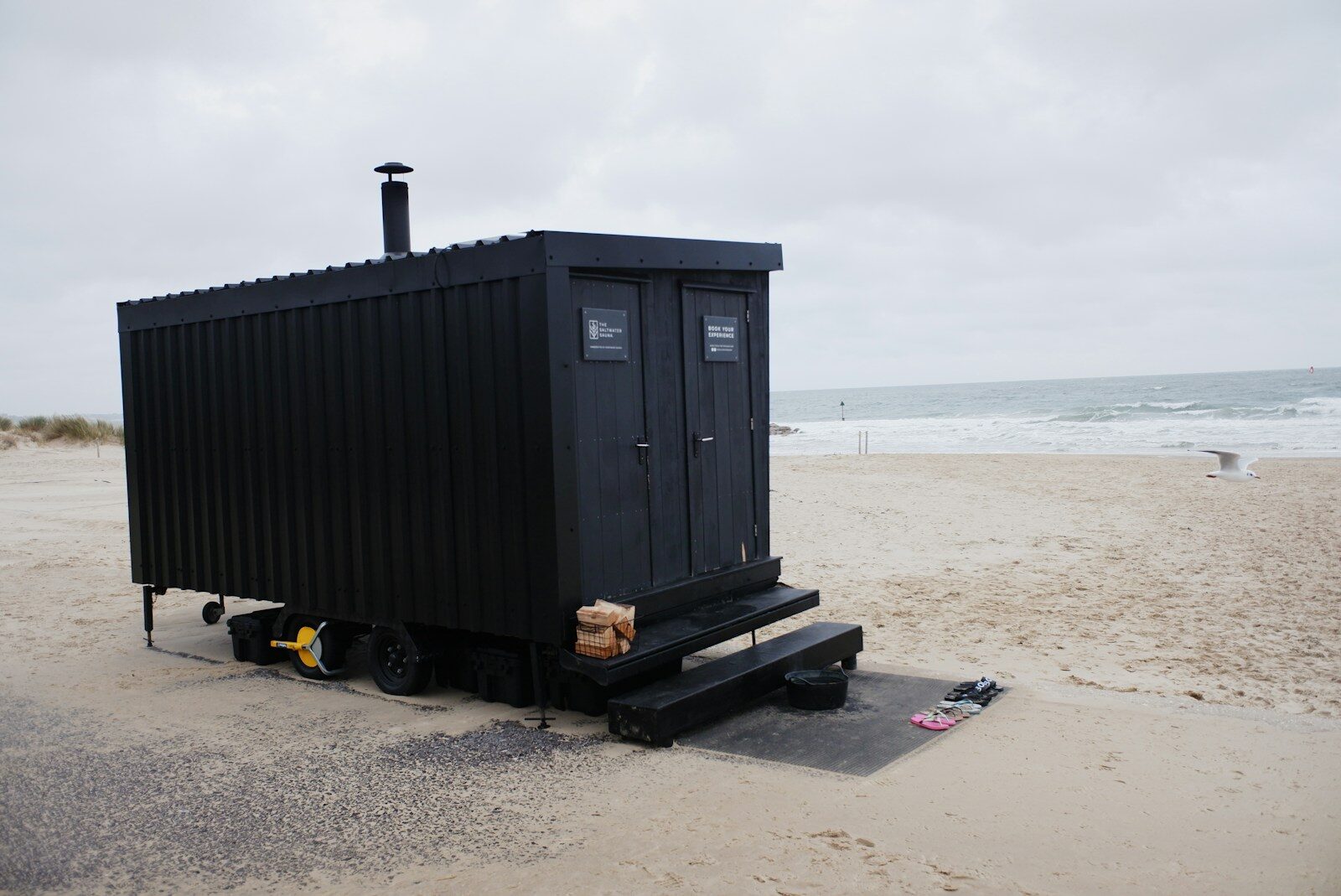
Photo by Jez Williams on Unsplash
What Is a Shower Trailer?
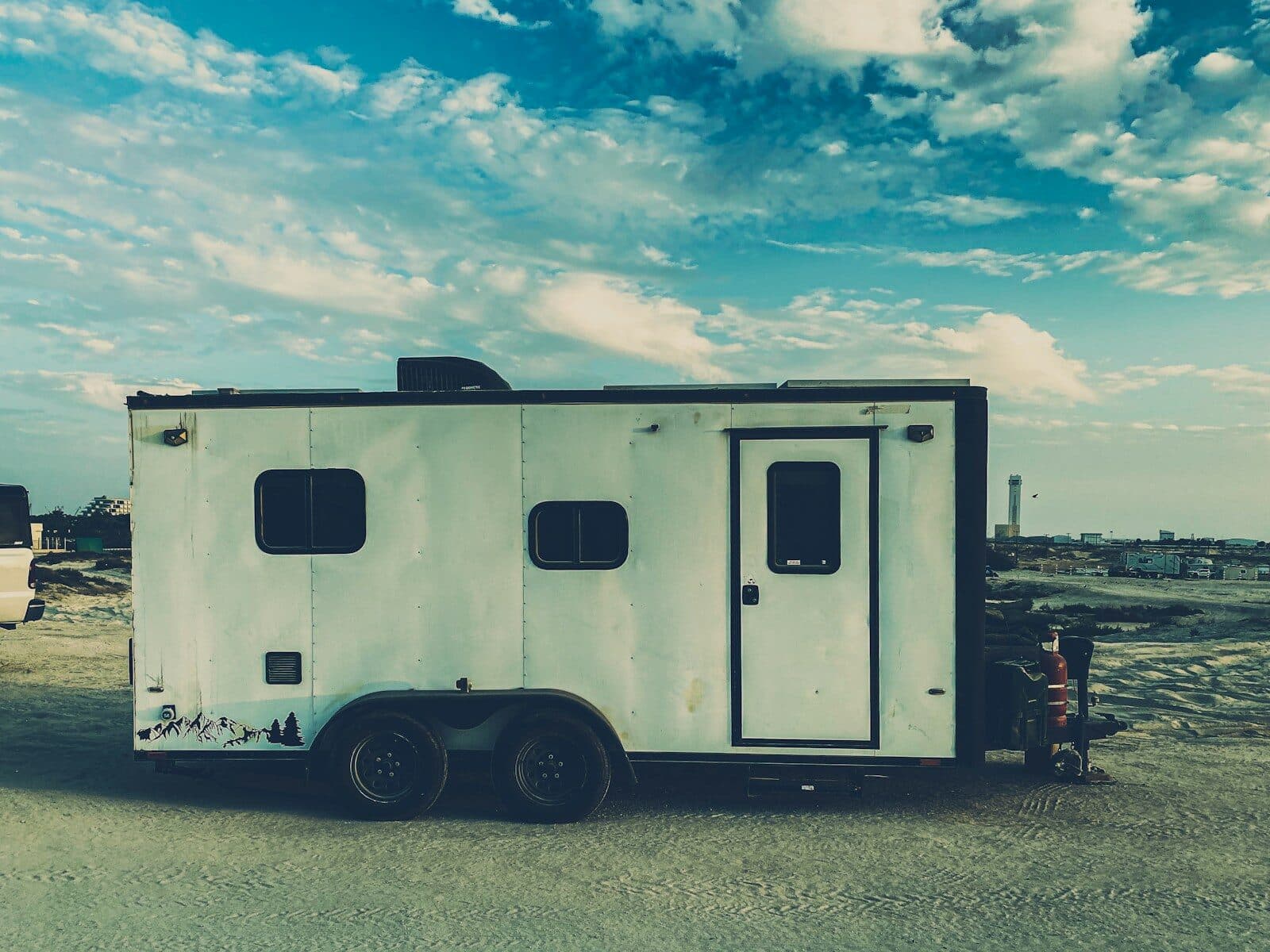
A shower trailer — sometimes called a mobile shower trailer or portable shower trailer — is a self-contained unit that provides temporary bathing facilities when permanent plumbing is unavailable, damaged, or simply not enough to meet demand.
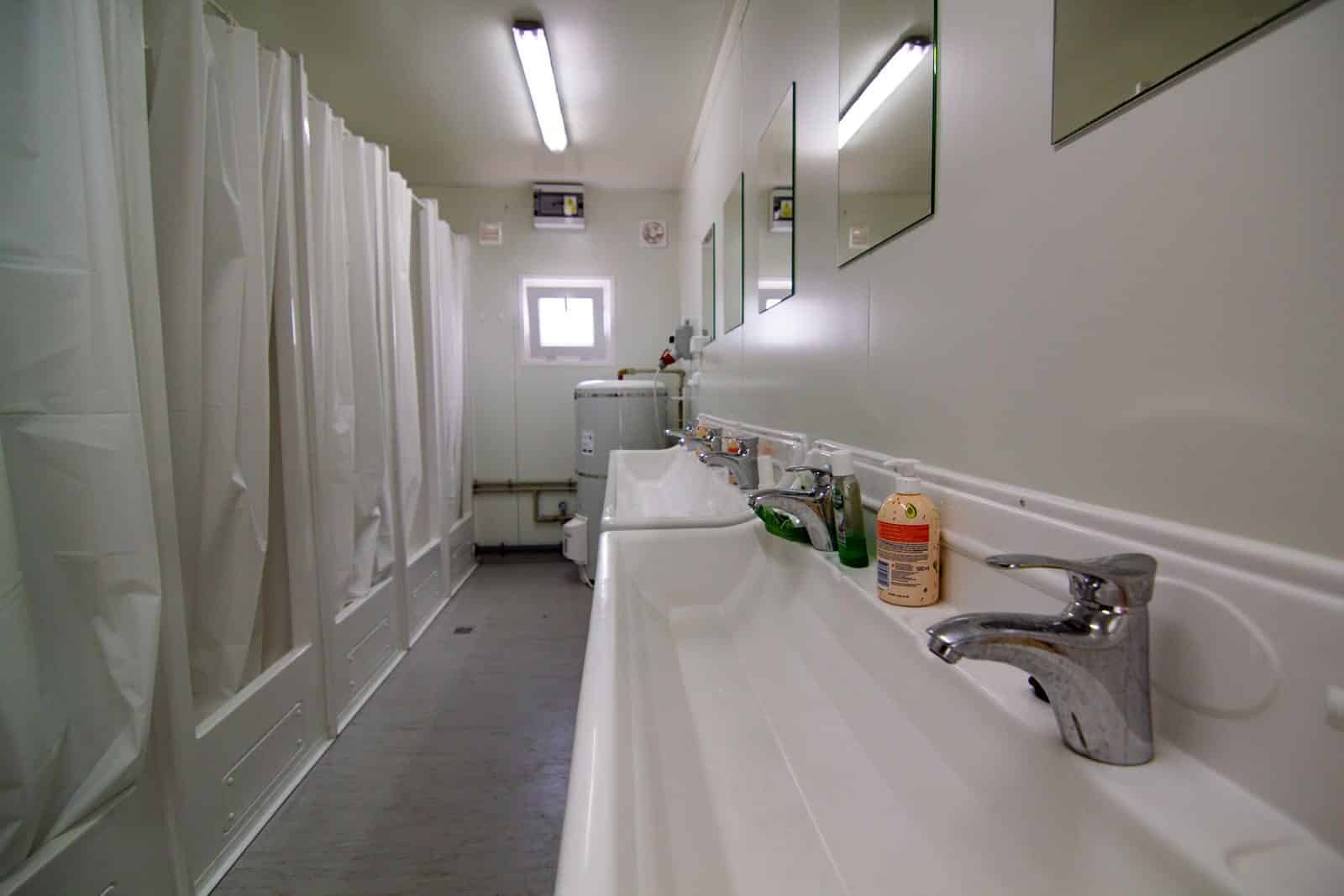
Most shower trailers include:
- Running hot and cold water
- Private shower stalls with curtains or doors
- Separate changing areas
- Ventilation systems
- Interior and exterior lighting
- Built-in wastewater tanks
- Climate control, including air conditioning and heating
- Sinks for handwashing
Many newer units are also built to be wheelchair accessible, which matters for disaster shelters and public events where accessibility isn’t optional. Depending on the model, a shower trailer may be designed to stay towable for repeated relocation, or it may be set up as a stationary unit for the duration of a deployment.
When Do Organizations Need Shower Trailer Transport?
Shower trailers show up in a wide range of settings, and the transportation needs look different depending on the mission.
How are shower trailers used in disaster relief operations?
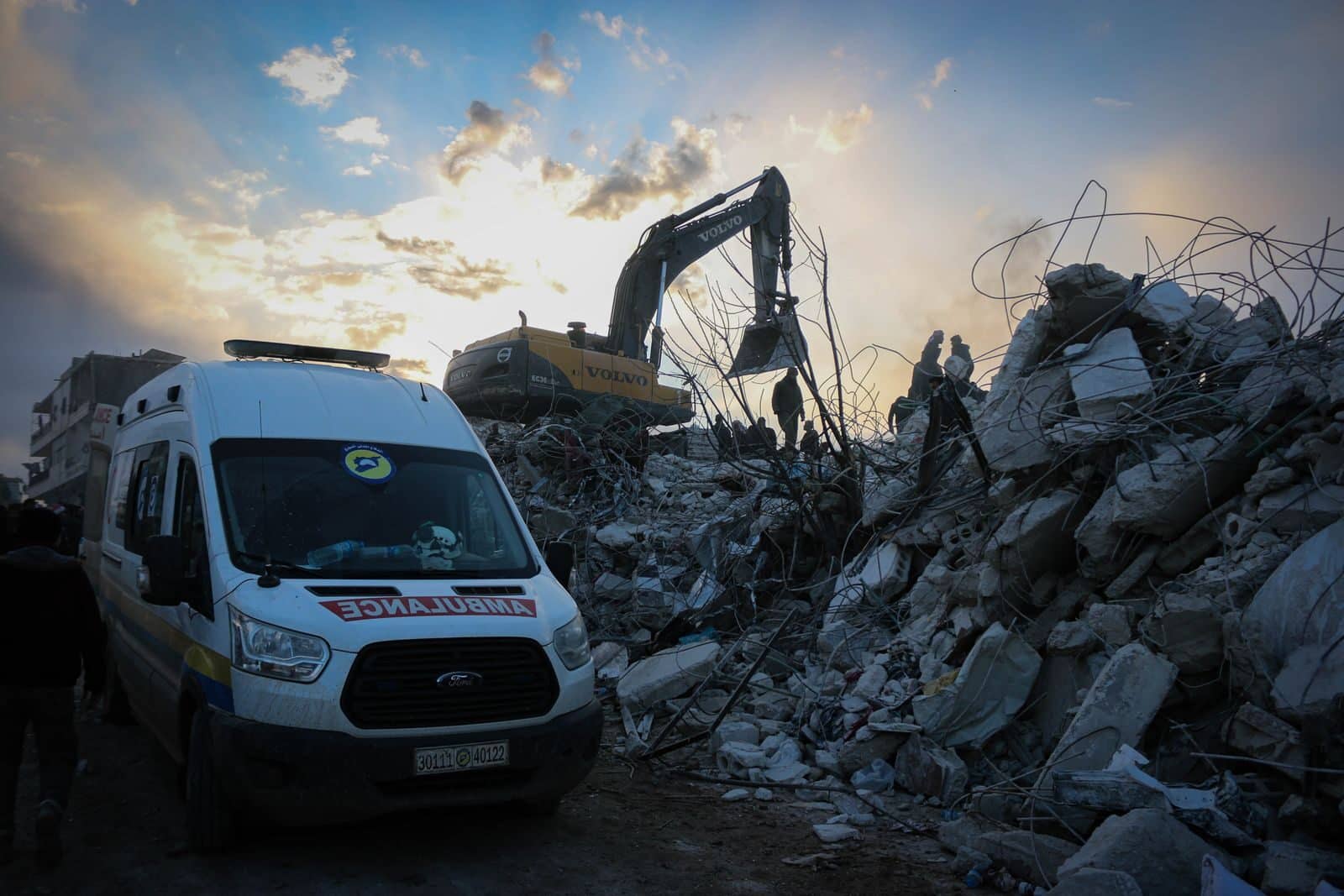
Hurricanes, floods, tornadoes, wildfires, and infrastructure failures all share one consequence: they can knock out water and sanitation service for thousands of people at once. When that happens, shower trailers are deployed to emergency shelters, temporary housing communities, disaster command centers, utility restoration camps, FEMA staging areas, and other emergency response facilities.
Timing is critical in these situations. According to Ready.gov, effective disaster response depends on pre-positioned resources and fast, coordinated logistics — shower trailer transport is one piece of that larger response chain. FEMA’s disaster response and recovery resources outline how temporary facilities, including sanitation units, factor into coordinated emergency operations.
Why do construction and remote job sites need shower trailer transport?
Large construction projects, utility work, mining operations, pipeline construction, remote energy projects, and long-term infrastructure jobs often put crews far from existing plumbing. OSHA’s construction sanitation standard (29 CFR 1926.51) requires one shower for every 10 employees of each sex who are required to shower during the same shift, which means job sites with no fixed facilities need a reliable alternative. Shower trailers fill that gap, and they need to arrive on schedule to keep a project’s sanitation plan compliant from day one.
What role do shower trailers play in military and government operations?
Military training exercises, government deployments, emergency response teams, and municipal operations all rely on mobile shower units when personnel are stationed away from permanent facilities. These deployments often run on tight timelines, which makes dependable transport scheduling essential.
How are shower trailers used at outdoor events and temporary gatherings?
Festivals, sporting events, campgrounds, community events, and large private gatherings often draw more people than existing home bathroom and shower infrastructure can support. Shower trailers help event organizers maintain hygiene standards where traditional plumbing simply isn’t available on-site.
Why Does Proper Shower Trailer Transport Matter?
Shower trailers are expensive, mechanically complex equipment, and transporting them incorrectly can cause real damage. Plumbing lines can crack under vibration if they’re not secured. Electrical systems can short out if water intrudes during transit. Suspension components can wear out faster than expected if a trailer is loaded unevenly or hauled above its rated weight.
Beyond protecting the equipment itself, safe highway transportation and regulatory compliance protect everyone sharing the road. The Federal Motor Carrier Safety Administration (FMCSA) sets safety standards for commercial vehicle operation, and oversize or overweight loads may require state-issued permits — the federal government doesn’t issue these permits directly, since that authority sits with individual states. Experienced transport providers plan for weight management and plumbing protection as standard parts of the job, not afterthoughts.
What Information Do You Need Before Scheduling Shower Trailer Transport?
A transport company can only build an accurate, safe plan with the right details up front. Before requesting a quote, gather the following:
- Pickup location and delivery destination
- Desired timeline
- Trailer dimensions, including width and height
- Loaded weight and Gross Vehicle Weight Rating (GVWR)
- Hitch type
- Site accessibility at both pickup and delivery
- Any delivery restrictions
- Known road conditions along the likely route
This information lets a transport provider match the right tow vehicle and equipment to the job, flag any permitting needs, and build a realistic delivery timeline before the trailer ever leaves the yard.
How Do You Prepare a Portable Shower Trailer for Transport?
Should you drain the water tanks before transport?
Yes. Fresh water, gray water, and wastewater tanks should all be drained before a shower trailer hits the road. Full tanks add significant weight, which increases trailer sway, reduces control, and lowers fuel efficiency. Draining tanks first keeps the load lighter, more stable, and easier to tow safely.
What should you secure before moving a shower trailer?
Hoses, accessories, doors, storage compartments, and any loose supplies inside the unit need to be secured before departure. Unsecured items can shift during transit, damaging interior fixtures or becoming a hazard if a door works loose on the highway.
What should be inspected before towing a shower trailer?
A pre-trip inspection should cover tire pressure and wear, brake function (including electric brake testing), all exterior lighting, and safety chains. These checks catch small problems before they become roadside breakdowns.
What Are the Safe Towing Practices for Shower Trailer Transport?
How do you match a tow vehicle to a shower trailer?
The tow vehicle’s rated towing capacity needs to exceed the trailer’s fully loaded weight, not just its empty weight. That means checking the loaded trailer weight against the tow vehicle’s rating and the trailer’s GVWR, and confirming the load is properly balanced front to back.
What hitch type should be used for shower trailer transport?
Heavier shower trailers often call for heavy-duty or weight-distributing hitches, and larger units may require gooseneck or removable gooseneck configurations. The right hitch spreads weight more evenly across the tow vehicle and trailer, which improves handling.
How should weight be distributed on a shower trailer?
According to NHTSA, a good rule of thumb is to load roughly 60% of a trailer’s total weight in the front half, closest to the hitch. This weight distribution improves stability and reduces the sway that becomes dangerous at highway speeds.
What defensive driving techniques apply when towing a shower trailer?
Towing a loaded shower trailer means longer stopping distances, slower turning, and greater sensitivity to crosswinds. Drivers need to increase following distance, anticipate turns earlier, and stay alert to wind conditions, especially on open highways or bridges.
How do you plan a route for shower trailer transport?
Route planning should account for bridge height restrictions, weight limits, road closures, active construction zones, narrow roads, and accessibility at the final delivery point. State-specific legal dimension limits also come into play — for example, Iowa’s legal limits are 8 feet 6 inches wide, 13 feet 6 inches tall, and 53 feet long for a loaded or empty trailer, though limits vary by state and loads exceeding them typically require a permit. FMCSA’s guidance on oversize and overweight permitting outlines how these requirements can shift depending on the states a route crosses.
Why Does Delivery Timing Need to Match Site Readiness?
A shower trailer arriving before a site has water hookups, power, or wastewater handling in place creates delays instead of solving them. Coordinating delivery with site preparation — including utility connections and access road readiness — keeps a deployment on schedule and avoids a trailer sitting idle while infrastructure catches up. The CDC’s guidance on emergency sanitation and hygiene underscores why getting these facilities operational quickly matters most in disaster response settings, where delayed access to clean water and sanitation carries real public health consequences.
Shower Trailer Transport vs. Shower Trailer Rentals: What’s the Difference?
It’s worth being direct about this: Interstate Haulers transports shower trailers. The company coordinates logistics and delivers equipment safely to its destination.
Interstate Haulers does not rent trailers, operate trailers, set up plumbing, or manage facilities. Organizations that need to rent or purchase a shower trailer should work with a rental or sales provider for that part of the process, then bring in a specialty trailer transport company like Interstate Haulers to handle the move.

Frequently Asked Questions
What is a shower trailer?
A shower trailer is a mobile or portable unit that provides temporary shower facilities, typically including private stalls, hot and cold running water, changing areas, and sinks. They’re used wherever permanent plumbing is unavailable, damaged, or insufficient for demand.
How much does it cost to rent a mobile shower trailer?
Portable shower rental pricing depends on factors like trailer size, number of stalls, rental duration, delivery distance, and amenities such as ADA accessibility or climate control. Because pricing varies widely by provider and region, it’s best to request a current quote directly from a shower trailer rental company. Interstate Haulers transports these units but does not rent them.
How much do shower trailers cost to buy?
Purchase price depends on size, number of stalls, included amenities, ADA accessibility features, and the level of customization requested. Buyers should request quotes from shower trailer manufacturers or dealers for current pricing, since costs vary significantly based on specifications.
Are portable restroom trailers profitable?
Profitability for restroom and shower trailer rental businesses depends on factors like utilization rates, maintenance costs, local market demand, and the overall business model. Organizations considering this type of business should evaluate these factors carefully, ideally with guidance from an industry-specific financial advisor.
Why Choose Interstate Haulers for Shower Trailer Transport?
Interstate Haulers has nearly 30 years of experience transporting specialty trailers across the continental United States. As a family-owned company, Interstate Haulers brings hands-on, transparent communication to every shipment, backed by FMCSA-compliant operations and reliable scheduling.
The company’s experience extends beyond shower trailers to a wide range of oversized and specialty cargo, including restroom trailers, cargo trailers, and equipment used in FEMA disaster response and public utility operations. That track record matters when a shower trailer absolutely needs to arrive on time and undamaged.
Get a Shower Trailer Transport Quote
Shower trailers play an essential role in disaster relief, construction projects, government operations, and temporary facilities of every kind. But none of that value matters if the trailer doesn’t arrive safely and on schedule. Proper preparation, the right towing setup, and careful route planning protect both the equipment and everyone sharing the road with it.
Interstate Haulers specializes in transporting shower trailers safely across the continental United States. If you’re planning a deployment and need dependable shower trailer transport, request a transportation quote today to start coordinating your delivery.