
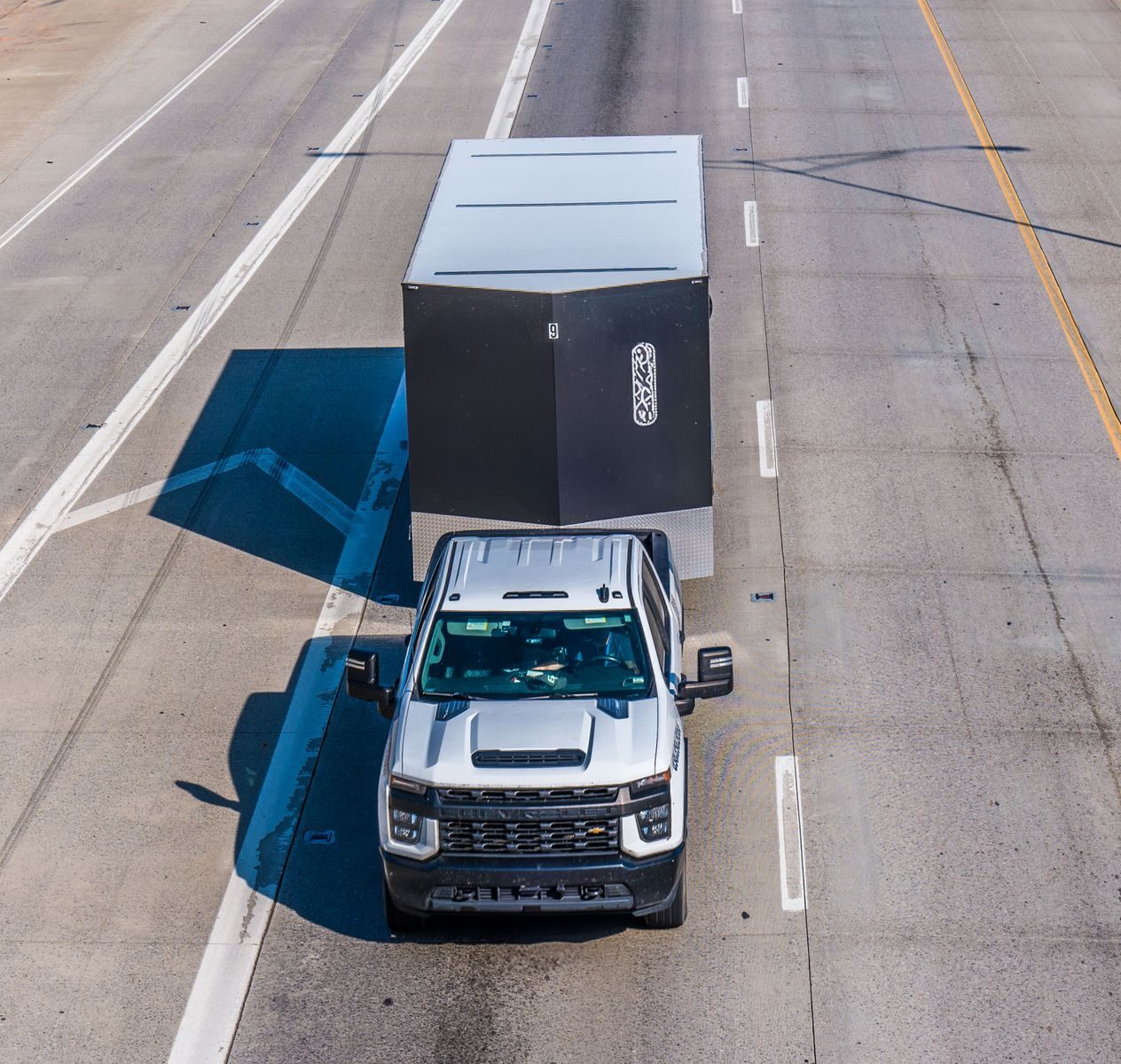
Cargo trailer transport involves hiring a licensed carrier to haul enclosed, utility, or specialty trailers across state lines or nationwide. Costs depend on distance, trailer size, and route conditions, with shorter hauls averaging $3–$5 per mile. Proper weight distribution, securement, and accurate trailer details help ensure safe, affordable delivery.
Moving a trailer isn’t as simple as hitching it up and hoping for the best. Whether you’re a dealer delivering inventory, a contractor relocating equipment, or an individual who just bought a trailer online, professional cargo trailer transport takes the guesswork and risk out of the process.
People need trailer transport for all kinds of reasons. Manufacturers ship new units to dealerships. Businesses relocate fleets when expanding into new territory. Contractors move equipment trailers between job sites. Buyers who win an auction or purchase a trailer from out of state need it delivered safely without putting miles on their own vehicle or risking a DIY tow gone wrong.
Interstate Haulers has spent nearly 30 years as a family-owned, nationwide trailer transport company, coordinating pickup and delivery for utility trailers, enclosed trailers, cargo trailers, and specialty commercial trailers across the continental United States. Depending on carrier arrangements, transport into Canada may also be available.
This guide breaks down nine essential things to know about cargo trailer transport, from how the process works to what affects your final shipping cost.
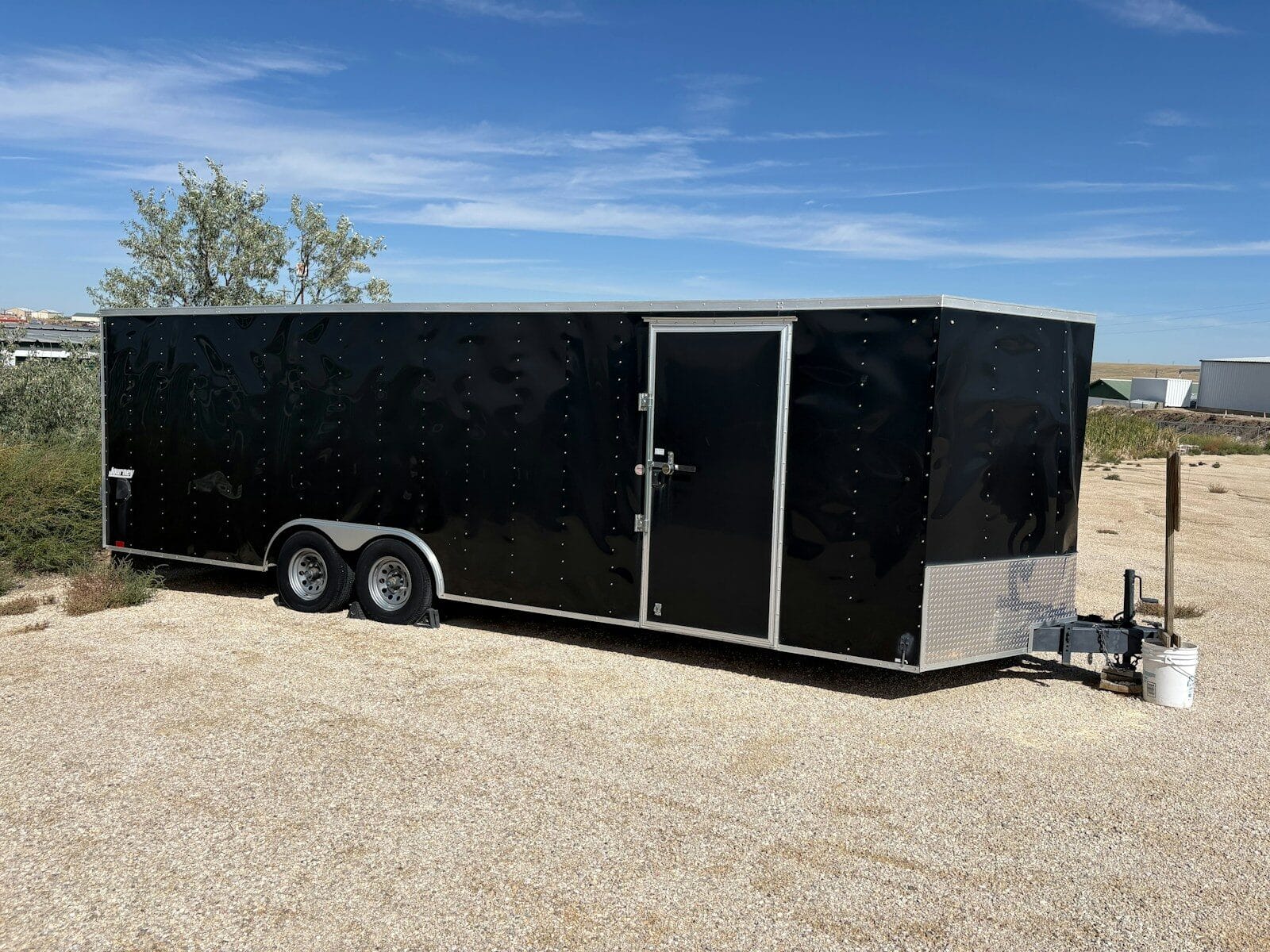
Photo by Adam Winger on Unsplash
1. What Is Cargo Trailer Transport?
Cargo trailer transport is the process of hiring a licensed carrier to move a trailer from one location to another without the owner driving it themselves. Because utility trailers and enclosed trailers aren’t self-propelled, they require a tow vehicle or specialized hauling equipment to get from point A to point B.
There’s an important distinction between towing and hauling services. Towing typically means pulling the trailer behind a tow vehicle, while hauling can also include loading the trailer onto a flatbed or specialized carrier for transport. The right method depends on the trailer’s size, weight, and condition.
Customers can also choose between door-to-door delivery, where the carrier picks up and drops off at specific addresses, or terminal delivery, where the trailer is dropped at a central hub for pickup. Door-to-door is more convenient for most customers, though terminal delivery can sometimes reduce costs.
Professional carriers coordinate every step of the process, including scheduling pickup, planning the route, performing safety inspections, and confirming delivery. This coordination matters because utility trailers require a tow vehicle rated for their size and weight. A mismatch between trailer and tow vehicle creates safety risks on the road.
Helpful Resource: The Federal Motor Carrier Safety Administration (FMCSA) sets safety regulations for commercial carriers and is a reliable resource for understanding how professional transport companies are regulated.
2. What Types of Trailers Can Be Transported?
Not all trailers are created equal, and understanding the different types of trailers helps set expectations for how your shipment will be handled.
Enclosed Trailer Transport
Enclosed trailers are fully covered and protect cargo from weather and road debris. Common examples include:
- Contractor trailers carrying tools and materials
- Motorcycle trailers
- Race trailers used for hauling vehicles to events
- Cargo storage trailers
Utility Trailer Transport
Utility trailers are open and typically used for hauling equipment or materials that don’t require weather protection. Examples include:
- Landscaping trailers
- Small equipment trailers
- ATV trailers
- General purpose utility trailers
Commercial Cargo Trailers
Businesses often need to move trailers as part of regular operations, including:
- Manufacturer inventory heading to dealerships
- Fleet trailers
- Business relocation trailers
Specialty Trailers
Some trailers serve niche industrial or governmental purposes, such as:
- Construction equipment trailers
- Industrial trailers
- Government trailers
- Specialty utility trailers
Flatbed Trailers
Flatbeds are versatile and used for a range of shipping needs, including LTL (less-than-truckload) shipping, full truckload shipping, and oversized cargo.
Gooseneck Trailers
Gooseneck trailers are built for heavy commercial loads, agricultural equipment, and large machinery that require a stable connection point.
Drop Deck Trailers
Drop deck trailers are designed for heavy machinery and oversized industrial equipment that need a lower loading height.
Because each trailer type has different dimensions, weight, and handling requirements, different transportation equipment is often needed. A race trailer and a gooseneck hauling farm equipment aren’t moved the same way.
3. What Are the Most Common Reasons for Trailer Transport?
People and businesses need trailer transport for a wide variety of reasons. Some of the most common include:
- Manufacturer-to-dealership deliveries
- Business relocations
- Equipment transfers between job sites
- Online trailer purchases
- Auctions
- Fleet expansion
- Seasonal moves
- Government contracts
- Emergency response equipment
- Contractors relocating equipment
Each of these scenarios comes with its own timeline and logistics considerations. A dealership expecting new inventory has different scheduling needs than a contractor who needs an equipment trailer moved between two active job sites by the end of the week. A reliable trailer transport partner should be able to accommodate both.
4. How Do You Prepare Cargo Trailers for Transport?
Preparation matters, both for legal compliance and for the safety of everyone on the road.
Make Sure Your Trailer Is Roadworthy
Before transport, cargo trailers must be roadworthy for legal transport. This means checking:
- Tires
- Wheel bearings
- Lights
- Brakes
- Suspension
- Electrical connections
- Brake functionality
A trailer with worn tires or faulty lights isn’t just a liability. It can delay pickup or even prevent transport altogether until the issue is resolved.
What Happens During a Driver Inspection?
Drivers inspect trailers before hooking them up. This inspection typically covers:
- A general safety inspection
- Hitch inspection
- Tires
- Brakes
- Lights
Drivers also photograph trailers at pickup and again at delivery. These photos create a clear record of the trailer’s condition before and after transport, which protects both the carrier and the customer if any questions arise about damage.
5. How Should Cargo Be Secured and Weight Distributed in an Enclosed Trailer?
Proper weight distribution and securement aren’t optional extras. They’re essential to safe enclosed trailer transport.
Why Does Proper Weight Distribution Matter?
Tongue weight should equal 10–15% of total trailer weight. Getting this balance right improves stability on the road. Heavy cargo belongs low and centered in the trailer, not stacked toward the back or piled unevenly on one side.
A helpful guideline here is the 60/40 Rule: roughly 60% of cargo should sit in the front half of the trailer, with the remaining 40% positioned behind the axle. This distribution reduces strain on the hitch and keeps the trailer tracking properly behind the tow vehicle.
Poor weight distribution contributes to several problems, including:
- Trailer sway
- Uneven tire wear
- Reduced braking performance
- Excess hitch stress
How Should Cargo Be Secured?
Properly securing cargo prevents shifting during transport, which is one of the most common causes of trailer-related accidents. Best practices include:
- Using heavy-duty tie-downs
- Cargo straps
- Chains for heavier equipment
- Wheel chocks to prevent rolling
Never rely on trailer doors alone to keep cargo in place. Doors aren’t designed to bear the force of shifting cargo, and a failure here can be dangerous. Straps and tie-downs should also be inspected regularly throughout a long haul, since friction and vibration can loosen them over time.
Helpful Resource: The FMCSA’s Cargo Securement Rules outline federal requirements for properly securing cargo during commercial transport.
6. What Safety Factors Affect Trailer Shipping?
Several variables affect how safely and efficiently a trailer can be transported.
How Do Weather Conditions Affect Trailer Transport?
Rain, snow, ice, and wind all affect trailer stability during transport. Crosswinds are a particular concern for enclosed trailers, which have more surface area for wind to push against. Passing semi trucks can also create turbulence that affects a trailer’s handling, especially at highway speeds.
Checking a route’s forecast ahead of time is a smart step for anyone planning trailer transport. The NOAA National Weather Service provides reliable forecasts that carriers and customers alike can use to plan safer routes.
How Does Speed Affect Trailer Towing?
Higher speeds increase the risk of trailer sway and raise the chances of a blowout, especially on tires that haven’t been recently inspected. Safe driving practices, including moderating speed in poor conditions, reduce these risks significantly.
Why Does Braking Distance Matter for Trailer Transport?
Trailers add weight and length, which means longer stopping distances. Drivers need to maintain extra following distance and keep brakes in good working order throughout the haul. Regular brake inspections help catch problems before they become safety hazards.
Why Is Route Planning Important for Cargo Trailer Transport?
Low bridges, weight restrictions, construction zones, and narrow roads can all complicate a trailer transport route. Delivery locations with limited access, such as rural properties or tight urban streets, often increase transport costs because they require more careful navigation or specialized equipment.
What Emergency Equipment Should Be On Hand?
Spare tires, basic tools, and safety triangles should be part of any trailer transport setup. Long-distance hauls often include scheduled inspection stops, giving drivers a chance to check tires, straps, and connections before continuing the trip.
What Should You Know About Towing Safety?
Towing safety depends on matching the tow vehicle to the trailer. Important factors include wide turns, trailer tracking behind the vehicle, tow capacity, gross vehicle weight rating (GVWR), and hitch compatibility. A mismatch in any of these areas increases risk on the road.
Helpful Resources: The National Highway Traffic Safety Administration (NHTSA) publishes trailer towing safety guidance, SAE International maintains technical standards for hitches and towing equipment, and Consumer Reports offers practical towing and trailer safety tips for everyday consumers.
7. What Information Do You Need for a Trailer Transport Quote?
Getting an accurate trailer transport quote starts with providing the right details upfront. Carriers typically ask for:
- Trailer length
- Width
- Height
- Weight
- GVWR
- Hitch type
- Pickup ZIP code
- Delivery ZIP code
- Trailer condition
- Roadworthy status
- Whether cargo is inside the trailer
- Photos, if available
Providing accurate details improves quote accuracy. Vague or incomplete information can lead to a quote that doesn’t reflect the actual cost once a carrier arrives for pickup, which can cause delays or unexpected charges.
8. What Affects Cargo Trailer Transport Costs?
Several factors influence the final price of a trailer shipment.
Distance plays a major role. Shorter hauls under 100 miles often average $3–$5 per mile, while longer distances generally come with a lower cost per mile. This is largely due to the fixed costs of dispatching a driver, which get spread across more miles on longer routes.
Beyond distance, other factors that affect pricing include:
- Trailer size
- Weight
- Transport method
- Road conditions
- Seasonal demand
- Rural pickup locations
- Limited access delivery sites
- Oversized permits
- Fuel prices
- Schedule flexibility
Every shipment is different, and a transport company should be able to walk customers through exactly what’s driving their quote. For a broader look at federal transportation regulations that can affect pricing and compliance, the U.S. Department of Transportation (DOT) is a useful resource.
9. Why Choose Interstate Haulers for Cargo Trailer Transport?
Interstate Haulers has been a family-owned, nationwide trailer transport company since 1997, with nearly 30 years of experience hauling cargo trailers, utility trailers, enclosed trailers, and specialty commercial trailers across the country.
Here’s what sets the company apart:
- Family-owned since 1997
- Nationwide transportation coverage
- Licensed and insured drivers
- FMCSA compliance
- Experience hauling commercial trailers
- Industrial trailer expertise
- Government transportation experience
- Transparent communication throughout the process
- Reliable scheduling
- Safe handling practices
- Professional inspections at pickup and delivery
- Personalized customer service
In addition to cargo trailers, Interstate Haulers transports utility trailers, commercial trailers, specialty trailers, equipment trailers, boats, and RVs and travel trailers.
Frequently Asked Questions
How much does it cost to transport a car in an enclosed trailer?
Enclosed auto transport pricing differs from standard trailer transport because the vehicle is shipped inside an enclosed carrier rather than being the trailer itself. Costs depend on distance, vehicle size, route, and timing, so it’s best to request a specific quote based on your shipment details.
Can you pay someone to move your trailer?
Yes. Professional trailer transport companies safely haul cargo trailers, utility trailers, enclosed trailers, RVs, and specialty trailers nationwide. Hiring a licensed carrier removes the need to tow the trailer yourself and reduces the risk of accidents or equipment mismatches.
What is the 60/40 rule for trailers?
The 60/40 rule refers to cargo placement inside a trailer: approximately 60% of the cargo weight should be positioned in the front half of the trailer, with the remaining 40% behind the axle. This distribution should be maintained alongside a tongue weight of 10–15% of total trailer weight for optimal stability.
What is the cheapest way to transport freight?
The most economical method depends on shipment size, distance, flexibility, and whether LTL (less-than-truckload), full truckload, flatbed, or dedicated trailer transport best fits the cargo. A transport provider can recommend the most cost-effective option based on the specifics of your shipment.
Ready to Ship Your Cargo Trailer?
Professional cargo trailer transport reduces risk, protects your investment, and takes the stress out of moving equipment across town or across the country. Proper preparation, from roadworthy checks to accurate weight distribution, ensures a smoother and safer delivery. Providing accurate trailer information upfront also speeds up the quoting process and helps avoid surprises down the line.
With nearly 30 years of experience, Interstate Haulers understands what it takes to move cargo trailers, utility trailers, enclosed trailers, and specialty equipment safely and reliably across the country.