
Before hiring boat hauling services, ask about licensing (DOT/MC authority), insurance coverage, experience with your boat type, equipment used, pricing factors, oversize permit requirements, and communication practices. Interstate Haulers, a family-owned boat transport company since 1997, specializing in nationwide boat and trailer transportation, recommends verifying these seven areas before booking a free quote.
Transporting a boat is never as simple as hitching it to a trailer and hitting the highway. A boat transport company has to account for specialized equipment, state permits, cargo insurance, and route planning to transport boats long before the vessel ever leaves the dock. Skip any of these steps, and you risk hull damage, delayed delivery, or worse, a liability dispute with an uninsured carrier.
Hiring the wrong boat movers can turn a routine move into a costly mistake. Inexperienced transporters may use the wrong trailer for your hull type, miscalculate height clearances, or lack the cargo insurance needed to cover a loss. These risks multiply with distance: long-haul boat transportation services require drivers who understand weight distribution, weather patterns, and multi-state permitting.
This guide breaks down the seven questions every boat owner, dealership, marina, or broker should ask before hiring a boat hauling company, complementing a broader complete guide to boat transport in the United States that covers services, costs, and preparation in more depth. Asking the right questions upfront protects your investment and sets realistic expectations for cost, timeline, and service quality.
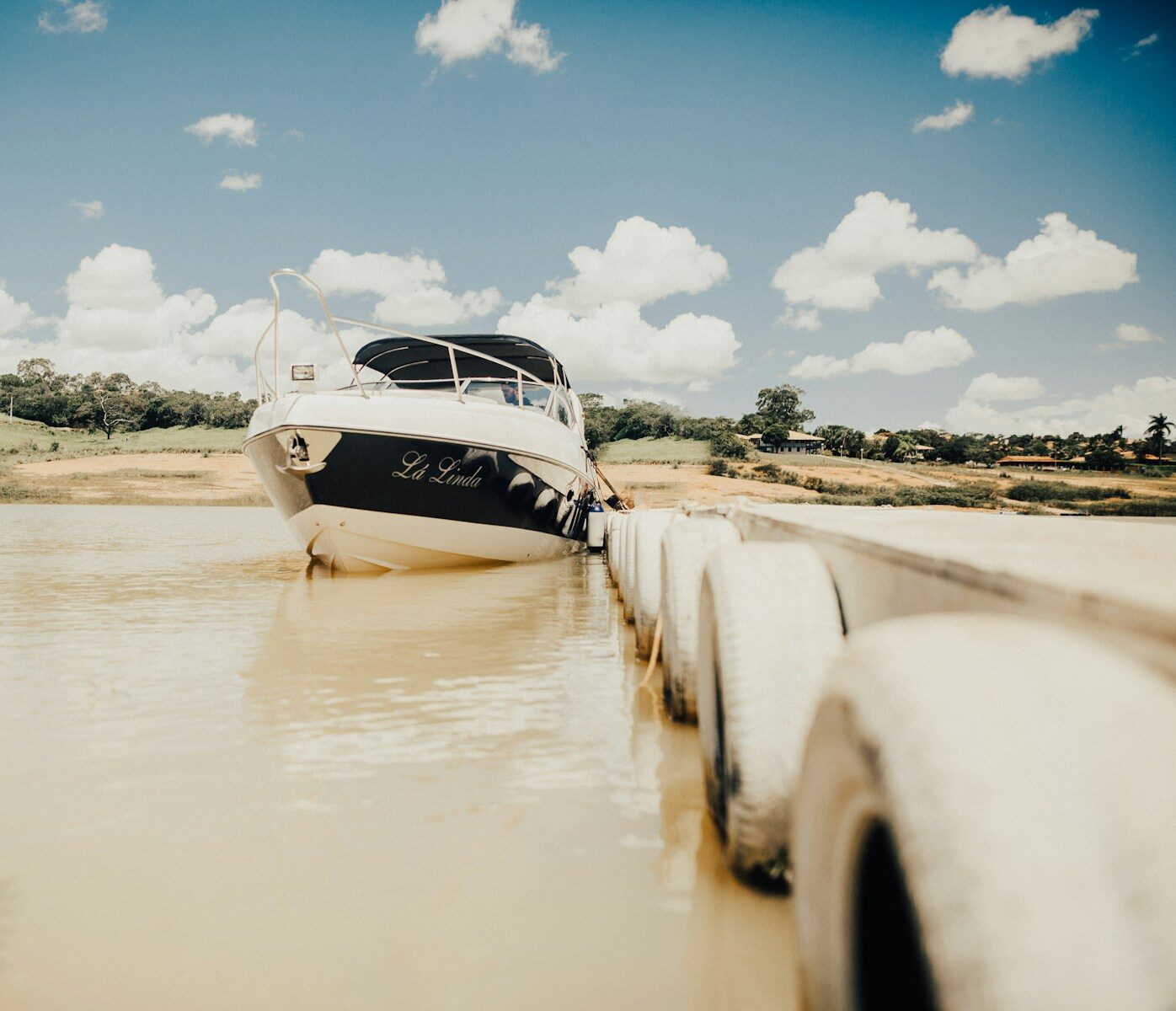
Photo by Sandro Gonzalez on Unsplash
Why Professional Boat Hauling Services Matter
Professional boat hauling services protect a vessel that often represents a six-figure investment. A single mistake during loading, securing, or transit can cause thousands of dollars in damage, not to mention the downtime while repairs are made.
Improper loading is one of the most common causes of transport damage. Straps placed in the wrong position can crack a hull. A trailer mismatched to the boat’s weight distribution can cause instability at highway speeds. Experienced boat transporters know how to secure a vessel so it arrives in the same condition it left.
Route planning matters just as much as equipment. A boat transport company has to map clearances for bridges, tunnels, and overpasses well before pickup day. Long-distance boat moving also demands drivers who understand how to handle extended hours, weather delays, and multi-state regulations without cutting corners. According to the National Safe Boating Council, proper preparation and handling are central to preventing damage during any boat transport.
Question #1: Is the Boat Transport Company Licensed, Registered, and Insured?
Verifying credentials is the single most important step before hiring any boat hauling company. A legitimate boat transport company should be able to provide proof of registration and insurance without hesitation.
Does the Carrier Have a DOT Number and MC Authority?
Any company operating across state lines needs a Department of Transportation (DOT) number and, in most cases, Motor Carrier (MC) Authority from the Federal Motor Carrier Safety Administration (FMCSA). These numbers confirm the carrier is registered to operate legally and has met baseline safety requirements.
Before booking, verify a hauler’s standing using the FMCSA SAFER Company Snapshot. This free tool lets you confirm a carrier’s DOT number, MC Authority, and safety record in a matter of minutes.
Does the Boat Transportation Company Carry Adequate Cargo Insurance?
Cargo insurance is distinct from standard commercial auto insurance. Cargo insurance specifically covers the vessel being transported, and it should reflect the replacement value of your boat, not just a minimum liability amount. Before signing any contract, ask for proof of cargo insurance and confirm the coverage limit meets or exceeds your boat’s value.
You can review a carrier’s insurance filings directly through the FMCSA Licensing & Insurance information system, which lists active policies on file for registered carriers.
Are You Working With a Direct Motor Carrier or a Broker?
Understanding the difference between a direct motor carrier and a broker changes who is accountable for your boat. A direct motor carrier owns its trailers and equipment and maintains its own cargo insurance policy. A broker, on the other hand, arranges transport through a network of carriers and may not have direct control over the equipment or driver handling your vessel. Asking this question upfront clarifies who is actually responsible if something goes wrong in transit.
Question #2: Does the Company Have Experience With Your Boat Type?
Not every vessel transports the same way. A boat transport company with broad experience will know how to handle the specific requirements of your boat, whether it is a 16-foot jet ski or an 80-foot yacht, and can provide professional boat transportation services across the continental US.
Common Recreational Boats
Bass boats, bowriders, cabin cruisers, fishing boats, and jet skis are among the most frequently hauled vessels. These boats typically load onto standard trailers, but proper strapping and weight balancing still matter to prevent shifting during transit, and working with specialized nationwide small boat transport helps ensure they arrive safely.
Sailboats Require Extra Preparation
Sailboats often need the mast and boom removed before transport to meet height restrictions and reduce wind resistance on the highway, which is why many owners rely on specialized sailboat transportation services familiar with decommissioning and rigging. A boat transport company experienced with sailboats will know how to handle rigging removal and reassembly, along with how wind load affects trailer stability at speed.
Powerboats Need Hull Protection
Whether a powerboat spends its life on a lake or in saltwater, hull protection during loading and transit is essential, and experienced nationwide powerboat transport services factor this into their equipment and procedures. Experienced boat movers use padding, proper strap placement, and trailer selection suited to the hull design to prevent scratches, stress cracks, or structural damage.
Houseboats Demand Specialized Transport
Houseboats present a unique challenge because of their size and the flat-bottomed design common to many models. These vessels require specialized trailers and loading equipment built for their dimensions, not the standard trailers used for smaller recreational boats.
Oversized Boats and Yacht Transport
Large boat transport, including oversized yachts, requires detailed route planning, escort vehicles, and special state permits. Interstate Haulers transports vessels ranging from small dinghies to oversized yachts, which means the equipment and planning scale to match the boat, not the other way around.
If you’re planning to prep your own boat before pickup, Discover Boating’s resources on boat ownership offer helpful guidance on readying a vessel for transport, storage, or long trips.
Question #3: What Equipment Will Be Used to Transport My Boat?
The equipment a hauler uses directly affects how safely your boat arrives. Asking this question before booking helps you avoid a mismatch between your vessel and the trailer assigned to move it.
Boat Trailers Come in Several Types
Standard trailers work well for smaller recreational boats, but larger or irregularly shaped vessels may need hydraulic, adjustable, or custom trailers built to match specific hull dimensions.
Hydraulic Trailers Simplify Loading
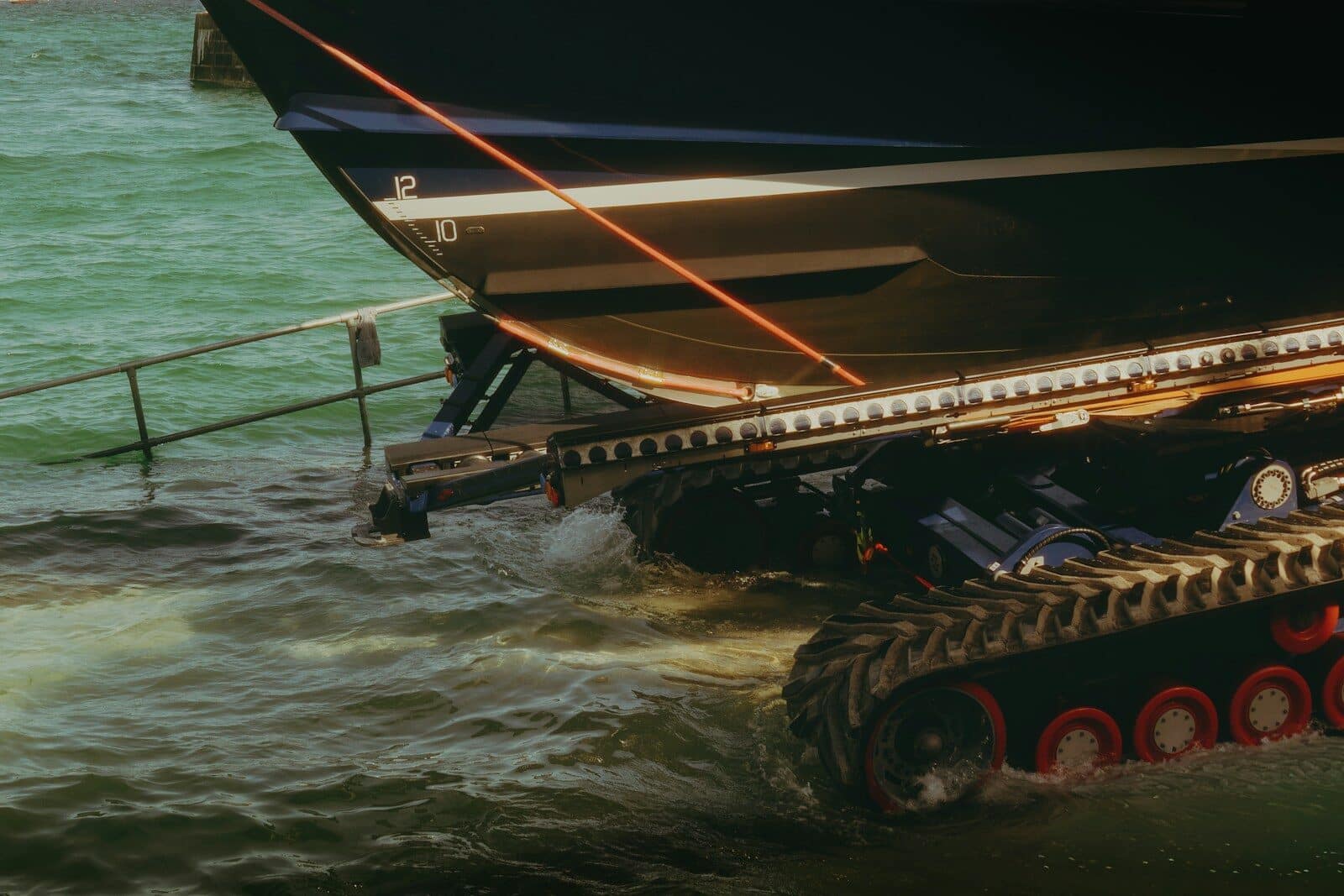
Hydraulic trailers allow a boat to be lifted and loaded without the need for a marina crane. This method is typically faster and safer than crane-based loading because it reduces the number of steps involved and minimizes the risk of the boat shifting during the lift.
Flatbed Transport Uses Marina Equipment
For some larger vessels, flatbed transport paired with a marina travel lift, crane, or jack stands is the standard method. This approach is common for boats too large or heavy for trailer-based hydraulic lifting.
Question #4: How Much Does Boat Transport Cost?
How Much Do Boat Movers Charge?
Pricing for boat hauling services depends on several factors: boat size, weight, height, width, distance between pickup andered
delivery, required permits, and insurance coverage. No two moves cost exactly the same because every vessel and route presents different variables.
What Are Typical Boat Transport Costs?
As general guidance, short hauls often fall in the $150 to $300 range, while long-haul moves typically run $600 to $1,000, with per-mile rates ranging from roughly $1.25 to $15 depending on the vessel’s size and complexity. Larger boats cost more to move, and international shipping adds further expense due to customs, port fees, and additional handling.
It’s worth noting that published pricing guides vary. Some 2026 industry estimates cite rates closer to $1.50 to $3.50 per mile for standard-size boats, with short hauls under 300 miles sometimes pricing between $2.50 and $3.75 per mile. Other sources estimate a typical domestic move at $600 to $2,500 for a standard boat, climbing past $5,000 for larger vessels or longer distances. Because estimates differ by source, region, and season, the most reliable way to budget for your move is to request a written, personalized free quote rather than rely on a single published average.
What Affects Pricing the Most?
Several factors push pricing up or down:
- Boat dimensions (length, width, height)
- Oversize permit requirements
- Escort vehicle needs
- Loading and unloading fees
- Remote or hard-to-access pickup locations
- Seasonal demand fluctuations
What Is the Most Cost-Effective Way to Transport a Boat?
For smaller vessels, trailer transport is typically the most affordable option. For seaworthy boats, moving the vessel under its own power with a licensed captain is sometimes a cost-effective alternative, though it requires the boat to be in good running condition and the captain to plan a safe route. Overseas shipments often use roll-on/roll-off (RoRo) vessels, which tend to be more economical than container shipping. Air transport exists but is rare and reserved for very specific, high-value, time-sensitive moves.
If you’re considering moving a boat under its own power, the NOAA Office of Coast Survey provides nautical charts that are essential for route planning and safe navigation.
Question #5: Will My Boat Require Oversize Permits?
Oversize permits typically become necessary once a boat’s width exceeds 8.5 feet. Height restrictions and bridge clearances also factor into whether a move requires special permitting, escort vehicles, or a detailed route survey conducted ahead of pickup.
For boats that exceed standard height limits, flybridges may need to be stripped and masts removed before transport. Permit requirements vary by state, so a boat transport company with nationwide experience will already understand which states require advance notice, escort vehicles, or travel time restrictions for oversized loads.
Question #6: How Does the Company Handle Pickup, Delivery, and Communication?
Clear communication throughout the process is one of the clearest signs of a professional boat hauling company. Trusting pros who handle your boat safely and efficiently cans save money in the long run
Before Pickup
A reputable hauler conducts a full inspection of the boat before loading, documents its condition with photos, and provides a written condition report. This protects both the customer and the carrier by establishing a clear record of the boat’s state prior to transport.
During Transport
Throughout the move, the driver should maintain regular communication, providing delivery updates and keeping the customer informed of the route and timeline. This level of transparency reduces anxiety for owners, especially on long-distance moves.
Upon Delivery
At delivery, a final inspection confirms the boat arrived in the same condition documented at pickup. Proper documentation and a customer sign-off close out the transaction and provide a record in case any issues arise later.
For general guidance on boat safety and care before and after transport, the BoatUS Foundation offers resources covering boating safety and vessel maintenance.
Question #7: What Do Previous Customers Say?
Customer reviews reveal a lot about how a boat transport company handles real-world situations, not just marketing promises.
Look for patterns across Google Reviews, testimonials on the company’s website, and third-party platforms. Repeat business is often a strong signal of reliability, since customers who had a positive experience tend to return for future moves.
Before signing anything, review the contract carefully. Understand the liabilities outlined in the agreement, confirm accepted payment methods, and insist on a written estimate rather than a verbal quote; third-party customer reviews of Interstate Haulers can also validate whether a company’s service matches its promises. Transparent pricing, clearly outlined in writing, protects you from unexpected fees later in the process.
The Better Business Bureau is a useful resource for researching a company’s complaint history, accreditation status, and overall reputation before booking.
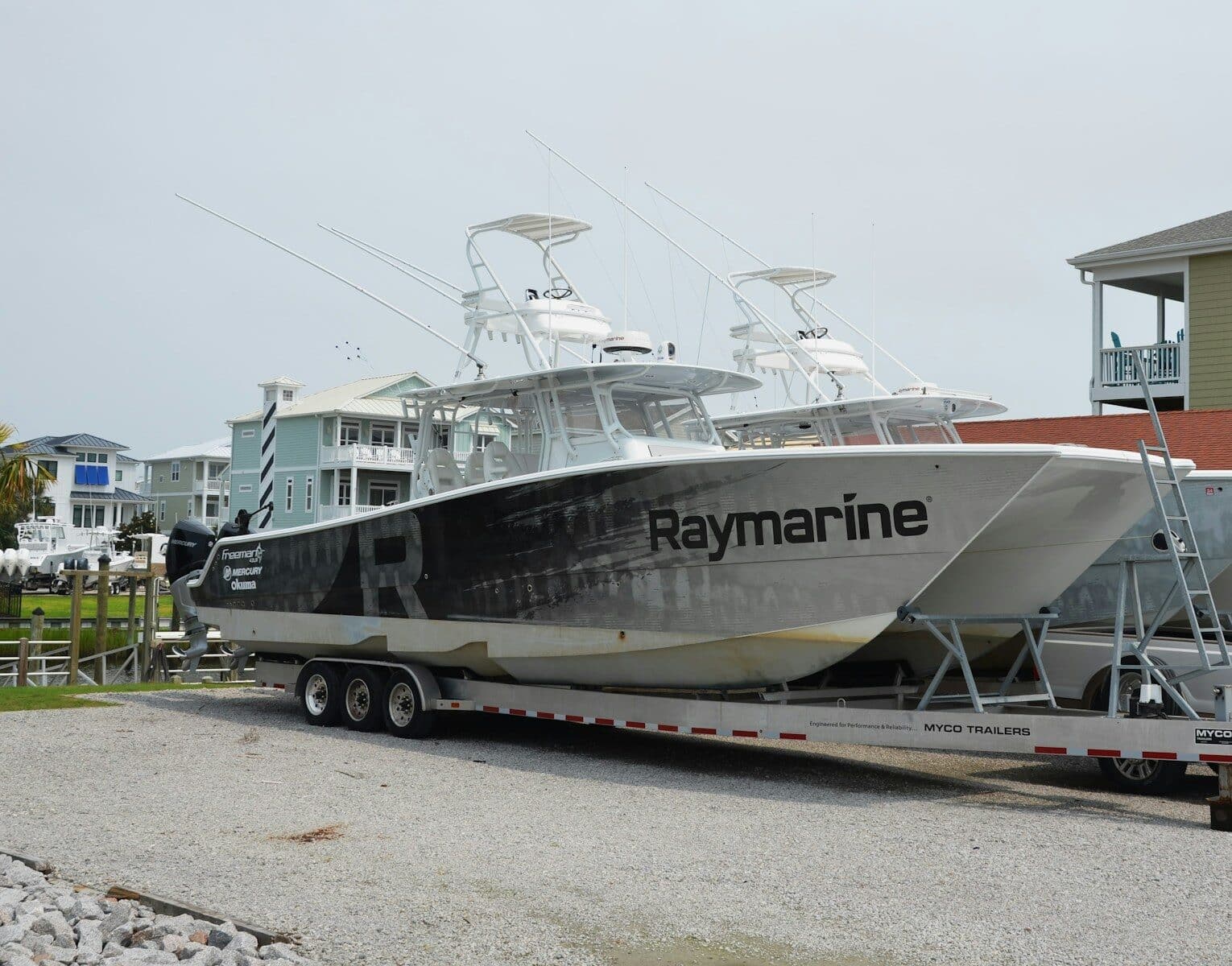
Photo by Roger Starnes Sr on Unsplash
Why Interstate Haulers Is Trusted Nationwide
Interstate Haulers has operated as a family-owned boat hauling company since 1997, bringing nearly 30 years of experience to boat owners, dealerships, marinas, manufacturers, and brokers across the country. As boat hauling specialists, the company maintains FMCSA compliance, transparent pricing, and consistent communication from quote to delivery.
Interstate Haulers transports a wide range of vessels, including:
- Boats and pontoons – including vessels moved via overland, water, and international methods outlined in our comprehensive guide to boat transportation methods
- Sailboats
- Sailboats
- Fishing boats
- Cabin cruisers and bowriders
- Jet skis
- Houseboats
- Large boats and oversized yachts
With specialized equipment, licensed professional drivers, and a commitment to personalized customer service, Interstate Haulers handles every move, from a single jet ski to an oversized yacht, with the same attention to detail.
Frequently Asked Questions
How much do boat haulers charge?
Boat haulers typically charge based on boat size, distance, weight, and required permits. Short hauls often range from $150 to $300, while long-distance moves can run $600 to $1,000 or more, with per-mile rates varying from roughly $1.25 to $15 depending on the vessel. A written quote from the boat transport company gives the most accurate estimate for your specific move.
How much does it cost to transport a 40-foot boat?
A 40-foot boat typically falls into the large or oversize category, where cost depends heavily on width, height, required permits, and whether escort vehicles are needed. Because pricing varies significantly based on these factors, it’s best to request a personalized quote rather than rely on a flat estimate.
How much does it cost to transport a boat?
Boat transport costs vary widely based on the vessel’s size, the distance traveled, and factors like permits, escort vehicles, and seasonal demand, and they should be considered alongside the overall cost of boat ownership and purchase price. Short hauls tend to cost less than long-distance moves, and larger boats generally cost more than smaller recreational vessels. Getting a written quote from a boat transport company is the most reliable way to understand costs for your specific situation.
What is the most cost-effective way to transport a boat?
For smaller boats, trailer transport is usually the most affordable method. Seaworthy vessels can sometimes be moved more economically under their own power with a licensed captain, while overseas moves often rely on roll-on/roll-off boat shipping to reduce costs compared to container transport. Air transport remains a rare, high-cost option reserved for specific circumstances.

Photo by Maxi am Brunnen on Unsplash
Choosing the Right Boat Transport Company
Hiring the right boat hauling services comes down to asking the right questions before you sign a contract. Confirm licensing and insurance, ask about experience with your specific boat type, understand the equipment that will be used, get a clear picture of pricing factors, check on permit requirements, and evaluate how the company communicates from pickup through delivery. Reading reviews and researching a company’s reputation rounds out your due diligence.
An experienced, licensed, and insured boat transport company protects both your vessel and your investment. Interstate Haulers brings nearly 30 years of family-owned experience, nationwide reach, specialized equipment, and transparent communication to every move, whether it’s a jet ski headed across town or an oversized yacht crossing the country.
Ready to move forward? Request a personalized free quote from Interstate Haulers and talk through your boat hauling needs with a team that has been doing this since 1997, supported by a broader specialized transportation service for boats, RVs, and trailers across the continental US.