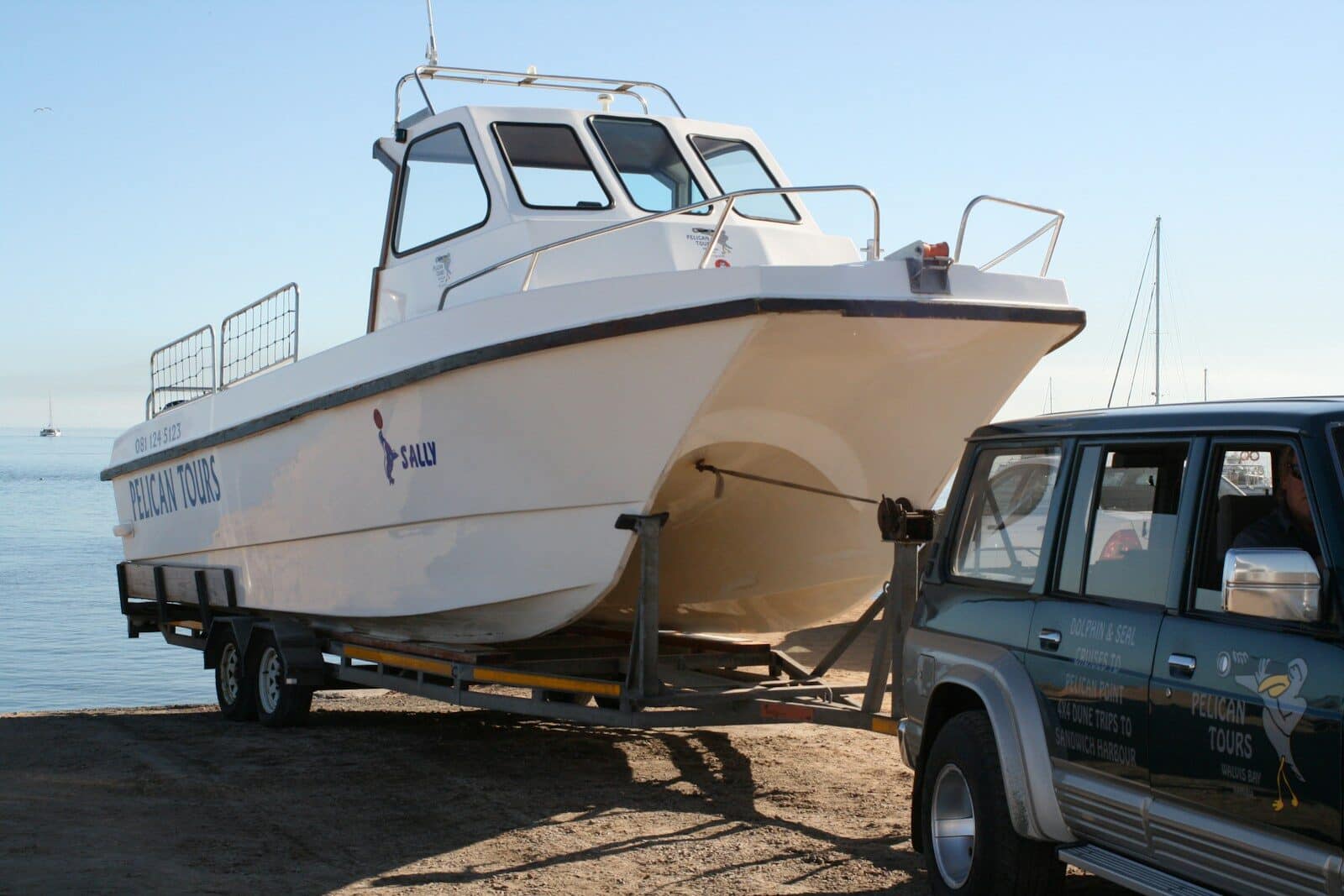

Summer is when your boat should be ready for the water, not sitting in the driveway causing you stress.
But even during boating season, proper boat storage matters. Whether you use your boat every weekend, take it out a few times a month, or store it between trips, the way you protect it during the summer can affect its performance, appearance, safety, and long-term value.
At Interstate Haulers, we have spent nearly 30 years transporting boats, RVs, travel trailers, and specialty trailers across the continental United States. As a family-owned company founded in 1997, we understand that a boat is not just another item you own.
It is an investment.
[ds_gravity_forms_for_divi form_id="f1" title="Get A Quote!" ajax="on" radio_style_enable="off" submit_button_100_width="on" _builder_version="4.23.4" _module_preset="default" form_title_font="Poppins||||||||" form_title_text_align="center" form_title_font_size="2rem" background_color="#FFFFFF" custom_submit_button="on" submit_button_text_size="18px" submit_button_bg_color="#ad192e" submit_button_border_radius="0px" submit_button_font="||||||||" submit_button_custom_padding="2%|35%|1%|35%|false|true" custom_page_navi_buttons="on" page_navi_buttons_text_size="18px" page_navi_buttons_text_color="#FFFFFF" page_navi_buttons_bg_color="#ad192e" page_navi_buttons_border_radius="0px" page_navi_buttons_font="|||on|||||" page_navi_buttons_custom_padding="2%|20%|2%|20%|true|true" custom_padding="2%|3%|2%|3%|true|true" hover_enabled="0" border_radii="on|5px|5px|5px|5px" box_shadow_style="preset1" box_shadow_style_submit_button="preset1" box_shadow_style_page_navi_buttons="preset1" template_type="module" global_colors_info="{}" border_width_all="1px" sticky_enabled="0"][/ds_gravity_forms_for_divi]
It is your weekend escape, your fishing spot, your family time, your summer plan, and probably the reason you have a garage full of gear you swore you were going to organize last year.
Good storage habits help protect that investment. They also make your boat easier to transport, safer to haul, and more reliable when it is time to get back on the water.

Photo by Brandon Griggs on Unsplash
Why Boat Storage Matters During the Summer
A lot of boat owners think about boat storage only during the off-season, but summer storage is just as important.
Your boat may be in and out of the water often, which means it is exposed to sun, rain, humidity, water, salt, dirt, fish residue, fuel, mildew, and general wear. If you leave it uncovered, poorly ventilated, or sitting without regular checks, small problems can turn into expensive repairs.
Proper storage helps:
- Protect the hull, seats, electronics, and interior
- Prevent mildew and moisture buildup
- Reduce UV damage
- Keep pests away
- Preserve your boat’s value
- Keep your trailer in better condition
- Make your boat easier to move or transport
- Reduce worry between uses
A little maintenance after each trip can save a lot of time, money, and frustration later.
Clean Your Boat Before You Store It
Before you store your boat, clean it.
I know that sounds simple, but this step gets skipped often, especially after a long day on the water when everyone is tired, sunburned, hungry, and ready to be done.
Still, cleaning your boat before storage is one of the best ways to protect it.
Rinse off dirt, salt, algae, sand, and grime. Wipe down seats, surfaces, storage compartments, and hardware. If you fish, make sure you clean any areas where bait, fish residue, or food may have been.
Moisture and organic material can lead to odor, mildew, stains, and pests. Nobody wants to open their boat a week later and discover it smells like a science experiment.
Pay attention to:
- Decks
- Seats
- Carpeting
- Storage compartments
- Coolers
- Rod lockers
- Fish boxes
- Electronics
- Cup holders
- Canvas covers
- Trailer surfaces
Clean now, thank yourself later.
Dry Everything Before Covering the Boat
Once the boat is clean, let it dry before covering it or placing it in storage.
Moisture trapped under a cover can create mildew, mold, odor, and damage to upholstery or interior materials. If your boat has compartments, open them and allow air to circulate. Remove wet towels, life jackets, ropes, and gear.
This is especially important in humid summer weather.
If your boat has been sitting in the water, take extra time to let surfaces dry. If possible, store cushions upright or slightly open compartments to improve ventilation.
Good airflow is one of the simplest ways to protect your boat between uses.
Use the Right Boat Cover
A quality cover is one of the best tools for summer boat storage.
The cover helps protect your boat from sun, rain, debris, bird droppings, leaves, and general exposure. It can also keep the interior cleaner and reduce fading from UV rays.
Look for a cover that fits properly. If it is too loose, water may pool. If it is too tight or poorly secured, it may tear or rub against the boat. Make sure the cover allows some ventilation, especially if your boat will be stored for more than a day or two.
When storing outdoors, check the cover after storms or heavy winds. Water pooling on top can stretch fabric and create pressure points.
A secure, breathable cover helps protect your investment without trapping moisture inside.
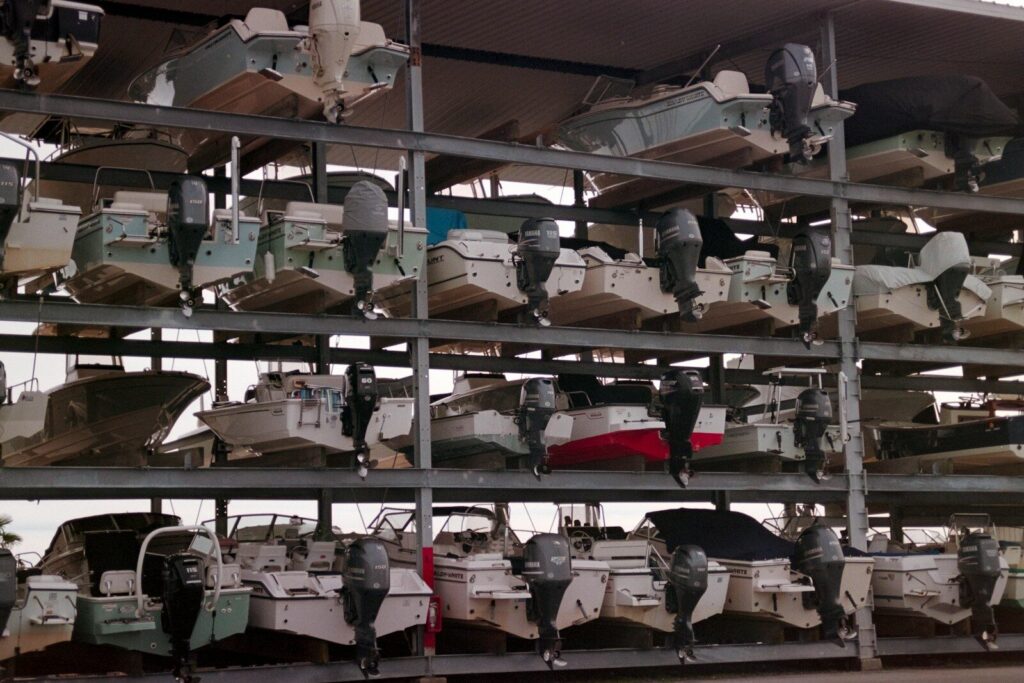
Photo by Brooke Balentine on Unsplash
Choose the Right Storage Space
Where you store your boat matters.
Some owners keep their boats at home. Others use a marina, storage yard, covered parking, or indoor facility. The right space depends on your boat size, trailer setup, budget, location, security needs, and how often you plan to use it.
Common summer storage options include:
- Driveway or home storage
- Marina slips
- Outdoor storage lots
- Covered storage
- Indoor boat storage
- Dry stack storage
- Secure storage facilities
Indoor storage often offers the most protection from sun, weather, and theft, but it may cost more and have limited availability. Outdoor storage can be more affordable and convenient, but your boat needs a good cover and regular checks.
If you store your boat away from home, ask about security, access hours, amenities, trailer parking, width limits, and whether the facility can accommodate your boat and trailer.
The right place should make boating easier, not more stressful.
Boat Storage and RV Storage: Similar Habits, Same Goal
Many owners who care about boat storage also understand the importance of RV storage. Boats, RVs, trailers, and specialty vehicles all need protection from weather, moisture, pests, and wear when they are not in use.
With both boats and RVs, the goal is the same: protect the vehicle, preserve value, and keep it ready for the next trip.
Whether you are storing a boat, travel trailer, fifth wheel, motorhome, or other recreational vehicle, routine checks matter. Look at tires, batteries, covers, seals, lights, and exterior condition. Keep items secure. Remove anything that should not sit in the heat. Make sure the storage area is safe and accessible.
Responsible storage helps extend the life of your equipment and gives you more confidence when it is time to hit the road or the water.
Check the Battery Before and After Storage
Boat batteries can drain faster than many owners expect, especially if electronics, bilge pumps, lights, or accessories are left connected.
Before storing your boat, turn off electronics and check the battery. If your boat will sit for a while, consider disconnecting the battery or using a marine battery maintainer when appropriate.
Check for corrosion around terminals and make sure connections are secure.
A dead battery can ruin a boating day before it starts. It can also create problems if your boat needs to be moved, loaded, or transported.
If transport is in your future, battery condition matters. A boat that is well-maintained and ready to move makes the process smoother for everyone involved.
Keep Fuel and Fluids in Mind
Summer heat can affect fuel and fluids, especially if your boat sits for longer periods between uses.
Check your fuel level, oil, coolant, and other fluids based on your boat’s maintenance needs. If the boat will sit for an extended time, follow your manufacturer’s recommendations for fuel stabilizer and storage preparation.
Also, check for leaks before putting the boat away.
Look under the engine area, around the bilge, and near the trailer after the boat has been sitting. Catching a small issue early can prevent a larger repair later.
If something smells off, looks unusual, or appears to be leaking, do not ignore it.
Boats are wonderful. Boats are also very good at turning small, neglected issues into expensive surprises.
Inspect Your Trailer Regularly
Your trailer is a major part of boat ownership, and it should not be overlooked.
A boat may be in great shape, but if the trailer is not road-ready, you still have a problem. This is especially important if you plan to move your boat, store it off-site, or arrange professional transport.
Check your trailer for:
- Tire pressure
- Tire wear
- Wheel bearings
- Lights
- Brakes
- Hitch and coupler
- Safety chains
- Winch strap
- Bunks or rollers
- Rust or corrosion
- License plate visibility
- Proper width clearance
Trailers deal with water, road grime, weight, heat, and long periods of sitting. Regular checks help protect your boat and reduce risk on the road.
At Interstate Haulers, we transport boats with and without trailers, but a well-maintained trailer can make certain moves easier and more efficient. If your trailer is not roadworthy, it is important to know that before transport day.
Protect Upholstery, Electronics, and Gear
Summer sun can be rough on boat interiors.
Seats, dashboards, electronics, covers, and other surfaces can fade, crack, or wear down over time. When storing your boat, remove valuable electronics and personal items when possible. Store gear in dry compartments and avoid leaving items exposed to heat.
You may also want to remove:
- Fishing gear
- Food
- Wet towels
- Life jackets
- Portable electronics
- Important documents
- Loose items
- Cleaning supplies that should not sit in extreme heat
If you keep items on board, make sure they are dry, secure, and safe to store.
This also matters for transport. Loose items should be removed or secured before your boat is hauled. Anything that can shift, fly out, break, or cause damage should be handled before pickup.
Keep Pests Out
Boats can attract pests if they are left with food, moisture, trash, bait residue, or open compartments.
Before storing your boat, remove food, drinks, wrappers, fish remains, and anything that could attract insects or rodents. Clean storage areas and check for small openings where pests might enter.
If your boat is stored outdoors or in a shared storage area, pest prevention becomes even more important.
A secure cover, clean interior, dry compartments, and regular checks can help reduce the risk.
The goal is simple: when you open your boat, you want to find your boat.
Not a family of uninvited guests.
Ventilation Helps Prevent Mildew
Ventilation is one of the most important summer storage tips.
Heat and humidity create the perfect conditions for mildew. If your boat is covered too tightly with no airflow, moisture can become trapped inside.
Use vents, breathable covers, or moisture-control products when appropriate. Open compartments after use to dry them out. Avoid storing wet gear inside.
If your boat has a cabin, make sure air can circulate.
Good ventilation helps protect upholstery, flooring, cushions, storage spaces, and electronics. It also keeps your boat smelling fresher between trips.
Schedule Maintenance Before Problems Grow
Summer is not the time to ignore warning signs.
If your boat is making strange sounds, struggling to start, leaking, vibrating, or showing signs of wear, schedule maintenance before the problem grows. Preventive care helps keep your boat safer and more reliable.
Basic summer maintenance may include:
- Engine checks
- Oil and fluid checks
- Battery testing
- Propeller inspection
- Hull inspection
- Trailer inspection
- Bilge pump checks
- Safety equipment checks
- Cleaning and detailing
- Cover inspection
Keeping records is also helpful. Save maintenance notes, service dates, and repair information. If you sell the boat later, those records can help show responsible ownership and preserve value.
Think About Security
If you store your boat away from home, security should be part of your decision.
Look for a storage area that feels safe, clean, organized, and well-managed. Ask about gates, cameras, lighting, access control, and staff presence.
For home storage, consider locks, wheel chocks, trailer coupler locks, and parking placement. Keep valuables out of sight or remove them completely.
A secure storage location can reduce worry and protect your investment.
This is especially important for boats, RVs, trailers, and other high-value vehicles.
Plan Ahead for Availability
Good storage options may fill up quickly during peak season.
If you know you need a place to store your boat, do not wait until the last minute. Check availability, compare amenities, and make sure the space can handle your boat’s length, width, height, and trailer setup.
Ask about:
- Indoor or outdoor options
- Covered storage
- Security
- Access hours
- Trailer parking
- Width and height limits
- Pricing
- Long-term or short-term storage
- Required documents
- Cancellation policies
- Contact information
- Phone and email support
Planning ahead helps you avoid scrambling when you need storage quickly.
It also helps if you are coordinating transport, service, or a seasonal move.
Active Duty, Military Families, and Seasonal Storage Needs
Many boat and RV owners need flexible storage because life changes.
For active duty military families, seasonal movers, frequent travelers, and owners relocating for work, storage and transport often go hand in hand. You may need to store your boat temporarily before a move, after a purchase, between assignments, or during a busy season when you cannot use it as often as you would like.
In those situations, planning is key.
Make sure your boat is cleaned, covered, secured, and ready for either storage or transport. Keep important information handy, including registration, dimensions, trailer details, pickup location, delivery location, and service records.
When you are ready to move your boat, working with a trusted transport company can make the process much easier.
Make Sure Your Boat Is Transport Ready
Even if you are focused on boat storage today, there may come a time when your boat needs to be moved.
Maybe you are relocating. Maybe you bought a boat out of state. Maybe you are moving it for seasonal use. Maybe it needs to go to a marina, repair shop, dealer, or buyer.
Good storage habits make transport easier.
Before transport, make sure:
- The boat is clean
- Loose items are removed or secured
- Batteries are handled properly
- Covers are transport-safe
- The trailer is roadworthy if being used
- Dimensions are accurate
- Keys and documents are available if needed
- Any special handling details are shared
- Pickup and delivery locations are accessible
At Interstate Haulers, we specialize in hauling boats with or without trailers across the continental United States. We understand the care required to move oversized and high-value assets safely.
The better prepared your boat is, the smoother the transport process can be.
When to Consider Professional Boat Transport
Professional boat transport can be helpful when the distance is long, the boat is oversized, the trailer is not road-ready, or you simply want peace of mind.
Boat owners often contact us for:
- Seasonal moves
- Long-distance relocations
- Boat purchases
- Dealer transport
- Marina-to-marina moves
- Repair facility transport
- Private sales
- Moves without a trailer
- Oversized boat hauling
We also work with dealers, manufacturers, freight forwarders, and government or emergency response agencies that need reliable transport for boats, RVs, travel trailers, and industrial trailers.
Our family-owned team has been doing this since 1997. We know how important communication, safety, and professionalism are when someone trusts us with their boat.

Helpful Resources for Boat Storage Tips and Summer Maintenance
If you want to protect your boat during the summer season, these resources can help you learn more about boat storage options, maintenance routines, trailer care, safety equipment, winterization, and keeping your boat ready for the next trip or transport.
- Discover Boating: Boat Storage Options | A helpful guide to indoor boat storage, outdoor boat storage, dry stack storage, marina slips, and choosing the right option for your boat.
- Discover Boating: Boat Maintenance Tips | A practical year-round boat maintenance checklist covering engine care, spring commissioning, winterization, and general upkeep.
- Discover Boating: Basic Boat Trailer Maintenance Checklist | A useful trailer care resource covering tire pressure, wheel bearings, brakes, brake fluid, couplers, lights, and routine trailer checks.
- Discover Boating: Boat Trailer Tips | A helpful overview of boat trailer inspection, routine trailer maintenance, and protecting trailer value before towing or transport.
- BoatUS Foundation: Preventative Boat Maintenance | A boating safety and maintenance resource with practical reminders about weight distribution, drainage, scuppers, and preventing avoidable issues.
- BoatUS: Winterization Guide | A detailed resource on protecting boats during longer storage periods, including winterization steps that can help prevent seasonal damage.
- West Marine: Winter Boat Storage | A useful guide to wet storage, dry storage, dry stacking, boat lifts, tarps, and other storage considerations.
- West Marine: Boat Owners’ Guide to Winterization | A practical resource for preventing moisture damage, cleaning storage areas, and preparing a boat for longer periods out of use.
- NMMA: Boating Safety Awareness Series | A collection of boating safety brochures with tips, consumer education, and helpful knowledge for boat owners.
- NMMA: Green Boating Maintenance Tips | A helpful resource on maintaining a clean bilge, preventing fuel and oil leaks, and using safer maintenance habits.
- NMMA: Marine Fuel Systems Safety | A useful safety resource that encourages frequent fuel system inspections and annual fuel system maintenance with a certified marine technician.
- BoatUS Foundation: Required Boat Safety Equipment | A helpful checklist-style resource for understanding required boating safety equipment, including life jackets, fire extinguishers, lights, and sound devices.
- U.S. Coast Guard: A Boater’s Guide to Federal Requirements | A federal boating safety guide covering required equipment, life jackets, emergency gear, navigation rules, and safe boating practices.
- Coast Guard Foundation: Boating Safety Guide and Checklists | A helpful resource with boating safety guides, departure checklists, and equipment reminders for safer time on the water.
These resources can help you better understand how to store, clean, maintain, and protect your boat during summer and beyond. Still, good boat care is not only about what happens while your boat is sitting in storage.
It is also about keeping it ready for the next trip, the next season, or the next move. When your boat is clean, covered, ventilated, secure, and transport-ready, you protect your investment and make every future launch a little easier.
Boat Storage Protects Your Investment
At the end of the day, your boat is a valuable investment.
Proper boat storage helps protect that investment during summer and beyond. Cleaning, covering, ventilation, battery care, trailer checks, pest prevention, and maintenance all help keep your boat in better condition.
It also keeps you ready.
Ready for the next fishing trip.
Ready for the next family weekend.
Ready for a last-minute day on the water.
Ready for transport if the time comes.
Responsible boat ownership is not just about what happens on the water. It is also about how you care for your boat when it is on land.
Need Help Moving Your Boat?
If you need reliable boat transport, Interstate Haulers is here to help.
Since 1997, our family-owned company has specialized in moving boats, RVs, travel trailers, and industrial trailers across the continental United States. We provide nationwide coverage, clear communication, FMCSA-compliant service, and the kind of careful handling that high-value assets deserve.
Whether you are moving your boat for the season, relocating, buying from out of state, or coordinating transport for a dealership or manufacturer, we are ready to help.
Request a quote today and let us help you move your boat safely, professionally, and with less hassle.