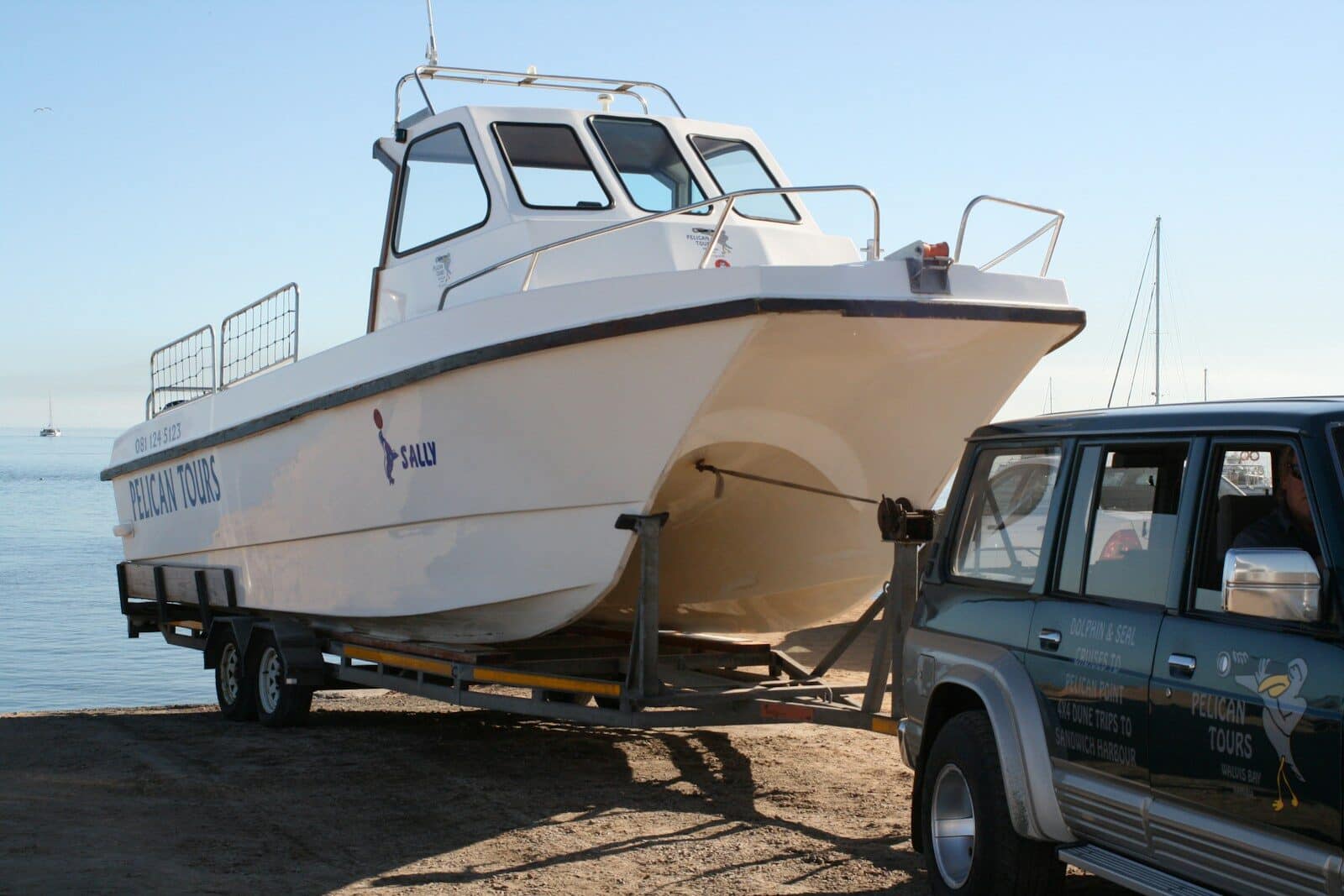
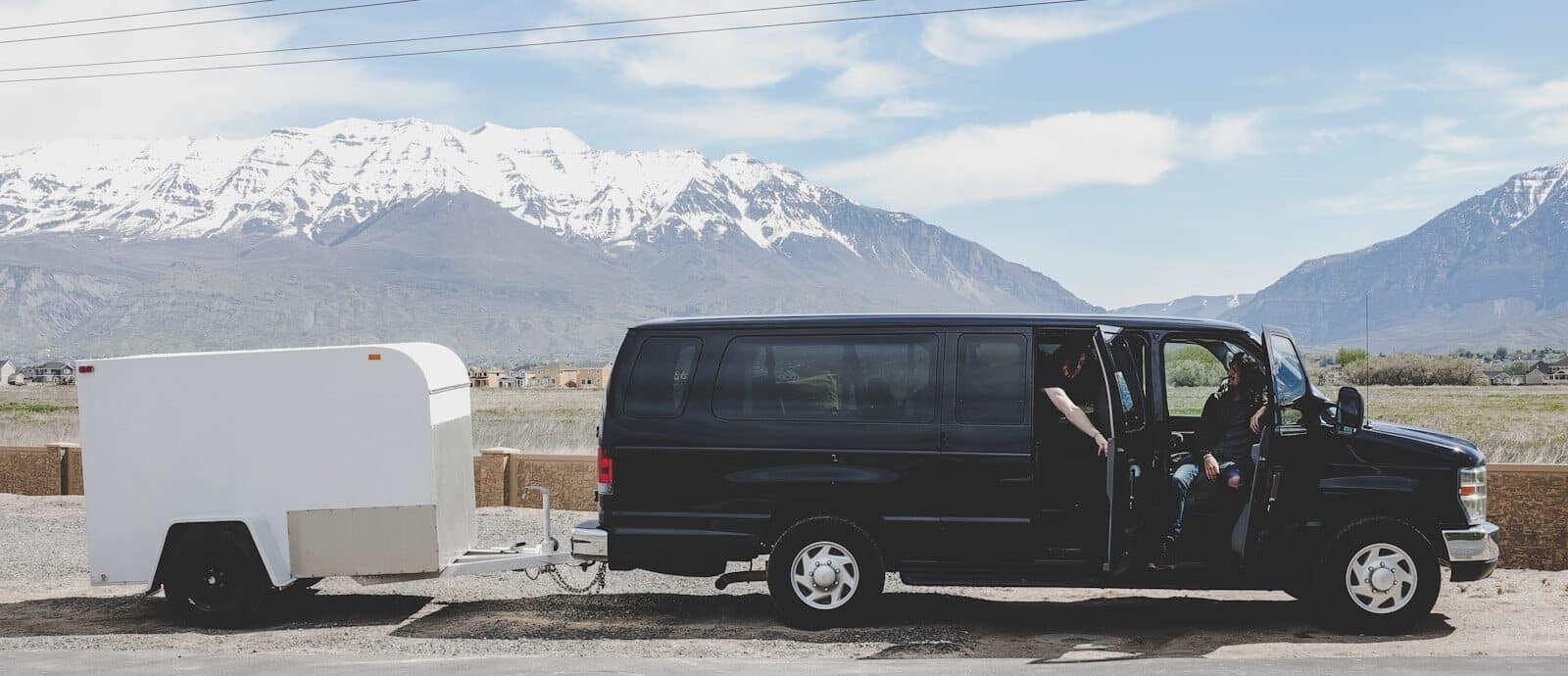
A small cargo trailer is one of the most practical hauling tools available today. Whether you’re running a business, transporting tools to a job site, or packing up camping gear for your next adventure, a compact trailer can make hauling equipment easier and safer.
Many people choose a small trailer because of its convenience. These trailers are designed to be lightweight, durable, and easy to tow behind everyday vehicles such as a pickup, SUV, or even some larger car models. For individuals and companies across the USA, cargo trailers provide an efficient way to move tools, equipment, and supplies without relying on larger transport systems.
From recreation and outdoor travel to commercial deliveries, the right cargo trailer offers flexibility, durability, and dependable performance on the road.
In this guide, we’ll explore what a small cargo trailer is, how people use them, available configurations, and what to consider when transporting one safely.
What Is a Small Cargo Trailer
A small cargo trailer is a compact towing unit designed to carry equipment, tools, or other cargo behind a vehicle.
These trailers are commonly built using durable materials such as aluminum or reinforced steel to ensure long-term durability. Many are equipped with heavy-duty wheels, stable suspension components, and secure loading areas designed to keep cargo protected.
Some trailers are open utility models, while others fall into the category of enclosed cargo trailers.
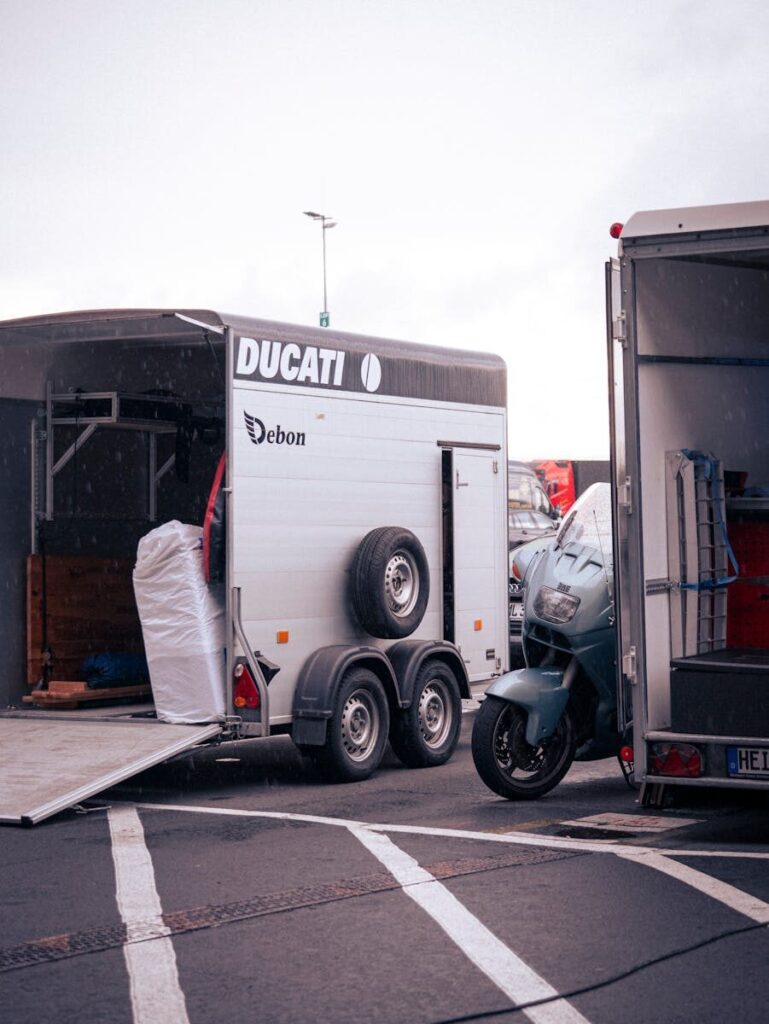
An enclosed trailer includes walls and a roof to protect equipment from weather and road debris. This design helps keep gear safe, making it ideal for hauling valuable tools, supplies, and equipment.
Manufacturers such as Carry On Trailers produce compact trailers designed for durability and versatility. These models often include practical features like reinforced flooring, locking doors for security, and interior tie-down points to keep items secure during transport.
Because these trailers are designed for everyday use, they are often easy to set up, load, and maintain.
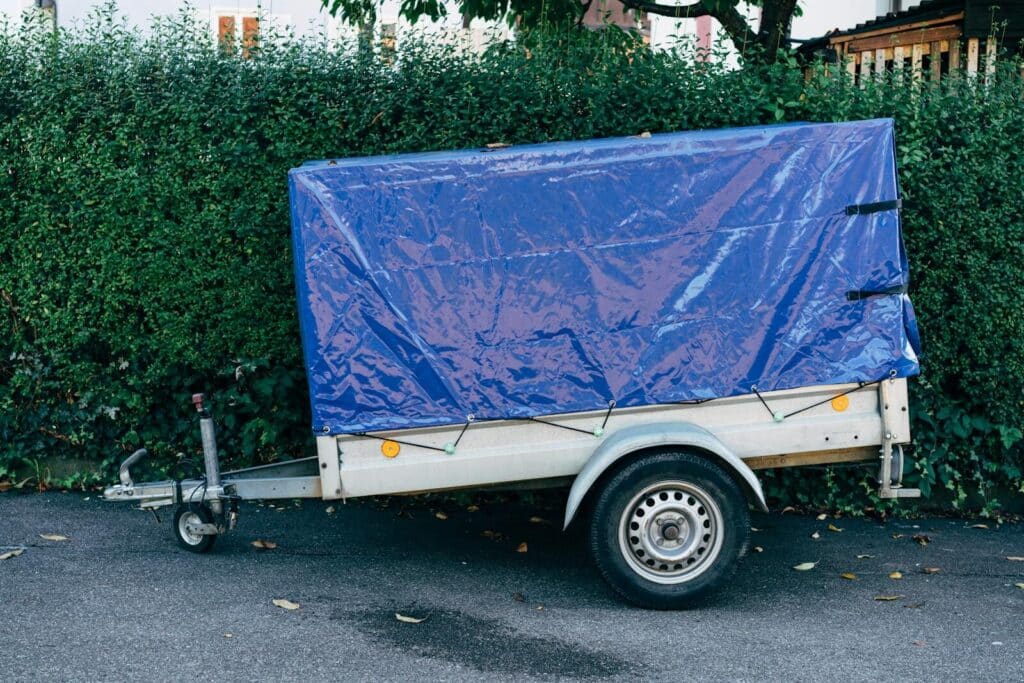
Photo by Markus Winkler on Pexels
Common Uses for Cargo Trailers
One of the biggest advantages of cargo trailers is their versatility. A small cargo trailer can support many different hauling needs.
Job Site Equipment Transport
Many contractors rely on cargo trailers to move tools and equipment between locations.
At a busy job site, trailers help transport:
- Construction equipment
- Power tools and electrical components
- Building materials and supplies
Because tools are expensive, using an enclosed trailer helps keep equipment protected and secure while traveling between locations.
For contractors and service technicians, this setup can improve efficiency and reduce downtime.
Small Business Deliveries
Cargo trailers are also used by small businesses that need to move products or equipment.
Many companies use trailers for:
- Product deliveries
- Event equipment transportation
- Service and maintenance work
A small cargo trailer provides a practical solution that can help businesses save money compared to renting larger vehicles.
Outdoor Recreation and Travel
Cargo trailers are popular among outdoor enthusiasts as well.
Many people use them to carry camping gear, bikes, or kayaks when traveling for recreation.
The enclosed structure helps keep gear protected from rain, dust, and other environmental elements during travel.
For families planning weekend adventures, a cargo trailer can turn a simple vehicle into a fully equipped travel setup.
Personal Moving and Storage
Some homeowners also use cargo trailers when moving furniture or household items.
These trailers provide temporary storage and convenient hauling for larger items that may be impractical to fit inside a standard vehicle.
Because they are compact, a small trailer can often be stored easily in a driveway or garage when not in use.
Sizes and Configurations
Cargo trailers come in several sizes designed to meet specific needs.
A typical small cargo trailer may range from:
- 4 to 7 feet wide
- 8 to 12 feet long
However, larger models are also available for heavier loads.
Enclosed Cargo Trailers
Enclosed cargo trailers remain the most popular option for businesses and individuals who want extra protection.
These trailers are designed to keep cargo secure, dry, and safe during transport.
Common features include:
- Reinforced walls and frame construction
- Lockable doors for improved security
- Weather-resistant exterior materials
- Built-in tie-down systems to keep equipment stable
These designs help ensure cargo remains protected even during long-distance transport.
Open Utility Cargo Trailers
Open trailers are commonly used for hauling landscaping equipment or materials that do not require weather protection.
These models offer quick loading and unloading from the ground, making them useful for heavy equipment.
Custom Trailer Options
Many owners choose to customize their trailers to suit specific hauling tasks.
Custom features may include:
- Interior shelving or storage systems
- Insulation for temperature control
- Additional tie-down points
- Reinforced flooring for heavy equipment
These upgrades improve overall functionality and allow the trailer to better suit a particular job or business.

Transporting Cargo Trailers Safely
Although a small cargo trailer may seem simple to tow, proper safety precautions are still essential.
Before transporting a trailer, owners should evaluate several important factors.
Vehicle Compatibility
Not every vehicle is designed to tow a trailer safely.
A pickup, SUV, or other suitable vehicle should have the correct towing capacity before pulling a loaded trailer.
Matching the trailer weight with the correct vehicle helps ensure safe handling and stability.
Weight Distribution
Cargo should always be evenly distributed inside the trailer.
Improper loading can cause instability or cause the trailer to drag unevenly on the road.
Maintaining proper weight balance improves handling and towing safety.
Trailer Maintenance
Routine maintenance is essential for safe transport.
Owners should regularly inspect key trailer components, including:
- Tires and wheels
- Lighting systems
- Hitch connections
- Braking systems
Proper inspections help ensure that the trailer remains safe and reliable for long-distance hauling.
Professional Transport Services
Sometimes towing a trailer yourself is not the best option.
Customers may purchase a trailer from a dealership in another state or need equipment delivered to a remote location.
In these cases, professional trailer hauling services provide a practical solution.
At Interstate Haulers, we specialize in safely transporting trailers across the USA. Our experienced team works with individual customers, dealerships, and businesses to deliver trailers efficiently and securely.
With nearly 30 years of experience, we understand the logistics required to transport everything from small cargo trailers to large RVs and specialty trailers.
Choosing the Right Small Cargo Trailer
When deciding which small cargo trailer to buy, buyers should evaluate several factors.
Important considerations include:
- Trailer size and weight capacity
- Durability and quality of construction
- Security and locking systems
- Compatibility with your vehicle
- Storage needs and cargo capacity
The right trailer should match your hauling requirements while remaining reliable for years of use.
Final Thoughts
A small cargo trailer offers an incredibly practical solution for transporting tools, equipment, and recreational gear.
Whether you’re running a business, traveling with camping gear, or moving equipment between job locations, these trailers provide convenience, durability, and flexibility.
With proper setup, maintenance, and safe towing practices, cargo trailers can serve owners for many years.
If you need help transporting a small cargo trailer, an enclosed cargo trailer, or other specialty trailers, Interstate Haulers is ready to assist.
Our experienced team provides reliable nationwide hauling services backed by nearly three decades of industry expertise.
Contact Interstate Haulers today to request a quote and safely transport your trailer anywhere in the United States.
Helpful Links and Resources for Small Cargo Trailers
- National Association of Trailer Manufacturers (NATM): Stay informed about trailer safety standards and industry updates. The NATM website offers valuable resources for trailer owners and manufacturers. Visit NATM
- U.S. Department of Transportation – Trailer Safety: Learn about federal regulations and safety guidelines for towing and trailers. This is a must-read for anyone new to towing small cargo trailers. Visit DOT Trailer Safety
- etrailer.com: A comprehensive resource for trailer parts, accessories, and how-to guides. Perfect for DIY enthusiasts and trailer owners looking to upgrade or maintain their trailers. Visit etrailer
- Trailer Life Magazine: Explore articles, tips, and reviews related to trailers and towing. This magazine covers a wide range of topics, including small cargo trailers. Visit Trailer Life
- Towing Safety Advisory United States Coast Guard: Access towing safety tips and best practices to ensure a safe journey with your small cargo trailer. Visit United States Coast Guard
- RVshare Blog – Trailer Tips: While RVshare focuses on RV rentals, their blog includes helpful tips and advice for towing and maintaining trailers of all sizes. Visit RVshare Blog
- DoItYourself.com – Trailer Maintenance: A great resource for DIY maintenance and repair tips for small cargo trailers. Learn how to keep your trailer in top condition. Visit DoItYourself.com