If you work with heavy equipment, construction materials, agricultural loads, or large vehicles, chances are you’ve encountered a gooseneck trailer. These trailers are known for their strength, stability, and ability to handle demanding hauling tasks.
However, transporting a gooseneck trailer isn’t always as simple as hooking it up to a truck and hitting the road. Their size, weight, and hitch design require specialized towing vehicles, careful planning, and experience.
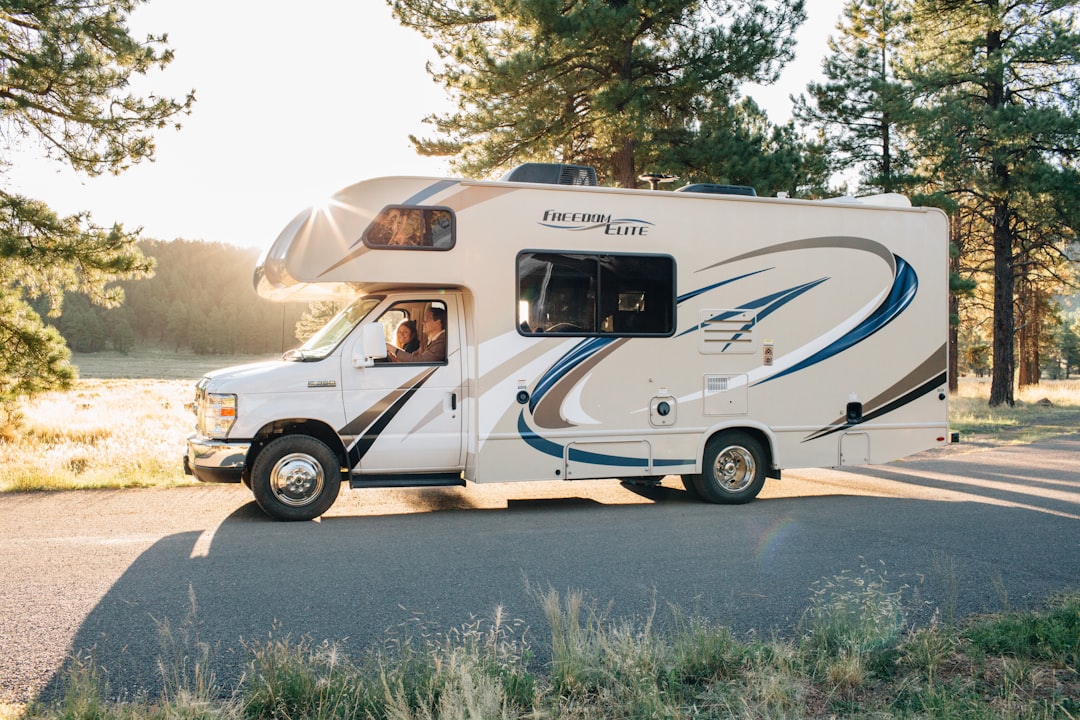
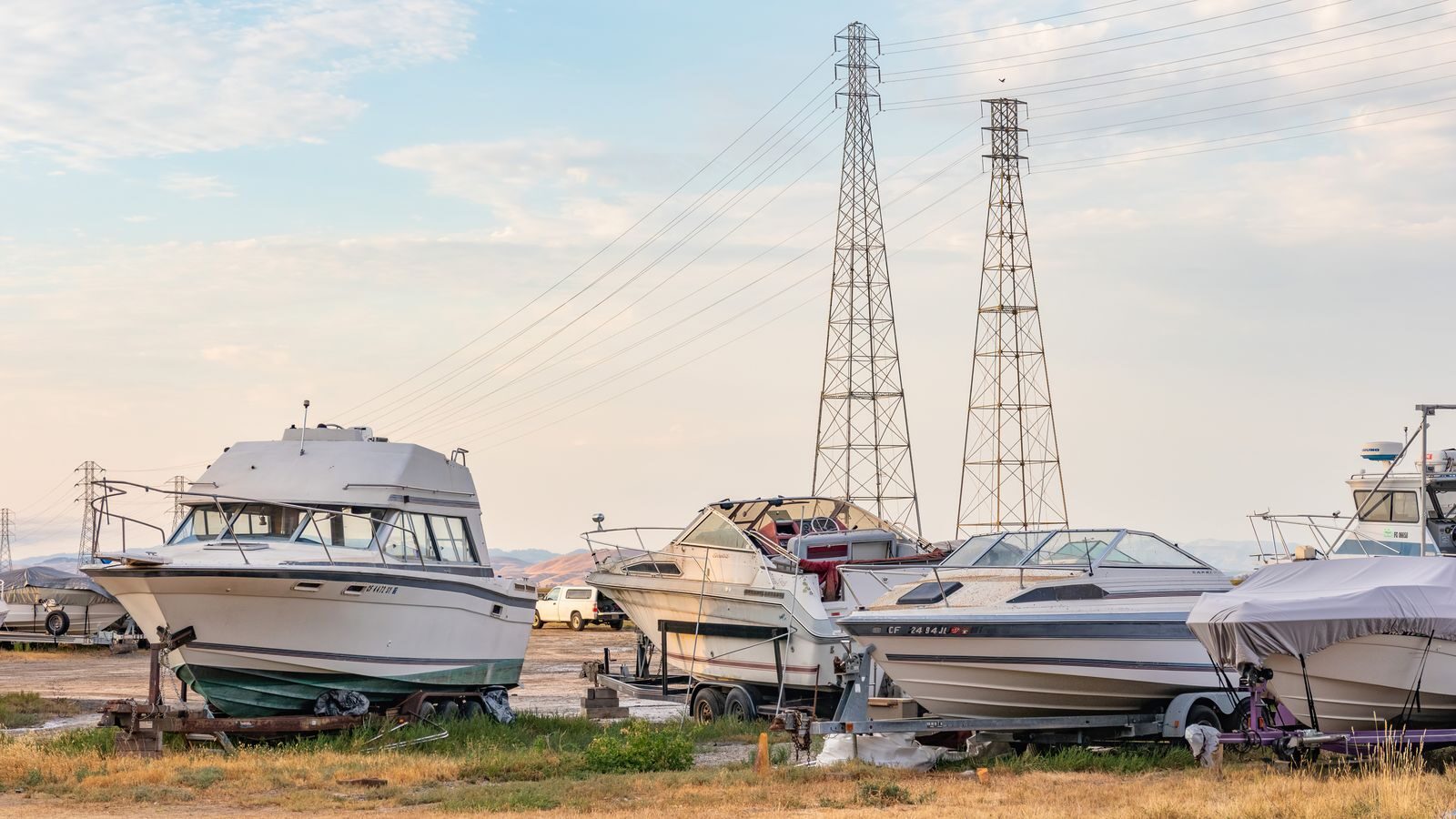
At Interstate Haulers, we’ve spent nearly 30 years helping customers transport trailers safely across the United States. As a family-owned company founded in 1997, we specialize in moving high-value assets such as boats, RVs, and heavy-duty trailers with professionalism and care.
If you’re purchasing a gooseneck trailer or planning to move one long distance, this beginner-friendly guide will walk you through the basics of hauling and why professional transport often makes the most sense.
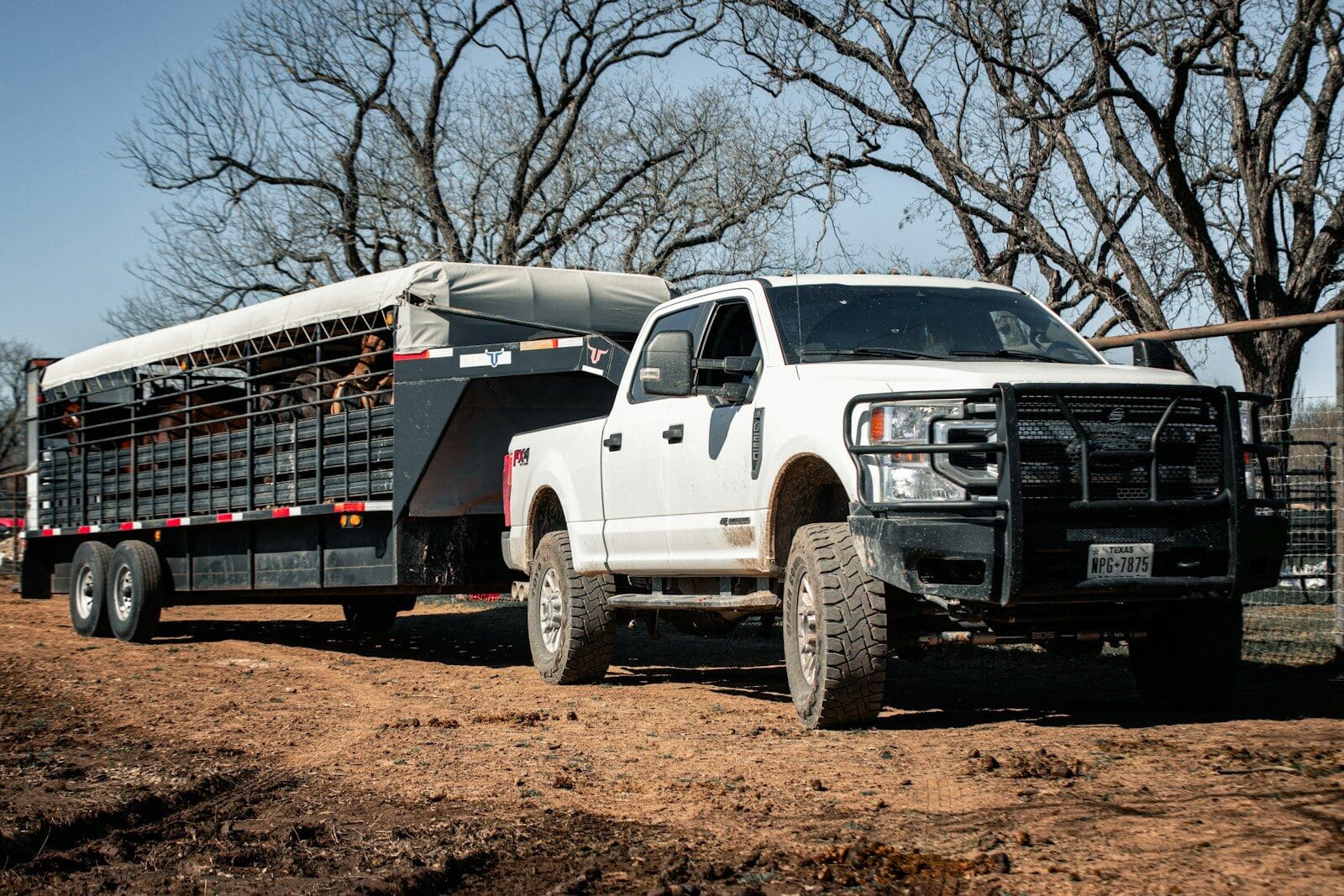
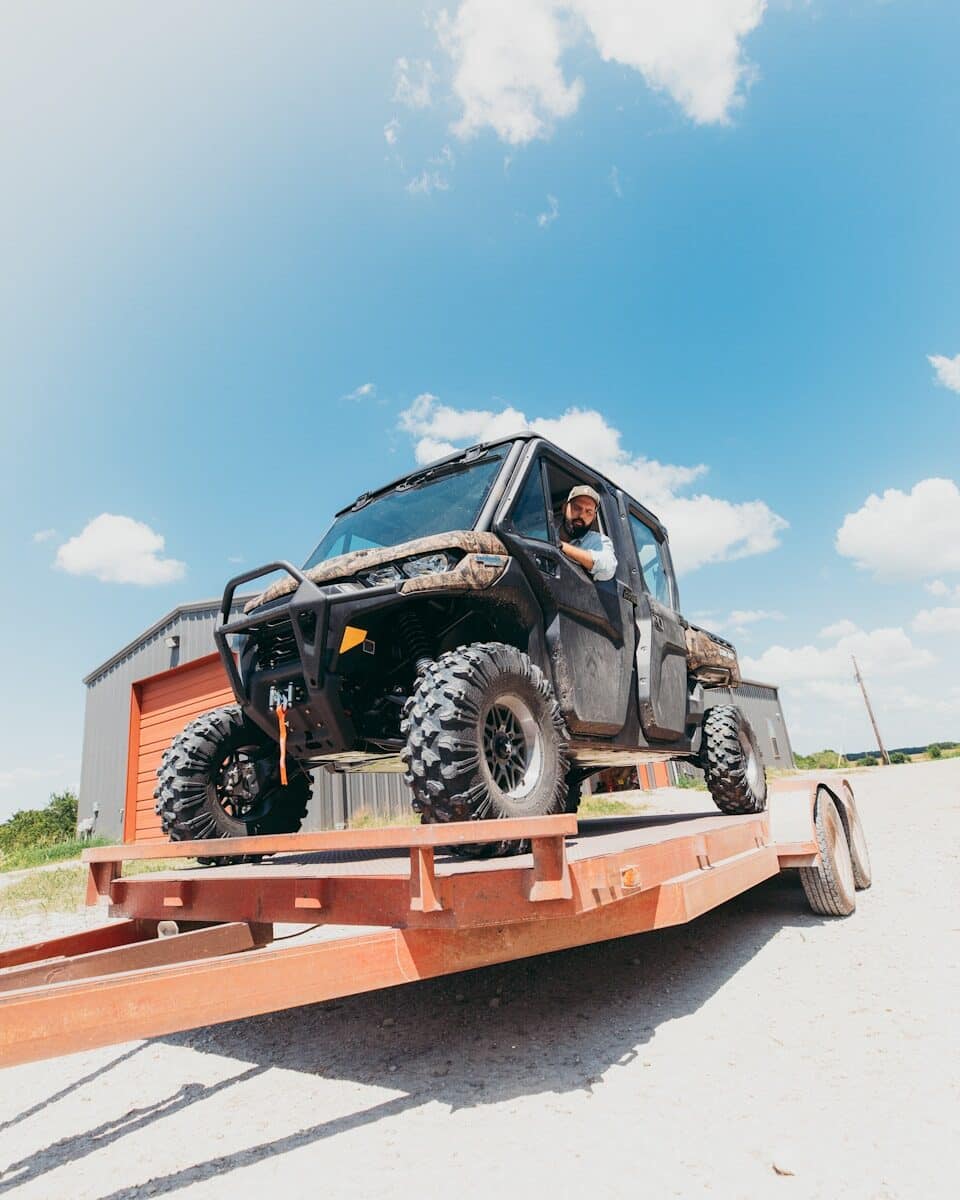
Photo by Howard R Wheeler on Unsplash
What Is a Gooseneck Trailer?
A gooseneck trailer is a type of trailer that connects to a hitch installed inside the bed of a pickup truck rather than attaching to the rear bumper.
Instead of using a bumper-mounted hitch, the trailer’s neck extends over the truck bed and connects to a ball hitch positioned directly above the rear axle. This design improves weight distribution and increases stability while towing.
Because of this connection point, gooseneck trailers can handle heavy loads more efficiently than many bumper pull trailers.
You’ll commonly see gooseneck trailers used for:
- Heavy equipment transport
- Construction materials such as steel, wood, or concrete
- Agricultural hauling, such as hay and livestock
- Vehicle transport with flatbed trailers or car haulers
- Industrial equipment transport
These trailers are often built with heavy-duty construction and reinforced frames to handle demanding jobs.
Many manufacturers offer different models depending on the hauling needs of the customer. Popular brands include Diamond C Trailers, Big Tex Trailers, and PJ Trailers, all known for producing reliable and durable equipment for the hauling industry.
Why Gooseneck Trailers Are Different for Hauling
A perfect gooseneck trailer is designed for strength, stability, and versatility. But that same strength also means these trailers require careful planning when transporting them.
Stability and Weight Distribution
Because the hitch sits over the rear axle of the truck, gooseneck trailers distribute weight across the towing vehicle’s frame more effectively. This provides better stability when hauling heavier cargo.
That improved balance is one reason many contractors rely on flatbed gooseneck trailers and equipment trailers for demanding work.
Larger Size and Capacity
Many gooseneck trailers are designed to handle wide equipment, heavy machinery, and oversized cargo.
Typical features include:
- Flatbed trailer platforms with high weight capacities
- Reinforced steel frames
- Durable diamond plate decking
- Stake pockets for securing cargo
- Rub rail systems for additional tie-down points
These additional features make gooseneck trailers extremely versatile, but they also increase the complexity of transport.
Designed for Tough Jobs
Many customers choose gooseneck trailers because they’re built for the toughest jobs.
These trailers may carry:
- Construction equipment
- Industrial machinery
- Agricultural supplies
- Utility equipment
- Commercial vehicles
Their heavy-duty construction provides the durability needed to perform under demanding conditions.
Flatbed Gooseneck Trailers and Equipment Trailers
One of the most common configurations is the flatbed gooseneck trailer.
These trailers feature an open flatbed trailer design that allows users to load almost any type of cargo. Their versatility makes them popular for construction companies, equipment dealers, and contractors.
A typical equipment trailer may include:
- Reinforced steel frames
- Wide loading decks
- Built-in ramps or hydraulic loading systems
- Toolboxes for equipment storage
- Tie-down rails and stake pockets
Many flatbed gooseneck trailers also include hydraulic jacks that help raise and lower the trailer for easier loading and unloading.
These features help improve efficiency while maintaining safety when transporting heavy equipment.
Key Features Found on Heavy Duty Trailers
Most heavy-duty trailers are engineered to handle demanding conditions and long-term use.
Common features include:
- Durable steel construction
- Reinforced diamond plate flooring
- Integrated rub rail systems
- Built-in stake pockets for cargo security
- Heavy-duty axles designed for higher capacities
- Adjustable loading ramps
- Lockable toolbox compartments
Some select models can even be customized to accommodate specialized hauling needs.
For businesses transporting heavy equipment regularly, choosing the right trailer with the right features is essential.
Gooseneck Trailer Hauling Checklist
If you’re preparing to transport a gooseneck trailer, there are several important factors to consider.
1. Weight and Length
Understanding the weight and overall dimensions of the trailer is critical.
Many equipment trailers and flatbed trailers are designed to carry extremely heavy loads, which can impact towing requirements and route planning.
Transport professionals evaluate:
- Trailer width
- Cargo weight
- Axle capacity
- Load balance
These factors determine the safest way to move the trailer.
2. Hitch Compatibility
Unlike bumper pull trailers, gooseneck trailers require a specific hitch installed in the truck bed.
The towing vehicles used for transport must be properly equipped with the correct hitch system to connect to the trailer’s neck.
Without the right equipment, towing can become unsafe or impossible.
3. Route Planning
When transporting large trailers, planning the route is essential.
Oversized loads may require avoiding certain roads, bridges, or low-clearance areas.
Professional transport companies evaluate:
- Road restrictions
- Traffic patterns
- Construction zones
- Distance and delivery timelines
Proper route planning helps ensure the trailer arrives safely and efficiently.
4. Permits and Regulations
Depending on the size and weight of the trailer, permits may be required for transport.
Different states have different rules for hauling oversized equipment, which can impact how and when trailers move.
Experienced transport companies understand these regulations and ensure shipments remain compliant.
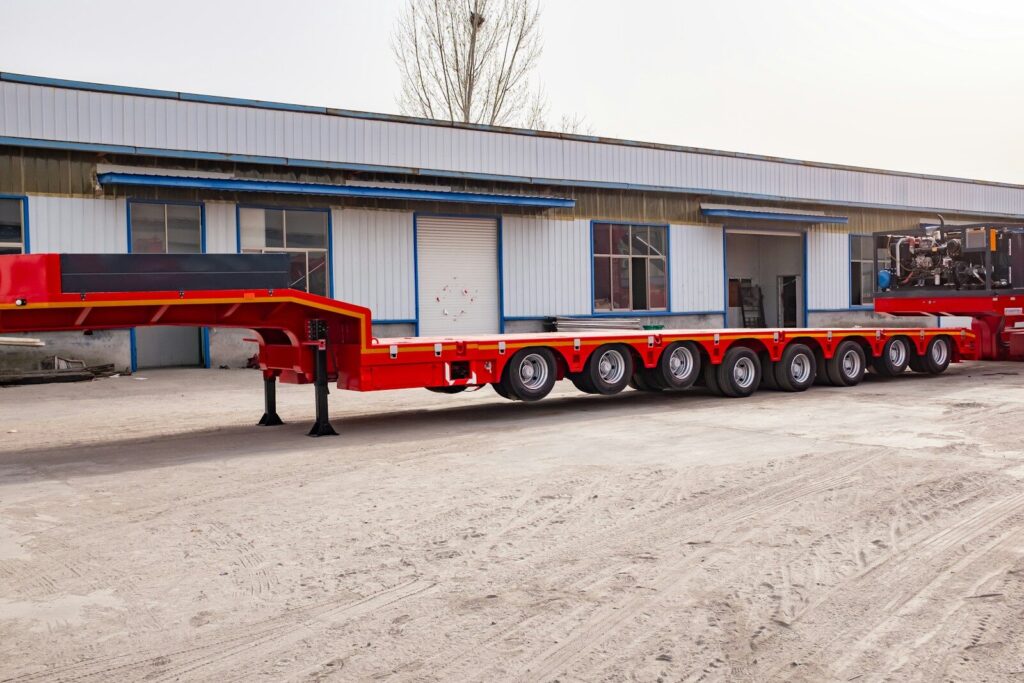
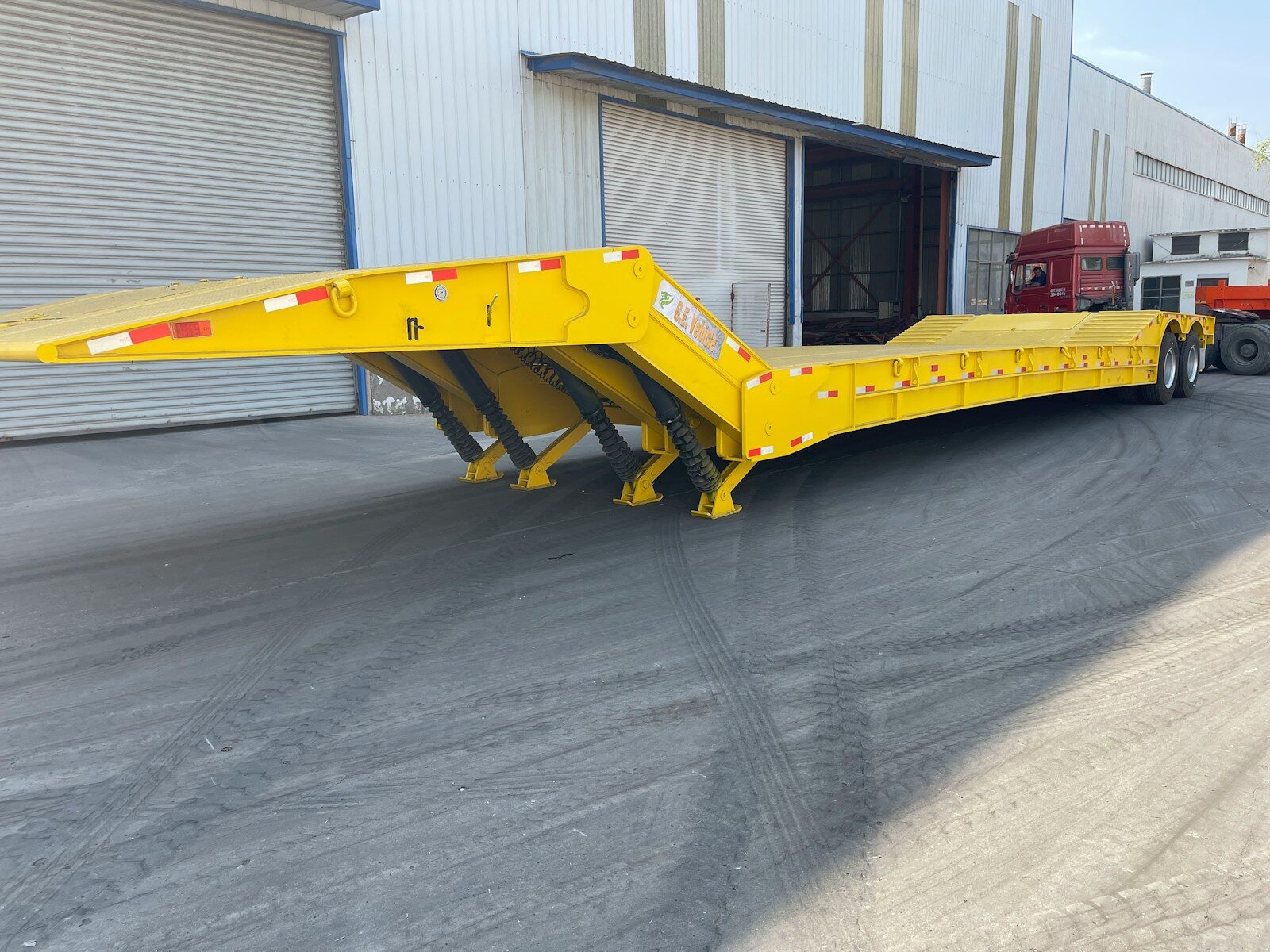
Photo by Forest Plum on Unsplash
Why Professional Gooseneck Trailer Hauling Matters
Many buyers assume they can simply pick up a trailer after purchasing it. In some cases, that works well. But transporting a gooseneck trailer long distances often requires specialized equipment and experience.
Professional hauling provides several advantages.
Safer Transport
Handling heavy loads requires the right equipment and knowledge. Professional drivers understand how to secure cargo, manage weight distribution, and operate safely on highways.
Protection for Your Vehicle
Towing large trailers can place significant strain on personal vehicles. Using professional hauling services helps protect your truck from unnecessary wear and tear.
Efficiency and Reliability
Experienced transport companies can often move trailers faster and more efficiently than individuals handling the job themselves.
At Interstate Haulers, we plan routes carefully, coordinate logistics, and communicate clearly throughout the shipment process.
Why Customers Trust Interstate Haulers
Since 1997, Interstate Haulers has built a reputation as a reliable partner for transporting oversized and high-value equipment.
Our team serves:
- Individual trailer owners
- Equipment dealers and manufacturers
- Freight forwarders and logistics providers
- Government and emergency response agencies
We’re committed to delivering trailers safely while maintaining the personalized service that comes from being a family-owned company.
Our experience in hauling boats, RVs, and industrial trailers allows us to handle complex transport situations with confidence.
Helpful Links and Resources for Gooseneck Trailers
- National Highway Traffic Safety Administration (NHTSA): Stay informed about trailer safety regulations and guidelines. The NHTSA provides essential information on towing safety, weight limits, and maintenance tips. Visit NHTSA
- U.S. Department of Transportation (DOT): Learn about federal transportation laws and requirements for towing trailers, including gooseneck trailers. Visit DOT
- Trailer Safety Week: A dedicated resource for trailer safety education, offering tips, checklists, and best practices for safe towing. Visit Trailer Safety Week
- American Welding Society (AWS): For those interested in the construction and maintenance of gooseneck trailers, AWS provides resources on welding standards and techniques. Visit AWS
- Tire Industry Association (TIA): Proper tire maintenance is crucial for safe towing. The TIA offers resources on tire care, load ratings, and replacement guidelines. Visit TIA
- Federal Motor Carrier Safety Administration (FMCSA): If you’re using a gooseneck trailer for commercial purposes, the FMCSA provides regulations and compliance information for commercial vehicles. Visit FMCSA
- Weather.gov (National Weather Service): Check weather conditions before towing your gooseneck trailer. The National Weather Service offers real-time updates and forecasts to ensure safe travel. Visit Weather.gov

Need Help Transporting a Gooseneck Trailer?
If you’re purchasing a gooseneck trailer, relocating heavy equipment, or arranging delivery from a dealer, professional hauling can simplify the process.
At Interstate Haulers, we specialize in transporting trailers across the continental United States with safety, efficiency, and clear communication.
Contact our team today to request a quote and learn how we can help transport your gooseneck trailer safely.