
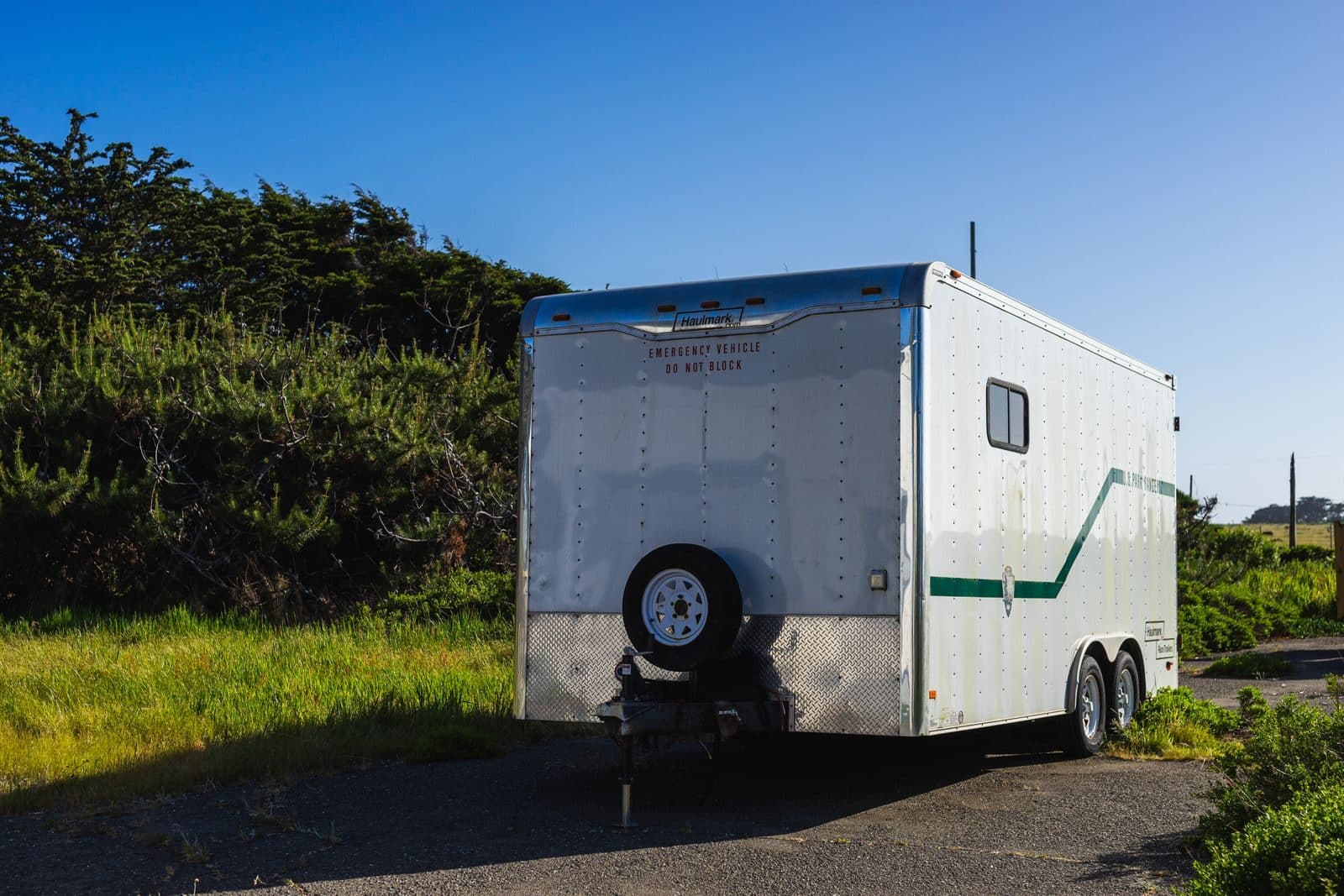
Enclosed trailers offer superior weather protection, theft deterrence, and cargo organization—making them ideal for motorcycles, furniture, tools, and business inventory. Open trailers cost less upfront, weigh less, and handle oversized equipment better. The right choice depends on what you’re hauling, your budget, your towing vehicle, and how often you plan to use it.
Choosing the wrong trailer is an expensive mistake. The wrong setup can lead to damaged cargo, frustrated customers, unnecessary fuel costs, or a tow vehicle that’s pushed beyond its limits. Yet many buyers rush the decision, treating it as an afterthought rather than a strategic call.
Both enclosed trailers and open trailers have earned their place in the market—and for good reason. Each design solves a different problem. The key is understanding which problem you actually have before you open your wallet.
This guide breaks down everything you need to know before buying: how each trailer type is built, what it’s best suited for, how they stack up head-to-head across protection, weight, cost, security, and maintenance, and which trailer makes the most sense for specific hauling jobs. By the end, you’ll have a clear picture of which option fits your situation—and what to consider if you ever need to transport a specialty trailer across state lines.

What Is an Enclosed Trailer?
An enclosed trailer is a fully covered hauling unit with solid walls on all sides, a roof, and one or more lockable rear (or side) doors. The cargo area is completely sealed from the outside environment, which is the defining advantage of this trailer type.
Enclosed trailers come in a wide range of sizes—from compact single-axle units as small as 5 feet in length, all the way up to large tandem-axle configurations reaching 32 feet. That range makes them one of the most versatile hauling solutions on the market, suitable for everything from a single motorcycle to a full load of business inventory or trade show equipment.
Construction matters here more than most buyers realize. Quality enclosed trailers are typically built on 11-gauge rectangular tube frames—a standard that balances strength and weight. Floors are made from ¾-inch plywood, not particle board, which holds up far better under load and over time. Insulated ceilings help protect temperature-sensitive cargo from heat and cold extremes, which is especially important for electronics, food products, and certain materials that degrade under temperature swings.
Interior features vary by model and configuration, but commonly include LED lighting, ventilation systems, shelving, wall-mounted racks, and built-in anchor points. Many enclosed trailers also support full interior customization—more on that in the customization section below.
Common uses for enclosed trailers include:
- Motorcycles and powersports vehicles
- Furniture and household goods
- Business inventory and product samples
- Tools and trade equipment
- Electronics and sensitive gear
- Recreational equipment like bikes and camping gear
- Trade show materials and displays
For a deeper look at enclosed trailer sizing standards, the National Trailer Dealers Association (NTDA) is a reliable industry reference.
What Is an Open Trailer?
An open trailer—often referred to as a flatbed or utility trailer—has no walls or roof. The cargo platform is exposed, which creates advantages in accessibility and weight, but leaves everything on board fully visible and vulnerable to the elements.
Open trailers are generally simpler in construction: a flat deck, a frame, wheels, a coupler, and tie-down points. That simplicity is part of the appeal. Loading from any angle is straightforward, and there are no dimensional restrictions caused by walls or a roofline.
Common uses for open trailers include:
- Landscaping supplies, mulch, and soil
- Lawn mowers, trimmers, and mulchers
- ATVs and utility vehicles
- Construction materials and lumber
- Small machinery and equipment
- Vehicles being transported short distances
- Oversized loads that wouldn’t fit inside an enclosed space
The American Rental Association (ARA) offers useful resources on trailer types commonly used in the equipment rental space.
Construction Materials: Steel vs. Aluminum
Before comparing enclosed and open trailers directly, it’s worth understanding the two primary materials used to build both: steel and aluminum. Your choice of material affects weight, durability, cost, and long-term maintenance requirements.
Steel frames are strong and widely used across both trailer types. They handle heavy loads reliably and are generally less expensive to manufacture. The trade-off is susceptibility to rust. A steel trailer that isn’t properly maintained—kept painted, sealed, and inspected for surface corrosion—can deteriorate significantly over time, especially in high-humidity climates or areas where roads are treated with salt.
Aluminum trailers are lighter than comparable steel units and naturally corrosion-resistant, which eliminates most of the rust-related maintenance concerns. That makes them well-suited to buyers in coastal or wet environments, and to anyone who wants to minimize long-term upkeep. The downside is cost—aluminum trailers typically run more expensive than steel equivalents of the same size and capacity.
For most buyers, the choice comes down to budget and environment. Steel is the practical default in many cases. Aluminum earns its premium for buyers who prioritize longevity and weight savings.
Axle Configuration: Single vs. Tandem
Axle configuration is one of the most consequential decisions you’ll make when selecting a trailer—whether enclosed or open. It affects stability, payload capacity, maneuverability, and legal towing requirements.
Single-axle trailers have one set of wheels and axles. They’re lighter, easier to maneuver in tight spaces, and better suited for lighter loads and shorter hauls. For buyers who need to back into narrow driveways, navigate job sites, or store a trailer in a small garage, a single-axle unit is often the more practical choice.
Tandem-axle trailers have two sets of axles and offer greater stability at highway speeds, higher payload capacity, and better load distribution. They’re the standard choice for heavier cargo, longer hauls, and commercial applications where safety margins matter. If you’re hauling multiple motorcycles, a full load of business inventory, or heavy equipment, a tandem-axle configuration is typically the right call.
As a general rule: match the axle configuration to your load—not to your tow vehicle. A tandem-axle trailer that’s consistently underloaded isn’t ideal either, since it adds unnecessary weight and reduces fuel economy. Size and configure your trailer to your actual use case.
Enclosed Trailer Benefits
Better Weather Protection
Rain, snow, sleet, UV exposure, road debris—an enclosed trailer blocks all of it. For cargo that’s sensitive to moisture or temperature fluctuation, this matters enormously. Leather furniture warps. Electronics corrode. Musical instruments crack. Motorcycles develop rust on chrome components after repeated exposure to road salt.
The insulated ceiling design found in many quality enclosed trailers goes a step further, protecting cargo from temperature extremes that can degrade materials, affect electronics, and compromise sensitive goods during long hauls in hot or cold conditions.
Hauling expensive or fragile cargo without weather protection is a calculated risk every single time. An enclosed trailer removes that variable entirely.
Increased Security
An enclosed trailer with a padlocked rear door is a meaningful theft deterrent. Cargo parked overnight on an open trailer is visible to anyone walking past. The same cargo inside a locked enclosed unit is both hidden and physically secured.
For contractors and tradespeople leaving equipment at a job site, or small business owners hauling inventory between locations, this security layer is often the deciding factor. According to the National Insurance Crime Bureau (NICB), cargo theft is a persistent problem across the U.S., with open trailers presenting an easier target than enclosed alternatives.
Cargo Stays Cleaner
Even on a dry day, an open trailer subjects cargo to road grime, dust, insect debris, and exhaust particulate. Over a long haul, that buildup is significant. An enclosed trailer keeps cargo in the same condition it left in—which matters for deliveries to clients, transport of finished goods, and any cargo where presentation counts.
Better Organization with D-Rings and Interior Systems
Enclosed trailers lend themselves to interior customization in ways open trailers simply don’t. Shelving units, wall-mounted cabinets, overhead storage, and flooring upgrades can all be added to maximize usable space—giving businesses and regular haulers a mobile storage system that’s organized and accessible.
Critically, most enclosed trailers come equipped with D-rings—recessed or surface-mounted tie-down anchors welded or bolted to the floor and sometimes the walls. D-rings allow you to secure cargo from multiple angles using ratchet straps or chains, preventing shifting during transport. For anyone hauling motorcycles, tools, or equipment with any frequency, a well-configured enclosed trailer with properly placed D-rings is far more practical than a bare platform.
The Cargo Securement section of the Federal Motor Carrier Safety Administration (FMCSA) outlines regulations for properly securing loads—worth reviewing before any long haul.
Open Trailer Benefits
Lower Purchase Cost
Open trailers cost significantly less than comparable enclosed units. A basic utility trailer can be purchased new for a fraction of the cost of an enclosed trailer of similar capacity. Enclosed trailers are generally more expensive due to the additional construction involved—framing, walls, roofing, doors, and interior components all add cost. For buyers who haul infrequently, carry cargo that isn’t weather-sensitive, or are working within a tight budget, that price gap is hard to ignore.
Maintenance costs also tend to run lower. With no walls, roof, or doors to repair, there are fewer components that can deteriorate over time.
Easier Loading
Loading wide, heavy, or irregularly shaped items onto an open trailer is far more straightforward. There are no walls to navigate around, no height restrictions to worry about, and no door openings limiting access angles. Forklifts can load from any side. Cranes can lower items vertically. Equipment with wide wheel bases fits without issue.
For construction sites, landscaping operations, and agricultural settings, this accessibility is a daily operational advantage.
Lower Weight and Better Fuel Economy
An open trailer is lighter than a comparable enclosed unit—sometimes by several hundred pounds. That weight difference has real consequences. A lighter trailer places less stress on the tow vehicle, improves fuel economy, and in some cases allows a smaller vehicle to legally tow the load.
For buyers who are close to the tow rating of their truck or SUV, the weight difference between trailer types could be the factor that determines what they can legally and safely pull.
Door Configurations: Ramp Doors vs. Barn Doors
One of the most practical decisions in choosing an enclosed trailer is door configuration. The right door type depends entirely on how you load and unload—and getting it wrong creates daily friction.
Ramp doors fold down from the rear to create a drive-up or roll-up surface. They’re ideal for loading wheeled equipment—motorcycles, ATVs, side-by-sides, golf carts, and any cargo that rolls under its own power or via a hand truck. A ramp door eliminates the need for a separate loading ramp and makes the loading process significantly faster for wheeled loads.
Barn doors swing open from the center, similar to a set of double doors. They’re particularly useful when loading with a forklift, when dock-height loading is involved, or when working in tight spaces where a ramp would be impractical. Barn doors also provide a wider opening than a single swing door, which makes maneuvering bulky items easier. Many buyers in commercial or industrial settings prefer barn doors for exactly this reason.
Wider doors in general—whether ramp or barn style—facilitate easier loading and unloading across the board. When evaluating trailers, pay attention to the door opening width relative to the largest item you’ll regularly load. A door that’s only a few inches narrower than your cargo creates problems every single time.
Some enclosed trailer configurations include both a rear ramp door and a side door, offering maximum flexibility for different loading scenarios.
Enclosed Trailer Customization Options
One of the most underappreciated advantages of enclosed trailers is how extensively they can be customized—both at the point of purchase and after the fact. Buyers aren’t limited to off-the-shelf configurations. Many manufacturers allow you to design your trailer from the ground up using an online trailer builder, selecting dimensions, materials, door types, and interior features before your order is finalized.
Customization options commonly available include:
- Extra doors and custom door placement for side access
- Window configurations, including custom window types and locations
- Interior shelving and rack systems for organized storage
- LED lighting packages for improved visibility inside the trailer
- Ventilation systems to manage temperature and airflow
- Flooring upgrades beyond standard ¾-inch plywood
- Awning packages for outdoor shelter during events or jobsite use
- Bathroom packages for specialty applications like mobile units or event trailers
- D-ring placement tailored to specific cargo types
For buyers with very specific requirements, full custom builds are available—trailers designed around a particular use case rather than adapted from a standard model.
The Buying Process
Understanding how the purchase process works helps buyers plan ahead. When ordering a custom or semi-custom trailer:
- Orders are reviewed before final payment is collected, giving buyers an opportunity to confirm specifications and catch any discrepancies before production begins.
- Trailers can be picked up directly from the factory, which eliminates shipping costs and allows buyers to inspect the unit firsthand before taking delivery.
- Financing options are available through various partners, making it easier to manage the upfront cost of a larger or more fully equipped trailer without paying the full price out of pocket.
Customer service experiences with reputable trailer manufacturers are frequently highlighted positively by buyers—particularly the ability to work through customization details with knowledgeable staff during the ordering process. If you’re investing in a custom-built trailer, that level of support matters.
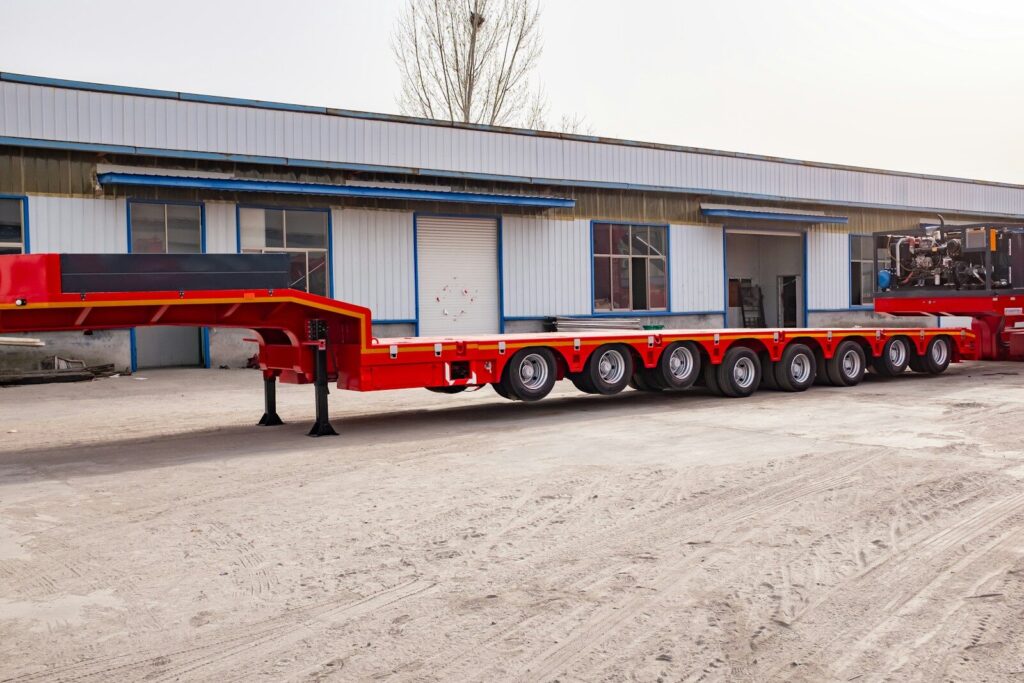
Photo by Forest Plum on Unsplash
Enclosed Trailer vs. Open Trailer: Side-by-Side Comparison
|
Feature |
Enclosed Trailer |
Open Trailer |
|---|---|---|
|
Weather Protection |
Excellent |
Minimal |
|
Theft Protection |
Excellent |
Low |
|
Visibility of Cargo |
Hidden |
Fully Visible |
|
Weight |
Heavier |
Lighter |
|
Purchase Cost |
Higher |
Lower |
|
Maintenance |
Moderate |
Lower |
|
Fuel Efficiency |
Slightly Lower |
Better |
|
Loading Flexibility |
Limited by walls/doors |
Unrestricted |
|
Best For |
Valuable or sensitive cargo |
Large equipment, bulk loads |
Which Trailer Works Best for Different Hauling Jobs?
Motorcycles
An enclosed trailer is the clear choice for motorcycles. Road debris, rain, and UV exposure all damage paint, chrome, and rubber over time. An enclosed trailer protects the finish, allows the bike to be secured upright using D-rings and wheel chocks, and prevents theft during overnight stops. A rear ramp door makes loading and unloading straightforward—no need for a separate ramp or extra muscle. For anyone transporting a motorcycle cross-country or to a track day, enclosed is the standard approach.
Furniture
Enclosed trailers protect upholstery from moisture, prevent scratches from road debris, and keep items from shifting due to wind drag—a real issue on open platforms at highway speeds. Moving furniture on an open trailer is manageable for short local hauls, but for anything longer, the risk of damage adds up quickly.
Landscaping Equipment
Either trailer can work here, depending on the equipment involved. Mowers, trimmers, and mulchers are built to withstand the outdoors, so weather exposure during transport rarely causes damage. Open trailers are popular in the landscaping industry because they’re cheaper, easier to load, and straightforward to clean. That said, a landscaping business transporting expensive commercial mowers overnight may prefer the theft deterrence of an enclosed unit.
Business Inventory
For businesses hauling product samples, retail merchandise, or perishable inventory, an enclosed trailer is the professional standard. It keeps goods protected and presentable, allows for organized interior storage with shelving and racks, and projects a more polished image when arriving at client locations. The security of lockable doors also reduces liability exposure.
Construction Equipment
Open trailers dominate construction sites for good reason. Excavator buckets, concrete forms, rebar bundles, and lumber don’t need weather protection—and their bulk often makes an enclosed trailer impractical. However, when a contractor needs to haul high-value power tools, generators, or sensitive electronic equipment, an enclosed trailer makes more sense. Many construction businesses own both types for different job requirements.
Recreational Equipment
The right trailer depends entirely on what you’re hauling. Kayaks and canoes transport fine on open trailers—they’re designed to handle water. Mountain bikes, on the other hand, benefit from the scratch protection and theft deterrence of an enclosed unit. ATVs and side-by-sides are commonly hauled on open trailers due to their size, while camping gear and electronics travel better inside an enclosed space. For mixed recreational use, an enclosed trailer with an ATV-accessible ramp door and a side barn door offers the best of both worlds.
The Recreation Vehicle Industry Association (RVIA) publishes helpful guidance on towing safety and trailer selection for recreational users.
Factors to Consider Before Buying a Trailer
Budget
Upfront cost and long-term value are two different calculations. An open trailer costs less to buy but offers less protection, which could cost you more in damaged cargo down the road. An enclosed trailer requires a larger initial investment but often pays for itself when you account for protected cargo, reduced theft risk, and lower incidental losses. If cost is a barrier, ask about financing options—many trailer dealers work with lending partners to make payments manageable. Think about both sides of the ledger before deciding.
Weight Capacity
Weight capacity is one of the most critical factors when selecting an enclosed trailer—and one that buyers frequently underestimate. You need to account for the weight of the trailer itself, the maximum cargo load, and any interior accessories like shelving and racks. Exceeding your trailer’s rated capacity is both dangerous and potentially illegal. Always check the Gross Vehicle Weight Rating (GVWR) and ensure your tow vehicle can handle the combined load.
Axle configuration ties directly into this: a tandem-axle trailer will offer meaningfully higher payload capacity than a comparable single-axle unit, along with better stability under heavy loads.
Frame and Floor Material
Pay attention to construction specs when comparing trailers. An 11-gauge rectangular tube frame provides a strong, reliable foundation for enclosed trailers. Floors built from ¾-inch plywood (not particle board) hold up under real-world loads and resist delamination over time. These details aren’t always front-and-center in marketing materials, but they matter for long-term durability.
If you’re choosing between steel and aluminum, weigh the corrosion resistance of aluminum against the lower cost of steel—and factor in your local climate. A steel trailer in a wet or coastal environment that isn’t carefully maintained will rust. An aluminum trailer costs more upfront but sidesteps that problem entirely.
Storage Space
Enclosed trailers are taller and bulkier than open units of the same capacity. Measure your garage or storage area before purchasing—both height clearance and depth matter. If you park outdoors, consider whether local ordinances restrict where trailers can be stored and for how long.
Towing Vehicle Capability
Your tow vehicle’s Gross Vehicle Weight Rating (GVWR) and tow rating set hard limits on what you can safely haul. An enclosed trailer fully loaded can push those limits quickly. Always calculate the combined weight of the trailer, the cargo, and any added accessories before hitching up. The FMCSA’s towing guidance outlines federal standards that apply to trailers over certain weight thresholds.
Frequency of Use
A homeowner who hauls twice a year has different needs than a contractor who loads a trailer every morning. Occasional users often benefit from the lower cost of an open trailer. Daily users—especially those hauling valuable goods or equipment—typically find the added investment in an enclosed trailer justified within the first year of use.
Climate
Local weather conditions should influence your decision. In areas with heavy rainfall, frequent snow, or intense UV exposure, weather protection becomes a more significant factor. Buyers in the Pacific Northwest or Gulf Coast states, for example, often prioritize enclosed trailers simply because open-trailer transport risks are higher in their environment.
The National Weather Service at weather.gov can help you assess average seasonal conditions if you’re evaluating climate-related risk for long-distance hauls.
How Interstate Haulers Can Help Transport Specialty Trailers
Purchasing the right trailer is one decision. Moving that trailer across the country—safely, on time, and without hassle—is another challenge entirely.
Interstate Haulers is a family-owned transportation company founded in 1997, with nearly 30 years of experience hauling specialty and industrial trailers across the continental United States. The company serves a wide range of clients: individual owners, manufacturers, dealers, freight forwarders, and government agencies, including FEMA and public utilities.
Interstate Haulers specializes in moving industrial and specialty trailers that require careful handling, precise logistics, and experienced drivers. Whether you’ve purchased an enclosed trailer from a manufacturer across the country, or you need an industrial trailer relocated for emergency response deployment, Interstate Haulers coordinates every detail—pickup, route planning, and delivery—with direct communication throughout the process.
All operations are conducted in compliance with FMCSA regulations, and every haul is backed by the kind of personalized service that only a family-owned company can offer. Clients aren’t handed off to a call center. They work with the same responsive team from first contact to final delivery.
For anyone purchasing a specialty trailer and needing reliable cross-country transport, Interstate Haulers is a straightforward choice.
Frequently Asked Questions
Is an enclosed trailer worth the extra cost?
For most buyers hauling valuable, weather-sensitive, or theft-prone cargo, yes. Enclosed trailers are more expensive than open utility trailers largely because of their construction—framing, walls, roofing, insulated ceilings, doors, and interior systems all add to the build cost. But that investment typically pays off through reduced cargo damage, lower theft risk, and greater long-term versatility. If you haul infrequently and your cargo handles exposure well, an open trailer may be the more cost-effective option.
What sizes do enclosed trailers come in?
Enclosed trailers are available in a wide range of sizes—commonly from 5 feet all the way up to 32 feet in length. Common sizes for personal use include 5×8, 6×12, and 7×14 feet. For motorcycles, a 6×10 or 6×12 typically provides enough room. For business inventory or multiple vehicles, a 7×16 or 8.5×20 tandem-axle unit offers significantly more capacity. When in doubt, size up slightly—you’ll use the extra space sooner than you expect.
Should I choose a single-axle or tandem-axle trailer?
It depends on your load. Single-axle trailers are easier to maneuver, lighter, and better suited for lighter loads and occasional use. Tandem-axle trailers provide more stability at highway speeds, higher payload capacity, and better weight distribution—making them the right choice for heavier cargo, longer hauls, or commercial applications. Match the axle configuration to what you’re actually hauling.
What’s the difference between steel and aluminum trailers?
Steel trailers are strong and cost-effective but require maintenance to prevent rust—especially in wet or coastal environments. Aluminum trailers are lighter and naturally corrosion-resistant, which reduces long-term upkeep, but they typically carry a higher purchase price. For buyers in humid or salt-air environments who want lower lifetime maintenance costs, aluminum is often the better investment.
Do enclosed trailers require more maintenance?
Enclosed trailers have more components that can wear over time—roof seals, door hinges, interior walls, and vents all require periodic inspection. That said, maintenance demands are moderate rather than intensive. Keeping seams sealed and hinges lubricated goes a long way. Steel-framed trailers should be inspected regularly for rust, particularly at welds and undercarriage joints. Open trailers require less maintenance overall, primarily because there’s simply less to maintain.
What customization options are available for enclosed trailers?
Quite a few. Buyers can configure trailers with extra doors, custom window placements, interior shelving and rack systems, LED lighting, ventilation packages, awnings, and even bathroom modules for specialty applications. Many manufacturers offer an online trailer builder that lets you design your configuration before placing an order. Orders are typically reviewed before final payment is collected, and trailers can often be picked up directly from the factory. Financing options are also commonly available through dealer partners.
Are open trailers easier to tow?
Generally, yes. Open trailers are lighter and present less wind resistance, which reduces the strain on the tow vehicle and improves fuel economy. The difference is most noticeable on long highway hauls. That said, modern enclosed trailers are designed with aerodynamics in mind, and the gap has narrowed with newer models.
Can an enclosed trailer improve security?
Significantly. Lockable doors prevent opportunistic theft and conceal cargo from plain sight. This is especially relevant for contractors leaving tools at job sites overnight, or business owners transporting inventory between locations. No trailer is theft-proof, but an enclosed unit with a quality padlock is a meaningful deterrent.
Are enclosed trailers good for businesses?
Yes, for most business applications. Enclosed trailers offer theft deterrence, weatherproof storage, interior organization options including shelving and racks, and a professional appearance during deliveries. Businesses in trades, retail, catering, landscaping, and equipment rental all commonly use enclosed trailers as mobile storage and transport units.
Make the Right Call Before You Buy
Enclosed trailers and open trailers each solve real problems—just different ones. Enclosed units prioritize protection, security, and organization at a higher upfront cost. Open trailers prioritize accessibility, lower weight, and affordability. Neither is universally better.
The right trailer depends on four things: what you’re hauling, how often, where you’re hauling it, and what your tow vehicle can handle. Work backward from those answers, and the choice becomes much clearer.
One last thought: the long-term cost of the wrong trailer—through damaged cargo, theft losses, or a tow vehicle pushed beyond its limit—almost always exceeds the short-term savings of choosing based on price alone. Buy for your actual use case, not your best-case scenario.
If you’ve purchased an enclosed trailer or specialty trailer and need it transported safely across the continental United States, Interstate Haulers is ready to help. With nearly three decades of experience and a proven record of FMCSA-compliant transport, the team handles the logistics so you don’t have to.
Contact Interstate Haulers today to request a free quote: (910) 295-2244 or visit our website here.