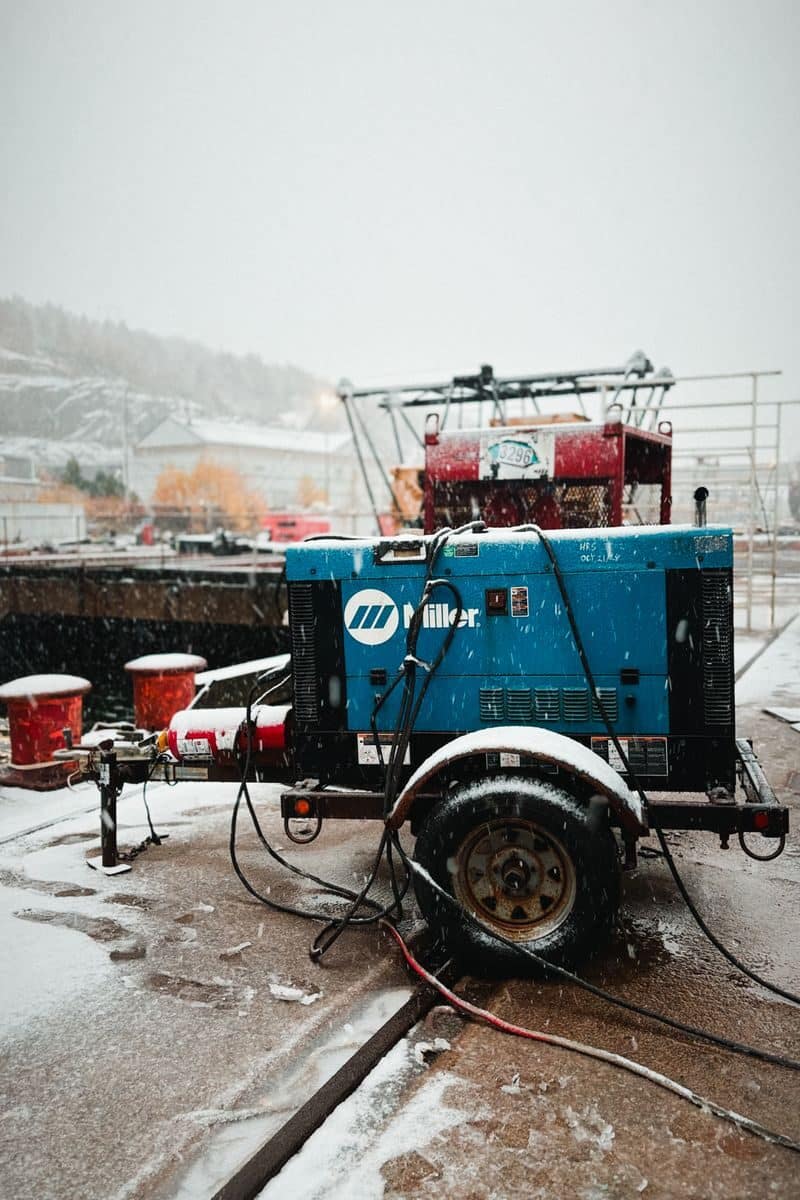
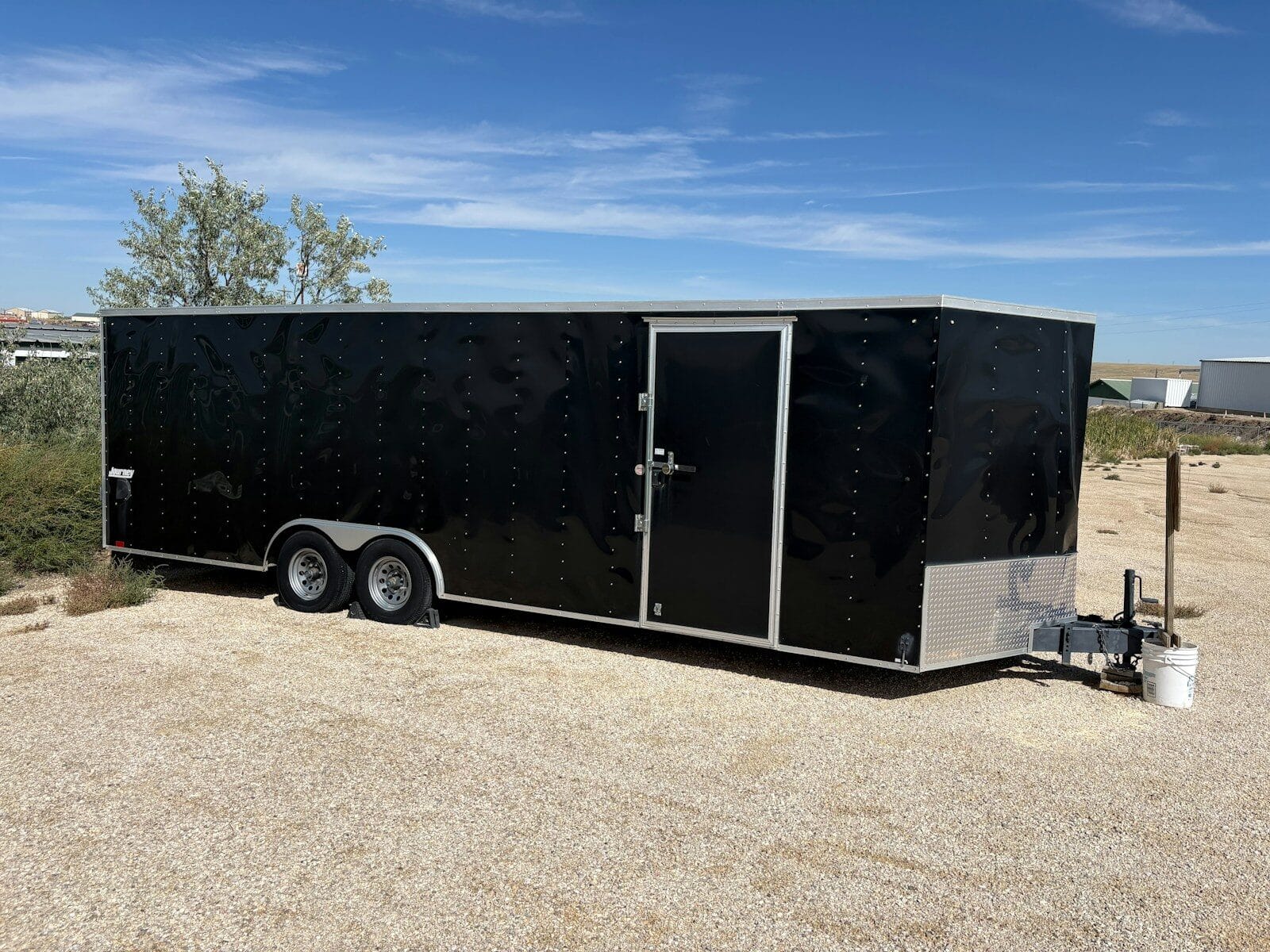
Utility trailer transport is the professional movement of equipment trailers, cargo trailers, and specialized cargo between job sites, warehouses, and emergency staging areas. Businesses, utility companies, contractors, and emergency-response organizations rely on experienced carriers like Interstate Haulers to move trailers safely, meet regulatory requirements, and keep operations on schedule nationwide.
Utility trailers do a lot of quiet, essential work. They carry the tools, components, and mobile infrastructure that keep businesses running and communities functioning — electrical repair equipment, communications gear, maintenance supplies, mobile workstations, and more. But before any of that equipment can be put to use, it has to get where it’s going.
That’s where utility trailer transport comes in. Whether a contractor needs to reposition a loaded trailer between job sites, a utility company needs equipment staged ahead of a storm, or a municipality needs a mobile command trailer delivered to a disaster-response zone, professional trailer transportation keeps critical assets moving safely and on schedule.
Interstate Haulers has been moving boats, RVs, travel trailers, and cargo trailers across the continental United States since 1997. As a family-owned transportation company, we understand that utility trailer transport isn’t one-size-fits-all — it depends on trailer type, weight, route conditions, and the urgency of the job.
This guide covers the types of trailers businesses commonly transport, when professional transport makes sense, how trailer transport supports emergency response, the safety standards that govern the process, and what affects transportation costs. By the end, you’ll have a clear picture of what to expect when arranging a utility trailer move.

What Is Utility Trailer Transport?
Utility trailer transport is the professional movement of utility trailers and equipment trailers between job sites, warehouses, staging areas, commercial facilities, and other destinations. It’s distinct from simply hitching up a trailer and towing it yourself — professional trailer shipping involves a dedicated carrier, experienced drivers, and a transportation plan built around your trailer’s specific dimensions, weight, and cargo.
Businesses and organizations use trailer transport services for a wide range of purposes, including:
- Electrical infrastructure repairs and maintenance
- Telecommunications equipment and network restoration
- Construction and contractor tools
- Municipal maintenance and public works
- Emergency-response supplies and mobile workstations
- Specialized commercial equipment and field operations
Transportation requirements vary depending on the trailer’s size, loaded weight, dimensions, operating condition, cargo, and route. Many trailer transport providers, including Interstate Haulers, can also accommodate oversized or non-running trailers when the right carrier, loading method, and equipment are in place — though this always requires confirming the specifics ahead of time.
Types of Utility Trailers and Specialized Equipment We May Transport
Single-Axle Utility Trailers
Single-axle utility trailers are commonly used for lighter residential, landscaping, and small-business tasks. They’re well suited to compact loads and lighter equipment, provided the trailer’s weight limits are respected.
Tandem-Axle Utility Trailers
Tandem-axle trailers generally offer greater load capacity and stability than comparable single-axle models. Businesses often use them for heavier tools, maintenance supplies, and commercial equipment, subject to the manufacturer’s ratings and applicable regulations.
Flatbed and Equipment Trailers
Flatbed trailers accommodate wide, bulky, or irregularly shaped cargo that wouldn’t fit inside an enclosed unit. Equipment trailers, meanwhile, are built to move machinery and other specialized assets. Heavy equipment transport on either trailer type may require loading equipment, suitable tie-down points, specialized carriers, or additional route planning.
Enclosed Cargo Trailers
Enclosed cargo trailers protect sensitive equipment, tools, and supplies from rain, wind, road debris, and other weather exposure. They’re especially useful for transporting electrical components, communications equipment, and mobile workstations that shouldn’t be exposed to the elements.
Refrigerated and Other Specialized Trailers
Refrigerated trailers support temperature-controlled transportation of perishable goods and other temperature-sensitive cargo when properly equipped. Other specialized commercial and industrial operations may use trailer configurations built for their specific equipment or operating requirements.
Multi-Axle and Oversized Trailers
Some loads call for multi-axle configurations — tri-axle trailers and specialized heavy-haul combinations that may range up to 20 axles. Oversized trailers and heavy-duty loads may require specialized equipment, powerful towing trucks and towing vehicles, route surveys, permits, or escorts. The exact requirements depend on the trailer configuration, dimensions, weight, cargo, and the regulations of each state the route passes through.
For a deeper look at how states regulate oversized loads, the Federal Highway Administration’s Oversize/Overweight Permits resource explains why larger trailer transport often requires advance permit planning — the federal government doesn’t issue these permits directly, so compliance is handled state by state.
When Do Businesses Need Professional Utility Trailer Transport?
Routine Commercial and Industrial Operations
Companies use trailer transport services to move equipment between warehouses, service centers, construction sites, branches, and customer locations. This is especially valuable when several pieces of specialized equipment need to reach different destinations at once. Contractors, equipment dealers, manufacturers, public works departments, and infrastructure service providers all rely on outsourced transportation to keep their own vehicles available for daily operations rather than tying them up on long-distance hauls.
Moving Equipment Between Job Sites
Field-service companies and contractors frequently need to reposition a loaded or empty utility trailer between job sites. Pickup and delivery conditions matter here — crowded commercial facilities, active construction zones, rural locations, and sites with limited maneuvering space all affect how a move is planned. Trailer dimensions, ground conditions, access restrictions, loading requirements, and delivery schedules should be confirmed before a driver is dispatched.
Supporting Dealers, Manufacturers, and Logistics Partners
Trailer transport services also support inventory transfers, dealer deliveries, equipment distribution, and last-mile transportation. A reliable transportation partner helps coordinate multiple deliveries across different locations, backed by transparent quotes, clear scheduling, and consistent communication throughout transit.

How Utility Trailer Transport Supports Emergency and Disaster Response
Emergency-response organizations and infrastructure companies often need specialized trailers moved quickly during major incidents. These trailers may carry equipment used by electrical crews, telecommunications teams, public works departments, contractors, and emergency-response agencies — mobile command equipment, communications systems, repair tools, generators, lighting equipment, and maintenance supplies among them. Transportation needs vary by incident, equipment type, road conditions, site accessibility, and deployment schedule.
It’s worth noting that Interstate Haulers provides transportation support for this equipment. Utility repairs, electrical restoration, and disaster-response fieldwork remain the responsibility of the crews and agencies who perform that work.
Utility Restoration After Severe Weather
Hurricanes, tornadoes, ice storms, flooding, and severe thunderstorms can disrupt electrical service, telecommunications, roads, and other infrastructure in a matter of hours. Utility companies and their contractors may need equipment trailers positioned near affected communities before a storm, or moved into designated staging areas once conditions allow safe access.
Telecommunications and electrical restoration teams often rely on trailers carrying tools, replacement components, cables, temporary lighting, and other field supplies. Timely equipment positioning matters when crews are coordinating work across multiple locations — but road closures, storm damage, restricted access, evacuation zones, and changing site conditions all factor into when and how a trailer can move. Dispatch timelines ultimately depend on availability, route conditions, permits, and safe access, not just the requested delivery date.
Supporting FEMA, Municipalities, and Emergency-Response Contractors
Municipalities, emergency-management organizations, government agencies, and contractors frequently coordinate specialized trailer movements during disaster recovery. This can include mobile workstations, sanitation facilities, communications trailers, temporary infrastructure, and other field-support equipment that needs to travel from a supplier, warehouse, or staging location to a designated operational site. A transportation provider’s role here is to coordinate pickup details, destination access, scheduling, and delivery communication.
Preparing Trailer Transportation Before an Emergency
Businesses can reduce stress during an actual emergency by identifying critical equipment, likely staging locations, trailer dimensions, and potential transportation partners ahead of time. Maintaining accurate equipment records and contact information, along with contingency plans that account for alternate routes, delayed access, and shifting priorities, makes a real difference when conditions change quickly.
The U.S. Small Business Administration’s guide to preparing for emergencies offers useful groundwork for businesses building out this kind of continuity planning.
Why Outsource Utility Trailer Transport Services Instead of Using Your Own Fleet?
Expand Transportation Capacity When Demand Increases
Outsourcing helps businesses move more equipment when their regular fleet is fully committed. This added capacity is especially useful during seasonal demand spikes, large projects, equipment relocations, or storm restoration efforts.
Keep Company Vehicles and Employees Focused on Their Work
Using a professional carrier frees company vehicles and employees from long-distance hauling duties. Field crews can stay focused on inspections, repairs, installation, and maintenance instead of spending work hours behind the wheel.
Coordinate Multiple Trailer Moves
Businesses often need to move several trailers between warehouses, staging areas, dealers, and job sites at once. Confirming dimensions, delivery windows, pickup instructions, and destination contacts for each trailer — and communicating clearly when schedules shift — keeps multi-trailer moves on track.
Plan for Specialized Equipment and Challenging Routes
Oversized, heavy, non-running, or unusual trailer configurations may require specialized loading methods or equipment. Route planning also needs to account for low-clearance structures, weight restrictions, narrow roads, heavy traffic, and restricted-access sites. Experienced drivers and dispatchers weigh route suitability, applicable regulations, and safe pickup and delivery conditions before a move is scheduled.
Trailer Transport Safety: Inspections, Loading, and Securement
Inspect the Trailer Before Every Trip
A thorough trailer inspection before transportation is non-negotiable. That means checking tires for correct pressure, adequate tread depth, and visible damage; checking lights, wiring, brakes where applicable, couplers, hitch components, and safety chains; and walking around the entire trailer to catch loose components or potential hazards. Non-running or oversized trailers may need additional condition checks and specialized loading arrangements.
Use Properly Rated Straps, Chains, and Heavy-Duty Tie-Downs
Cargo must be secured using straps, chains, and other devices rated for the cargo, trailer, and transportation method. Working load limits, attachment points, and the condition of securement equipment should all be checked before use. Heavy-duty tie-downs help prevent cargo from shifting during turns, braking, and sudden changes in speed, and the securement method must match the cargo’s shape and weight — damaged or underrated equipment has no place in the process.
The Federal Motor Carrier Safety Administration’s Cargo Securement Rules lay out the federal standards carriers follow, including the requirement that securement systems withstand 0.8g of forward deceleration and 0.5g of rearward and lateral acceleration, with an aggregate working load limit of at least half the cargo’s weight.
Load Cargo for Stability and Balance
Even weight distribution and secure positioning of each item are essential for trailer stability. A commonly cited starting point is the 60/40 weight-distribution guideline, though the trailer and towing vehicle manufacturer’s specifications always take precedence. Tongue weight is typically targeted at around 10%–15% of the total loaded trailer weight for conventional bumper-pull trailers, subject to those same manufacturer specifications. Exceeding the trailer’s Gross Vehicle Weight Rating, axle ratings, tire ratings, or the towing vehicle’s capacity can contribute to trailer sway and loss of control — and cargo must always be contained so it can’t drop, spill, or leak onto the road.
Drive With Extra Caution When Towing
Towing a trailer requires additional following distance, slower turns, and more room for braking and maneuvering. Trailer length, loaded weight, weather, road conditions, and traffic all affect safe travel, and route planning for larger trailers needs to account for turning radius, clearances, road restrictions, and stopping distances. A final walk-around inspection helps catch obvious problems before departure, though it’s not a substitute for a complete mechanical and safety inspection.
Tire condition plays a bigger role in trailer safety than many people realize. According to the National Highway Traffic Safety Administration, tire-related crashes caused 511 traffic fatalities in 2024, and properly maintained tires can extend tire life by thousands of miles. NHTSA’s tire safety resource is a helpful reference for checking pressure, tread depth, and overall tire condition before any trip.
What to Know Before Scheduling a Utility Trailer Move
Confirm Trailer Dimensions and Weight
Provide the trailer’s overall length, width, height, empty weight, loaded weight, and axle configuration. Your transportation provider needs accurate dimensions to determine the appropriate carrier, loading method, route, and equipment — and heavy-duty or oversized trailers may need specialized equipment, permits, or escorts. Be upfront about whether the trailer is loaded, empty, damaged, or non-running.
Identify Hitch Requirements and Transportation Method
Hitch type and compatibility matter when a trailer will be towed directly, whether that’s a conventional ball hitch, a gooseneck trailer connection, or another specialized configuration. Non-running trailers or those that can’t be safely towed may need a different loading or transport arrangement entirely. Confirm the appropriate method with your carrier rather than assuming every trailer can be hauled the same way.
Prepare Pickup and Delivery Locations
Pickup and delivery conditions can affect both scheduling and cost. Identify narrow entrances, limited turning space, low-clearance structures, steep approaches, soft ground, loading restrictions, or other access concerns ahead of time, and confirm site contacts, operating hours, and loading assistance with your carrier.
Establish the Timeline and Route
Communicate your preferred pickup and delivery dates as early as possible. Distance, road conditions, heavy traffic, route restrictions, weather, permits, and required escorts can all influence transit time, and complex routes may require specialized equipment or advance coordination. If your equipment is time-sensitive, communicate that priority clearly — while understanding that delivery commitments ultimately depend on operational feasibility and safe access.
For additional context on commercial carrier safety standards that shape this kind of planning, FMCSA’s Motor Carrier Safety Planner is a useful resource.
What Affects Utility Trailer Transport Costs?
Utility trailer transport costs depend on several variables rather than one universal rate. The best way to get an accurate number is to request a quote using accurate trailer specifications and delivery information.
Trailer Size, Weight, and Configuration
Trailer length, width, height, loaded weight, axle configuration, and overall dimensions all influence carrier selection and cost. Oversized loads or heavy-duty trailers may require specialized equipment, permits, escorts, or additional handling, and trailers requiring specialized loading arrangements can involve extra planning and labor.
Transportation Distance and Route Complexity
Longer distances generally mean more fuel, more driver labor, and higher overall costs. Restricted roads, low clearances, weight limits, heavy traffic, and difficult pickup or delivery locations can all affect route planning and rates, and cross-country transport or routes through remote locations may require more coordination.
Trailer Condition and Loading Requirements
A non-running, damaged, or otherwise difficult-to-load trailer may require additional equipment or handling. Loading and unloading assistance, specialized machinery, and access limitations can increase overall costs, so disclose the trailer’s condition and loading requirements when you request a quote.
Permits, Escorts, and Special Cargo Considerations
Oversized trailer transport may require permits and escorts depending on dimensions, weight, route, and state requirements. Hazardous materials can trigger additional regulatory, handling, and transportation costs when applicable, and specialized cargo or complex delivery requirements can affect carrier availability and pricing.
How to Get an Accurate Trailer Transport Quote
To get the most useful quote, be ready to provide:
- Trailer type, size, dimensions, and weight
- Axle configuration and hitch type
- Whether the trailer is operational and loaded
- Where you want your trailer to be picked up and delivery addresses
- Requested pickup and delivery dates
- Loading or unloading assistance requirements
- Access restrictions and any known permit requirements
Ask what’s included in the quoted rate and whether additional services or special handling might incur extra charges. When you’re ready, contact Interstate Haulers for a personalized quote built around your specific trailer and route.
For a broader look at how freight and route planning work at a national level, the Federal Highway Administration’s Freight Management and Operations page offers helpful context.
Why Choose Interstate Haulers for Utility Trailer Transport?
Interstate Haulers is a family-owned transportation company founded in 1997, with nearly 30 years of experience moving boats, RVs, travel trailers, and cargo trailers throughout the continental United States. Our specialty-hauling focus means we understand what general freight carriers often don’t: the practical details that come with moving oversized, high-value, and specialized trailers safely.
We prioritize safety, FMCSA compliance, professional service, and clear communication on every haul. That approach benefits a wide range of customers, including:
- Utility companies and infrastructure contractors
- Municipalities and emergency-response organizations
- Commercial equipment dealers and manufacturers
- Contractors moving equipment between job sites
- Individual owners coordinating specialized trailer moves
Confirming trailer dimensions, condition, route requirements, and delivery logistics upfront helps us plan every move accurately. We won’t promise a guaranteed delivery time or emergency dispatch availability without confirming the details first — but we will provide transportation services you can count on, so you can stay focused on your own operations while your trailer move is handled professionally.
For additional guidance on business continuity and disaster planning, FEMA’s Ready Business resource is worth bookmarking alongside your transportation plan.

Photo by Towfiqu barbhuiya on Unsplash
Frequently Asked Questions About Utility Trailer Transport
How much does a utility trailer weigh?
Weight varies widely by trailer type, dimensions, materials, axle configuration, and installed features. There’s also a difference between empty (curb) weight and total loaded weight. Check the manufacturer’s specifications and trailer identification plate rather than relying on a generic estimate, and account for the Gross Vehicle Weight Rating, axle ratings, and towing vehicle capacity before assuming a trailer can be moved safely.
Where can I rent a 6×12 enclosed trailer?
6-by-12-foot enclosed trailers are commonly available through trailer rental companies and equipment rental businesses. Compare availability, rental rates, payload capacity, hitch requirements, and rental terms before booking. Keep in mind that renting a trailer is different from arranging professional trailer transport — if you already own a trailer and need it moved, a transportation provider like Interstate Haulers is the right call.
Can you make your own utility trailer?
Building a utility trailer is possible with the right fabrication skills, materials, and equipment. That includes proper frame construction, appropriately rated axles and tires, brakes where required, lighting, hitch components, and safe weight distribution. Registration, inspection, title, and roadworthiness requirements vary by jurisdiction, so check your state’s requirements before building or operating a homemade trailer.
How much does it cost to ship an enclosed trailer?
Cost depends on trailer dimensions, weight, distance, operational condition, pickup and delivery access, route complexity, and transportation method. Oversized dimensions, special loading requirements, permits, escorts, or additional handling can increase the rate. Providing accurate specifications and both locations will get you a more useful quote from Interstate Haulers.
Arrange Your Utility Trailer Transport With Interstate Haulers
Professional utility trailer transport helps businesses, contractors, utility companies, and emergency-response organizations move essential equipment between facilities, job sites, and staging areas — safely and on schedule. Getting there starts with accurate trailer specifications, proper loading and securement, thoughtful route planning, and clear communication with your carrier every step of the way.
Advance transportation planning also pays off well beyond routine equipment moves. Organizations that think through their trailer logistics before severe weather or other emergencies hit are better positioned to respond when it matters most.
Whether you’re relocating a utility trailer between job sites, coordinating commercial equipment deliveries, or planning transportation for storm restoration support, Interstate Haulers is ready to discuss your needs. Contact our team today to request a quote and learn more about our nationwide specialty trailer transport services.