
Disaster relief transportation moves generators, temporary housing, mobile command centers, and emergency supplies between manufacturers, government agencies, and affected communities. Reliable hauling speeds up power restoration, shelter access, and infrastructure repair after hurricanes, floods, wildfires, and severe storms. Pre-positioning equipment, real-time tracking, and experienced carriers like Interstate Haulers all play a role in getting critical resources where they’re needed, fast.
When a hurricane barrels toward the coast or floodwaters swallow a town overnight, the equipment that keeps people safe doesn’t appear out of thin air. Generators, mobile command centers, restroom trailers, and temporary housing units all have to travel—often hundreds of miles, often on a tight deadline—before they can do any good. That journey is what disaster relief transportation actually means, and it’s one of the least visible but most essential pieces of emergency response.
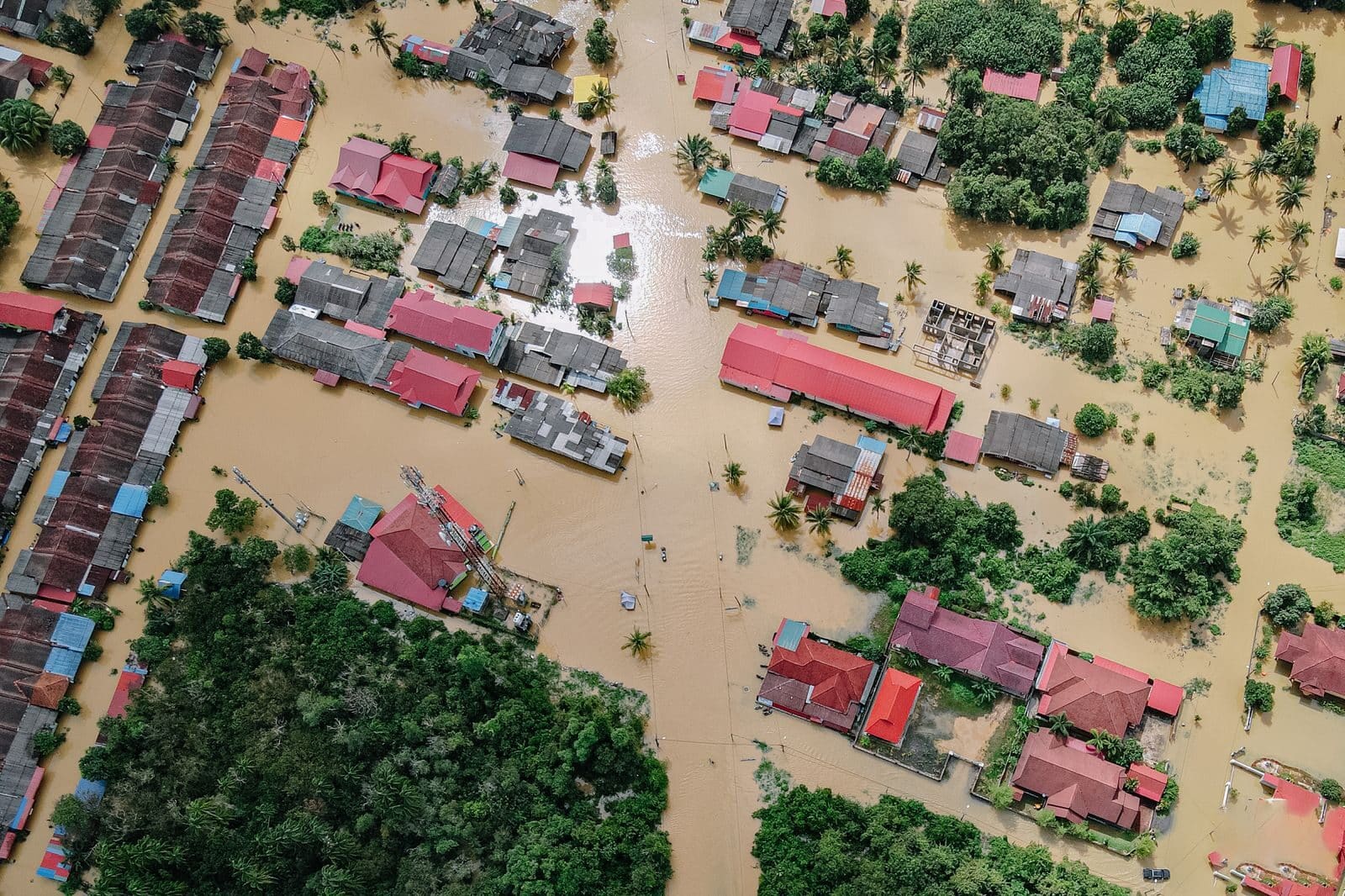
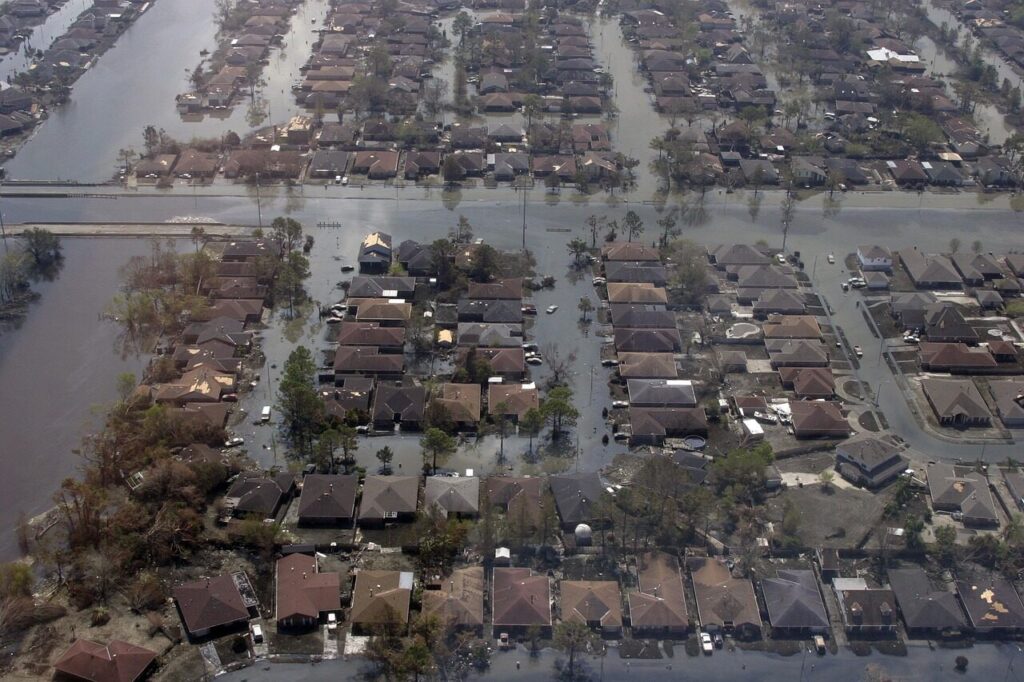
Every year, hurricanes, tornadoes, wildfires, floods, and ice storms disrupt communities across the country. Ready.gov, FEMA’s national preparedness campaign launched in 2003, lists floods as the most common disaster type in the United States, and flash floods in particular can strike with almost no warning. When infrastructure fails or evacuations plans begin, government agencies, utility companies, contractors, and relief organizations all depend on dependable transportation to move the equipment that stabilizes a disaster zone.
Interstate Haulers specializes in transporting disaster-response equipment and specialty trailers nationwide. The company doesn’t run emergency operations or make response decisions—that work belongs to FEMA, state agencies, and local responders. What Interstate Haulers does is make sure the generators, trailers, and mobile units those teams rely on actually arrive where they’re needed, on schedule. This article looks at how disaster relief transportation works, the equipment it moves, the challenges it overcomes, and the best practices that keep emergency logistics running smoothly.
What Is Disaster Relief Transportation?
Disaster relief transportation refers to the planning, hauling, and delivery of equipment, personnel, and critical resources into communities affected by natural or human-caused disasters. It supports a wide range of organizations: government agencies like FEMA, utility companies restoring power and water, contractors rebuilding infrastructure, and nonprofit relief organizations distributing supplies.
Transportation is the backbone of emergency logistics. Without it, even the best-funded response plan stalls. A generator sitting in a warehouse does nothing for a community without power. A mobile command center parked at a manufacturer’s lot doesn’t help coordinate a response until it reaches the disaster zone. Effective disaster relief transportation closes that gap, and it starts well before a storm ever makes landfall.
Community resilience depends heavily on transportation planning done in advance. Organizations that map routes, identify staging areas, and build relationships with reliable carriers before an emergency hits tend to recover faster than those scrambling to arrange logistics mid-crisis.
Helpful resource: FEMA’s Ready.gov campaign offers detailed guidance on national emergency preparedness at ready.gov.
Why Transport Services Are Critical Before, During, and After a Disaster

Preparing Before Disaster Strikes
Preparedness transportation work happens quietly, often weeks or months before a storm forms. It includes planning transportation routes, monitoring road conditions in at-risk regions, and identifying alternate paths in case primary routes become impassable. Many organizations pre-position supplies in regional warehouses and establish staging areas outside anticipated disaster zones, so equipment is close enough to deploy quickly once conditions allow.
Building a resilient supply chain before an emergency—rather than during one—is one of the clearest predictors of a fast response. Ready.gov‘s emergency planning resources walk individuals and organizations through this process step by step.
Helpful resource: Build a response plan using Ready.gov‘s planning guide at ready.gov/plan.

Supporting Active Emergency Response
Once a disaster hits, transportation shifts into rapid deployment mode. This means moving equipment quickly, delivering relief supplies, transporting emergency response personnel, and getting utility crews to damaged infrastructure. Generators and temporary housing units often need to move within hours, not days, and transportation plans have to adapt continuously as road conditions, evacuation orders, and weather patterns change. Be sure to know how to access telecommunications relay services before an emergency.
Supporting Long-Term Recovery
Recovery doesn’t end when the storm passes. Communities still need rebuilding equipment, temporary offices, and disaster relief support for utility restoration for weeks or months afterward. Transportation providers that stay engaged through this phase help communities get back to normal faster.
Types of Equipment Used in Disaster Relief Transportation
Disaster response relies on a wide variety of specialized equipment, much of it too large or too heavy to move without an experienced hauler.
Temporary power equipment includes portable and industrial generators, backup power systems, and other utility equipment needed to restore electricity.
Temporary housing and shelter equipment covers bunkhouse trailers, temporary housing units, and mobile sleeping quarters for displaced residents and response crews.
Sanitation equipment, including restroom trailers, shower trailers, and portable water systems, keeps affected communities functioning while permanent infrastructure is repaired.
Command and operations equipment—mobile command centers, temporary offices, and communications trailers—gives incident commanders a base to coordinate the response.
Utility and infrastructure equipment, like utility trailers and heavy-duty support trailers, helps crews begin repair work immediately upon arrival.
Additional equipment, including fuel trailers, lighting towers, and other specialized towable assets, rounds out a typical disaster response fleet. Proper hauling protects this expensive equipment in transit and means crews can start work the moment it arrives, instead of waiting on repairs or delays caused by improper transport.
How Emergency Transportation & Logistics Keep Response Teams Moving
Rapid Response & Deployment
Emergency logistics depend on fast dispatch and nationwide transportation capability. Time-sensitive scheduling and around-the-clock coordination make the difference between equipment arriving in time to help and arriving too late.
Long-Distance Transportation
Disaster equipment often has to travel across multiple states, from a manufacturer’s facility to a staging area and then into the disaster zone itself. Carriers coordinate pickups, deliver directly to staging locations, and reposition equipment as the emergency evolves and needs shift.
Flexible Transportation Planning
Flexibility is one of the most valuable qualities in emergency transportation. Delivery locations change. Routes close without warning. Damaged existing infrastructure forces last-minute rerouting. Carriers who communicate in real time and adjust quickly keep response efforts from stalling.
Helpful resource: Check current weather hazards and safety guidance at the National Weather Service’s safety hub, weather.gov/safety.
Transportation Challenges During Natural Disasters
Moving equipment into a disaster zone rarely goes according to the original plan. Road closures, flooded highways, and bridge damage can cut off entire regions overnight. Wildfire evacuations and hurricane traffic create congestion that slows even the most direct routes. Tornado damage and ice storm conditions introduce hazards that change by the hour.
Carriers hauling disaster-response equipment have to account for changing road conditions, damaged infrastructure, traffic congestion, and severe weather-related rerouting—all while maintaining safety for drivers and cargo. According to the National Weather Service, flash floods can occur within minutes and sometimes without any visible rain nearby, which makes route monitoring an ongoing task rather than a one-time check before departure.
Disaster Relief Transportation Best Practices
Pre-positioning equipment in regional warehouses before disasters strike reduces response times dramatically. Life-saving equipment stored near high-risk regions can reach affected communities faster than equipment shipped from across the country after the fact.
Shared logistics systems improve coordination between agencies, reduce duplicated efforts, and help multiple organizations use transportation resources more efficiently during large-scale responses.
Real-time tracking, including GPS monitoring and delivery confirmation, gives response teams visibility into exactly where their equipment is and when it will arrive—information that’s critical when planning deployment on the ground.
Multiple transportation modes for accessible transportation —trucks, trailers, rail, fixed-wing aircraft, and maritime transport—work together when roads become inaccessible, giving responders alternative paths to reach cut-off communities.
Local knowledge of road restrictions, alternate routes, permitting requirements, and infrastructure limitations helps carriers avoid delays that out-of-region drivers might not anticipate.
Helpful resource: Track active storms and forecasts through the National Hurricane Center at nhc.noaa.gov.
Disaster Relief Transportation for Different Organizations
Government agencies, including FEMA, state agencies, and municipalities, rely on transportation to move federally staged equipment into disaster areas. Utility companies need carriers for electrical restoration equipment, water utility repairs, and communications infrastructure. Contractors handling infrastructure repair and emergency construction depend on timely equipment delivery to start projects on schedule. Relief organizations, including nonprofits and community support groups, need transportation to distribute supplies directly to affected residents. Logistics partners—freight forwarders, manufacturers, and equipment rental companies—often coordinate with specialty haulers to complete the “last mile” of a shipment.
Effective disaster relief transportation requires collaboration across all of these groups. No single organization handles every piece of the logistics chain alone.
Helpful resource: The U.S. Department of Transportation outlines emergency preparedness resources, including guidance for transportation-dependent populations, at transportation.gov.
The Role of Transportation Providers During Large-Scale Emergencies
During major emergencies, transportation providers may assist with mobilizing large numbers of people quickly, supporting mass evacuations, and moving emergency response teams into position. They deliver relief supplies and medical supplies, transport specialized equipment, and support community recovery efforts long after the initial emergency has passed.
Providers also help restore damaged transportation infrastructure, create temporary staging locations, and occasionally assist with logistics for community meetings held after a disaster. Different providers serve different functions depending on the emergency: a trucking company hauling generators plays a different role than a bus company managing evacuee transport, even though both fall under the broader umbrella of disaster relief transportation. Carriers typically work alongside bus companies, trucking companies, rail providers, and air cargo operators to cover every piece of the puzzle.
Public Transportation and Bus Providers During Emergencies
Bus providers play a distinct role in disaster response, particularly during evacuations. They transport large numbers of evacuees out of harm’s way, and in some cases, school buses are repurposed as temporary shelters or mobile command centers when permanent facilities aren’t available. Transit agencies often assist with emergency personnel transportation and help restore transportation infrastructure once conditions stabilize.
These responsibilities vary significantly by agency and by the specific emergency response plan in place, so coordination with local transit authorities is essential for accurate expectations.
Transportation Planning Improves Emergency Response
Successful disaster relief transportation depends on more than trucks and trailers. It requires constant communication and coordination between carriers, agencies, and Emergency Operations Centers. Route monitoring and road condition updates need to happen continuously, not just at the start of a mission. Pickup and delivery scheduling, equipment staging, and shared logistic and transportation systems all need to work together seamlessly.
Real-time tracking technologies and public-private partnerships extend what any single organization could accomplish alone. Local transportation knowledge of disaster scenarios and ongoing assessment of transportation routes help maintain resilient supply chains even as conditions on the ground keep shifting.
Helpful resource: The CDC’s Emergency Preparedness and Response program offers health and safety guidance for natural disasters at emergency.cdc.gov.
How Interstate Haulers Supports Disaster Relief Transportation
Effective transportation logistics are critical during disaster relief operations. Interstate Haulers brings nearly 30 years of nationwide transportation experience to disaster-response logistics. Founded in 1997, the family-owned company has built its reputation on reliability and clear communication—qualities that matter just as much during an emergency as they do during a routine haul.
The company’s specialty trailer expertise covers the equipment disaster response depends on most: generators, command trailers, utility trailers, restroom trailers, bunkhouse trailers, mobile offices, and other specialty equipment. Time-sensitive scheduling and safe equipment handling ensure that expensive, mission-critical assets arrive ready to use, not damaged from improper transport.
Interstate Haulers maintains FMCSA compliance and transparent communication throughout every haul, giving government agencies, utility companies, and contractors a dependable logistics partner. The company doesn’t manage emergency operations—that responsibility stays with FEMA, state agencies, and local responders—but it does make sure the equipment those teams need gets where it’s going, nationwide, with the consistency that disaster response demands.
Moving What Matters, When It Matters Most
Disaster relief transportation rarely gets much attention, but it’s the piece of emergency response that makes everything else possible. Preparedness, rapid deployment, and long-term recovery all depend on equipment arriving where it’s needed, intact and on time. Organizations that invest in transportation planning, pre-positioning, and reliable carrier relationships before disaster strikes consistently respond faster than those left scrambling once the emergency is already underway.
If your organization needs nationwide transportation for disaster-response equipment or specialty trailers, Interstate Haulers can help. Contact the team today for a customized quote and a transportation partner that understands what’s at stake when every hour counts.

Photo by Towfiqu barbhuiya on Unsplash
Frequently Asked Questions
What are disaster response vehicles?
Disaster response vehicles include the specialized trucks and trailers used to move equipment during emergencies. Common examples include utility trucks, portable and industrial generators, mobile command centers, bunkhouse trailers, restroom trailers, equipment trailers, and other support vehicles designed to help communities recover from natural disasters.
How do I apply for Red Cross assistance?
Individuals affected by a disaster should contact their local American Red Cross chapter or visit the organization’s official disaster assistance pages for guidance. Eligibility requirements and available services vary by situation, so it’s best to check directly through official Red Cross or FEMA channels rather than relying on secondhand information.
What is a disaster relief organization?
A disaster relief organization is any government agency, nonprofit, volunteer group, or community organization that provides assistance before, during, or after a disaster. This includes federal agencies like FEMA, international organizations like the American Red Cross, and local community groups that distribute supplies, provide shelter, or support recovery efforts in affected areas.
Additional Resources
For more information on disaster preparedness and emergency response, these official resources offer detailed, up-to-date guidance:
- FEMA Disaster Assistance: disasterassistance.gov
- American Red Cross Disaster Relief & Recovery: redcross.org