A successful boat move starts long before the wheels start turning. As a family-owned company that has hauled boats and trailers nationwide for nearly 30 years, we’ve seen how small, overlooked details can become major roadside problems. Proper boat trailer preparation is one of the most critical factors in ensuring safety, preventing damage, and avoiding costly delays.
Whether you plan to tow your boat yourself or hire a professional transporter, inspecting your trailer is a non-negotiable first step. This guide covers the essential checks to protect your investment and ensure a smooth journey from start to finish.
Understanding Your Boat Trailer Basics
A boat trailer isn’t just a frame with wheels; it’s a specialized piece of equipment designed to carry and protect your specific vessel. Its design directly impacts balance, loading ease, and on-road safety. The most important factor is making sure you have the right trailer for your boat.
Matching the trailer’s length, model, and load capacity to your craft is fundamental. An improperly matched trailer can lead to poor weight distribution, causing dangerous swaying on the highway or undue stress on the trailer frame and axles. The right trailer provides the foundation for safe and secure transport.
Boat Trailer Load, Axles, and Stability
The combined weight of your boat, engine, fuel, and gear must never exceed the trailer’s designated load capacity. You can typically find this information on a placard on the trailer frame. Overloading is a common cause of tire blowouts, axle failure, and structural damage.
The number of axles also plays a key role in stability and safety.
- Single Axle: Ideal for smaller, lighter boats, these trailers are more maneuverable.
- Tandem Axle: Featuring two axles, these trailers offer better stability for heavier loads and provide a safety buffer if one tire fails. A tandem axle is often the preferred choice for long-distance highway transport.
Beyond the number of axles, the condition of the bearings and suspension system is critical. These components absorb road shock and ensure your wheels spin freely. Worn-out bearings can overheat and seize, leaving you stranded. Always check them for proper lubrication and smooth operation before a long haul.
Corrosion Resistance: Galvanized vs. Aluminum Trailers
The environment where you use your boat heavily influences your trailer’s longevity. Saltwater, freshwater, and even road salt can cause significant corrosion if the trailer isn’t built to withstand them.
- Galvanized Trailers: These steel trailers are coated in a layer of zinc to provide corrosion resistance. They are a popular and durable choice, especially for those who frequently launch in saltwater. They can handle exposure to water and resist rust effectively.
- Aluminum Trailers: Lighter than their steel counterparts, aluminum trailers offer excellent corrosion resistance and are often easier to tow. While they may come at a higher price point, their durability against rust makes them a worthwhile investment, especially for marine environments.
No matter the material, rinsing your trailer after exposure to salt water or mud will extend its life and prevent long-term decay.
Popular Trailer Brands We See: Load Rite, Rite Trailers, and Enterprise Marine
On the road, we often transport boats on trailers from trusted manufacturers. Brands like Load Rite, Rite Trailers, and Enterprise Marine are common sights for a reason. These companies have built reputations for producing durable and reliable equipment designed for various boat types and sizes.
For example, a Load Rite trailer is often built with features designed for ease of use and longevity. We frequently see a Rite Trailers model specified for a particular hull shape, demonstrating the importance of a custom fit. Similarly, brands like Enterprise Marine and Venture produce trailers known for their solid construction. Even though these are well-built trailers, they still require a thorough pre-trip inspection every single time. A brand name doesn’t replace regular maintenance.
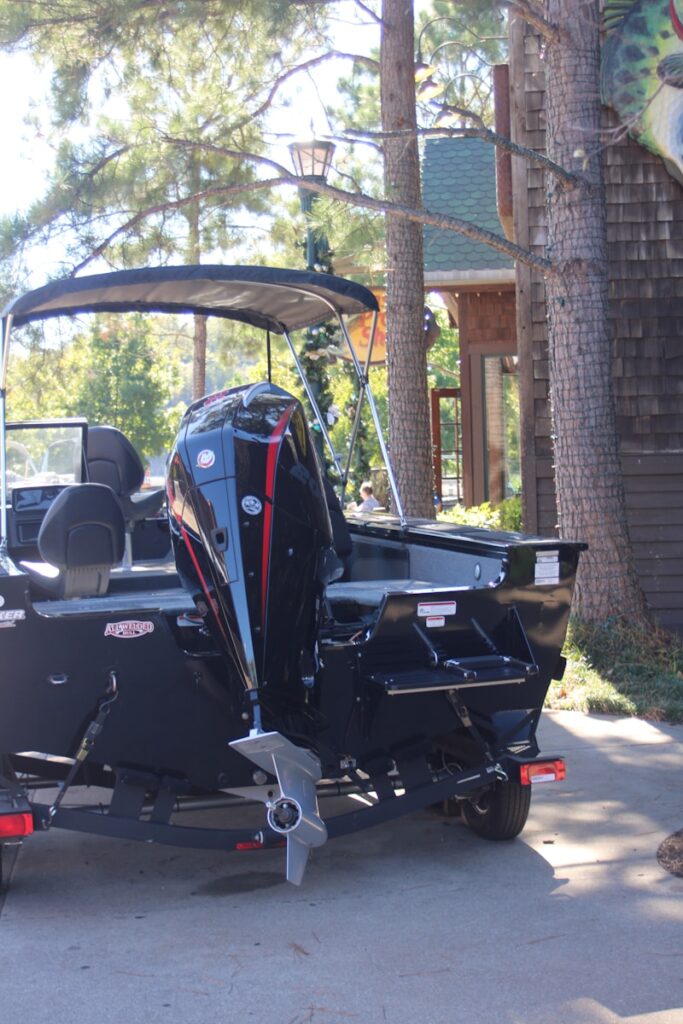
Photo by porter vest on Unsplash
The Right Trailer for Your Boat: Easy Loading and Protection
A trailer that “almost fits” is a recipe for disaster. The right trailer should make loading and unloading a straightforward process while offering maximum protection for your boat’s hull.
Check the bunks and rollers that support the hull. They should be adjusted to fit the contours of your boat perfectly, distributing its weight evenly. The winch and guide-ons should be in good working order to ensure easy loading and centering of the craft on the trailer. A proper fit prevents hull damage and ensures the boat is secure for the journey ahead.
Tires, Lights, and Road-Ready Details
The final pre-trip check involves the components that make your trailer road-legal and safe.
- Tires: Inspect all tires, including the spare, for proper air pressure, sufficient tread depth, and signs of dry rot or cracking. A tire failure at highway speed is extremely dangerous.
- Brakes & Electrical: If your trailer has brakes, test them to ensure they are functioning correctly. Check all electrical connections for the lights, ensuring the brake lights, turn signals, and running lights all work.
- Lights & Reflectors: Clean all light lenses and reflectors for maximum visibility. Requirements can vary by state, so ensure your trailer is compliant for the entire route.
When to Tow It Yourself vs. Hire a Professional
DIY towing can be a good option for short, local trips, provided you have a capable tow vehicle and a well-maintained trailer. However, the risks increase with distance, load size, and trailer condition.
Consider hiring a professional boat trailer transport service when:
- The journey is long-distance or crosses multiple states.
- You are not confident in your trailer’s condition.
- Your boat is oversized or particularly heavy.
- You want to avoid the wear and tear on your own vehicle.
Professional haulers reduce the stress of logistics and minimize the risk of damage to your valuable asset.

How We Transport Boat Trailers Safely Nationwide
At Interstate Haulers, we move boats both with and without their trailers. When a boat is on its trailer, our first step is a comprehensive evaluation of its roadworthiness. Our experienced drivers know exactly what to look for to ensure the trailer can handle the trip safely.
As a family-owned company, we provide personalized service with a nationwide reach. We handle the logistics, permitting, and safe transport, so you can have peace of mind knowing your boat will arrive securely.
Peace of Mind Starts Before the First Mile
Thoroughly checking your boat trailer isn’t just a task—it’s a crucial step in protecting your investment. By focusing on trailer fit, load capacity, and road-ready condition, you can prevent most of the common issues that occur during transport. Whether you tow it yourself or partner with an expert, preparation is the key to a successful move.
Ready to transport your boat with confidence? Contact Interstate Haulers today for a hassle-free quote and let our family-owned company deliver the professional, reliable service you deserve.