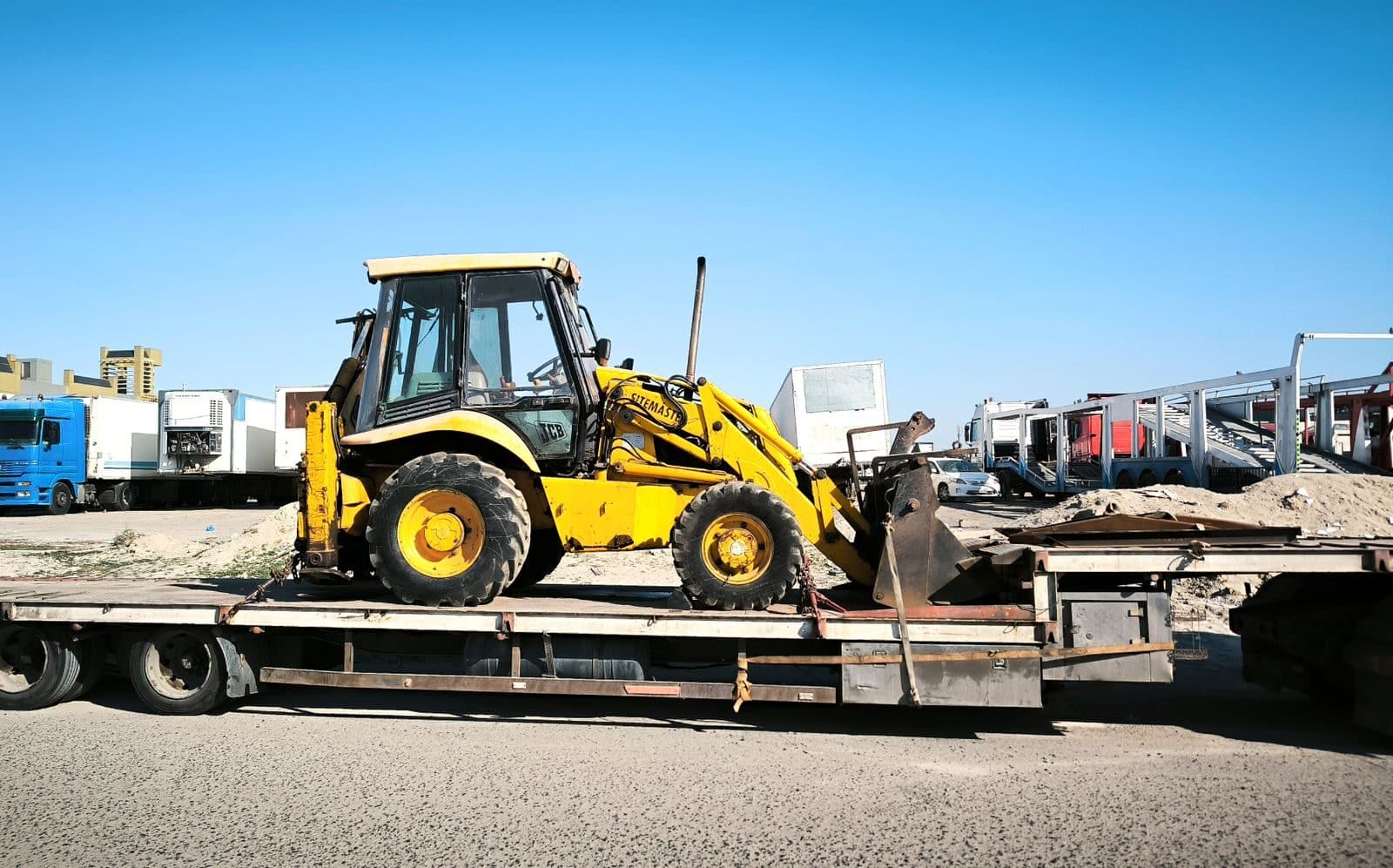

Buying a camper should feel exciting.
You picture the road trips, the campground mornings, the family memories, the weekends away, and the freedom to take your home with you. But before you fall in love with a floor plan or agree to a price, there is one thing you need to understand first: camper values.
Knowing what a camper, RV, or travel trailer is worth can help you make a smarter decision before you buy, sell, trade, finance, insure, or transport it.
At Interstate Haulers, we have been moving RVs, travel trailers, boats, and industrial trailers across the continental United States since 1997. As a family-owned transportation company, we know these units are more than vehicles. They are investments, memories, and sometimes major purchases that deserve careful planning.
Whether you are comparing new RVs, shopping for used RVs, checking RV prices, or getting ready to sell your RV, understanding value can save you money and help you avoid surprises.
Camper Values Matter Before You Buy
Camper values matter because the asking price is not always the same as the fair price.
A seller may list a camper based on what they paid, what they owe, what they added, or what they hope to get. A buyer, on the other hand, needs to know what the unit is actually worth in the current market.
That value can affect:
- Financing
- Insurance
- Negotiation
- Trade in value
- Resale value
- Transport cost decisions
- Private party sale price
- Dealer offers
- Loan approval
- Down payment planning
- Long-term ownership cost
If you overpay for a camper, you may start your ownership journey upside down on value. If you underprice your RV when selling, you may leave money on the table.
Knowing the value gives you a better starting point.
RV Values Are Not One-Size-Fits-All
RV values can vary a lot depending on the type of unit, brand, model, age, condition, mileage, upgrades, and market conditions.
A small pop-up camper will not be valued the same way as a fifth wheel. Truck campers are different from travel trailers. Motorhomes are different from towable RVs. A well-kept unit with solar panels and quality upgrades may compare differently than one with water damage, normal wear, or outdated features.
Some of the biggest factors that influence value include:
- Year
- Make
- Model
- Floor plan
- Class
- Mileage
- Brand reputation
- RV condition
- Maintenance history
- Upgrades
- Appliances
- Tires
- Roof condition
- Water damage
- Slide-outs
- Solar panels
- Generator
- Market demand
- Location
- Season
- Dealer inventory
- Private party demand
A camper value is not just a number from a website. It is the result of the unit’s specs, condition, market demand, and how motivated the buyer or seller is.

Photo by Kevin Schmid on Unsplash
NADA RV Values and J.D. Power
Many RV buyers and sellers still search for NADA RV values or NADA value when they want a pricing starting point.
Today, those RV values are commonly found through J.D. Power. J.D. Power’s RV pricing page notes that “NADA RV Values are now J.D. Power Values,” and its tool lets users research used RV pricing, specs, photos, and more for units such as travel trailers and truck campers.
That matters because people still use the phrase “NADA guide” or “NADA RV values,” but the valuation source has shifted under the J.D. Power name.
When checking a camper, you can use this type of value guide to research:
- Average retail price
- Low retail
- Used RV pricing
- Specs
- Model information
- Book value
- Retail value
- Estimated trade in value
A guide is a helpful starting point, but it should not be the only thing you rely on. A clean RV in high demand may sell above guide value. A camper with damage, outdated features, or limited buyer interest may sell below it.
RV Trader Can Help You Compare the Current Market
RV Trader is another useful tool when you are trying to understand real-world pricing.
RV Trader offers an RV valuation tool and RV price resources that help buyers and sellers compare pricing for new and used RVs. Their RV price checker lets users check prices by make, model, and year.
This kind of marketplace comparison is helpful because it shows what similar units are listed for right now.
That does not always mean they are selling for that exact price, but it gives you a sense of the current market.
When comparing listings, look at:
- Similar year
- Same manufacturer
- Same model
- Same floor plan
- Similar mileage
- Similar condition
- Similar upgrades
- Similar location
- Private party vs dealer listings
- How long the unit has been listed
If five similar RVs are listed much lower than the one you are considering, that is a sign to slow down and ask questions.
RV Prices Can Change With Market Conditions
During high-demand periods, sellers may ask more. During slower seasons, buyers may have more negotiating power. If interest rates are high, financing a camper may cost more, which can affect how much buyers are willing to pay.
Location also matters.
A camper may be priced differently in one part of the country than another. A unit in a strong RV market may move quickly. A similar camper in an area with less demand may sit longer.
That is why it helps to compare both value guides and current listings.
The best pricing picture usually comes from looking at multiple sources, not one number.
The National Automobile Dealers Association and RV Values
The National Automobile Dealers Association, or NADA, has long been connected with vehicle values in the minds of buyers, sellers, and dealers.
NADA’s consumer vehicle values page points users to resources for researching new and used vehicle book values, trade-in values, ratings, specs, and photos.
For RV shoppers, the familiar “NADA value” language is still common, even though many current RV value searches are handled through J.D. Power’s RV tools.
The important thing is this: do not get stuck on the name.
Whether you call it NADA, NADA guide, J.D. Power RV values, or book value, the goal is the same. You want a reliable pricing reference before you make a major buying, selling, or trade-in decision.
Used RVs Need Extra Attention
Two campers can be the same year, same brand, and same model, but their values can be very different.
One may have been stored indoors, serviced regularly, and lightly used.
The other may have roof damage, worn tires, soft flooring, old appliances, leaks, or heavy normal wear.
Before buying a used RV, check:
- Roof condition
- Tires
- Slide-outs
- Flooring
- Water stains
- Soft spots
- Appliances
- Electrical system
- Plumbing
- HVAC
- Windows
- Seals
- Awning
- Frame
- Hitch components
- Title status
- Maintenance records
A professional inspection can be a smart move, especially if you are buying from a private party or purchasing from another state.
A low price is not always a good deal if the camper needs expensive repairs.

Photo by Michael B. Stuart on Unsplash
Book Value Is a Starting Point, Not the Final Answer
A book value gives you a useful estimate, but it is not the final word.
The book value may not fully account for every upgrade, repair, defect, local market trend, or buyer preference. It also may not reflect how urgently someone needs to sell or how rare a certain model is in your area.
Use book value as a baseline.
Then compare it with:
- Current RV Trader listings
- Dealer pricing
- Private party listings
- Local market demand
- Professional appraisal results
- RV condition
- Upgrade quality
- Mileage
- Season
- Transport costs
This gives you a more realistic view of what the camper may actually be worth.
Travel Trailers and Camper Values
Travel trailers are one of the most common RV types we transport.
They are popular because they offer flexibility, a wide range of sizes, and many price points. Buyers can find small lightweight trailers, bunkhouse models, couples’ campers, toy haulers, luxury travel trailers, and larger units designed for extended stays.
Travel trailer values depend on:
- Brand
- Length
- Floor plan
- Weight
- Condition
- Slide-outs
- Sleeping capacity
- Appliances
- Tires
- Roof
- Frame
- Features
- Age
- Market demand
A travel trailer with a popular layout may hold value better than one with a less practical design. Bunkhouse models may appeal to families. Lightweight trailers may appeal to owners with smaller tow vehicles. Larger models may attract seasonal campers or full-time RVers.
If you are buying a travel trailer out of state, remember to factor transport into your total cost.
A great deal several states away may still make sense, but you need to know the full picture before committing.
New RVs and Manufacturer’s Suggested Retail Price
New RVs usually start with the manufacturer’s suggested retail price, often called MSRP.
The manufacturer’s suggested retail price is not always what buyers actually pay. Dealers may offer discounts, incentives, seasonal promotions, or financing options. Some models may sell close to MSRP when demand is high. Others may be discounted if inventory is sitting.
When comparing new RVs, look beyond the sticker price.
Think about:
- Dealer fees
- Freight charges
- Prep fees
- Warranty coverage
- Included features
- Financing terms
- Trade in value
- Long-term depreciation
- Resale value
- Transport or delivery cost
A new RV can be a great choice for buyers who want the latest features, a warranty, and a fresh unit with no prior ownership history. But depreciation can happen quickly, so it is still smart to understand values before buying.
Fair Market Value and Realistic Pricing
Fair market value is what a willing buyer and willing seller might reasonably agree on in the current market.
It is not always the highest listing price.
It is not always the lowest offer.
It is a realistic number based on the camper’s condition, specs, demand, location, and comparable sales.
To estimate fair market value, look at:
- NADA RV values or J.D. Power values
- RV Trader listings
- Dealer prices
- Private party listings
- Professional appraisal input
- Local demand
- Condition
- Recent upgrades
- Transport cost
- Seasonality
This gives both buyers and sellers a more grounded idea of what the unit is worth.
For buyers, fair market value helps prevent overpaying.
For sellers, it helps you price the camper competitively without giving it away.
Trade In Value vs Private Party Value
Your trade in value is usually different from what you might get in a private party sale.
A dealership needs room to inspect, repair, clean, market, and resell the unit. That means a dealer trade-in offer may be lower than what you could get selling directly to a buyer.
But trade-ins have advantages too.
They can be faster.
They can reduce hassle.
They may help with taxes depending on your state and situation.
They may make it easier to move into a new unit.
Private party sales may bring more money, but they also require more work. You may need to answer messages, show the camper, handle payment, verify funds, and deal with paperwork.
When deciding between trade in and private sale, think about time, convenience, risk, and how quickly you need to move the unit.
Sell Your RV With Confidence
If you plan to sell your RV, knowing its value helps you price it correctly from the start.
Price too high, and the listing may sit.
Price too low, and you may lose money.
Before listing, gather:
- Year, make, and model
- VIN
- Mileage, if applicable
- Specs
- Photos
- Maintenance records
- Upgrade list
- Title information
- Loan payoff information
- Condition notes
- Known issues
- Asking price
- Lowest acceptable price
Good photos can help boost appeal. Clean the unit, remove personal items, take pictures in good lighting, and show important details like the kitchen, bathroom, sleeping areas, storage, exterior, tires, roof, and any upgrades.
If you want to sell your RV quickly, price it realistically and be honest about condition.
Payment Safety When Selling a Camper
Selling a camper can involve a lot of money, so payment safety matters.
Be careful with unusual payment requests, overpayment scams, or buyers who pressure you to rush paperwork. For larger transactions, many sellers prefer secure payment methods arranged through a bank, lender, escrow service, or verified cashier’s check.
If someone offers a money order or cash, take steps to verify it safely before releasing the title or camper.
This is not just about getting paid.
It is about protecting yourself during the sale.
How Camper Values Affect Financing
Lenders care about value.
If you are financing a camper, RV, motorhome, or travel trailer, the lender may compare the loan amount to the unit’s value. If the asking price is much higher than the estimated value, it may affect approval, down payment requirements, or loan terms.
Knowing the value before applying can help you understand:
- How much you may be able to borrow
- Whether the asking price makes sense
- How much cash you may need
- Whether the loan amount is realistic
- Whether you are overpaying
A camper may look affordable based on the monthly payment, but the total cost matters.
Always consider the purchase price, interest rate, loan term, insurance, maintenance, storage, and transport.
How Camper Values Affect Insurance
Insurance companies may also consider value when determining coverage.
If your camper is damaged, stolen, or totaled, the value can affect claim outcomes. That is why it is important to understand what your RV is worth and whether your policy matches your needs.
Keep records of:
- Purchase price
- Upgrades
- Receipts
- Photos
- Maintenance
- Professional appraisal
- Major repairs
- Solar panels or added equipment
If you have made major upgrades, document them. Some upgrades may improve comfort or appeal, even if they do not always increase resale value dollar for dollar.
RV Condition Can Make or Break Value
RV condition is one of the biggest value drivers.
A camper in excellent condition can command more buyer interest. A unit with hidden damage can lose value quickly.
Water damage is one of the biggest concerns. A small leak can lead to soft floors, wall damage, mold, roof issues, and expensive repairs.
Before buying or selling, check for:
- Soft spots
- Stains
- Musty smells
- Roof cracks
- Old seals
- Delamination
- Rust
- Tire age
- Appliance issues
- Plumbing leaks
- Electrical problems
- Slide-out issues
- Frame damage
Normal wear is expected, especially on older units. But there is a big difference between normal wear and serious neglect.

Photo by Devon MacKay on Unsplash
Upgrades Can Help, But They Do Not Always Equal Full Value Back
Upgrades can make a camper more appealing, but they do not always raise resale value by the full cost of the upgrade.
Some upgrades may help boost appeal, including:
- Solar panels
- New tires
- Updated batteries
- Improved mattress
- New awning
- Backup camera
- Upgraded suspension
- Better storage solutions
- Modern flooring
- Updated fixtures
- Maintenance records
Other upgrades may be too personal to increase value much. A buyer may not care about the exact décor, paint color, or custom layout the way the seller does.
The best upgrades are usually practical, well-installed, documented, and useful to a wide range of buyers.
Depreciation Is Part of RV Ownership
Most RVs depreciate over time.
That does not mean they are a bad investment. It just means buyers should understand what they are purchasing.
A camper can still be worth every dollar if it gives you years of travel, memories, flexibility, and family time. But from a financial standpoint, depreciation matters.
Before buying, think about:
- How long you plan to keep it
- How often you will use it
- How well you can maintain it
- Whether the brand holds resale value
- Whether the layout will stay desirable
- How much you are financing
- Whether you may sell or trade later
A smart purchase is not always the cheapest unit. It is the camper that fits your life and makes financial sense.
Transport Costs Should Be Part of the Buying Decision
One detail buyers sometimes forget is transport.
If you find the perfect camper across the country, you need to know how it will get home.
Transport cost depends on several factors, including:
- Pickup location
- Delivery location
- Unit type
- Length
- Weight
- Trailer condition
- Whether it is roadworthy
- Timing
- Permits, if needed
- Special handling requirements
At Interstate Haulers, we move travel trailers, RVs, fifth wheels, toy haulers, pop-ups, motorhomes, and other towable units across the continental United States.
We also work with individual owners, dealers, manufacturers, freight forwarders, logistics partners, and government agencies.
If transport is part of the purchase, it should be considered before you finalize the deal.
Why Interstate Haulers Looks Beyond the Price Tag
When we help customers move campers and RVs, we know there is usually a bigger story behind the transport.
Someone bought their first RV.
Someone sold a camper to downsize.
A dealer needs a unit delivered.
A family is moving across the country.
A manufacturer needs a trusted partner.
A seasonal traveler needs help getting their rig where it belongs.
We handle these moves with care because the value of a camper is not only measured in dollars. It is also measured in trust, safety, communication, and peace of mind.
Since 1997, our family-owned company has specialized in moving oversized and high-value assets with professionalism. We are FMCSA compliant, safety-focused, and experienced in nationwide specialty hauling.
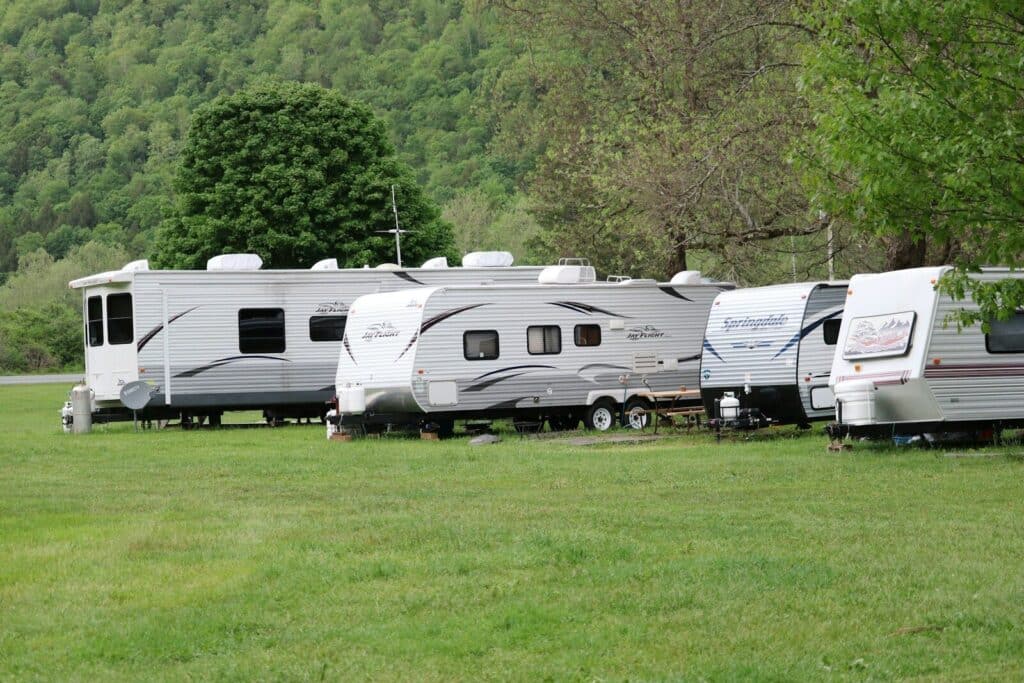
Photo by Izabela Mierzejewski on Unsplash
Make Smarter Camper Decisions Before You Buy, Sell, or Move
Understanding camper values helps you make better decisions.
It helps you compare RV values.
It helps you understand RV prices.
It helps you negotiate.
It helps you avoid overpaying.
It helps you price fairly when selling.
It helps you prepare for financing, insurance, and transport.
Whether you are shopping for new and used RVs, checking NADA RV values, comparing RV Trader listings, estimating book value, planning a trade in, or getting ready to sell your RV, a little research goes a long way.
And when it is time to move that camper, Interstate Haulers is ready to help.
We bring nearly 30 years of family-owned reliability, nationwide coverage, specialty hauling experience, and clear communication to every transport.
Request a camper or RV transport quote today.