
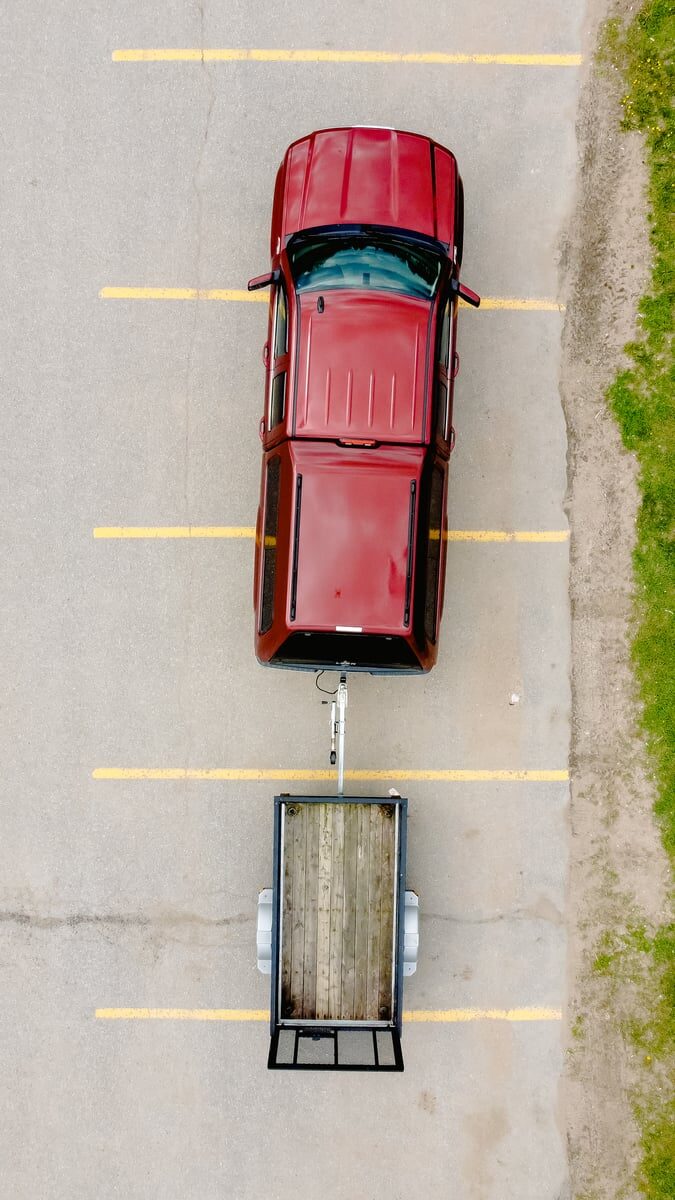
A small trailer is a compact, towable unit, like utility, enclosed, and teardrop trailers that weigh between 1,000 and 10,000 pounds. They offer a cost-effective way to haul equipment, materials, and camping gear using standard tow vehicles like cars, SUVs, and pickup trucks. Interstate Haulers provides nationwide transport for all trailer types.
A small trailer offers one of the most practical and flexible hauling solutions available for everyday people, small businesses, campers, hobbyists, and property owners. You do not need a massive commercial truck to move essential items. By matching a compact trailer with a standard vehicle, you can transport everything from heavy outdoor gear to construction supplies efficiently.
Choosing the right small trailer depends entirely on your specific needs. The ideal choice balances the trailer size, its intended use, and the vehicle’s towing capacity. A contractor might need a durable dump trailer to haul heavy rocks, while a family might require a lightweight camper trailer to carry camping gear for outdoor vacations. Understanding these variations ensures you select a unit that performs safely and reliably.
At Interstate Haulers, our family-owned transportation company has moved oversized and high-value assets across the continental United States since 1997. Whether you are buying a small trailer from an out-of-state dealer, relocating your family, or transporting a specialty unit to a remote job site, working with experienced professionals makes the logistics effortless. We know exactly what it takes to safely tow these assets nationwide.
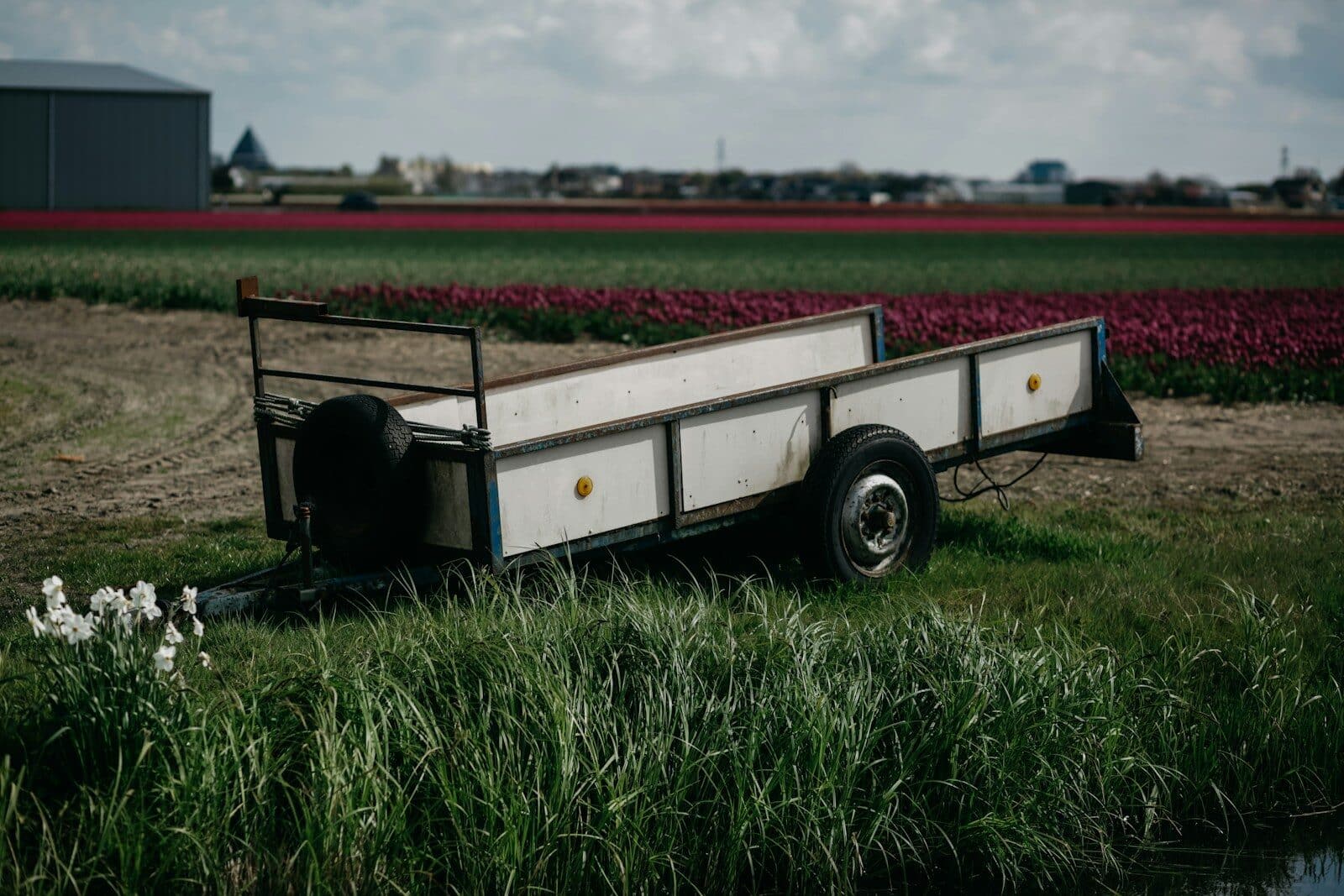
Photo by Isabella Teixeira on Unsplash
What Counts as a Small Trailer?
A trailer qualifies as “small” based on its compact size, lighter overall weight, and ease of maneuverability compared to larger commercial trailers. Generally, small trailers range from 5 to 12 feet in length for teardrop models, and up to 16 feet for utility models. Their weight usually falls between 1,000 and 4,000 pounds (Gross Vehicle Weight Rating), making them highly accessible for the average driver.
The lightweight design allows for much easier loading and unloading without specialized heavy machinery. These trailers are also easier to park and store. You can slide a compact model into a standard garage, fit it onto a residential driveway, or tuck it into tight spaces where larger trailers simply cannot go. Because they drag less wind and add less weight, they also offer far better fuel efficiency than heavy-duty haulers.
For first-time owners, the setup remains incredibly straightforward. You can often tow these units using standard SUVs, pickup trucks, and sometimes even cars, provided the tow vehicle is properly equipped with the correct hitch and wiring. Even with a compact design, owners must always verify their vehicle’s towing capacity to ensure they can safely tow the loaded equipment.
Why Small Trailers Are So Popular
Small trailers deliver tremendous cost effectiveness. They require a much lower initial investment than full-sized commercial trailers or heavy-duty pickup trucks. The simple maintenance involved—typically just checking tires, lubricating the axle, and inspecting the lights—keeps long-term ownership costs highly manageable.
The compact design provides flexible storage options. Instead of paying monthly fees for a commercial storage lot, you can often keep a small trailer on your own property. This easy access makes them highly practical for weekend trips, impromptu family camping trips, home renovation projects, and daily business use. Landscapers, plumbers, and local delivery drivers rely on such trailers to keep their operations moving efficiently.
Safety is another major factor driving their popularity. Drivers can safely tow smaller loads without needing a specialized Commercial Driver’s License (CDL). Essential features like low deck heights, sturdy tie-down points, and single-axle configurations make balancing cargo simple. With proper weight distribution, these trailers remain stable at highway speeds.
How Do Enclosed Trailers Help Keep Gear Safe?
Enclosed trailers stand out as a highly popular type of small trailer due to their secure, weather-resistant design. These trailers feature a solid roof, sturdy walls, and a lockable rear door or ramp. This enclosed interior protects tools, supplies, motorcycles, camping gear, and delicate outdoor gear from rain, snow, and road debris.
Adding security for expensive items makes enclosed trailers essential for contractors and vendors. If you haul expensive power tools, business inventory, or sports equipment, the ability to lock the trailer gives you peace of mind during travel and overnight storage. The enclosed walls keep gear safe from both the elements and potential theft.
These units serve a wide variety of users. Hobbyists use them to transport antique motorcycles, families use them for moving household furniture, and small businesses use them as mobile inventory spaces. Look for enclosed trailers with durable construction, sturdy components, and a rear ramp that makes rolling heavy items into the interior space effortless.
What Are the Best Open Trailer Options for Everyday Hauling?
An open trailer provides a flat bed surrounded by low rails or no walls at all, making it the most accessible option for loading and unloading bulky items. Without the added weight of a roof and walls, open utility trailers are usually lighter than enclosed models, allowing you to maximize your payload capacity.
This easy access to the trailer bed works perfectly for hauling landscaping materials, appliances, small equipment, ATVs, and motorcycles. If you need to make frequent dump runs or move large tree branches, an open trailer is the most practical choice. You can simply toss materials over the side or roll items up the back ramp.
Open trailers work best for short trips, property maintenance, and hauling weather-resistant materials. Because they do not protect cargo from rain or snow, they are less suitable for delicate items. However, their lower price point and incredible utility make them a staple for homeowners and property managers.
Which Camper Trailer Options Suit Weekend Trips?
Small camper trailer options offer a highly comfortable alternative to sleeping on the ground in a tent. Teardrop trailers are among the most recognizable small campers. They feature an aerodynamic design that reduces wind resistance, making them incredibly easy to tow behind mid-sized SUVs and standard vehicles.
A compact setup is ideal for weekend trips. Teardrop trailers and lightweight pop-up campers provide a cozy sleeping interior while keeping the overall trailer size manageable. Many campers appreciate having a solid roof over their heads, a dedicated space to store camping gear, and essential features like a small kitchenette situated in the rear hatch.
These lightweight camper trailer designs eliminate the stress of towing massive RVs. You can easily maneuver them into remote campsites and tight forest roads. For families wanting comfort without the massive fuel expense of a large motorhome, a small camper trailer perfectly bridges the gap between rugged outdoor camping and modern convenience.
How Can Utility and Cargo Trailers Help With Work and Home Projects?
Small utility and cargo trailers act as an extension of your vehicle’s cargo space. Homeowners frequently use them to haul tools, moving boxes, building materials, and new furniture. By keeping dirty, messy, or heavy materials on the trailer bed, you separate the grime from the interior of your tow vehicle.
Small business owners and landscapers rely heavily on these utility trailers. A standard 5×8 or 6×10 utility trailer equipped with a rear ramp makes rolling lawnmowers and heavy equipment straightforward. The durable axle and sturdy components ensure these trailers can carry heavy bags of concrete, stacks of lumber, or large loads of soil without failing.
Utility trailers are particularly handy for people who need extra hauling capacity but do not want to purchase or maintain a large commercial vehicle. You can attach the trailer to your pickup truck or SUV for a specific job, then unhook it and park it in your garage when the work is done
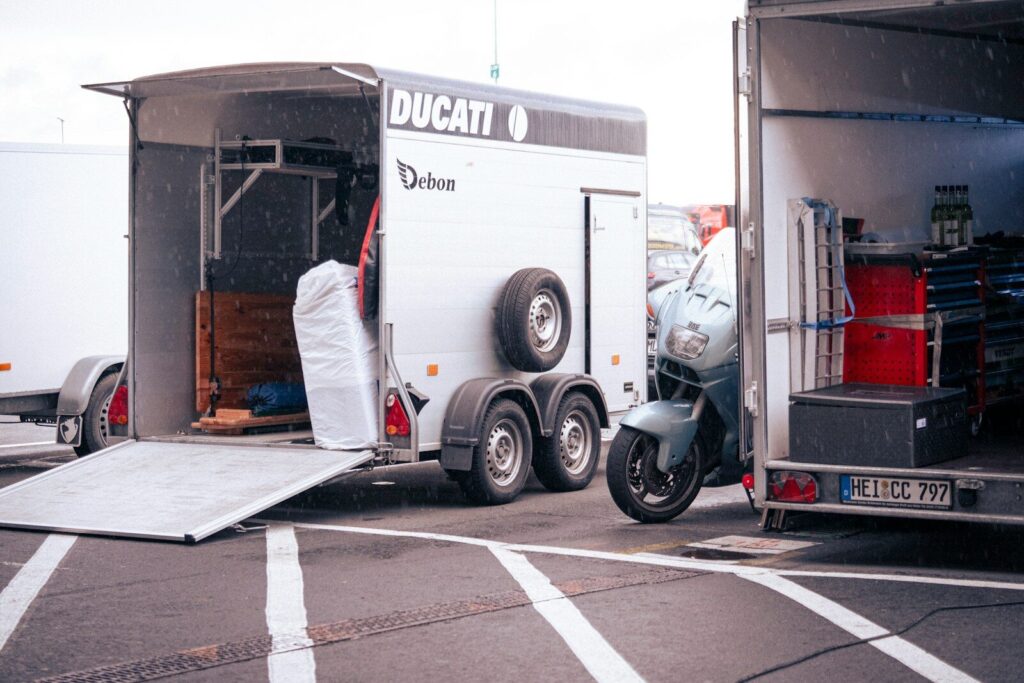
What Specialty Small Trailers Have More Uses Than People Realize?
Specialty small trailers are engineered for one specific purpose, making them vastly superior to general utility trailers for certain hobbies and jobs. Because they are built to suit a distinct need, they hold equipment securely and safely.
- Motorcycle trailers: Feature built-in wheel chocks and specific tie-down points to transport bikes securely without tipping.
- Kayak trailers: Utilize specialized racks to carry multiple kayaks, canoes, and paddleboards safely over long distances.
- ATV trailers: Often feature a lower ground clearance and side-loading ramps to accommodate four-wheelers.
- Small dump trailers: Use a hydraulic lift to raise the bed, making it easy to unload soil, gravel, and construction debris.
- Stock trailers: Designed with proper ventilation and gates for transporting small livestock like sheep or goats safely.
While general trailers offer broad utility, a specialty trailer prevents the need to heavily modify a standard unit, saving time and ensuring your specific cargo is transported correctly.
How To Choose the Right Small Trailer
Selecting the right trailer requires careful consideration of what you plan to carry and the capabilities of your tow vehicle. Start by checking your vehicle’s towing capacity in the owner’s manual. You must ensure the combined weight of the trailer and your loaded cargo does not exceed this limit.
Next, decide between an enclosed trailer and an open trailer. Choose an enclosed trailer if weather protection and security matter more than easy side-loading. Choose an open trailer if you primarily haul landscaping materials, ATVs, or items that do not require a roof. Determine if you need a ramp for rolling equipment or if a standard tailgate will suffice.
Consider your storage space. If you plan to park the unit in your garage, measure the door height and depth to ensure a compact fit. Think about how often you will use it—whether for frequent work jobs, occasional weekend trips, or long-distance travel. Finally, evaluate the trailer’s build quality, focusing on durable materials, axle strength, and minimal maintenance requirements.
Transporting a Small Trailer Safely
Buying a small trailer out of state or moving one across the country is not always a simple task. Towing rules, route planning, and proper safety equipment matter immensely when covering long distances. If you do not have the right tow vehicle or the time to make the drive, a professional transportation company provides the safest solution.
Interstate Haulers has extensive experience moving small trailers across the continental United States. We do not just haul large boats and travel trailers; we frequently transport enclosed trailers, utility trailers, cargo trailers, and specialty trailers for individuals, dealers, and manufacturers.
Our family-owned company guarantees reliable, FMCSA-compliant transport. We provide transparent communication throughout the entire journey. When you work with Interstate Haulers, you partner with trusted experts who treat your asset with the highest level of care.
Need Help Transporting a Small Trailer?
Whether you are purchasing a new teardrop camper, relocating a specialized kayak trailer, or moving an enclosed cargo unit for your business, long-distance transport requires expertise. Attempting to tow a trailer thousands of miles without the right equipment can lead to unnecessary wear and tear on your personal vehicle.
Interstate Haulers is here to help. We provide dedicated, nationwide transport services for all types of small trailers, ensuring your asset arrives safely and on time. Ready to move your trailer? Contact the team at Interstate Haulers today or request an instant quote online to get started.
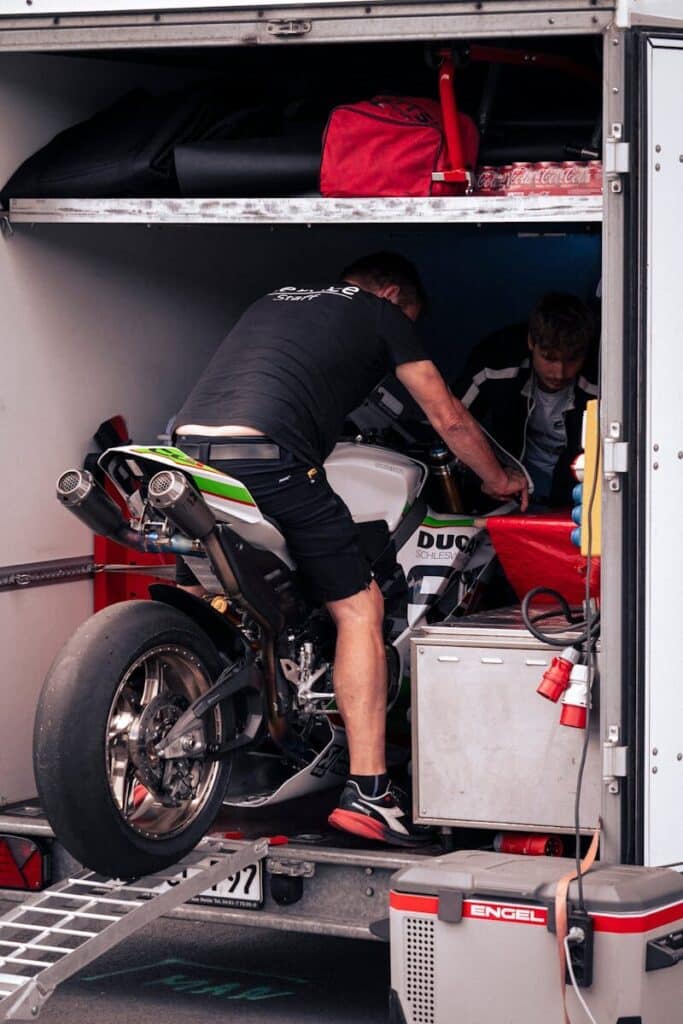
Frequently Asked Questions About Small Trailers
What Is the Most Useful Type of Small Trailer?
It depends entirely on the job. Enclosed trailers are great for keeping gear safe and secure from the weather. Open trailers are highly useful for easy loading and unloading of bulky landscaping materials. Camper trailer options are ideal for weekend trips and storing camping gear.
Can a Car Tow a Small Trailer?
Some cars can tow small trailers, but it depends heavily on the vehicle’s towing capacity. You must check the trailer size, the total trailer weight, and confirm that the car is properly equipped with the right hitch and wiring to safely tow the load.
Are Teardrop Trailers Good for Camping For More Than Just Their Cost-Effectiveness?
Yes, teardrop trailers are cost-effective, which is one of the biggest reasons campers love them. They are usually more affordable than larger RVs, use less fuel because of their lightweight and aerodynamic design, and often come with lower maintenance and storage costs.
But their value goes beyond price. Teardrop trailers are compact, easy to tow, and simple to park, making them great for weekend trips, road trips, and campground stays. They also give campers a comfortable place to sleep, basic shelter from the weather, and enough convenience to make camping feel easier without taking away from the outdoor experience. For many people, they offer the perfect balance of affordability, comfort, and adventure.
Are Enclosed Trailers Better Than Open Trailers For Indoor and Outdoor Gear?
Yes, enclosed trailers can be a better choice if you need to haul both indoor and outdoor gear. For indoor gear, such as furniture, tools, appliances, event supplies, or boxed inventory, an enclosed trailer gives you room to keep items protected from rain, dirt, road debris, and sun exposure.
They are also useful for outdoor gear like camping equipment, bikes, kayaks, hunting gear, sports equipment, lawn tools, or work supplies. While open trailers can be convenient for oversized outdoor items, enclosed trailers offer more protection, security, and organization. That means you can pack with less stress, keep your gear clean and dry, and make the trip feel like half the hassle once you arrive.

Can Interstate Haulers Transport Small Trailers?
Yes. Interstate Haulers transports all types of trailers nationwide. Our fleet moves small trailers, camper trailers, cargo trailers, utility trailers, specialty trailers, RVs, boats, and industrial trailers safely across the continental United States.