
You rely on your equipment to get your boat safely to and from the water’s edge. For many boat owners, the focus naturally drifts toward the vessel itself. The engine gets flushed, the hull gets waxed, and the interior gets detailed. The trailer sitting underneath often becomes an afterthought.
However, a boat trailer is much more than a simple piece of equipment. It protects a major investment, supports the boat’s entire weight during transit, and directly affects your overall boating experience. A well-maintained trailer ensures you arrive at the ramp safely, while a neglected one can leave you stranded on the side of a busy highway.
Interstate Haulers is a family-owned transportation company with nearly 30 years of experience moving boats, trailers, RVs, and specialty equipment across the country. Since 1997, our specialty hauling team has seen exactly what happens when trailer maintenance is skipped. We have also seen how the right preparation can make towing manageable and stress-free.
This guide will walk you through the essential maintenance steps your trailer needs, explain the factors that make towing difficult, and help you decide when it might be time to call in a professional transport service.
Why Boat Trailer Maintenance Matters Before Every Trip
Trailer maintenance protects the boat, the towing vehicle, the driver, and everyone else sharing the road. A heavy load traveling at highway speeds requires reliable stopping power, secure connections, and structural integrity.
Even a high-quality trailer will inevitably wear down over time. Constant water exposure, abrasive mud, corrosive salt, and regular road debris take a heavy toll. The simple act of loading and unloading a vessel repeatedly places immense stress on the frame and components.
Consistent maintenance is a core part of responsible boat ownership. Taking the time to care for your equipment preserves its durability and protects your financial investment. Most importantly, it gives you the peace of mind needed to enjoy your time on the water for years to come.
Your Trailer Supports More Than Just The Boat
Your trailer does not just carry a bare hull. It carries the weight of the boat, a full tank of fuel, safety gear, coolers, and sometimes extra recreational equipment.
Capacity matters. The trailer must be designed to fit the boat’s specific size, overall weight, and hull style. Overloading a trailer beyond its rated capacity drastically increases the risk of tire blowouts, axle failure, and poor braking performance.
Small Trailer Problems Can Become Big Road Problems
Minor issues can quickly escalate. A small nick in a wire can cause your lights to fail at night. A slightly loose wheel bearing can overheat and disintegrate at 65 miles per hour. A frayed winch strap can snap during unloading. Catching these small problems early prevents major breakdowns and keeps unsafe towing conditions at bay.
What Should You Check On A Boat Trailer?
Following a practical maintenance checklist ensures your equipment is ready for the road.
Tires And Tire Pressure
Tires demand close attention. Check them for sidewall cracks, dry rot, uneven wear, and proper inflation. According to industry safety guidelines, trailer tires should have at least 2/32 of an inch of tread remaining.
Trailer tires often sit stationary for long periods. This inactivity can cause flat spots or internal degradation, affecting performance even if the outside looks fine. Because of UV damage and weather exposure, you should replace trailer tires every three to five years, regardless of tread depth [Venture Trailers, 2025].
Lights And Wiring
Your trailer lights communicate your movements to other drivers. Inspect the brake lights, turn signals, and running lights before every trip.
Check the wiring connections for fraying and apply dielectric grease to the plug to prevent corrosion from water exposure. A poor ground connection is the most common reason for dim or flickering lights.
Brakes And Brake Performance
Brakes are a critical safety feature when towing in heavy traffic, down steep hills, or at highway speeds. If you have disc brakes, watch out for “Lot Lock,” where corrosion causes the brake pads to freeze to the rotors after winter storage. Brake fluid should be flushed and replaced with DOT 3 or DOT 4 fluid every one to two years [Venture Trailers, 2025].
Bearings, Hubs, And Grease
Wheel bearings are arguably the most critical maintenance item on any boat trailer. Water intrusion, friction heat, and long road trips wear them down rapidly.
Check for play by jacking up the trailer and rocking the wheel back and forth. You should grease your bearings every three months or 1,000 miles and plan to replace or repack them annually or every 12,000 miles [BetterBoat, 2025].
Straps, Winch, And Safety Chains
Inspect the winch strap, bow strap, and transom straps for fraying or UV damage. Check the safety chains for rust and ensure the hooks and latches operate smoothly. Verify that all tie-down points are secure.
Frame, Axles, And Rust
Inspect the entire frame for cracks, rust, corrosion, or impact damage. This applies to steel, galvanized, and aluminum trailer frames. Pay special attention to the welds, bolts, and the tongue area. Make sure your axles are built to handle the required capacity and are ready to deliver peak performance.
Are Aluminum Boat Trailers Easier To Maintain?
Aluminum boat trailers are highly popular because they are lightweight and highly corrosion-resistant. They represent a strong option for boat owners who frequently launch in saltwater or desire a trailer with long-term durability and quality craftsmanship.
However, “easier to maintain” does not mean maintenance-free. While the aluminum frame provides excellence against rust, the moving parts still require care. The tires, lights, brakes, bearings, straps, and axles demand the same level of attention to ensure towing confidence for your recreational boating needs.
Should You Buy A New Boat Trailer Or Maintain The One You Have?
Eventually, you will face a choice between repairing your current equipment or upgrading to a new boat trailer. Understanding when maintenance makes sense and when replacement offers better value is key.
When Maintenance May Be Enough
Routine wear is normal. Minor tire wear, isolated light issues, strap replacement, annual bearing service, brake pad replacements, and small hardware repairs are standard upkeep tasks. If the frame is solid and the axles are straight, maintaining the trailer is usually sufficient.
When A New Boat Trailer May Be The Smarter Investment
A new boat trailer becomes a smart investment if your current equipment has extensive structural rust, frame damage, or bent axles. Repeated brake failures or a trailer that lacks the proper load capacity also signal that a replacement is necessary.
Matching The Trailer To The Boat
Your trailer must match your specific boat type, length, weight, and intended style of use. The market offers highly specialized options, including setups for a pontoon, a personal watercraft, or deep-V recreational boats. Ensuring the perfect fit supports safe transit and meets your specific boating needs.
What Does Load Rite Mean When Comparing Boat Trailer Options?
When researching new equipment, you will likely encounter the brand Load Rite. While this is a specific manufacturer, the broader concept here involves understanding load rating, carrying capacity, trailer fit, and overall build quality.
Whether a trailer is aluminum, galvanized, painted steel, single axle, or tandem axle, you must pay attention to how it is designed. It must be built to carry your specific vessel and support your exact industry requirements. You need to find a series that aligns precisely with your load.
Look Beyond The Name And Check The Specs
Focus on the specifications. Compare the trailer length, maximum weight capacity, axle setup, braking system, and frame material. Ensure absolute compatibility with your boat before making a purchase.
Is A Single Axle Boat Trailer Harder To Pull?
Single axle boat trailers are standard for smaller vessels because they are lighter, simpler, and easier to maneuver by hand.
They are generally easier to pull around tight city streets or small launch ramps. However, they can feel less stable at highway speeds, especially with heavier loads or during longer trips. A single axle setup requires confidence in your tires, as a blowout immediately affects the trailer’s balance.
When Do Tandem Axles Make More Sense?
Tandem axles are heavily utilized for larger boats, heavier loads, and longer trips.
Tandem axle trailers provide superior weight distribution and road confidence. The second axle adds stability and reduces the risk of sway. However, they can be slightly harder to maneuver in extremely tight spaces.
Tandem Axles Can Add Stability
Two axles help distribute the weight more evenly across the trailer frame and the towing vehicle’s hitch. This creates a smoother ride and better tracking behind the truck.
Tandem Axles Add Maintenance Points
More wheels mean more tires, hubs, bearings, and brakes to inspect. You must budget more time and money to properly maintain a tandem setup.
What About Personal Watercraft Trailers?
Smaller setups for jet skis and personal watercraft require the exact same maintenance principles. While they do not carry the massive weight of a deep-V hull, their bearings still submerge in water, and their tires still spin at high highway speeds. Ensure the capacity fits the machine, and the lights function correctly before heading out.
How Hard Is It Really To Pull A Boat Trailer?
Towing becomes difficult when the variables change. Trailer length, total boat weight, high winds, heavy traffic, and fast highway speeds complicate the process. Backing up, launching, and unloading require practice. Poor road conditions, deep mud, steep hills, and a lack of driver confidence all increase the difficulty level.
Weight And Load Capacity Matter
The combined weight of the boat size, fuel, gear, and trailer dictates how your tow vehicle handles. Heavy loads require longer stopping distances and slower acceleration.
Backing Up Takes Practice
Backing a boat trailer down a ramp or into a tight driveway is often the hardest part for newer drivers. The steering inputs are reversed, and overcorrecting happens easily.
Road Conditions Can Change The Experience
Smooth highways are one thing. Sudden rain, high crosswinds, steep mountain hills, construction zones, and uneven ground demand heightened focus and constant steering corrections.
Driver Experience Makes A Big Difference
Towing requires wider turns to avoid clipping curbs, significantly more stopping distance, slower lane changes, and extra spatial awareness. Taking the time to practice in an empty parking lot pays off immensely.
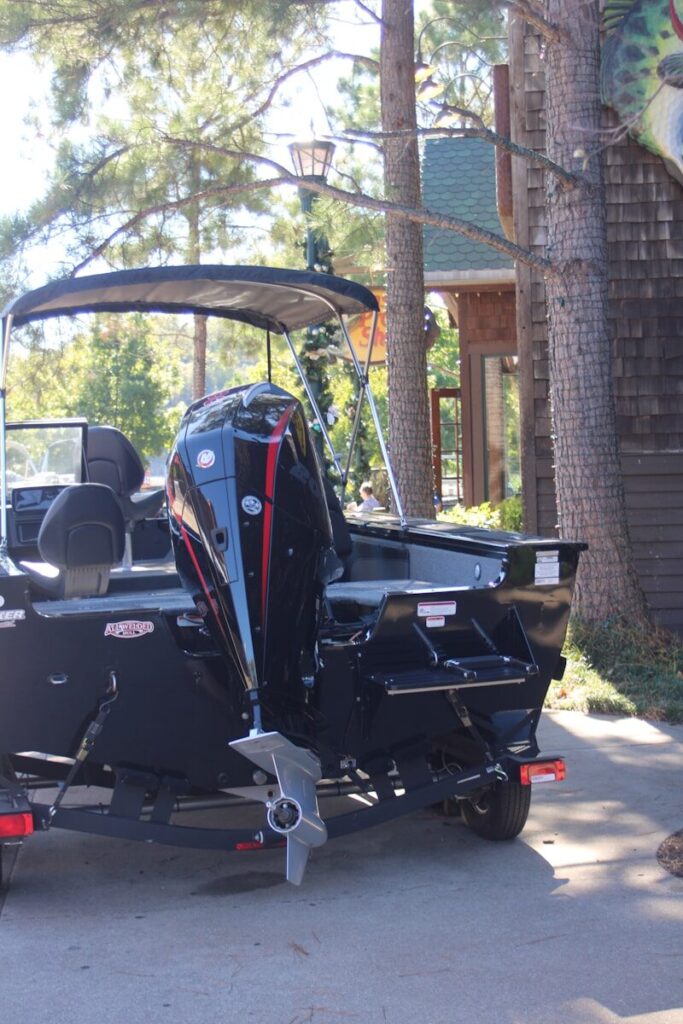
Photo by porter vest on Unsplash
What Makes Towing A Boat Trailer More Stressful?
Stress behind the wheel usually stems from uncertainty.
Not knowing if the trailer is truly road-ready creates anxiety. Pulling a larger boat than you are used to, driving across state lines, or backing up at a crowded, impatient launch ramp adds immense pressure. Navigating dense traffic, steep grades, or bad weather while constantly worrying about your bearings, brakes, tires, or lights can ruin a trip. Moving a boat after purchasing it from a different region often forces owners into unfamiliar, highly stressful towing situations.
Proper maintenance and preparation provide the support needed to restore your peace of mind on the road.
When Is Professional Boat Trailer Transport The Better Option?
Towing your own boat trailer makes total sense for short, familiar trips to the local lake. However, professional transport is often a much better choice for longer moves, unfamiliar routes, newly purchased boats, oversized trailers, heavier loads, or owners who do not own an appropriate towing vehicle.
If your boat or trailer needs to move farther than you are comfortable towing, Interstate Haulers can help. Since 1997, our family-owned transportation company has provided nationwide boat, RV, travel trailer, and specialty trailer transport with the experience, communication, and care high-value assets deserve. You can rely on our specialized hauling team to offer the precise service your equipment needs.
Professional Transport Helps Protect Your Investment
A boat and trailer are highly valuable assets. Utilizing professional transport greatly reduces driver stress and physical wear on your personal vehicle during longer or highly complicated logistical moves.
Transport May Be Helpful After A Purchase
Boat owners frequently buy vessels from another state, a remote dealership, a private seller, an auction, or an online marketplace. Professional transport bridges the geographical gap safely.
Transport Can Help Dealers And Manufacturers
For the B2B aspect of the industry, professional transport supports dealer moves, customer deliveries, seasonal inventory shifts, and complex logistics support.
What Information Should You Have Before Requesting Boat Trailer Transport?
Before you contact a transport company with questions, gather the necessary details to receive an accurate quote.
Include the following information:
- Boat make, model, and year
- Trailer make, model, and condition
- Trailer material (aluminum, galvanized, or steel)
- Axle type (single axle or tandem axles)
- Trailer length and width
- Boat weight and total trailer capacity
- Tire condition and age
- Brake condition and functionality
- Light and wiring condition
- Exact pickup and delivery locations
- Confirmation on whether the trailer is road-ready
- Any specific loading or unloading concerns
FAQs About Boat Trailer Maintenance And Towing
How Often Should I Inspect My Boat Trailer?
You should inspect your boat trailer before every single trip and schedule deeper maintenance at least once a year. Tires, lights, brakes, bearings, straps, axles, and the frame should all be checked regularly to prevent breakdowns.
Are Aluminum Boat Trailers Better Than Steel Trailers?
Aluminum boat trailers are often lighter and highly resistant to rust, while steel trailers can offer incredible structural strength and value. The better choice depends entirely on your specific boat, budget, local water conditions, and towing needs.
Is A Single Axle Boat Trailer Good For Long Trips?
A single axle boat trailer can work perfectly for long trips if it is properly rated, meticulously maintained, and matched accurately to the boat. For heavier boats or much longer travel distances, tandem axles may offer significantly more stability.
What Makes A Boat Trailer Hard To Pull?
A boat trailer becomes harder to pull when it is excessively heavy, poorly maintained, too long for the driver’s experience level, affected by high wind or bad road conditions, or not matched correctly to the towing vehicle’s capacity.
Can Interstate Haulers Transport A Boat On A Trailer?
Yes. Interstate Haulers expertly transports boats, boat trailers, RVs, travel trailers, and specialty cargo trailers across the entire continental United States.
Secure Your Boat’s Journey Today
Routine boat trailer maintenance is essential for safety, on-road performance, long-term durability, and your ultimate peace of mind. Towing a boat trailer does not have to be an incredibly difficult task, but it absolutely requires the right trailer, the right maintenance schedule, the proper tow vehicle, and the right level of driver confidence.
Whether you are moving a boat across the state or relocating it entirely across the country, Interstate Haulers is here to help. Contact us today to request a quote and find out how our highly experienced team can transport your boat or trailer with care, safety, and professionalism.