
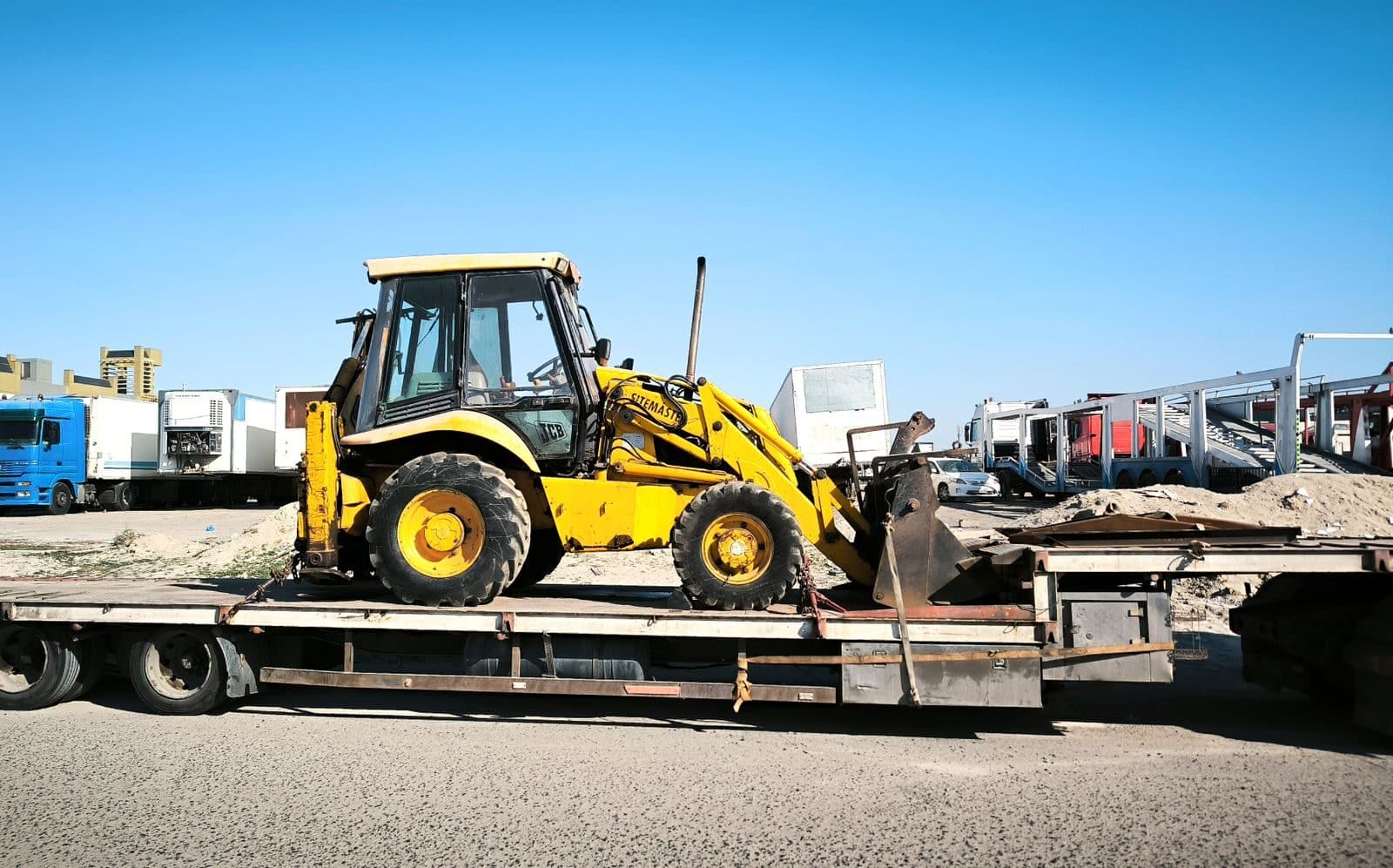
A flatbed trailer is an open-deck trailer with no sides or roof, allowing cargo to be loaded from the top, sides, or rear. Flatbeds haul heavy, oversized, and awkward freight—like machinery, steel, and building materials—across construction, agriculture, industrial, and commercial industries. Choosing the right type and keeping up with maintenance improves safety and performance.
Few trailer designs match the versatility of the flatbed. With no walls or roof to work around, a flatbed trailer can carry loads that would never fit inside an enclosed van—think excavators, steel beams, and stacks of lumber. That open design is exactly why flatbeds remain a staple in transportation, moving everything from construction equipment to agricultural supplies.
But not all flatbeds are the same. Different deck heights, materials, and axle setups suit different jobs. And like any hardworking piece of equipment, a flatbed only performs well when it’s properly maintained.
This guide breaks down the various types of flatbed trailers, their most common uses, and the maintenance habits that keep them safe and road-ready. You’ll also learn how professional hauling companies like Interstate Haulers simplify the transport of specialty and oversized trailers nationwide.
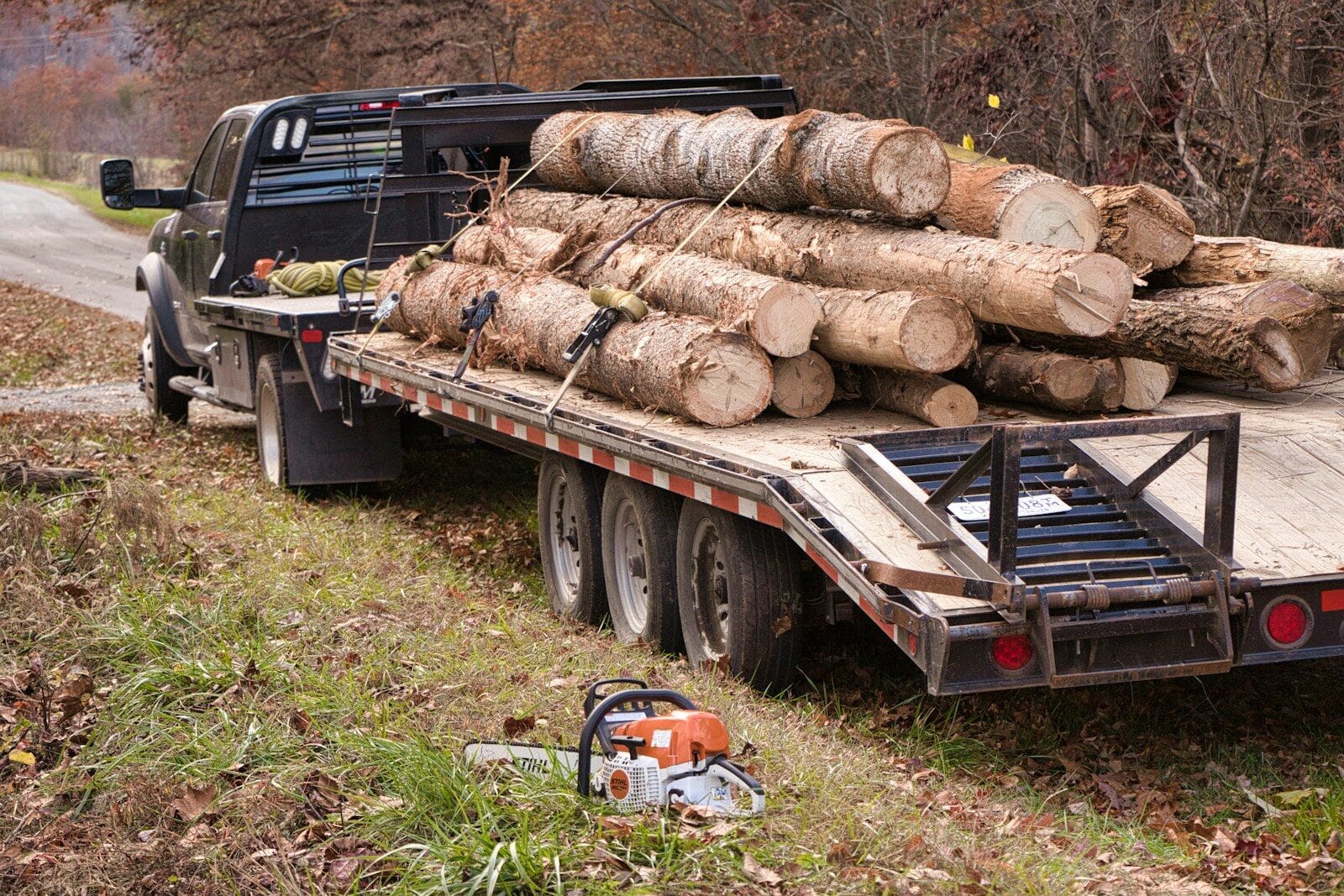
Photo by Chandler Cruttenden on Unsplash
What Is a Flatbed Trailer?
A flatbed trailer is an open-deck trailer with no sides and no roof. That simple design is its biggest strength. Because there are no walls in the way, freight can be loaded from three directions:
- Both sides
- The rear
- The top
This flexibility means crews can use whatever equipment fits the job—forklifts to slide pallets on from the side, cranes to lower machinery from above, or ramps to drive vehicles up from the back.
Flatbeds are the go-to choice for cargo that’s heavy, oversized, or oddly shaped. Common types of loads include:
- Heavy machinery and equipment
- Oversized freight
- Irregular or awkward cargo
- Vehicles
- Building materials
Most standard flatbeds come in 48-foot and 53-foot lengths, and their versatility makes them useful across construction, agriculture, logistics, and more. For a deeper look at how freight moves across the country, the Federal Highway Administration’s Freight Management program is a helpful resource.
What Are the Different Types of Flatbed Trailers?
Flatbeds come in several variations, each built for a specific kind of load. Here are the main types you’ll encounter.
Standard Flatbeds
The standard flatbed is the most common trailer type on the road. Its completely flat, open deck handles general freight with ease—construction materials, lumber, steel, palletized goods, and equipment all ride comfortably. Contractors and shippers favor the standard flatbed because it’s flexible enough for a huge range of jobs without any special features to fuss over.
Drop Deck Trailers
A drop deck trailer (also called a step deck) has a lower deck height toward the rear. That drop matters more than it sounds: it lets you haul taller cargo without breaking legal height limits.
Many drop decks are built around a cambered 24-inch mainframe beam, which supports the load while keeping the deck low. The lower rear deck also makes loading and unloading tall equipment easier and safer. Typical loads include tractors, industrial machinery, and other oversized equipment that simply won’t clear on a standard flatbed.
Heavy Equipment Flatbed Trailers
Some flatbeds are purpose-built for the punishing demands of construction and industrial work. These heavy equipment trailers feature air ride brake axles, durable oak flooring, and higher weight capacities. The reinforced construction stands up to repeated loading of bulldozers, loaders, and other rugged machinery.
Deluxe Flatbed Trailers
Deluxe flatbeds add premium touches for owners who want extra longevity. Upgraded frame construction, LED lighting, and higher-grade components all contribute to better durability over the long haul. For fleets that run hard year-round, those upgrades often pay off in fewer repairs and a longer service life.
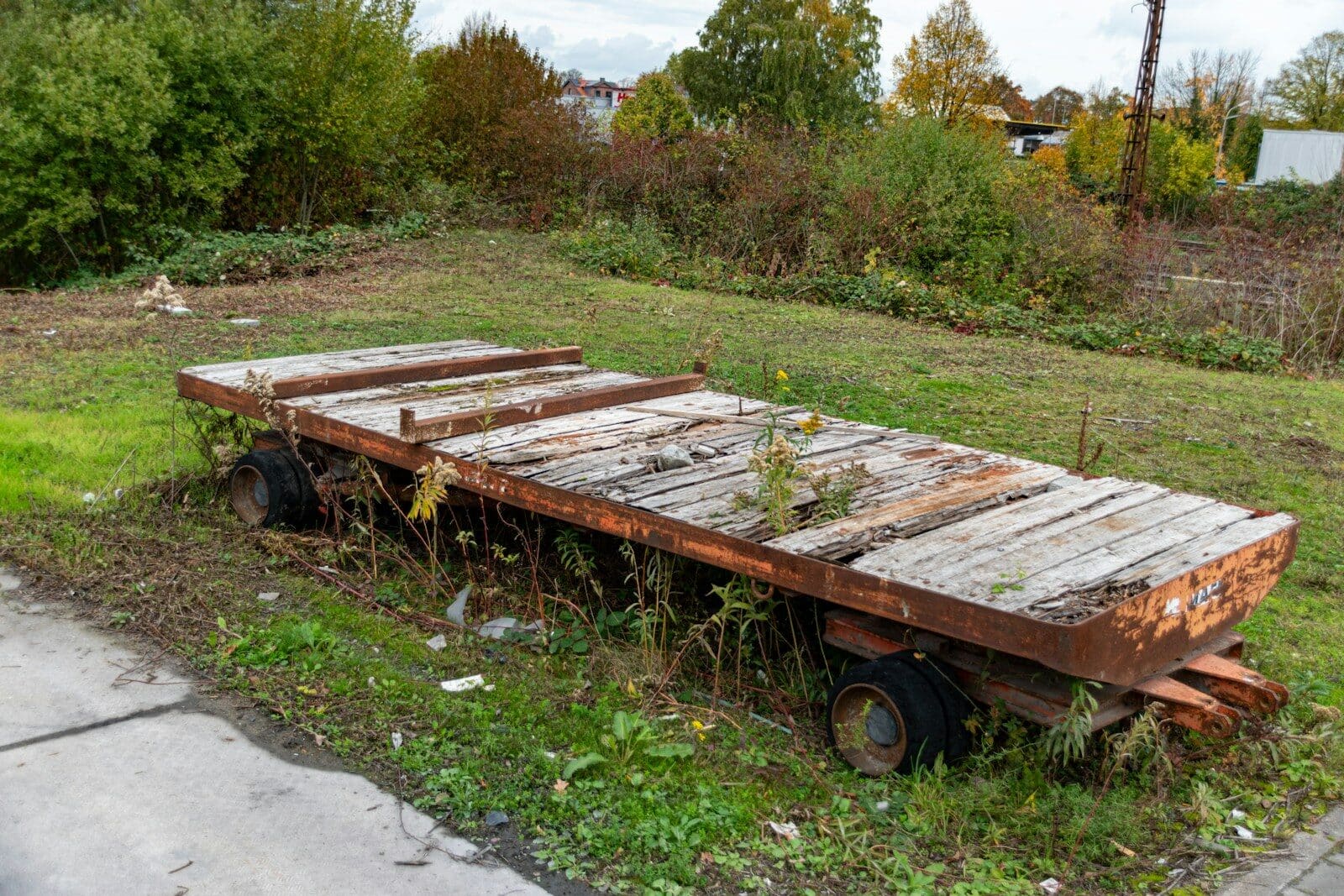
Photo by Sergej ***** on Unsplash
What Deck Material Is Best for a Flatbed Trailer?
The deck is where your cargo actually sits, so the material matters. The three most common options each have their strengths.
Wood decks offer excellent grip, which helps keep loads and equipment from sliding. Individual boards are easy and inexpensive to replace, making wood a favorite for heavy equipment hauling.
Aluminum decks are lightweight and naturally rust resistant. Because they weigh less, they allow for a higher payload without adding to the trailer’s total weight.
Steel decks are the toughest of the three. They stand up to the most demanding environments and heavy-duty applications, though they need attention to prevent rust over time.
Corrosion is the enemy of any steel component. Many manufacturers use hot-dip galvanizing to protect steel from rust in harsh conditions. The American Galvanizers Association explains how galvanized steel can resist corrosion for decades, which is worth understanding when you’re weighing long-term durability.
Understanding Axles, Brakes, and GVWR
The undercarriage of a flatbed determines how much it can safely carry and how stable it stays on the road.
Axle options typically include:
- Single axle – lighter loads and easier maneuvering
- Tandem axle – better stability and higher capacity
- Triple axle – maximum weight distribution for the heaviest loads
More axles spread the weight across a wider footprint, improving both stability and payload capacity.
Brake systems vary based on the trailer’s Gross Vehicle Weight Rating (GVWR) and the cargo it’s built to carry. Common setups include air brakes (standard on heavy commercial trailers), electric brakes, and hydraulic brakes.
GVWR is one of the most important numbers to understand. It represents the maximum total weight a trailer can safely handle, including the trailer itself and everything on it. To find your usable payload, use this simple formula:
Payload capacity = GVWR − trailer weight
Never exceed these rated weights. Overloading strains the frame, brakes, and tires, and it creates serious safety risks on the road. The National Highway Traffic Safety Administration offers guidance on vehicle safety ratings and weight standards worth reviewing.
Common Uses for Flatbed Trailers
Flatbeds show up across nearly every industry that moves large or heavy goods. Here’s where they earn their keep.
Construction: Lumber, steel, concrete panels, and building supplies of every kind.
Agriculture: Tractors, implements, hay, feed, and other farm equipment.
Industrial: Machinery, utility trailers, and specialized industrial equipment.
Automotive: Vehicles and oversized automotive cargo.
Commercial freight: Palletized goods, equipment, and long freight that won’t fit in an enclosed trailer.
That range of applications is exactly why flatbeds remain one of the most popular options available.
Why Proper Cargo Securement Is Essential With Oversized Freight
An open deck means nothing is holding your cargo in place except the securement system you build. Get it wrong, and freight can shift, fall, or cause an accident. Get it right, and everything arrives safely.
Common securement tools include:
- Chains
- Ratchet straps
- Edge protection
- Waterproof tarps
- Tie-down systems
- Stake pockets
Proper securement reduces load movement, prevents cargo damage, and lowers the risk of accidents. The system you choose should always match the weight, shape, and type of freight you’re hauling—a coil of steel demands a very different approach than a stack of lumber.
Federal rules govern how cargo must be secured on commercial trailers. Under FMCSA standards, securement systems must provide a downward force equal to at least 20 percent of the cargo’s weight when the load isn’t fully contained. You can review the full requirements in the FMCSA Cargo Securement Rules.
Flatbed Trailer Maintenance Tips
A well-maintained flatbed keeps drivers safe, protects your cargo, and extends the life of your investment. Reacting to breakdowns is far more expensive—and dangerous—than preventing them. Focus your attention on these key areas.
Tires: Check air pressure regularly with a calibrated gauge, and inspect for wear, punctures, and cuts. Pay special attention to inner dual tires, where problems often go unnoticed. For proper care guidance, the U.S. Tire Manufacturers Association is a trusted source.
Brakes: Inspect brake linings and record wear. Check air brake components and seals to keep stopping power reliable.
Deck: Look for cracks, rot, and loose boards. Replace damaged decking before it compromises a load.
Frame: Watch for rust, corrosion, and any signs of structural damage. Pressure-wash the chassis to remove grit that traps moisture.
Lighting: Test LED lights, inspect wiring, and confirm all reflectors are clean and intact.
Tie-down points: Examine chains, hooks, winches, and stake pockets for wear or deterioration.
A smart approach is to follow both monthly and six-month schedules. Check tires, lights, and securement gear monthly, then inspect brake linings, wheel bearings, axle alignment, and suspension components every six months. Routine maintenance improves safety, boosts reliability, and adds years to your trailer’s lifespan.
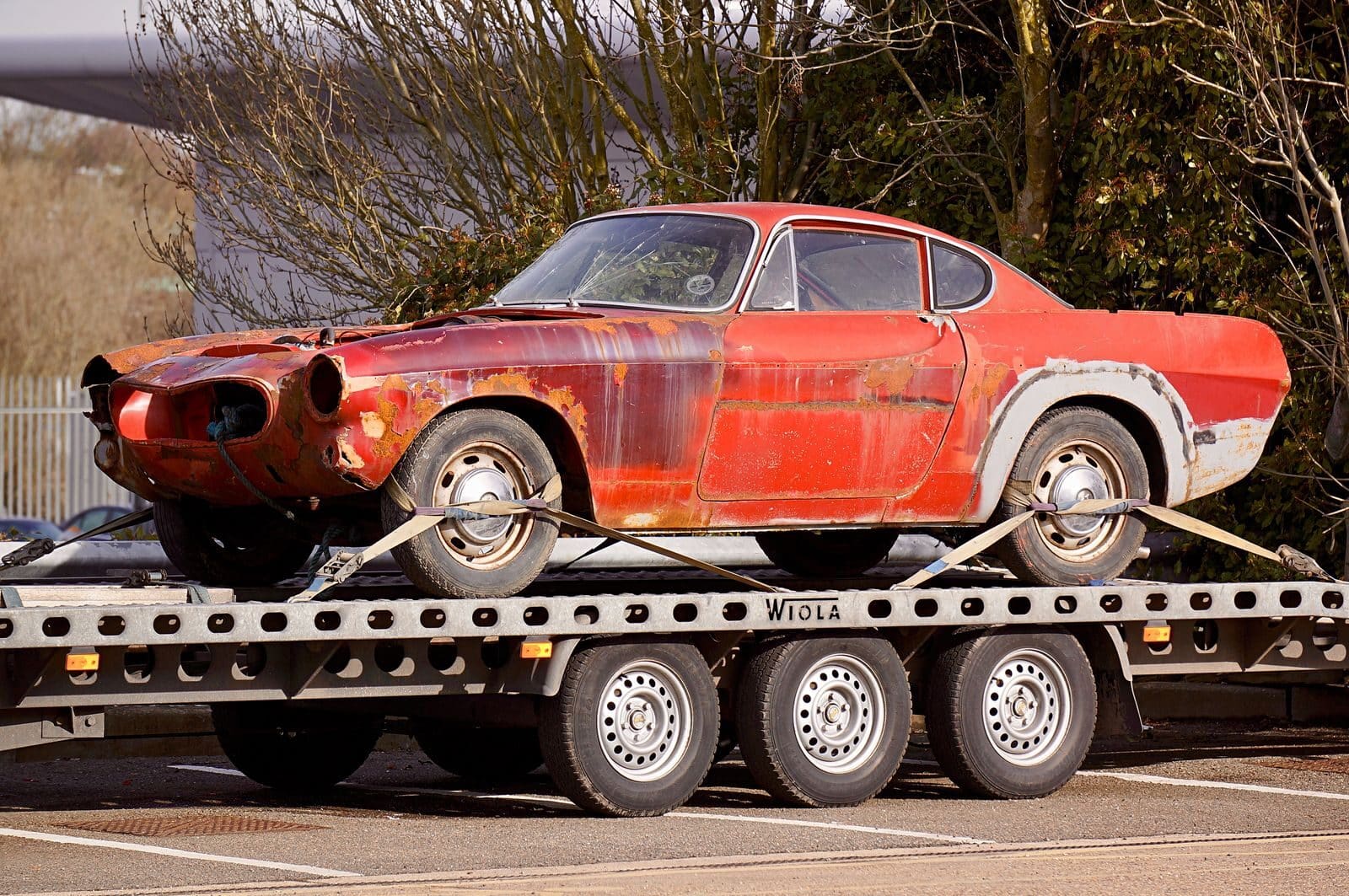
How to Choose the Right Flatbed Trailer
The best flatbed for the job depends on what you’re hauling and how you’ll use it. Weigh these factors before you decide:
- Cargo type – the shape, weight, and fragility of your load
- Vehicle towing capacity – what your tow vehicle can safely pull
- GVWR and payload – the weight limits you can’t exceed
- Trailer dimensions – length, width, and deck height
- Axle configuration – single, tandem, or triple
- Deck material – wood, aluminum, or steel
- Brake system – matched to weight and cargo
- Frequency of use – occasional hauling versus daily heavy duty
- Road conditions – smooth highways or rough job sites
- Loading method – forklift, crane, or ramp
Every hauling job is different, and the right trailer is the one that matches your specific needs.
When Professional Flatbed Transportation Makes Sense
Sometimes the smartest move is to hand the job to experts. Large or specialty trailer moves often demand more than a truck and a driver. They call for:
- Experienced drivers
- Careful route planning
- Oversize permits
- Specialized transport equipment
- DOT compliance
- Safe, on-time delivery
This is where Interstate Haulers comes in. A family-owned company since 1997, Interstate Haulers brings nearly 30 years of experience to transporting industrial trailers, specialty trailers, oversized equipment, and high-value cargo across the continental United States.
What sets Interstate Haulers apart is the combination of nationwide reach and personalized care. Every haul comes with tailored route planning, transparent communication, and FMCSA compliance—so there are no surprises from pickup to delivery. Whether you’re a dealer moving inventory, a manufacturer shipping equipment, or an owner relocating a specialty trailer, you get a partner who treats your cargo like their own. For broader transportation standards and safety information, the U.S. Department of Transportation is a valuable reference.
Haul Smarter with the Right Trailer and the Right Partner
Flatbed trailers remain one of the most versatile transportation solutions on the road. Understanding the other types, deck materials, axle configurations, GVWR limits, and maintenance routines helps you make confident, informed decisions—whether you’re moving construction equipment, farm machinery, or oversized freight.
Choosing the right trailer improves safety and efficiency on every trip. And when a move calls for professional route planning, experienced drivers, and reliable nationwide hauling, Interstate Haulers is ready to help. Request a quote today and put nearly three decades of specialized transport experience to work for you.
Frequently Asked Questions
What is a flatbed trailer used for?
A flatbed trailer is used to haul heavy, oversized, or awkwardly shaped cargo that won’t fit in an enclosed trailer. Common loads include construction materials, steel, lumber, machinery, vehicles, and agricultural equipment. Its open deck allows easy loading from the top, sides, or rear.
What is the difference between a standard flatbed and a drop deck trailer?
A standard flatbed has a single, level deck at full height. A drop deck (or step deck) trailer has a lower deck toward the rear, which lets it carry taller cargo without exceeding legal height limits. Drop decks are ideal for tall equipment like tractors and industrial machinery.
How much weight can a flatbed trailer carry?
It depends on the trailer’s GVWR and axle configuration. To find the usable payload, subtract the trailer’s own weight from its GVWR. Never exceed the rated capacity, as overloading damages the equipment and creates serious safety hazards.
What deck material is best for a flatbed trailer?
Wood decks offer strong grip and easy board replacement, making them popular for heavy equipment. Aluminum decks are lightweight and rust resistant, allowing higher payloads. Steel decks are the most durable quality and best suited to demanding, heavy-duty applications.
Why is GVWR important when choosing a flatbed trailer?
GVWR (Gross Vehicle Weight Rating) is the maximum safe total weight for a trailer, including the trailer and its cargo. It determines how much you can legally and safely haul. Matching the GVWR to your load prevents overloading and keeps you compliant with weight regulations.
How often should flatbed trailers be inspected?
Inspect key items like tires, lights, and cargo securement gear monthly. Conduct deeper inspections—brake linings, wheel bearings, axle alignment, and suspension components—every six months. Regular preventative maintenance catches small issues before they become costly failures.
When should I hire a professional company to transport a flatbed trailer?
Hire a professional when a move requires oversize permits, careful route planning, DOT compliance, or specialized equipment. Large, high-value, or long-distance moves are best handled by experienced haulers like Interstate Haulers, who manage the logistics and ensure safe, on-time delivery with all the other benefits.