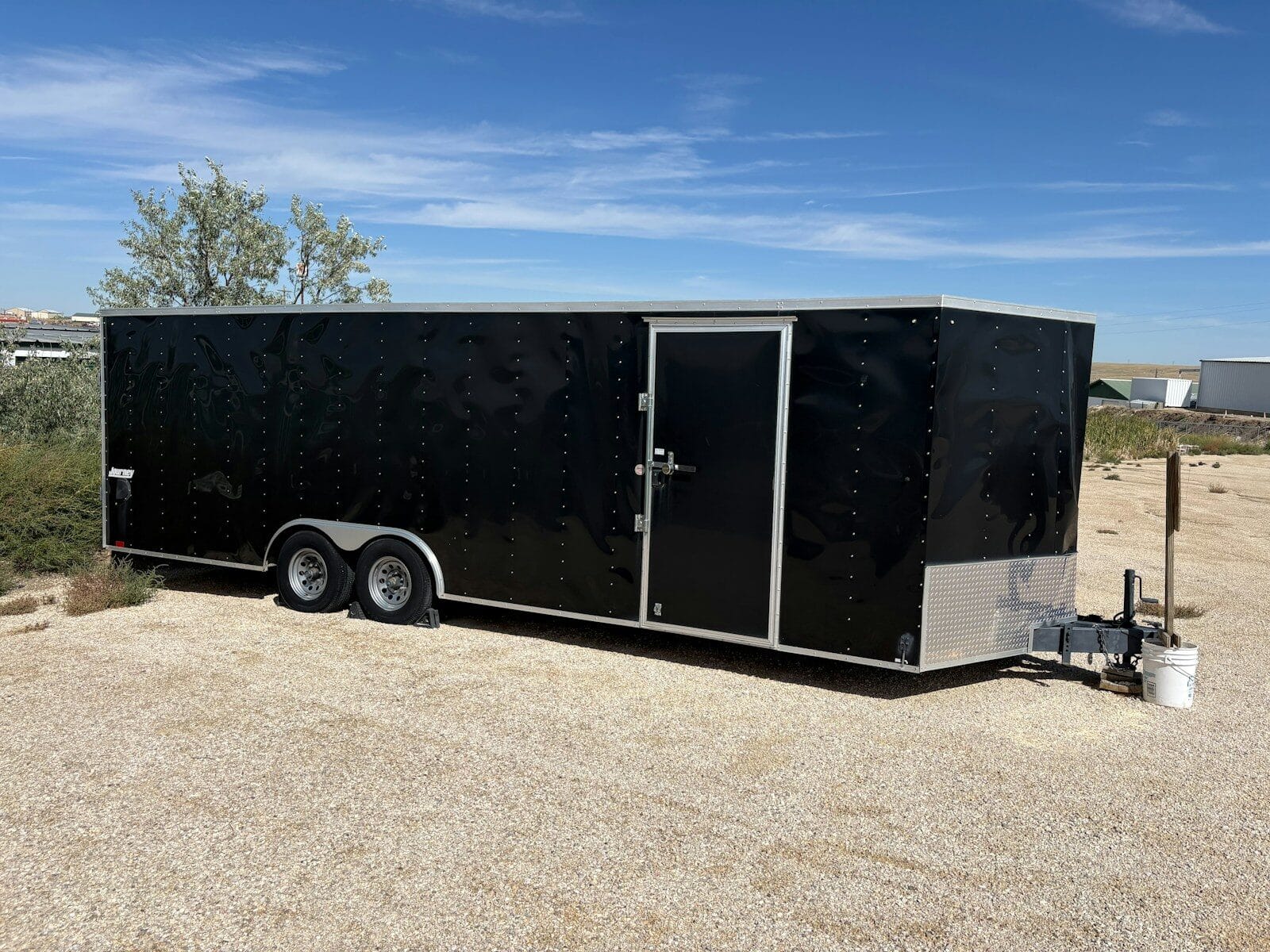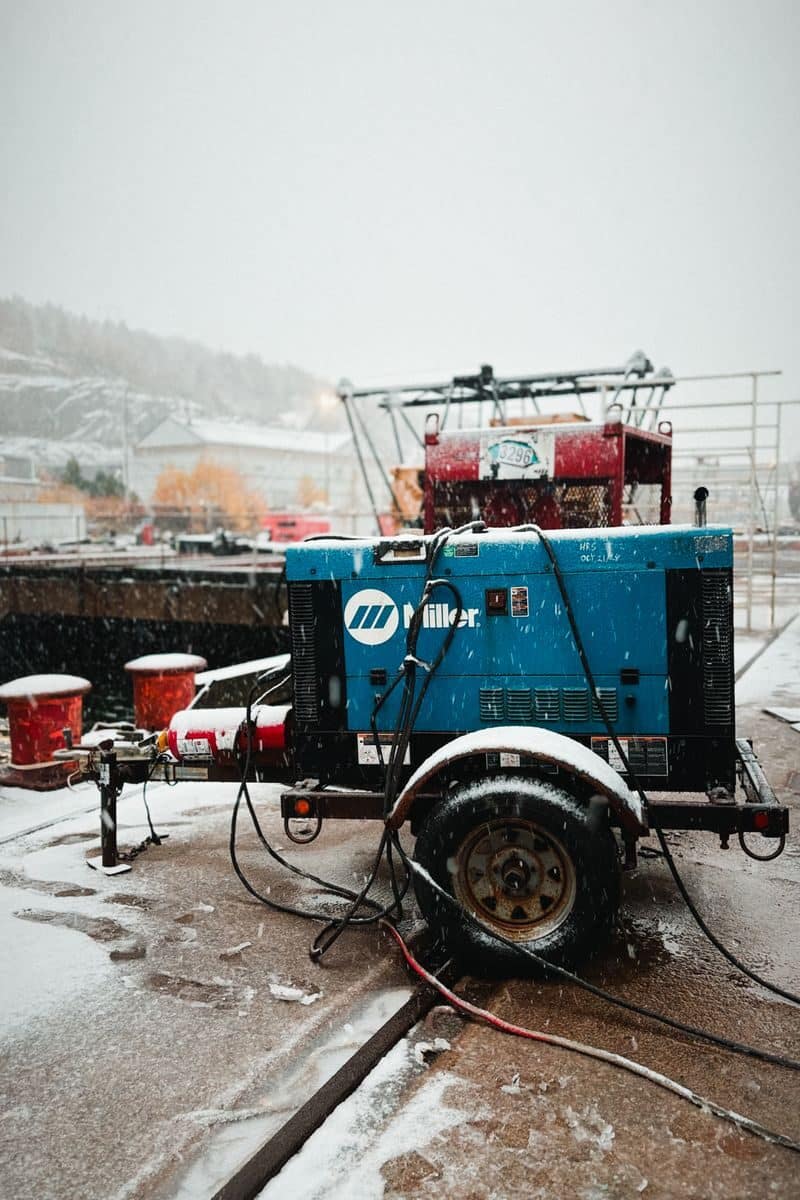
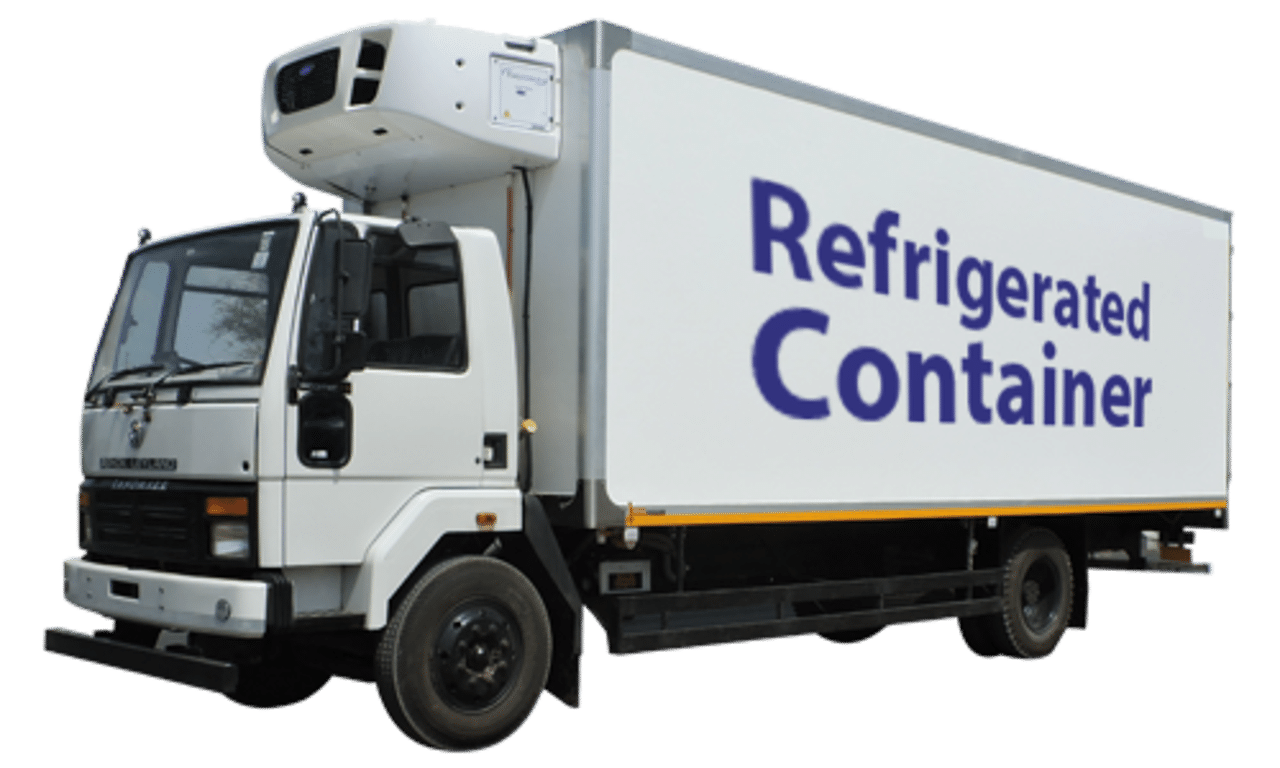
Moving temperature-sensitive cargo requires precision, planning, and reliable equipment. Businesses that depend on cold storage and controlled environments often rely on a refrigerated trailer to keep products safe during transport.
From food delivery and catering supplies to medical supplies and specialty products, refrigerated transport helps maintain the right temperature throughout the journey.
However, transporting refrigerated trailers across long distances requires expertise. Maintaining the proper temperature, protecting equipment, and ensuring timely delivery are all critical factors.
At Interstate Haulers, we’ve spent nearly 30 years transporting specialty trailers across the United States. As a family-owned company founded in 1997, we specialize in hauling boats, RVs, travel trailers, and cargo trailers with professionalism and care.
If your business depends on refrigerated trailers, understanding the benefits of professional hauling can help protect your cargo and streamline your operations.
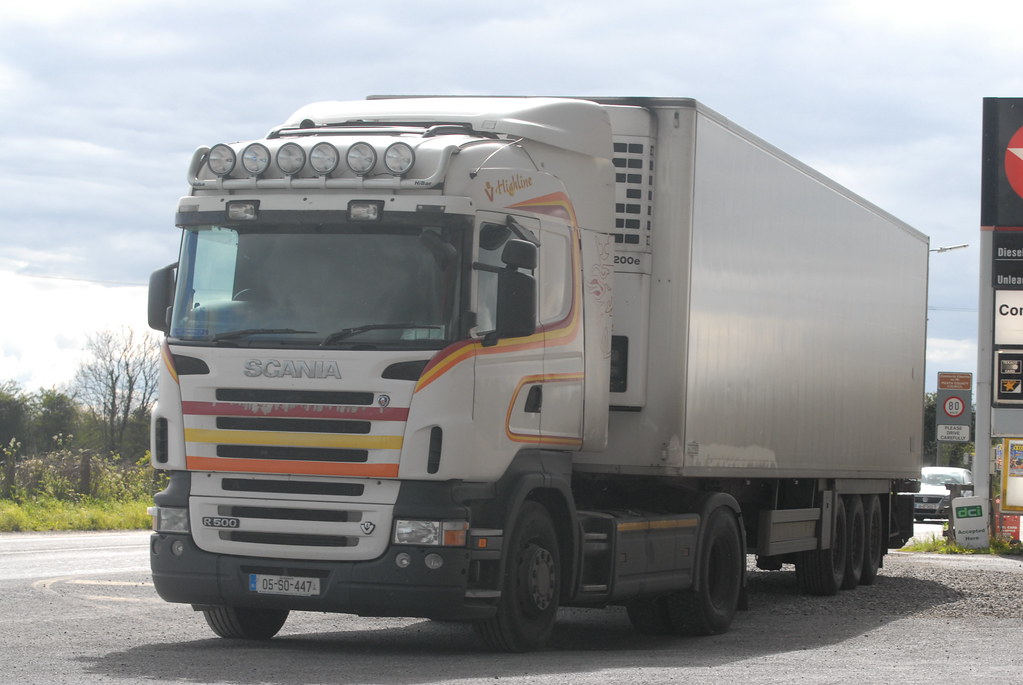
“Scania R500 Refrigerated Trailer – pulls in at Clonard, Co. Meath Ireland – May 2012” by Peter Mooney is licensed under CC BY-SA 2.0
What Is a Refrigerated Trailer?
A refrigerated trailer, often called a reefer, is a trailer equipped with a refrigeration unit designed to maintain a controlled temperature range during transport.
These trailers are commonly used for:
- Perishable goods such as food and beverages
- Medical supplies and pharmaceuticals
- Catering equipment and event supplies
- Specialty products requiring cold storage
Most refrigerated trailers are designed with heavy insulation and specialized cooling systems.
Typical features may include:
- Insulated walls with four-inch walls to help prevent heat transfer
- A powerful compressor and evaporator system
- Durable interior construction with a pallet duty floor
- E track systems for securing cargo
- Advanced monitoring to maintain temperature levels
Many standard models are designed to maintain a broad range of temperatures, from refrigerated conditions to deep freezer storage.
Because maintaining the proper temperature is essential, these trailers require careful transport and handling.
15 Benefits of Professional Refrigerated Trailer Hauling
Businesses that rely on refrigerated transport often choose professional hauling to protect their cargo and improve operational efficiency.
Here are 15 key benefits of professional refrigerated trailer transport.
1. Reliable Temperature Control
Professional hauling ensures refrigerated trailers maintain the right temperature during transport. Proper handling helps prevent temperature fluctuations that could affect sensitive cargo.
2. Protection for Temperature-Sensitive Products
Items like food, pharmaceuticals, and chemicals are often temperature-sensitive. Professional transport helps protect these products throughout the journey.
3. Efficient Delivery Scheduling
Experienced transport providers coordinate pickup and delivery timelines to keep shipments moving efficiently between locations.
4. Reduced Risk of Cargo Loss
Temperature-controlled trailers are designed to maintain stable environments. Professional transport helps minimize the risk of spoilage or product loss.
5. Advanced Equipment Monitoring
Many refrigerated trailers include temperature monitoring systems that help operators track cooling performance during transport.
6. Support for Temporary Refrigeration Needs
Businesses often use refrigerated trailers for temporary refrigeration during peak demand periods, large events, or equipment maintenance.
7. Flexible Mobile Cold Storage
A refrigerated trailer can act as mobile cold storage, allowing businesses to store products temporarily at different locations.
8. Transport for Cooler Trailers and Freezer Trailers
Professional hauling services can transport different trailer types, including cooler trailers, small refrigerated trailers, and freezer trailers designed for deep-freeze applications.
9. Safe Handling of Specialized Equipment
Refrigerated trailers include delicate components such as compressors, insulation systems, and cooling units. Experienced haulers ensure these components remain protected during transport.
10. Efficient Logistics for Businesses
Businesses operating multiple facilities benefit from reliable refrigerated trailer transportation. Professional hauling supports smooth operations across distribution networks.
11. Reduced Equipment Wear
Towing refrigerated trailers long distances can put stress on vehicles and cooling systems. Professional hauling helps reduce unnecessary wear.
12. Enhanced Safety for Cargo
Professional transport companies follow safety procedures designed to protect both the trailer and the cargo inside.
13. Support for Multiple Industries
Refrigerated transport supports a wide range of industries, including food service, healthcare, agriculture, and government operations.
14. Scalable Fleet Support
Companies with expanding fleet operations may need to relocate trailers between facilities or distribution centers. Professional hauling helps streamline these movements.
15. Peace of Mind for Business Owners
Ultimately, professional refrigerated trailer transport provides confidence that your equipment and cargo will arrive safely and on schedule.
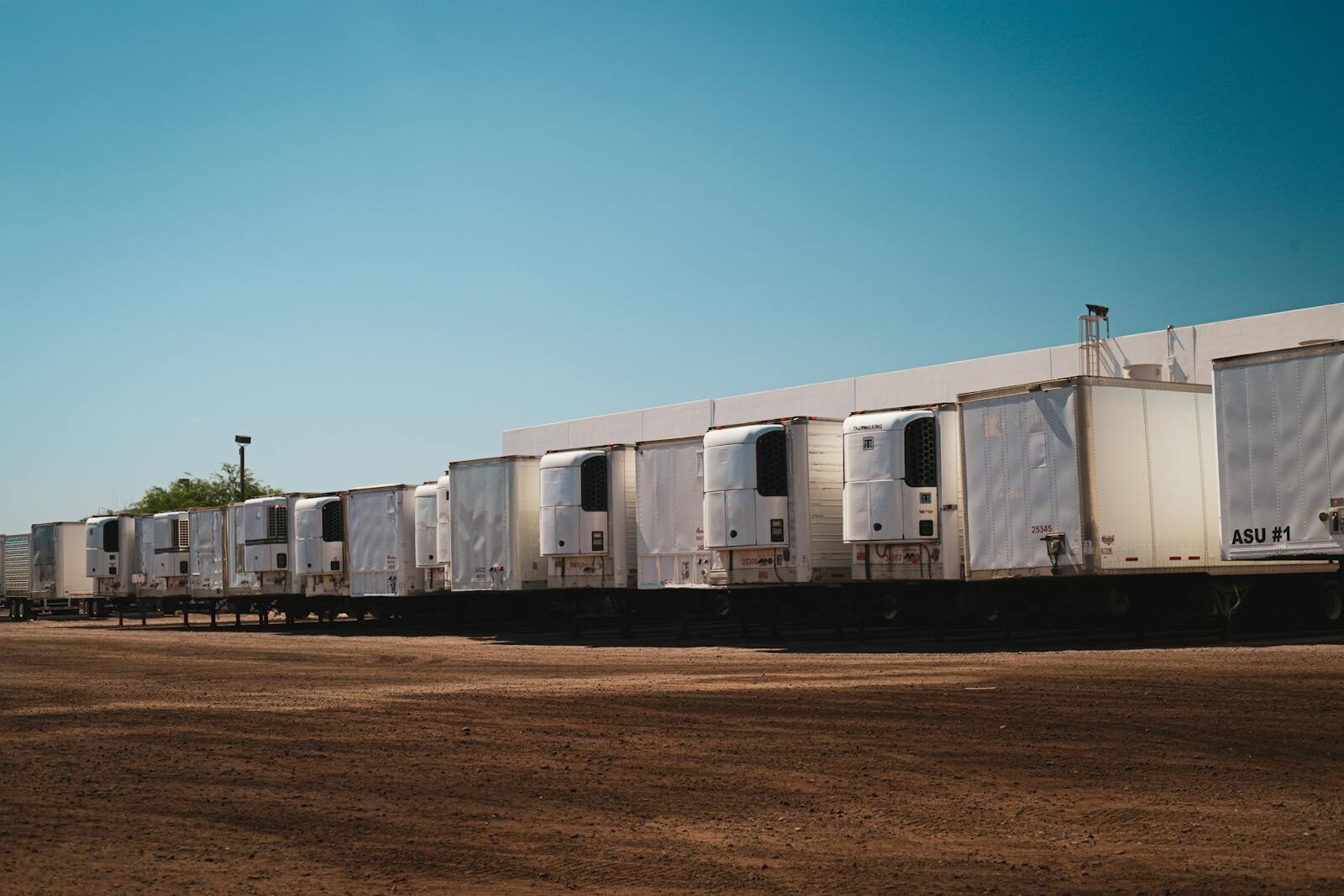
Photo by Tom Jackson on Pexels
Industries That Rely on Refrigerated Transport
Many industries depend on refrigerated trailers to maintain product quality and safety.
Food and Beverage Industry
Restaurants, grocery distributors, and catering companies rely on refrigerated trailers to keep food fresh during transport.
From produce to frozen goods, temperature control is essential.
Catering and Events
Large events, festivals, and catering companies often use refrigerated trailers for temporary cold storage.
These trailers allow vendors to keep food and beverages fresh during busy service periods.
Healthcare and Medical Supply
Hospitals, laboratories, and pharmaceutical companies rely on refrigerated transport to move medical supplies that require strict temperature control.
Government and Emergency Services
Government agencies and emergency response organizations may use refrigerated trailers during disaster response efforts or temporary storage needs.
Why Experience Is Critical in Refrigerated Trailer Transport
Moving a refrigerated trailer involves more than simply towing equipment from one place to another.
Proper transport requires attention to:
- Trailer dimensions and space requirements
- Cooling system protection
- Secure loading and unloading procedures
- Route planning and scheduling
Experienced haulers understand these factors and work to ensure the trailer arrives safely.
At Interstate Haulers, we bring nearly three decades of experience transporting specialized trailers across the country. Our team understands the unique requirements involved in moving refrigerated trailers and temperature-controlled equipment.
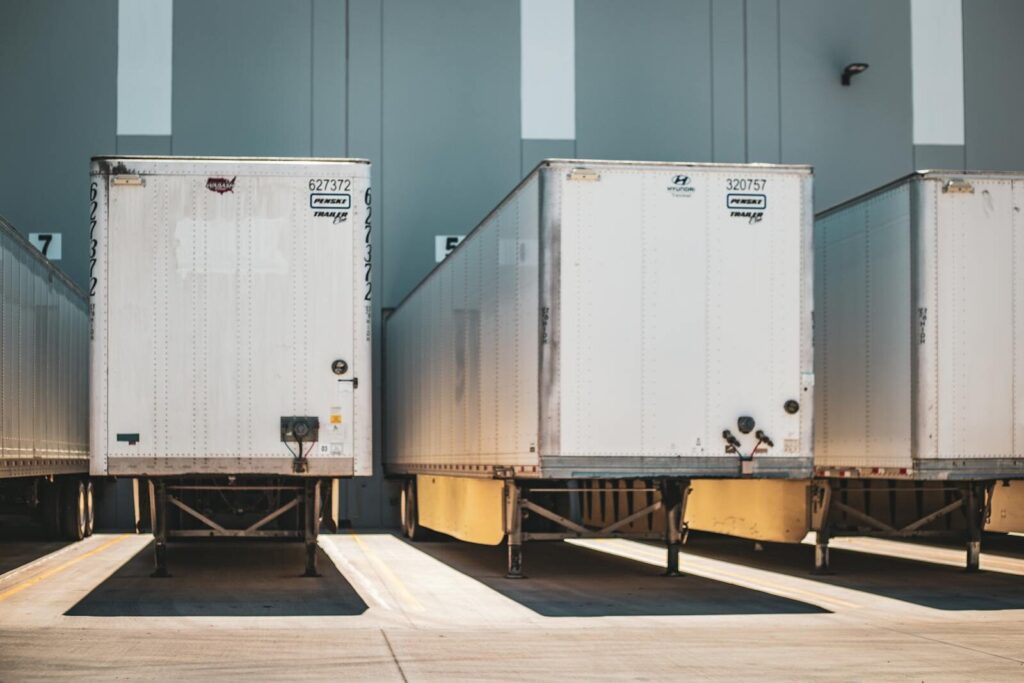
Photo by Tom Jackson on Pexels
Ready to Transport Your Refrigerated Trailer?
If your business relies on refrigerated trailers, professional transport can help protect your equipment and keep operations running smoothly.
At Interstate Haulers, we provide reliable nationwide trailer hauling with the experience and attention to detail your cargo deserves.
Contact Interstate Haulers today to request a quote and learn how we can transport your refrigerated trailer safely and efficiently.
Helpful Links and Resources for Refrigerated Trailers
- U.S. Department of Energy – Fuel Economy Tips: Learn how to optimize fuel efficiency for refrigerated trailers and other vehicles. This guide offers practical advice for reducing fuel consumption. Visit the U.S. Department of Energy
- Food and Drug Administration (FDA) – Food Safety Guidelines: Explore the FDA’s guidelines on maintaining proper temperatures during food transportation to ensure safety and compliance. Visit the FDA Website
- American Trucking Associations (ATA): Stay updated on industry news, regulations, and best practices for refrigerated trucking through the ATA’s resources. Visit the ATA Website
- National Renewable Energy Laboratory (NREL): Discover research and innovations in energy-efficient technologies for refrigerated transport. Visit the NREL Website
- Centers for Disease Control and Prevention (CDC) – Cold Chain Management: Access detailed information on cold chain management for transporting perishable goods, including vaccines and food. Visit the CDC Website
- Environmental Protection Agency (EPA) – SmartWay Program: Learn about the EPA’s SmartWay program, which helps companies improve supply chain sustainability, including refrigerated transport. Visit the EPA SmartWay Program
- National Institute for Occupational Safety and Health (NIOSH): Find resources on workplace safety for refrigerated trailer operators, including tips for handling cold environments. Visit the NIOSH Website