Buying a boat is exciting.
It is also a decision that can get overwhelming fast.
There are so many different types of boats, and each one is built for a different kind of owner, water, activity, and lifestyle. The right boat for freshwater fishing on inland lakes may not be the right boat for offshore fishing. A family looking for leisure cruising may need something very different from anglers who want to fish offshore. Someone planning overnight stays will have different needs than someone looking for a relaxing day on calm waters.
At Interstate Haulers, we have been transporting boats, RVs, travel trailers, and industrial trailers across the continental United States since 1997. As a family-owned transportation company, we understand that buying a boat is not just about the vessel itself. It is also about how you plan to use it, store it, trailer it, maintain it, and transport it safely.
Whether you are buying your first boat, upgrading to a larger vessel, relocating, or purchasing from a dealer in another state, understanding the major types of boats can help you make a smarter decision.
Here is what you should know before you buy.
Why Understanding Different Types of Boats Matters
When people start shopping for a boat, they often focus on looks, price, and size first.
Those things matter, but they are not the whole picture.
The different types of boats available today are designed for different waters and different activities. Some boats are built for shallow waters. Some are designed specifically for rough water. Some are made for fishing. Some are better for watersports. Some are better for long-distance cruising, overnight stays, or family-friendly recreational use.
Before buying, it helps to ask:
How will I use this boat most often?
Will I be on freshwater, saltwater, rivers, inland lakes, or offshore waters?
Do I want to fish, cruise, entertain, or do water sports activities?
How many people will usually be on board?
Will I need sleeping quarters?
Will I trailer the boat myself or need professional transport?
Where will I store it?
How far will it need to be moved?
The more clearly you understand your intended use, the easier it becomes to choose the right boat.
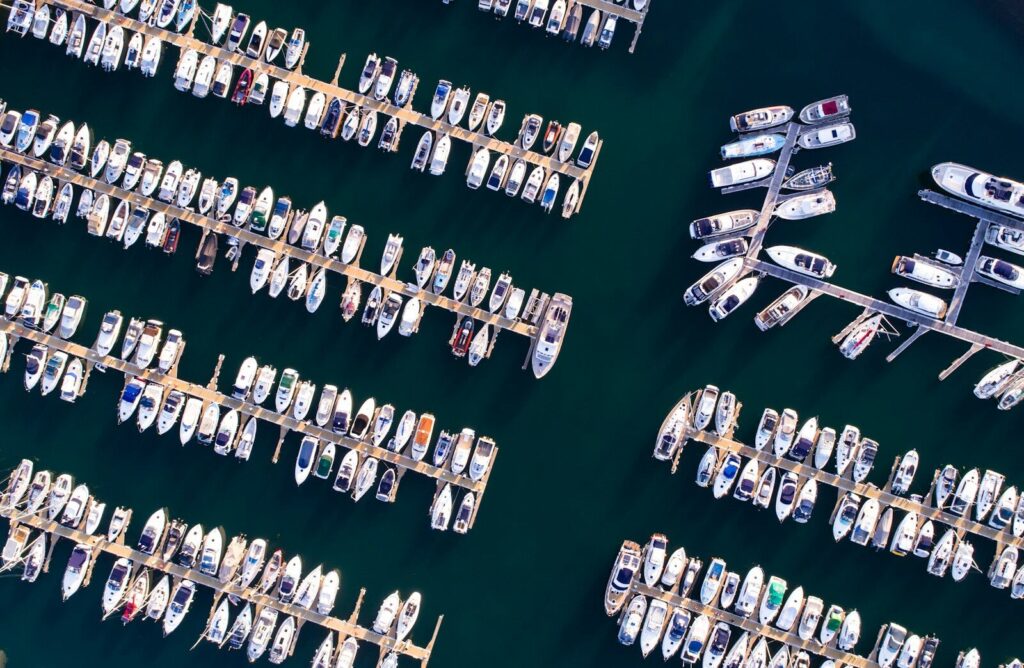
Photo by Enrapture Captivating Media on Unsplash
Pontoon Boat: A Family-Friendly Favorite
A pontoon boat is one of the most popular choices for recreational boaters who want comfort, space, and stability.
Pontoon boats are known for their wide decks and stable platforms, making them great for families, groups, entertaining, and leisure cruising. They are often used on inland lakes, calm waters, and rivers. If your goal is to enjoy a relaxing day on the water with friends, snacks, music, and plenty of seating, a pontoon may be a strong fit.
Pontoon boats are often used for:
- Family outings
- Day cruising
- Swimming
- Entertaining
- Calm water recreation
- Light fishing
- Leisure cruising
They are not usually the best choice for rough water or serious offshore fishing, but for inland waters and casual recreational activities, they are hard to beat.
From a transport perspective, pontoons can require careful hauling because of their size, shape, and trailer setup. If you purchase a pontoon boat out of state or need it moved seasonally, professional boat transport can help protect your investment.
Center Console Boats for Fishing and Versatility
Center console boats are popular with anglers because they offer open deck space, easy movement around the boat, and a console positioned near the center.
A center console layout gives boaters access to the bow, stern, and sides, which is helpful when fishing. Many console boats include rod holders, live wells, storage, and other key features designed specifically for recreational fishing or sport fishing boats.
Center console boats can work well for:
- Saltwater fishing
- Bay fishing
- Offshore fishing, depending on size and hull design
- Recreational fishing
- Day cruising
- Versatile boating activities
Smaller center console boats may be easier to maneuver and trailer, while larger center console boats may handle rough water better and offer more power, range, and storage.
If you want a boat that can fish seriously but still handle casual cruising, a center console is worth considering.
Bay Boats for Shallow Waters and Saltwater Fishing
Bay boats are designed to bridge the gap between shallow-water fishing and more open saltwater use.
They typically have a shallow draft, which helps them move through shallow waters, flats, bays, and coastal areas. At the same time, many bay boats are built with enough size and structure to handle choppier inland waters better than a flat-bottom boat.
Bay boats are often a good fit for:
- Saltwater fishing
- Inshore fishing
- Shallow waters
- Bays and flats
- Recreational fishing
- Anglers who want flexibility
If you enjoy fishing near shore, around marshes, flats, or bays, this type of boat may be a practical choice. Many bay boats include rod holders, casting decks, and storage for fishing gear.
Transporting a bay boat is usually straightforward when it is on a properly fitted trailer, but long-distance moves still require the right equipment, secure loading, and experience.
Bass Boat for Freshwater Fishing
A bass boat is a classic freshwater fishing boat.
Bass boats are commonly used on inland lakes and rivers. They are designed for anglers who enjoy freshwater fishing and want speed, maneuverability, and casting space. Most have low profiles, powerful outboard motors, trolling motors, storage compartments, and fishing-focused layouts.
Bass boats are ideal for:
- Freshwater fishing
- Bass fishing
- Inland lakes
- Rivers
- Recreational fishing
- Anglers who want speed and control
They are not usually built for rough offshore waters or large waves. Their low sides and fishing-specific design make them best suited for calmer freshwater environments.
If you are buying a bass boat from another state, make sure you consider the trailer condition before transport. A boat may be in great shape, but the trailer still needs to be roadworthy for a safe move.
Cabin Cruisers for Overnight Stays
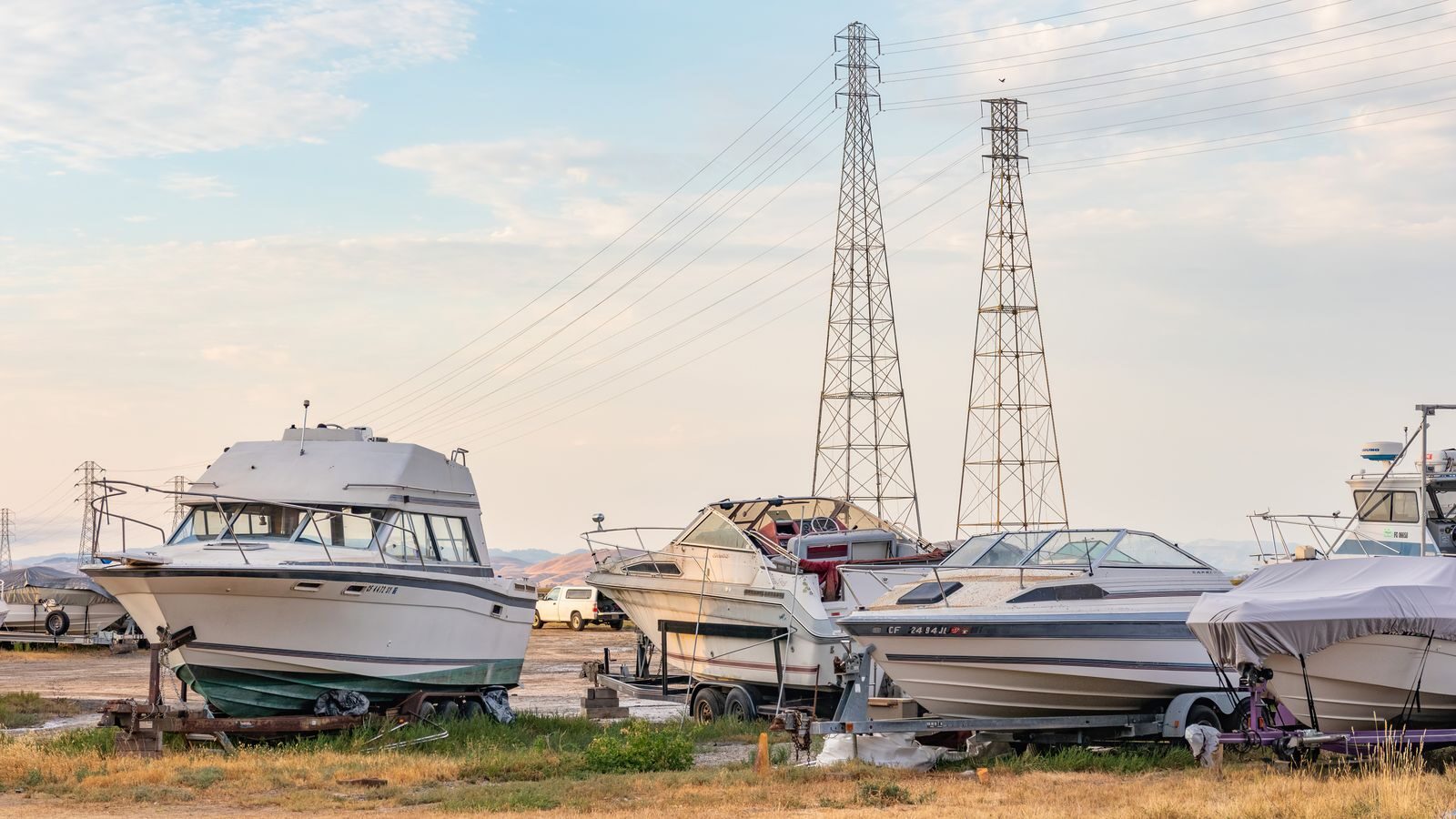
Unlike smaller boats built for day cruising only, cabin cruisers usually include sleeping quarters and basic amenities. Depending on the size, they may include a galley, bathroom, seating area, and enclosed cabin space.
Cabin cruisers are often used for:
- Overnight stays
- Weekend trips
- Leisure cruising
- Family boating
- Longer days on the water
- Comfortable recreational use
Because cabin cruisers are larger vessels, storage and transport become more important. You will need to think about marina space, winter storage, maintenance, and how the boat will be transported if purchased from a distant seller or moved between seasonal locations.
At Interstate Haulers, we regularly help owners move high-value boats with care, communication, and nationwide transport experience.
Motor Yachts and Yachts for Long Distance Cruising
Motor yachts and larger yachts are built for comfort, performance, and extended cruising.
These vessels may include multiple cabins, larger living spaces, advanced navigation systems, and powerful propulsion systems. They are often used for long-distance cruising, entertaining, travel, and luxury boating.
Yachts may be a fit for boaters who want:
- Long-distance cruising
- Overnight stays
- Comfortable living space
- High-end amenities
- Larger vessels
- Extended time on the water
Owning a yacht involves more planning than owning small boats. Maintenance, dockage, insurance, crew needs, transport, and operating costs can all be significant.
If you are purchasing a yacht or motor yacht that needs to be transported, it is important to work with a company experienced in oversized and high-value boat transport. These moves require planning, permits when needed, safety awareness, and clear communication.
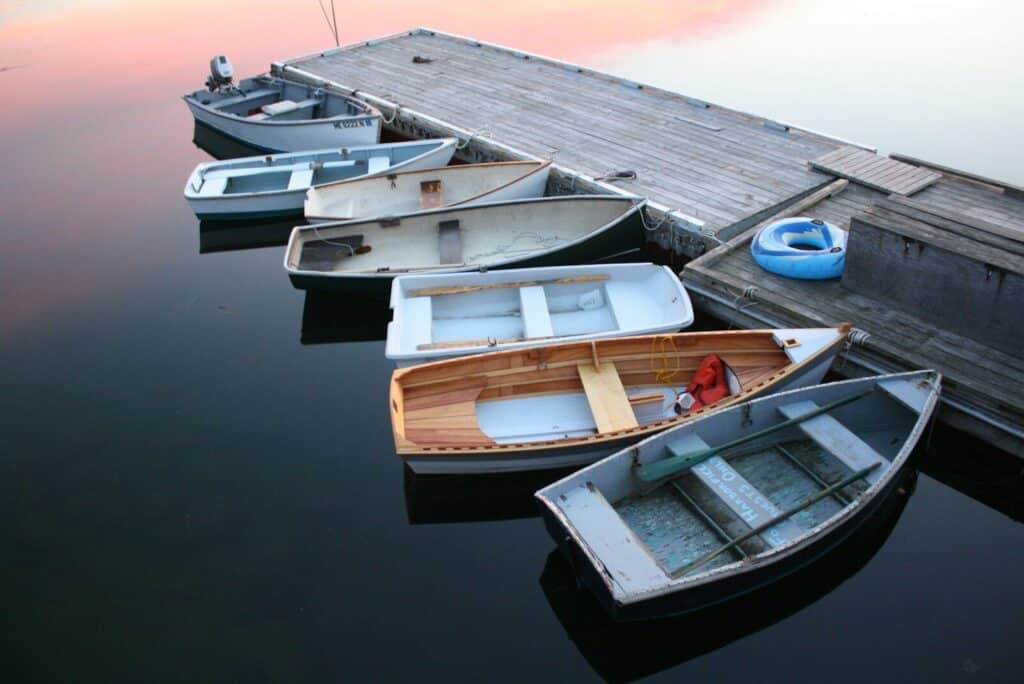
Photo by Nan Ingraham on Unsplash
Deck Boat for Space and Recreational Activities
A deck boat is designed to provide more seating and usable space than many traditional runabouts.
Deck boats are popular with families and recreational boaters because they can handle various activities. They often work well for day cruising, swimming, tubing, casual fishing, and spending time with friends on the water.
Deck boats are commonly used for:
- Family outings
- Day cruising
- Recreational activities
- Calm waters
- Inland lakes
- Light watersports
- Casual fishing
They offer more deck space than many bowriders, while still being more maneuverable than some larger boats.
If you want a boat that can do a little bit of everything, a deck boat may be worth a look.
Jet Boat for Speed and Shallow Draft
A jet boat uses jet propulsion rather than a traditional exposed propeller.
This can make jet boats appealing for shallow waters, rivers, and boaters who want quick acceleration. Because there is no exposed prop, some owners also like them for watersports and family recreation.
Jet boats are often used for:
- Watersport activities
- Rivers
- Inland waters
- Shallow draft boating
- Day cruising
- Recreational use
Jet boats can be fun, fast, and easily maneuverable, but they may handle differently from propeller-driven boats. Buyers should consider maintenance, fuel use, intended water conditions, and how comfortable they feel with jet propulsion.
Jet Skis and Personal Watercraft
Jet skis, also called personal watercraft, are smaller vessels designed for speed, agility, and fun.
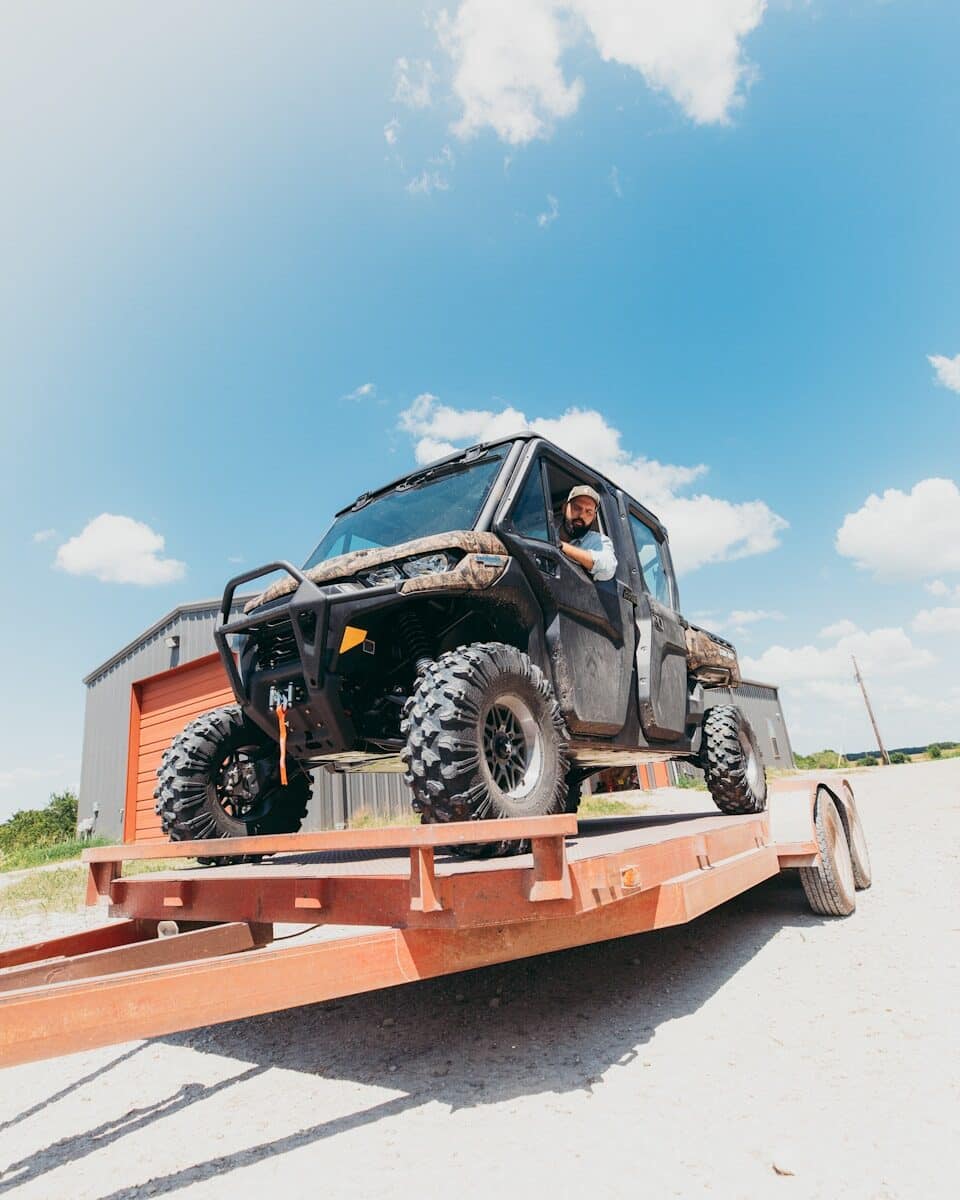
They are popular for recreational use, especially on lakes, rivers, and coastal areas. A personal watercraft can be easier to store and transport than larger boats, but it still requires proper handling, maintenance, and safe operation.
Jet skis are commonly used for:
- Quick recreational rides
- Lake fun
- Coastal recreation
- Short-distance water activities
- Riders who want speed and maneuverability
They are not designed for the same use as fishing boats, cabin cruisers, or pontoons. They are best for short, active outings rather than relaxing with a group or carrying gear.
For buyers, it is also important to think about trailer quality. Transport may seem simple because the vessel is smaller, but safe hauling still depends on proper loading and secure equipment.
Ski Boat and Wake Boats for Water Sports
A ski boat is designed for pulling water skiers, wakeboarders, and other watersport activities.
Wake boats are similar but often designed to create larger wakes for wakeboarding and wakesurfing. These boats typically offer strong engines, specialized hulls, ballast systems, and seating layouts for groups.
Ski boats and wake boats are ideal for:
- Water sports
- Wakeboarding
- Waterskiing
- Tubing
- Family recreation
- Inland lakes
- Active boaters
If watersports are your main goal, the hull design and wake features matter. A boat made for skiing may not create the same wake as a boat designed for wakesurfing.
These boats are usually trailered often, so buyers should consider the trailer, storage, towing vehicle, and long-distance transport needs before purchasing.
Offshore Fishing Boats for Serious Anglers
Offshore fishing boats are built for anglers who want to fish offshore in deeper water and more challenging conditions.
These boats are usually larger, stronger, and designed to handle rough water. Many have deep v hull designs, powerful motors, fuel capacity for longer runs, rod holders, live wells, electronics, and storage for serious fishing.
Offshore fishing boats are often used for:
- Saltwater fishing
- Sport fishing
- Deep water fishing
- Longer trips from shore
- Rough water conditions
- Serious recreational fishing
If you plan to fish offshore, you need a boat designed for safety, stability, and performance in changing conditions.
This is not the place to choose based on looks alone. Hull design, range, equipment, size, and seaworthiness all matter.
Inflatable Boats and Rigid Inflatable Boats
Inflatable boats and rigid inflatable boats are useful for many different types of boaters.
Inflatable boats are often lightweight, portable, and easier to store. Rigid inflatable boats, often called RIBs, combine inflatable tubes with a solid hull for better performance and durability.
These boats may be used as:
- Dinghies
- Tender boats
- Small recreational boats
- Support vessels
- Rescue or utility boats
- Boats for shallow waters
- Easily maneuverable vessels
Rigid inflatable boats are often valued for stability, buoyancy, and versatility. They can be useful for boaters with larger vessels who need a tender, as well as people who want a smaller boat for short trips.
Transport needs depend on size, trailer setup, and whether the boat is being moved alone or with other marine equipment.
Small Boats, Canoes, Dinghies, and Flat Bottom Boats
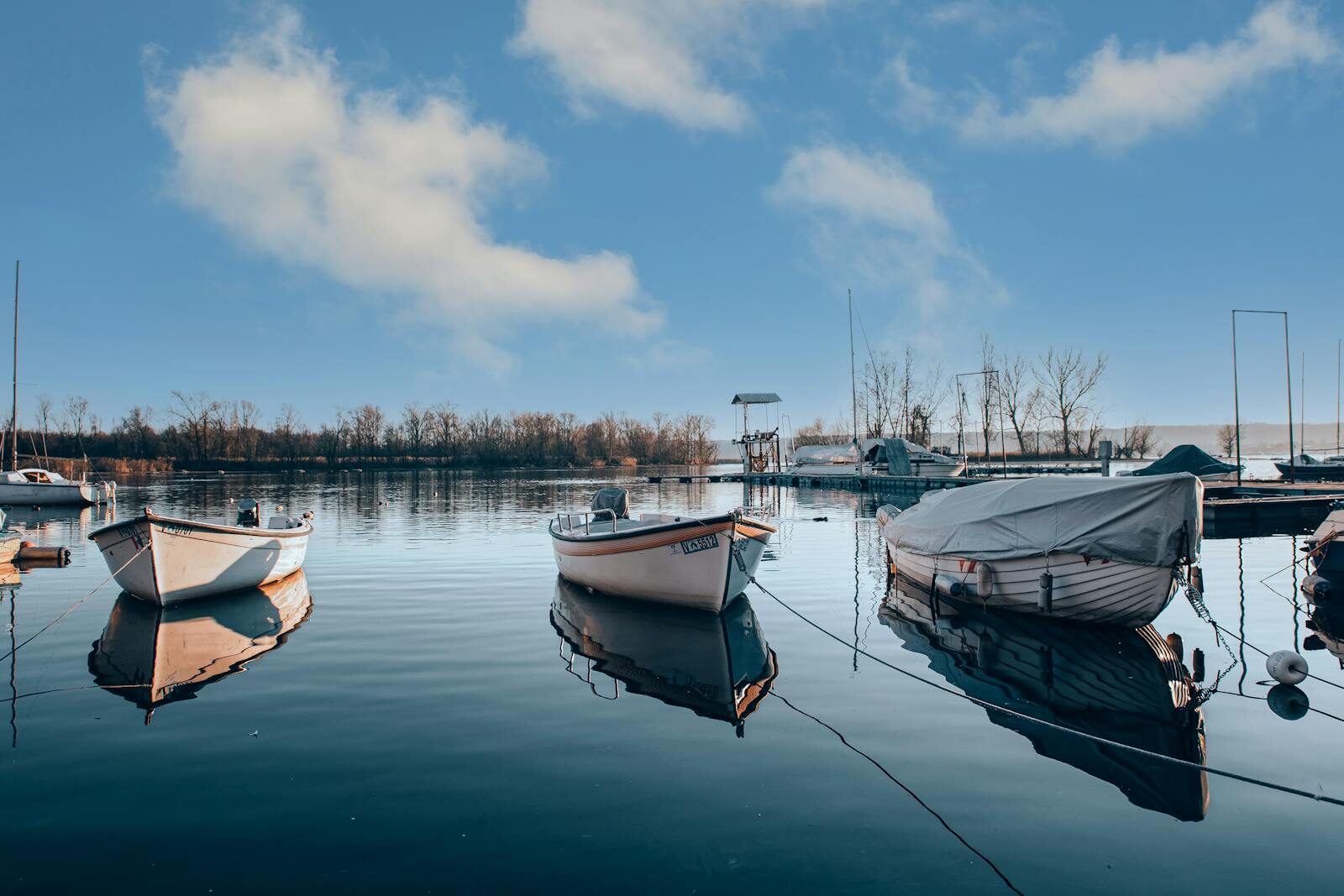
Small boats can be a great fit for buyers who want something simple, affordable, and easy to use.
This category can include canoes, dinghies, jon boats, flat-bottom boats, small fishing boats, and other lightweight vessels. Many are used on calm waters, inland lakes, rivers, ponds, and shallow waters.
Small boats may be good for:
- Simple recreation
- Freshwater fishing
- Calm waters
- Shallow areas
- Easy storage
- First-time boat owners
- Budget-conscious buyers
A flat-bottom boat can be useful in shallow or calm waters, but it may not perform well in rough water. Canoes are quiet and fuel-efficient because they rely on paddling rather than motors. Dinghies can be used as support boats for larger vessels.
Small boats can be easier to move, but buyers should still think about safe trailer setup and long-distance transport if purchasing from far away.
Sailboats and Trawlers
Sailboats and trawlers appeal to boaters who enjoy cruising, efficiency, and a slower pace on the water.
Sailboats rely primarily on wind propulsion, although many also have auxiliary engines. They are popular with boaters who enjoy sailing, skill-based navigation, and time on the water that feels quieter and more traditional.
Trawlers are often designed for fuel-efficient cruising and may be used for long-distance cruising, coastal travel, or extended stays. Many trawlers have displacement hulls, which are designed for efficient movement through the water rather than high-speed planning hulls.
These boats may be right for buyers who value:
- Cruising
- Efficiency
- Comfort
- Longer trips
- Slower-paced boating
- Overnight stays
- Time on the water rather than speed
Because sailboats and trawlers can vary greatly in size, transport requirements can be more complex. Larger vessels may require specialty hauling, route planning, permits, and experienced professionals.
Types of Boats for Freshwater Fishing
When comparing types of boats for freshwater fishing, the right choice depends on where and how you fish.
If you enjoy freshwater fishing on inland lakes, you may consider:
- Bass boats
- Jon boats
- Aluminum fishing boats
- Pontoon boats with fishing features
- Small center console boats
- Canoes or kayaks
- Deck boats for mixed family use
For anglers who want speed, casting decks, and fishing features, a bass boat may be ideal.
For families who want fishing and leisure cruising, a pontoon boat may work better.
For shallow waters, a flat-bottom boat may make sense.
For simple recreational fishing, small boats may be more cost-effective.
The perfect boat depends on how serious you are about fishing, how many people will come with you, where you plan to launch, and how much maintenance and storage you want to manage.
Types of Boats for Saltwater Fishing
Saltwater fishing often requires different considerations than freshwater fishing.
Saltwater can be harder on boats, motors, trailers, and hardware. Conditions can also change quickly, especially near shore or offshore.
For saltwater fishing, buyers often consider:
- Center console boats
- Bay boats
- Offshore fishing boats
- Sport fishing boats
- Larger console boats
- Motor yachts with fishing features
If you plan to stay closer to shore, bay boats may be enough.
If you plan to fish offshore, you may need a larger vessel with a deep v hull, stronger construction, greater fuel capacity, and safety features for rough water.
Saltwater fishing boats should be chosen carefully because the wrong boat can limit where you go and how safely you can operate.
How to Find the Perfect Boat for Your Lifestyle
The perfect boat is not the same for every owner.
For one person, the perfect boat is a pontoon for family-friendly weekends on the lake.
For another, it is a center console for saltwater fishing.
For another, it is a cabin cruiser with sleeping quarters for overnight stays.
For another, it is a ski boat for watersports.
Before buying a new boat, think about your real life, not just the picture in your head.
Ask yourself:
Will I use this boat mostly for fishing, cruising, watersports, or relaxing?
Will I be boating alone, with family, or with groups?
Will I use it in freshwater, saltwater, rivers, lakes, or offshore waters?
Do I need sleeping quarters?
Do I have a place to store it?
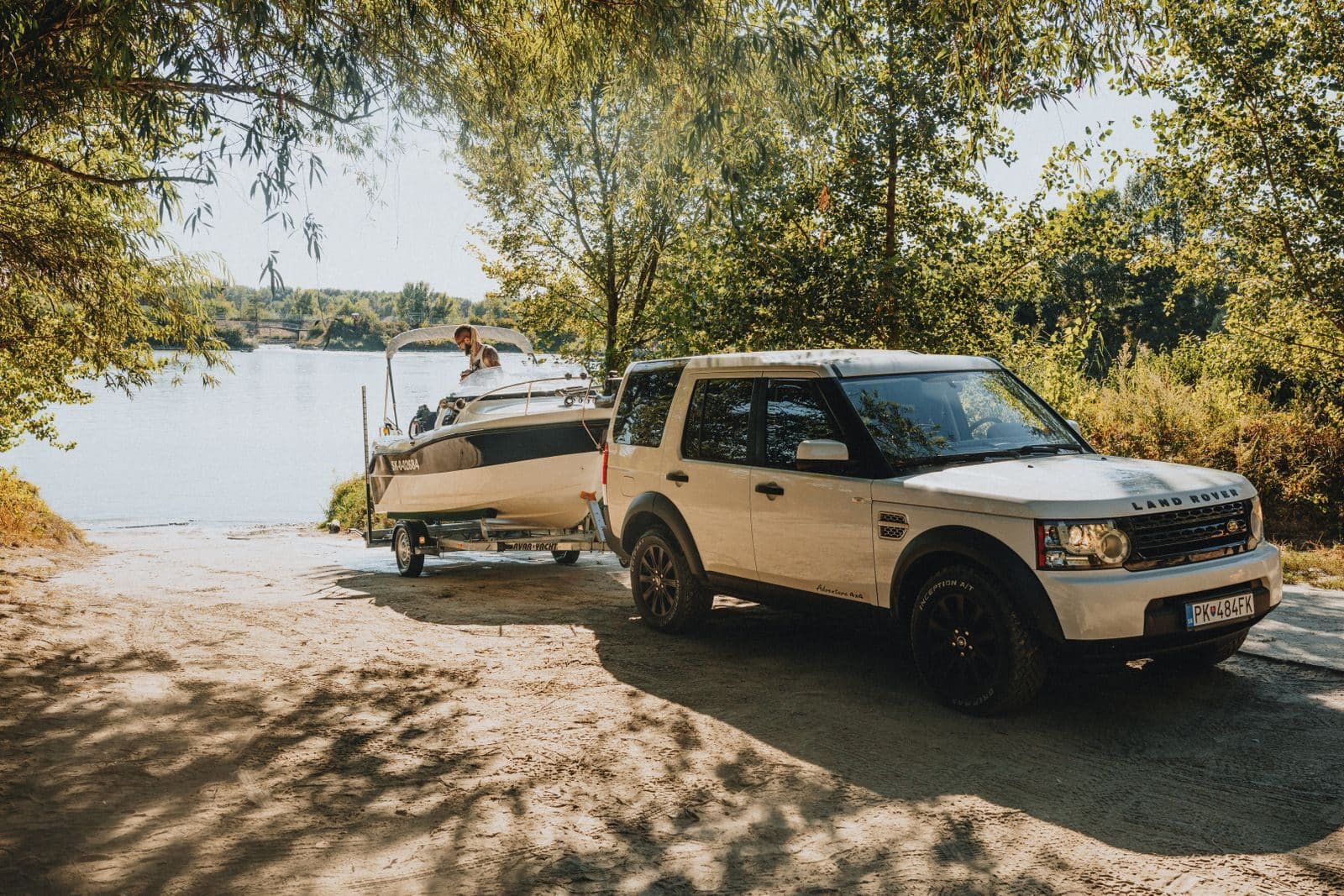
Can I trailer it myself?
Will I need professional boat transport?
How far will the boat need to move after purchase?
What maintenance costs should I expect?
A boat should match your lifestyle, not just your wish list.
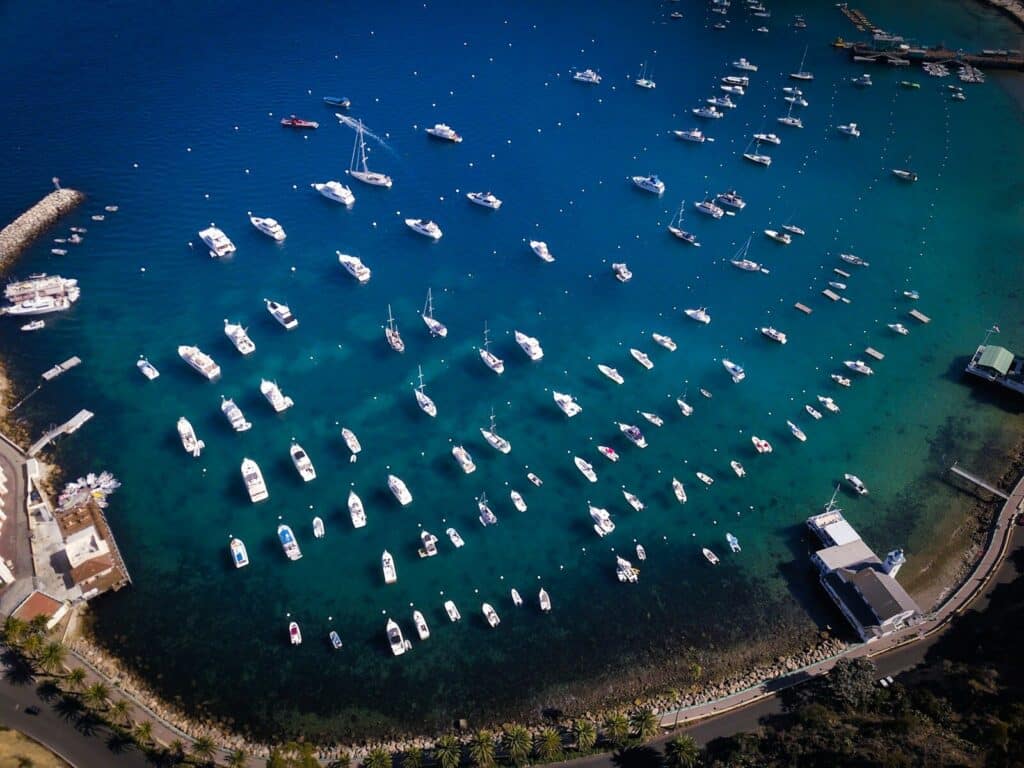
Photo by Taylor Wright on Unsplash
Practical Transport Questions Before You Buy
At Interstate Haulers, we see firsthand how important transport planning can be.
A buyer may find the right boat three states away, only to realize they are not sure how to get it home. A dealer may need multiple boats moved to customers. A seasonal owner may need a vessel transported before or after boating season. A manufacturer may need a trusted partner to move high-value assets safely.
Before buying, consider:
- Does the boat come with a trailer?
- Is the trailer roadworthy?
- Does the trailer match the boat?
- Are the tires, brakes, bearings, and lights in good condition?
- Is the boat oversized for standard transport?
- Will permits be needed?
- Is the pickup or delivery location accessible?
- Does the boat need special handling?
- Is the transport company experienced with boats?
We specialize in hauling boats with or without trailers, along with RVs, travel trailers, and industrial trailers across the continental United States. Since 1997, our family-owned company has built trust through safety, professionalism, FMCSA compliance, and clear communication.
When you are moving a boat, peace of mind matters.
Why Professional Boat Transport Matters
Boats are valuable.
They are also shaped differently from standard freight.
That means they need to be handled by people who understand specialty hauling. From small boats to larger vessels, transport requires careful loading, securement, route planning, and communication.
Professional boat transport can help with:
- Out-of-state purchases
- Seasonal relocations
- Dealer deliveries
- Manufacturer moves
- Boat shows
- Marina transfers
- Private owner relocations
- Boats with or without trailers
At Interstate Haulers, we are not just a freight company. We are trusted experts in moving oversized and high-value assets with care.
We know customers are trusting us with something important.
That is why we take the process seriously from quote to delivery.
Choosing the Right Boat Starts With Knowing Your Options
There are many different types of boats, and each one serves a different purpose.
Pontoon boats are great for relaxed family days.
Center console boats are versatile for fishing and cruising.
Bay boats are helpful for shallow saltwater fishing.
Cabin cruisers and motor yachts support overnight stays and long-distance cruising.
Jet skis offer speed and fun.
Ski boats and wake boats are built for water sports.
Inflatable boats, canoes, dinghies, and small boats can be simple and practical.
Offshore fishing boats are designed for serious anglers and rougher waters.
The best choice depends on your lifestyle, budget, storage, intended use, and transport needs.
Once you find the right boat, Interstate Haulers can help you get it where it needs to go safely and professionally.
Request a quote today and let our family-owned team help move your boat with confidence.