
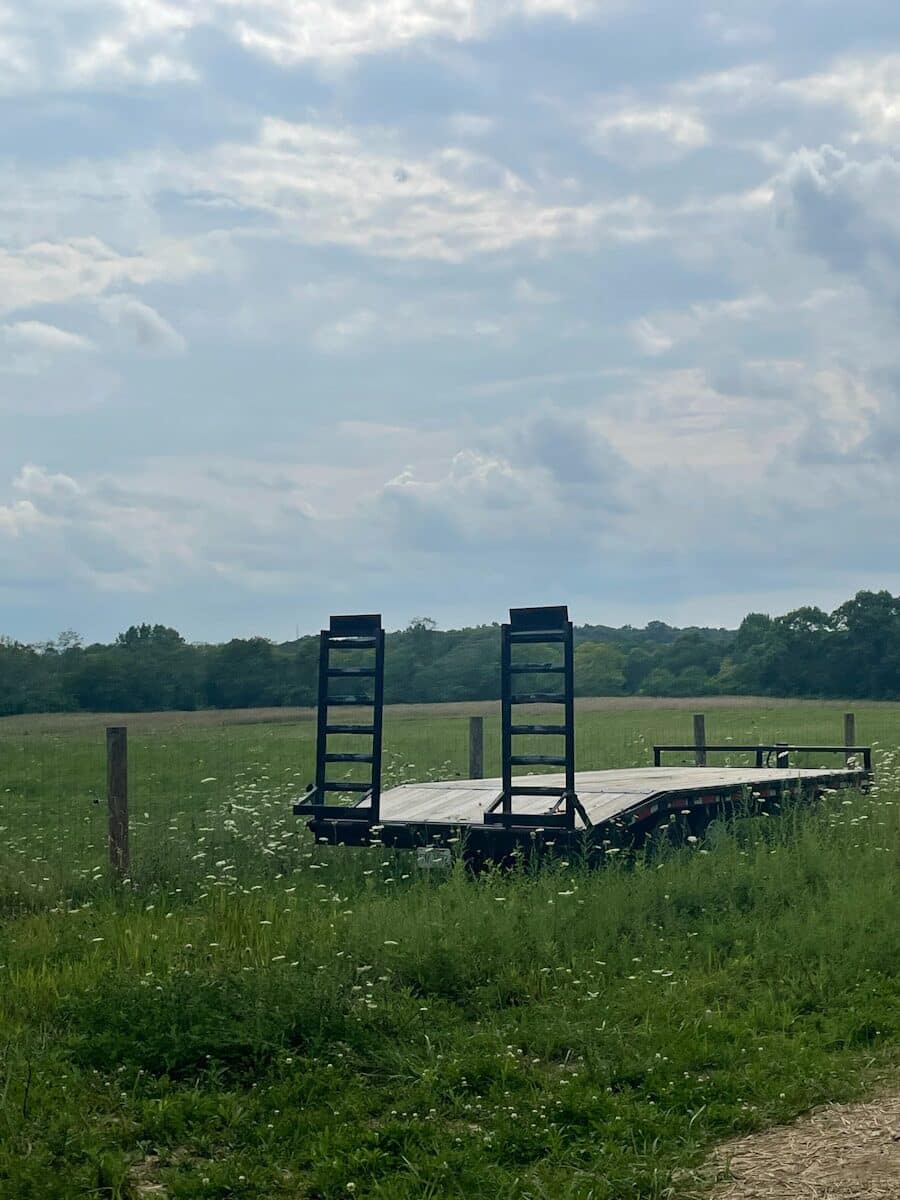
Flatbed trailers are among the most versatile transportation options available today. They handle everything from standard vehicles to heavy machinery, making them essential tools for thousands of industries. Their open design provides superior loading flexibility, allowing you to transport oversized freight and large materials that will not fit inside a standard enclosed space. Choosing the right trailer ultimately depends on exactly what you need to haul, how often you plan to use it, and the towing vehicle you operate. Your cargo weight dictates the required axle strength, while your long-term business or personal needs determine the ideal deck width and construction materials. Making an informed decision ensures you operate safely on the road while maximizing the lifespan of your investment. At Interstate Haulers, we understand the specific demands of specialty transportation. As a family-owned company founded in 1997, we possess nearly 30 years of experience transporting RVs, boats, industrial trailers, and specialty cargo across the continental United States. We see firsthand how matching the right trailer to the job prevents costly delays and safety hazards. This guide will walk you through exactly what to look for before selecting your next flatbed trailer. You will learn how to evaluate weight capacities, compare hitch types, and choose the features that make loading and unloading as safe and efficient as possible. Photo by Zanelle Lofty-Eaton on Unsplash A flatbed trailer features an open, flat deck without walls or a roof. This design allows operators to load cargo from the rear, the sides, or even from above using a crane. Because the deck remains completely unrestricted, flatbed trailers provide unparalleled loading flexibility. These units are commonly used for transporting a wide variety of items, including: Because the deck is completely open, you can secure unusually shaped cargo with greater ease. Unlike enclosed trailers that restrict your cargo dimensions, a flatbed trailer accommodates loads that hang slightly off the edges, provided you follow local width regulations and secure the items properly. The best flatbed trailer always depends directly on the type of cargo you plan to move. You must match the trailer specifications to the physical realities of your freight. For example, moving construction equipment requires high weight capacities and reinforced ramps. Transporting vehicles and utilizing car haulers necessitates specific tie-down points, wheel chocks, and smooth loading angles to prevent bumper damage. Moving pallets of material requires a flat, even deck with accessible side rails for forklift loading. If you routinely transport heavy machinery or oversized freight, your cargo size, overall weight, width, and loading methods will dictate every aspect of the trailer you choose. Business equipment and farm or landscape equipment often require different tie-down configurations, meaning your daily cargo must remain your primary focus when reviewing your options. Understanding weight terminology is the most critical step in finding the right trailer. Purchasing a unit that cannot safely handle your cargo creates immediate safety risks, extra maintenance costs, and unnecessary operational hassle on the road. Here is a simple breakdown of these essential weight terms: Heavy loads require the right trailer specs, exceptionally strong axles, and a proper towing setup. If you attempt to haul 12,000 pounds of machinery on a trailer with a 10,000-pound GVWR, you risk catastrophic axle failure, blown tires, and severe legal liability. Always choose a flatbed that offers a payload capacity slightly higher than your heaviest anticipated load. Flatbed trailers come in many different sizes, widths, and deck lengths. Finding the correct dimensions requires balancing your cargo needs with your operational limits. The right size depends heavily on: Bigger is not always better. A massive 40-foot trailer might seem like a great long-term investment, but it will be incredibly difficult to navigate through tight city streets or residential neighborhoods. The trailer should fit the job without exceeding what you can safely tow, park, or operate. Consider the width carefully; a deck width of 102 inches provides maximum floor space, but a slightly narrower 96-inch deck often provides better visibility in your side mirrors. Photo by Forest Plum on Unsplash The connection between your truck and your trailer dramatically affects your towing experience. Buyers generally choose between two primary hitch styles based on their cargo weight and vehicle setup. Bumper pull flatbed trailers connect to a standard ball hitch attached to the rear frame of your towing vehicle. This makes them an incredibly common choice for lighter cargo, smaller vehicles, and everyday personal or small business use. They offer simple attachment and detachment, making them highly user-friendly for first-time owners. Depending on your vehicle and hauling needs, a bumper pull trailer may be significantly easier to use. They also keep your truck bed completely open for additional cargo. However, according to trailer manufacturing standards, bumper pulls are generally limited to lighter loads and can be more susceptible to sway at high speeds. Gooseneck trailers utilize a specialized hitch system installed directly inside the bed of a truck, positioned slightly forward of the rear axle. This design shifts the tongue weight over the truck’s rear axle rather than hanging it off the back bumper. Gooseneck trailers are specifically designed for heavier loads. They offer vastly superior stability, much larger payload options, and increased maneuverability. Because the pivot point sits over the axle, drivers experience a tighter turning radius and less sway on the highway. If you plan to haul heavy equipment, dense machinery, or high-value business cargo, gooseneck trailers provide the confidence and capacity required for the job. Tandem axle trailers feature two distinct axles placed close together, offering four wheels on the ground instead of two. This setup drastically changes how the unit handles the demands of the road. Tandem axle flatbed trailers are often better for: The axle setup makes a massive difference in how the trailer handles. Tandem axles distribute the load weight more evenly, reducing the strain on individual tires and bearings. Furthermore, if you suffer a blowout on a tandem axle trailer, the second tire on that side will often support the load long enough for you to safely pull onto the shoulder. The actual process of loading and unloading your cargo should play a major part in your buying decision. A trailer might possess excellent weight ratings, but if you cannot safely get your equipment onto the deck, the unit holds little value. Helpful features to look for include: These features tie directly to safety and convenience, especially when hauling vehicles, unpredictable equipment, or awkward machinery. A drop deck trailer (sometimes called a step deck) features a main deck that sits significantly lower to the ground than a standard flatbed. This specialized design solves several specific hauling challenges. Drop deck trailers may be highly helpful for: By lowering the deck height, you drop the center of gravity. This makes the entire load pull smoother and corners with much greater stability. When inspecting a trailer, pay close attention to several key construction factors: The cheapest trailer available may not always represent the best overall value. If the frame bends or the wiring fails constantly, an inexpensive unit will not handle the job safely or reliably. The towing vehicle matters just as much as the trailer itself. You cannot safely pull a 20,000-pound gooseneck trailer with a standard half-ton pickup truck. Customers must carefully evaluate: Matching your equipment properly ensures road safety and keeps you compliant with state and local regulations. Price certainly matters, but customers should evaluate the long-term value of the unit before finalizing a sale. A well-built trailer easily saves money over time if it performs reliably and consistently reduces your business downtime. When evaluating the cost, look closely at: If you run a daily transport business, spending extra money on a premium brand with heavy-duty components pays off quickly. If you only haul a tractor twice a year, a mid-range unit might fit your needs perfectly. Before you contact a dealer or browse a website’s inventory, run through this simple checklist to clarify your exact needs: Answering these questions ensures you choose a unit designed explicitly for your hauling profile. Once you finish browsing the market and finally purchase your ideal flatbed trailer, you may need a reliable company to transport it safely to your location. Buying a trailer out of state often requires specialized logistics to bring it home safely. Interstate Haulers has been family-owned and operated since 1997. We specialize in hauling trailers, RVs, boats, travel trailers, and industrial trailers across the continental United States. We serve individual owners, equipment dealers, major manufacturers, business enterprises, and government agencies with equal dedication. Our professional services offer: We remove the hassle from logistics. Our team coordinates every detail, ensuring your new unit arrives in perfect condition and ready for work. If you are buying a flatbed trailer, moving one for your business, or need reliable transport for oversized freight, Interstate Haulers is ready to assist you. Our proven safety record and personalized care make all the difference when moving your assets. Contact us today to request a quick quote and get your trailer where it needs to go safely and efficiently. Prices vary widely based on size, axles, and materials. A basic single-axle bumper pull utility trailer might cost between $2,000 and $4,000. Heavy-duty tandem axle gooseneck trailers designed for heavy machinery generally range from $8,000 to over $20,000. You need a Commercial Driver’s License (CDL) if you operate the vehicle for commerce and the combined Gross Vehicle Weight Rating (GVWR) of your truck and trailer exceeds 26,000 pounds, provided the trailer’s GVWR is over 10,000 pounds. Personal, non-commercial use generally exempts you from federal CDL requirements, though local state laws vary. A beavertail deck slopes downward at the very rear of the trailer, typically for the last two to five feet. This slope creates a significantly lower loading angle, which is essential for loading vehicles or equipment with low ground clearance. A straight deck remains perfectly flat from front to back, which is better for stacking pallets or hauling long, rigid materials. Choose an aluminum trailer if resisting rust and maximizing your payload capacity matter more than the initial purchase price. Aluminum weighs significantly less than steel, allowing you to carry heavier cargo without exceeding your vehicle’s tow rating. However, steel trailers are generally more affordable and offer superior impact resistance for heavy-duty construction use.
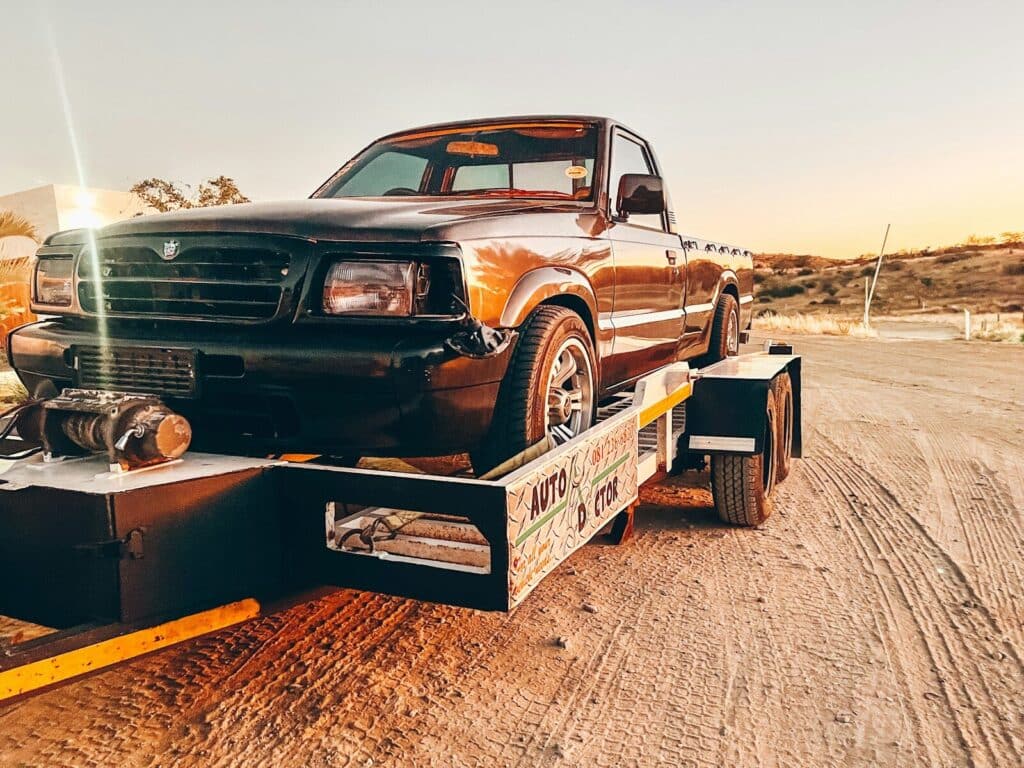
What Exactly Is a Flatbed Trailer Used For?
How Does Your Cargo Dictate the Right Flatbed Trailer?
What Do Payload, GVWR, and Axle Capacity Mean for Buyers?
How Do You Choose the Right Trailer Size and Deck Width?
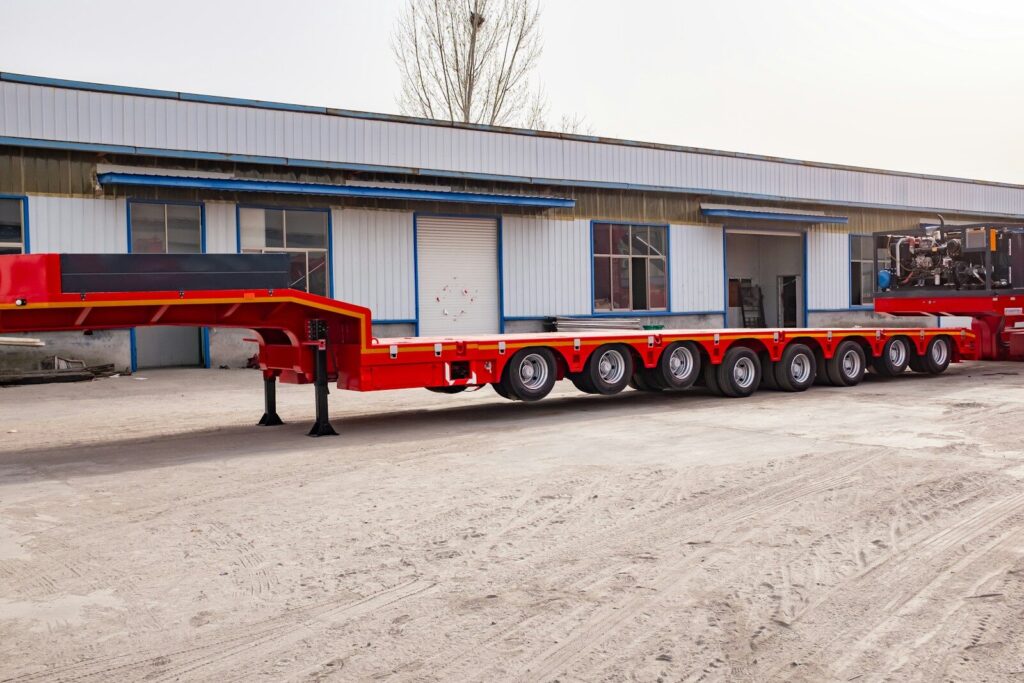
Should You Choose a Bumper Pull or a Gooseneck Trailer?
When Is a Bumper Pull Trailer the Best Option?
Why Do Heavy Loads Require Gooseneck Trailers?
Why Are Tandem Axle Flatbed Trailers Better for Heavy Loads?
Which Loading and Unloading Features Matter Most?
When Should You Consider Buying a Drop Deck Trailer?
How Do You Evaluate Durability and Build Quality?
How Do You Match a Flatbed Trailer to Your Towing Vehicle?
How Do You Evaluate Price, Financing, and Long-Term Value?
What Questions Should You Ask Before Buying a Flatbed Trailer?
Need Help Transporting a Flatbed Trailer?

Contact Interstate Haulers For Flatbed Trailer Transport
Frequently Asked Questions
How Much Does a Standard Flatbed Trailer Cost?
Do I Need a CDL to Pull a Flatbed Trailer?
What Is the Difference Between a Beavertail and a Standard Straight Deck?
Why Should I Choose an Aluminum Trailer Over a Steel Trailer?

Disaster Relief: How Trailer Transportation Supports Emergency Operations
Disaster relief depends on specialized trailer transportation to deliver temporary housing, sanitation units, mobile command centers, and utility equipment to affected communities. Government agencies, relief organizations, and specialty carriers like Interstate...