An enclosed trailer is a fully covered hauling unit that provides secure, weather-resistant storage and transport for valuable cargo, tools, and ATVs. By shielding items from theft and road debris, enclosed cargo trailers extend the lifespan of your materials while offering a customizable, versatile mobile workspace for businesses and hobbyists.
Finding the right hauling solution requires balancing flexibility with reliability. Enclosed trailers stand out as one of the most versatile hauling options available on the market today. Because they feature a solid roof and walls, these units provide an essential barrier between your valuable cargo and the outside world.
Business owners, construction workers on job sites, and weekend hobbyists all face unique transportation challenges. You might need to haul heavy equipment to a commercial build, transport ATVs to a remote trail, or simply secure extra business inventory overnight. An enclosed trailer solves these problems by offering robust protection, easy access, and unmatched flexibility for nearly any application.
At Interstate Haulers, we understand the distinct value of reliable trailers. Since 1997, our family-owned transportation company has specialized in safely transporting boats, RVs, travel trailers, cargo trailers, and other high-value assets across the continental United States. We see firsthand how having the right trailer setup prevents damage and improves operational efficiency.
This guide will cover 15 practical reasons to consider owning an enclosed trailer, helping you understand how this specific investment can protect your assets, streamline your workflow, and provide lasting value.
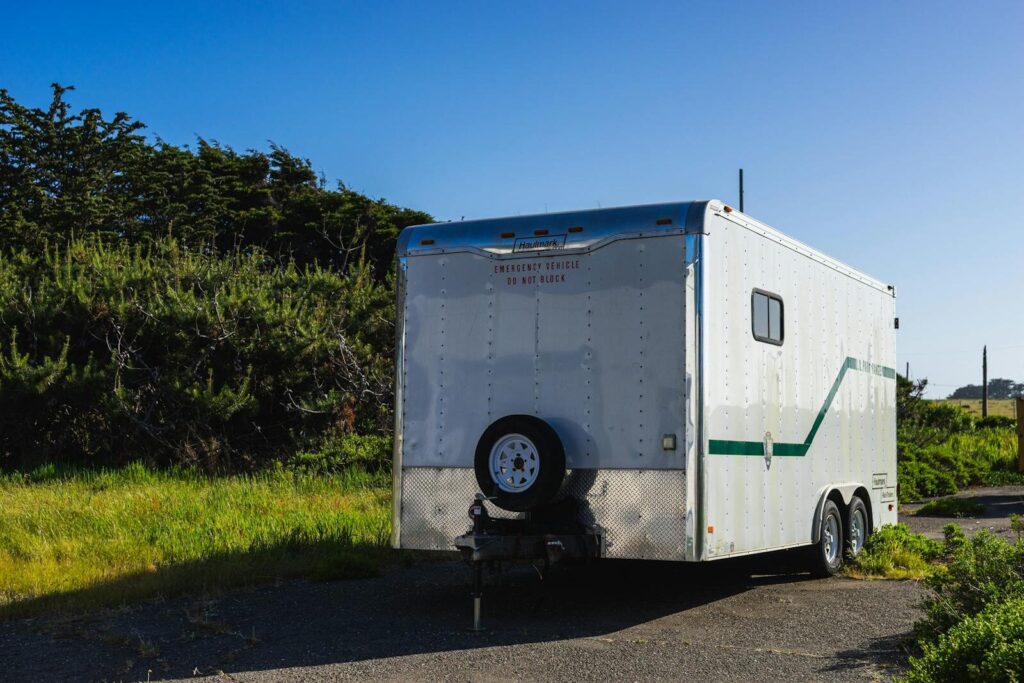
What Exactly Is an Enclosed Cargo Trailer?
An enclosed trailer is a fully covered towable vehicle designed specifically to protect cargo from weather conditions, road debris, theft, and prolonged sun exposure. Unlike open flatbeds, enclosed cargo trailers create a sealed environment that functions as a mobile storage unit or workspace.
These units come in a wide variety of sizes, layouts, and feature packages. Buyers can choose single-axle models for lighter loads or heavy-duty tandem-axle setups for commercial hauling. Depending on the configuration, enclosed trailers consistently haul:
- Construction tools
- Heavy equipment
- Building materials
- ATVs and recreational vehicles
- Motorcycles
- Retail business inventory
- Event supplies
- Furniture and household goods
- Seasonal items
- Valuable or sensitive cargo
What Are the Top 15 Reasons to Own an Enclosed Trailer?
1. How Does an Enclosed Trailer Protect Your Cargo From Weather?
An enclosed trailer keeps cargo entirely protected from rain, heavy snow, high wind, and harsh sun. Water damage and rust can quickly destroy expensive machinery or retail stock.
This sealed environment is especially helpful when hauling electrical tools, specialized equipment, inventory, or sensitive building materials that absolutely need to stay dry and secure during transit.
2. Why Does an Enclosed Cargo Trailer Give You Better Security?
Security remains a top priority for anyone transporting valuable goods. Enclosed cargo trailers provide significantly more security than open trailers because the cargo remains completely hidden from public view. Owners can lock the side access doors and rear ramp doors securely.
This hidden, locked setup is ideal for contractors, mobile business owners, and anyone hauling high-value items that might attract theft if left exposed in a standard truck bed.
3. How Does an Enclosed Trailer Make Heavy-Duty Hauling Easier?
Heavy-duty hauling requires a stable, strong foundation. Enclosed trailers support heavy payloads effortlessly when properly equipped with reinforced floor structures and tandem axles.
The right trailer setup helps professionals haul heavy equipment, bulk supplies, industrial tools, and dense materials safely. The rigid walls also prevent heavy items from shifting off the side of the trailer during tight turns.
4. Why Do Enclosed Trailers Work Well for Job Site Use?
Contractors and tradespeople frequently use an enclosed trailer as a dedicated mobile job site storage solution. Instead of unloading tools into a temporary shed every evening, crews can leave materials locked inside the unit.
You can equip the interior with overhead cabinets, heavy-duty shelving, and custom access points, ensuring workers have immediate access to supplies the moment they arrive at the job site.
5. How Can You Keep Tools and Equipment Organized Inside?
Organization directly impacts productivity. Enclosed trailers can be built or highly customized with specialized racks, peg hooks, tool chests, and durable floor options.
Establishing a dedicated place for every single tool keeps the workspace clean. Better organization helps workers save time looking for gear and significantly reduces the stress of lost or damaged equipment.
6. Can an Enclosed Trailer Be Used for Business Inventory?
Small business owners often lack the capital for large warehouse spaces. They can seamlessly use enclosed trailers to store and move business inventory.
This strategy applies directly to weekend event vendors, mobile service providers, landscapers, residential contractors, and delivery-based businesses. Keeping stock ready to go inside a secure trailer eliminates the need to load and unload products daily.
7. Why Is an Enclosed Trailer a Versatile Choice for Personal Use?
An enclosed trailer is not just for commercial businesses. Private individuals regularly use them for moving furniture, securing seasonal storage, pursuing hobbies, hauling travel gear, transporting sports equipment, and protecting large household items during renovations.
It serves as a personal, towable garage that adapts to whatever immediate needs arise.
8. Is an Enclosed Trailer Ideal for Hauling ATVs and Equipment?
Outdoor enthusiasts find that enclosed trailers are incredibly useful for hauling ATVs, dirt bikes, motorcycles, and bulky camping gear. The enclosed design keeps recreational cargo protected from road grime, rocks, and bad weather while on the road.
You arrive at the trailhead with your ATVs clean and fully ready for performance, rather than covered in highway dirt.
9. How Does an Enclosed Trailer Offer Better Protection During Long-Distance Travel?
When cargo has to travel long distances, an enclosed trailer adds crucial protection and aerodynamic stability. An enclosed shell prevents wind from battering fragile items over hundreds of miles.
Interstate Haulers understands this dynamic perfectly, drawing on nearly 30 years of experience with nationwide transport. We know that shielding valuable assets across the continental United States dramatically reduces the risk of in-transit damage.
10. Can a Custom Enclosed Trailer Add Professionalism to Your Business?
A clean, enclosed trailer instantly creates a more professional appearance for contractors, mobile service providers, vendors, and delivery businesses. Many owners intentionally choose crisp white trailers or apply custom-branded trailer wraps to create a polished, corporate look.
This mobile billboard advertises your services effectively while projecting a highly organized, committed business image to potential clients.
11. How Does an Enclosed Trailer Give You Flexible Storage Space?
Space is a premium commodity. An enclosed trailer can easily serve as extra storage at a residential home, at a retail business location, or parked directly on a long-term job site.
It helps keep necessary items ready, fully accessible, and protected from the elements without requiring a permanent building permit or paying monthly storage facility rental fees.
12. What Enclosed Cargo Trailer Sizes and Options Are Available?
Enclosed cargo trailers are available in many different sizes, floor plans, and specialized feature packages. Buyers can choose basic 5×8 single-axle units for light weekend hauling or massive 8×24 tandem-axle haulers for commercial operations.
You can select specific options based on what you need to haul, how often you travel, and what type of door access or loading setup you prefer.
13. How Does an Enclosed Trailer Help Protect Materials and Equipment Value?
Prolonged exposure to rain and sun degrades machinery fast. Protecting cargo inside an enclosed space helps extend the physical life of tools, raw materials, heavy equipment, and retail inventory.
Consequently, enclosed trailers consistently rank as one of the best value investments for people who regularly haul valuable items, as the trailer pays for itself by preventing expensive equipment replacement.
14. What Features Make Loading and Unloading More Convenient?
Modern trailers incorporate specific features that make loading significantly easier. Drop-down rear ramp doors allow you to roll heavy equipment directly onto the smooth floor.
Side access doors let you grab a single tool without opening the entire back end. Flush-mounted D-ring tie-downs and organized access points ensure that your everyday use remains highly efficient and physically safe.
15. Why Is an Enclosed Trailer Useful for Both Work and Everyday Life?
An enclosed trailer remains intensely practical precisely because it can seamlessly meet many different functional needs over its lifespan.
A unit purchased initially for business use can easily pivot to handle personal moving tasks, secure household storage, long-distance travel, and delicate equipment protection. This inherent versatility makes it an ideal choice for anyone needing a reliable hauling asset.
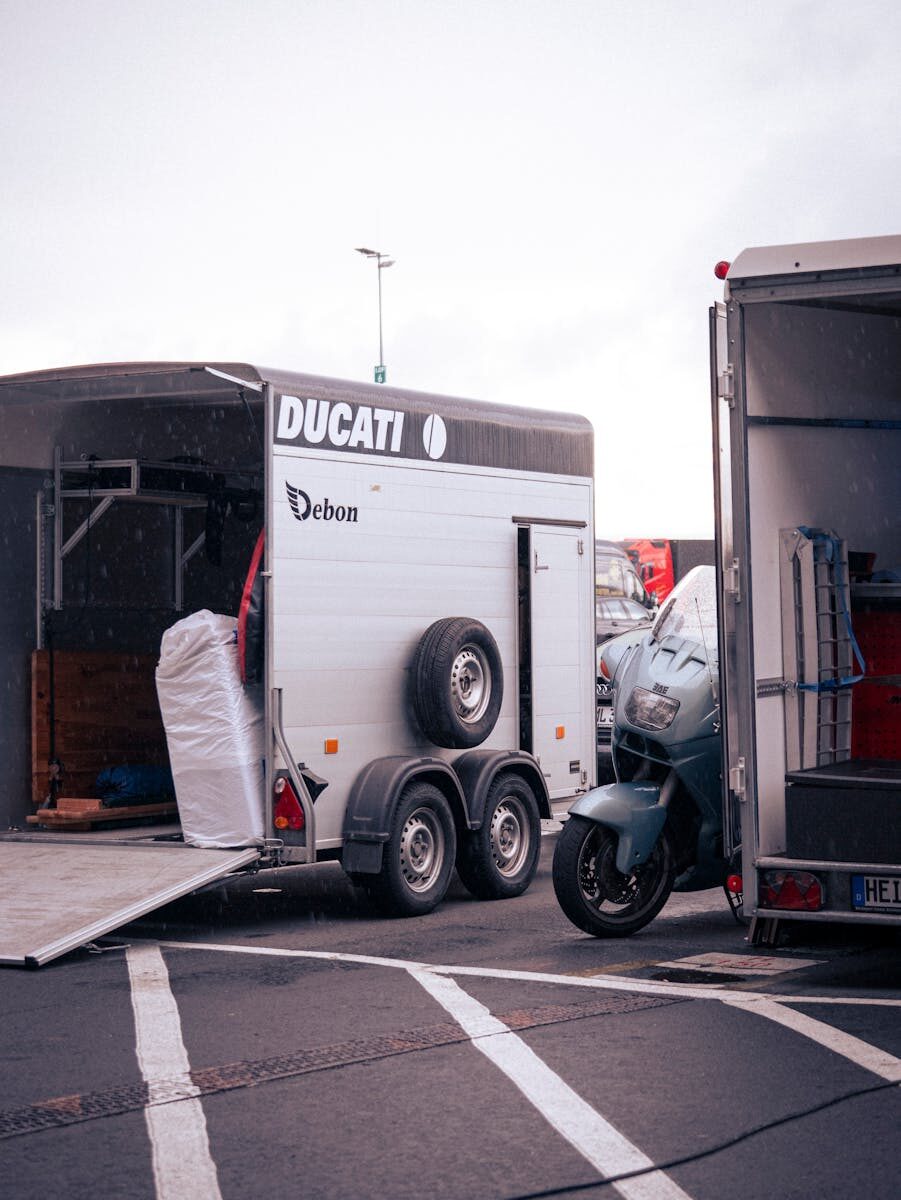
What Should You Look for When Buying an Enclosed Trailer?
Before buying an enclosed trailer, you need to clearly identify what you need it to do. The right trailer should match your hauling needs, whether you are moving tools to a job site, transporting ATVs, carrying business equipment, or looking for a versatile cargo trailer for everyday use.
As you browse an enclosed trailer sale page, take time to review each listing, photo, and description before you click for more details. Pay close attention to the exact word or phrase used in the listing, because terms like “heavy-duty,” “contractor-grade,” or “ATV-ready” may mean different things depending on the trailer dealer or manufacturer.
Here are the main things to look for:
Trailer Size and Dimensions
Make sure the interior height, width, and length can fit your tallest and widest equipment. Enclosed cargo trailers come in a variety of sizes, so choose one that gives you enough room for your cargo without making the trailer harder to tow than necessary.
Cargo Weight Capacity
Check the trailer’s weight rating, axle strength, and suspension system to ensure it can safely haul your heaviest loads. If you need the trailer for heavy-duty hauling, make sure it is equipped for the job before buying.
Floor Strength
The floor should be strong enough for the equipment, tools, or cargo you plan to load. If you are hauling machinery, motorcycles, landscaping equipment, or ATVs, reinforced flooring may be the best choice.
Loading Access
Think about how you will load and unload the trailer. A ramp door is ideal for wheeled equipment, while barn doors may work better for forklift access or tight job site spaces. Smooth loading access can make the trailer easier and safer to use.
Interior Features and Storage Options
Look for helpful features like E-track systems, tie-down points, lighting, shelving, and overhead cabinets. These options help keep your tools and cargo organized, especially if you use your enclosed cargo trailer for work.
Stability on the Road
A trailer’s shape, weight distribution, and build quality can affect stability on the road. V-nose trailers may offer smoother towing, while flat-front trailers can provide more interior space. Choose the design that best fits your hauling needs.
Materials and Build Quality
Review the frame, walls, roof, ramp, hinges, and hardware. Aluminum trailers are lightweight and rust-resistant, while steel trailers are often built for strength and value. The right materials can improve long-term performance and help create a better overall towing experience.
New vs. Used Inventory
When reviewing trailer inventory, compare both new and used options. A new trailer may offer warranty coverage, updated features, and a ready-to-use condition. A used trailer may offer a lower price, but you should inspect the floor, frame, tires, doors, and overall condition carefully.
Online Search and Listing Details
If you are unable to find key specs on the website page, such as axle rating, floor thickness, ramp capacity, or interior dimensions, contact the seller before buying. This can help resolve confusion and ensure the trailer is truly built for your needs.
You may also notice that certain search tools, filters, buttons, or listing features trigger different results. For example, using a certain word in the search bar or taking several actions, such as selecting trailer size, cargo capacity, and door style, may narrow the available inventory.
If a search you performed triggered the wrong results, try changing the phrase, refreshing the page, or contacting the dealer directly.
Long-Term Performance and Overall Value
The best enclosed trailer is not always the cheapest one. Look at long-term performance, expected maintenance, resale value, and how well the trailer is built for your specific cargo. A well-equipped enclosed cargo trailer can protect your equipment, improve efficiency, and give you the best value over time.
Do You Need Help Transporting an Enclosed Trailer?
Once you buy an enclosed trailer, you may need professional help getting it delivered safely to your home, dealership, or job site. Interstate Haulers is a family-owned transportation company founded in 1997 with a deep commitment to safe logistics.
For nearly three decades, we have specialized in hauling trailers, RVs, boats, travel trailers, and cargo trailers across the continental United States.
We offer comprehensive nationwide coverage backed by highly experienced trailer hauling professionals. Our drivers maintain a proven safety record and strict FMCSA compliance, ensuring your asset arrives in perfect condition.
We pride ourselves on transparent communication and a hassle-free quoting process, delivering reliable service for individual owners, established dealers, equipment manufacturers, and government businesses alike.
How Can You Contact Interstate Haulers for Enclosed Trailer Transport?
If you are currently buying an enclosed trailer, moving one to a new location, or simply need highly reliable trailer transport services, Interstate Haulers is ready to help you execute the move perfectly.
Contact our team today to request a quote and find the right hauling solution to meet your specific needs. Visit our website, submit an email inquiry, or call us directly to secure trusted, family-owned transportation for your next haul.

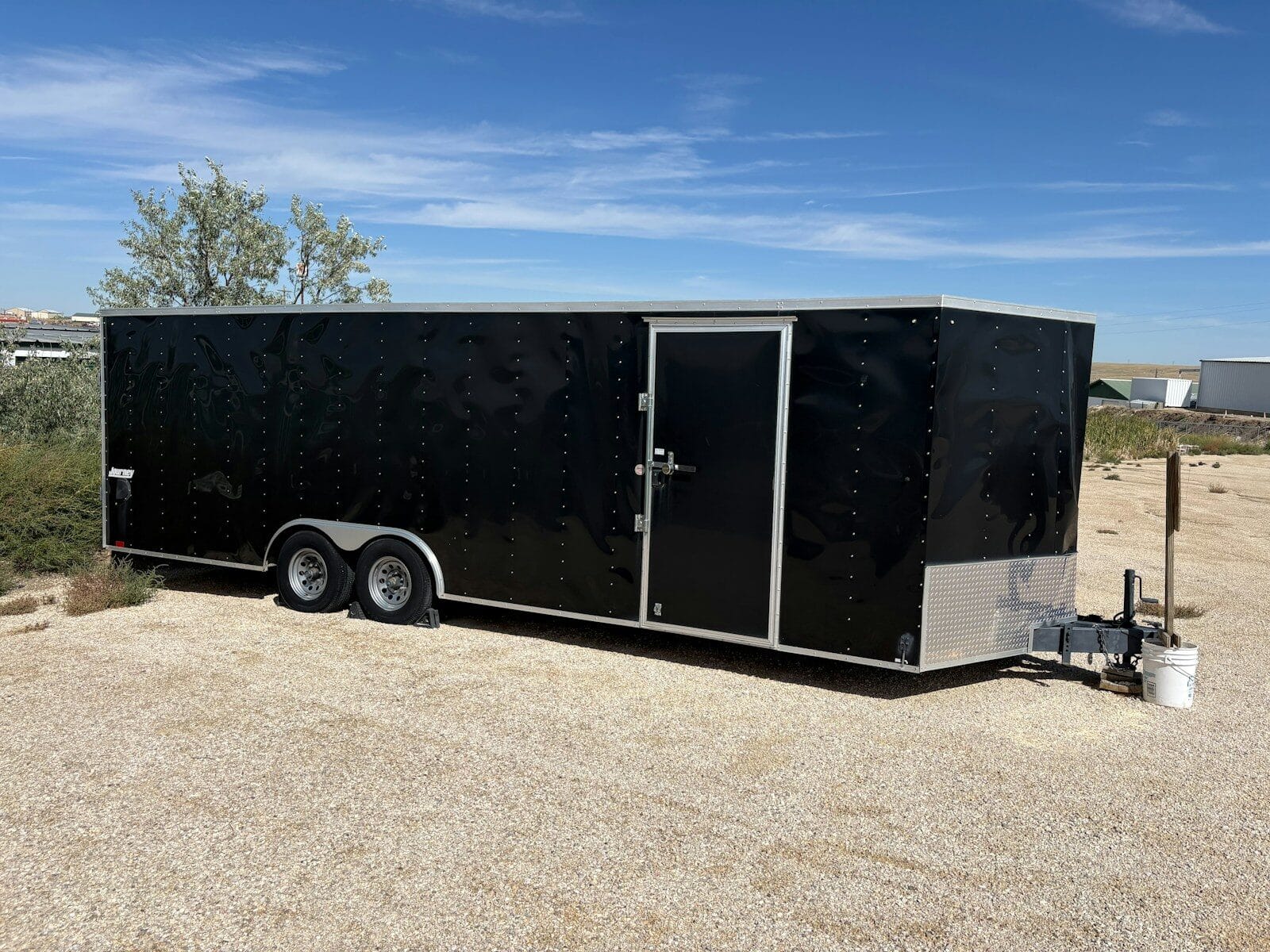
Photo by Laurin Steffens on Unsplash
Frequently Asked Questions
How Much Weight Can a Standard Enclosed Trailer Haul?
Weight capacity depends entirely on the trailer’s axles. A single-axle enclosed trailer typically hauls between 2,000 and 3,000 pounds, while a tandem-axle trailer can haul between 5,000 and 10,000 pounds. Always check the specific Gross Vehicle Weight Rating (GVWR) listed on the manufacturer’s plate before loading equipment.
Are Aluminum Enclosed Trailers Better Than Steel Enclosed Trailers?
Choose aluminum enclosed trailers if fuel efficiency and rust resistance matter more than initial purchase cost, as they are lighter and hold up better in wet climates. Choose steel enclosed trailers if you need maximum structural durability for heavy-duty commercial hauling and want a lower upfront price.
How Long Does It Take Interstate Haulers to Transport an Enclosed Trailer?
Transport timelines vary based on the pickup and delivery locations. Generally, nationwide transit across the continental United States takes between 5 and 14 days from the time of dispatch. Interstate Haulers provides specific delivery estimates during our transparent quoting process based on current route availability and weather conditions.
Can I Haul an Enclosed Trailer With an SUV?
Yes, many mid-size and full-size SUVs can easily haul smaller 5×8 or 6×10 single-axle enclosed trailers. However, you must accurately verify your specific vehicle’s towing capacity and hitch rating against the trailer’s fully loaded weight to ensure safe stability on the road.