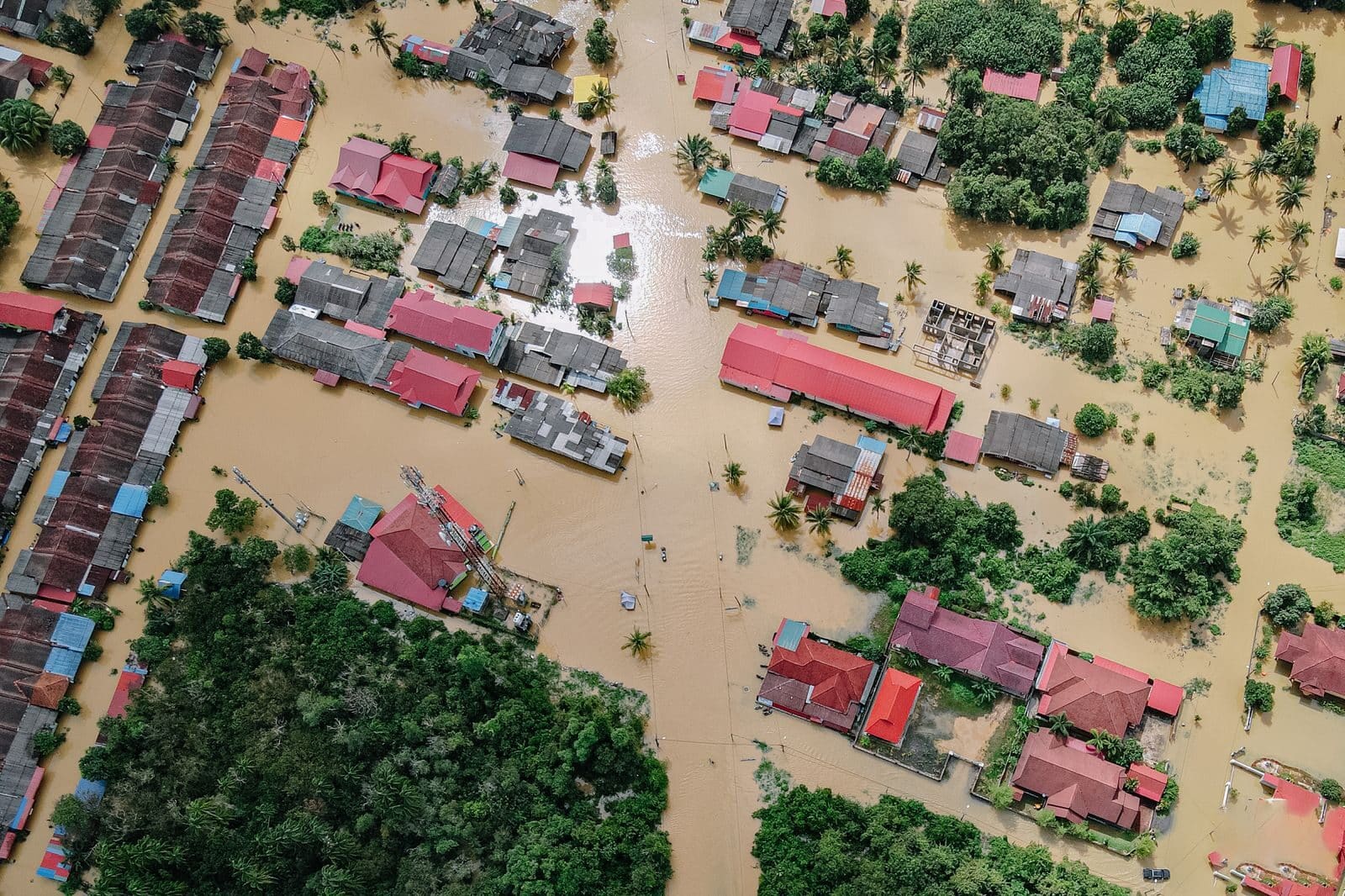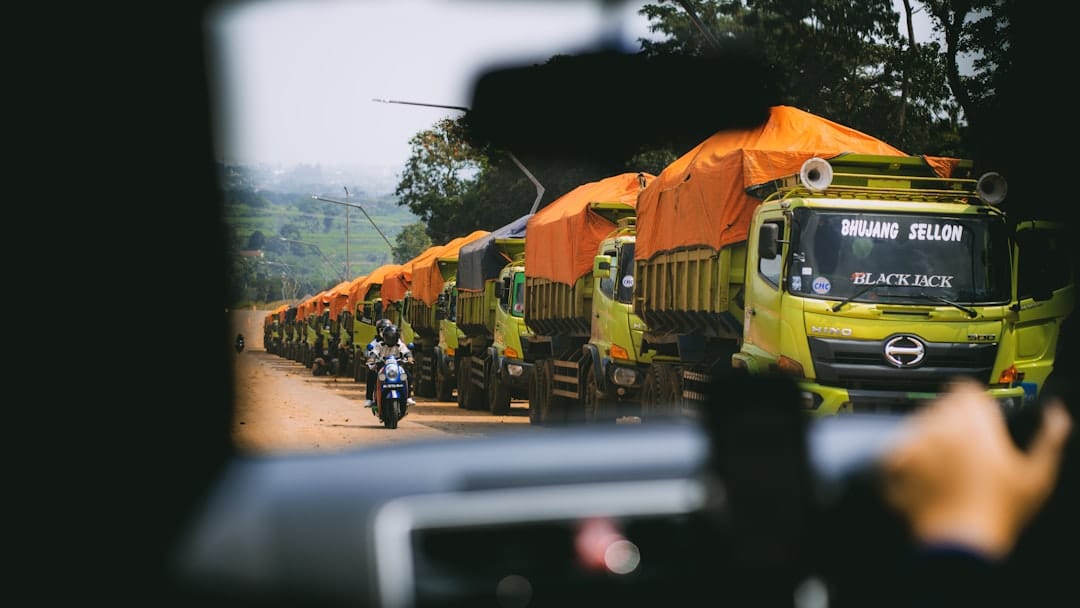
Disaster relief depends on specialized trailer transportation to deliver temporary housing, sanitation units, mobile command centers, and utility equipment to affected communities. Government agencies, relief organizations, and specialty carriers like Interstate Haulers coordinate this logistics network so that emergency responders can shelter survivors, restore power, and rebuild infrastructure quickly after hurricanes, tornadoes, floods, and wildfires.
When a hurricane flattens a coastline or a wildfire displaces an entire town, the images that dominate the news are usually rescue boats, National Guard convoys, and volunteers handing out water bottles. What rarely makes the headlines is the fleet of trucks moving temporary housing units, restroom trailers, and mobile command centers into position before any of that visible relief work can even begin.
Disaster relief is a logistics problem as much as it is a humanitarian one. Communities can have funding approved, volunteers ready, and supplies stockpiled, but none of it matters if the physical infrastructure needed to support a response can’t get to where it’s needed. That’s where specialized trailer transportation comes in.
This guide breaks down how disaster relief actually works, from the four phases of emergency management to the government programs that help survivors recover, and explains why the transportation piece is often the difference between a fast recovery and a stalled one. Interstate Haulers, a family-owned specialty transportation company operating since 1997, brings nearly three decades of experience moving the trailers and equipment that keep emergency response operations moving forward.
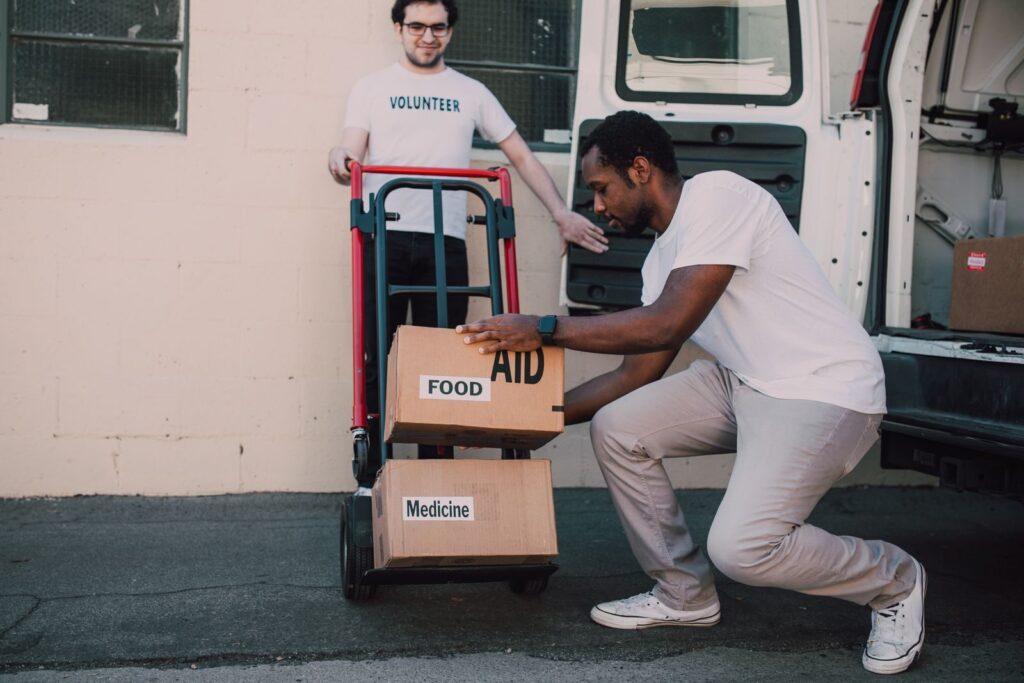
Photo by RDNE Stock project on Pexels
What Is Disaster Relief?
Disaster relief refers to the immediate and short-term support provided to communities affected by natural disasters or man-made disasters, including emergency shelter, food, water, medical care, and essential supplies. It’s distinct from disaster recovery, which covers the longer-term work of rebuilding homes, restoring infrastructure, and helping local economies stabilize.
Coordinated disaster relief matters because a slow or disorganized response can create secondary disasters. Without clean water and functioning sanitation, disease can spread through a shelter population. Without stable temporary housing, families displaced by a hurricane may struggle to keep children in school or hold onto jobs, which stalls the local economy exactly when it needs momentum most.
This is why proactive planning, well before a disaster ever strikes, plays such a central role in emergency management. State and local governments, FEMA, and local community organizations all work from established frameworks that break the work into four distinct phases.
Ready.gov offers practical guidance for individuals and organizations building emergency preparedness plans and communication strategies.
The Four Phases of Disaster Relief
Emergency management professionals organize disaster relief work into four phases. Each one requires different resources, different partners, and often, different transportation needs.

Disaster Preparedness
Preparedness covers everything that happens before a disaster strikes: emergency planning, community training, equipment staging, and transportation planning. Sourcing equipment and carriers locally when possible can improve response times and reduce costs, but for major disasters, communities need transportation partners who can mobilize quickly from anywhere in the country.
Disaster Response
The response phase focuses on saving lives and stabilizing the immediate situation. Search and rescue, medical triage, food and water distribution, and shelter all fall under this phase, along with the deployment of mobile infrastructure like command centers and restroom facilities. Data-driven tools are increasingly helping emergency managers make faster, better-informed decisions about where to send limited resources.
Disaster Recovery
Recovery is the longer arc of rebuilding: restoring infrastructure, helping families secure housing assistance, and getting local businesses back open. Programs like FEMA’s Individual Assistance support survivors directly during this phase, while communities work toward some sense of normalcy.
Disaster Mitigation
Mitigation is about building back stronger. This phase focuses on reducing the risk of future damage through improved infrastructure standards, better building codes, and long-term resilience planning that protects communities the next time disaster strikes.
The National Institute of Building Sciences publishes research on building resilient communities that can withstand future disasters.
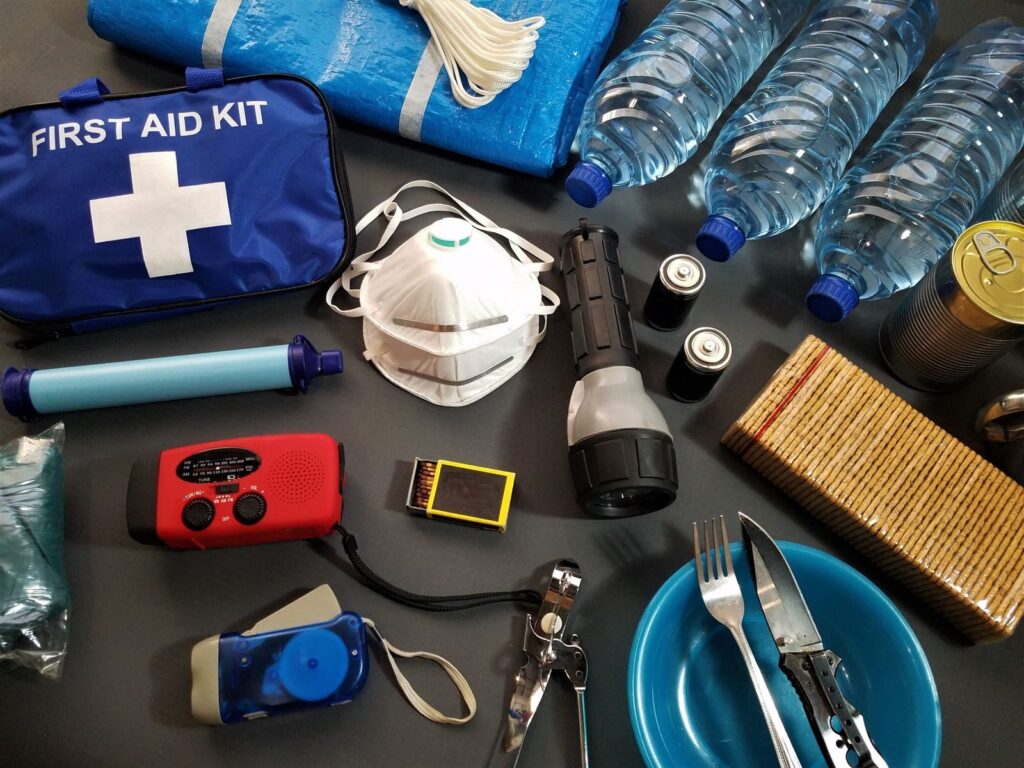
Photo by Roger Brown on Pexels
Why Trailer Transportation Is Essential When Disaster Strikes
Trailers essentially become temporary infrastructure during a disaster response. When permanent buildings are damaged, destroyed, or inaccessible, specialized trailers fill the gap. Here’s how different trailer types support relief efforts.
Temporary Housing Trailers
Families displaced by a hurricane or wildfire need a secure place to stay while their homes are repaired or rebuilt. Temporary housing trailers, including FEMA trailers, provide that shelter until longer-term housing assistance is in place.
Bunkhouse Trailers
Emergency workers, utility crews, and FEMA personnel often need to stay near a disaster zone for days or weeks at a time. Bunkhouse trailers give these teams a place to rest between shifts without adding strain to already-limited local lodging.
Restroom and Shower Trailers
Sanitation becomes a public health priority almost immediately after a disaster. Restroom and shower trailers support emergency shelters and staging areas, helping prevent the spread of illness among survivors and responders alike.
Mobile Office Trailers
Disaster case management, government coordination, and insurance processing all require office space. Mobile office trailers let agencies set up shop directly in affected areas instead of routing survivors to distant facilities.
Mobile Command Centers
Incident command and emergency communications depend on a central hub. Mobile command centers give emergency managers a coordinated space to direct resources and communicate across agencies in real time.
Utility and Industrial Trailers
Power and water restoration crews rely on utility and industrial trailers to transport generators, heavy equipment, and specialized response gear to the areas that need them most.
Medical and Specialty Units
Temporary clinics and mobile medical facilities provide emergency treatment when hospitals are damaged or overwhelmed, often serving as a critical bridge until permanent medical infrastructure is restored.
Moving all of these specialized units safely and on tight timelines requires carriers who understand the unique demands of emergency transport, which is exactly the kind of work Interstate Haulers has built its reputation on.
Supporting Disaster Survivors Beyond Emergency Response
Trailers and infrastructure solve part of the equation, but disaster relief also depends heavily on the organizations providing direct support to survivors. Food, water, medical care, household items, and mental health support all play a role in helping people get through the hardest days of a disaster.
The American Red Cross operates emergency shelters and helps reconnect families separated during a disaster. According to the Red Cross, the organization responds to an emergency somewhere in the country every eight minutes, and officials state that approximately 91 cents of every dollar the organization spends goes directly to disaster services.
The Salvation Army plays a similarly critical role, and importantly, provides disaster relief regardless of whether a presidential disaster declaration has been issued. In 2025 alone, the organization responded to 972 disasters and supported 216,194 survivors and first responders nationwide.
Voluntary agencies coordinated through networks like National VOAD add another layer of support, often providing food, shelter, and case management in partnership with government agencies and local organizations.
National Voluntary Organizations Active in Disaster (NVOAD) coordinates the efforts of numerous relief organizations, contributing an estimated $1.3 billion in donated labor to response and recovery efforts in 2019 alone.
Photo by Andy Feliciotti on Unsplash
FEMA Disaster Assistance Explained
Federal disaster assistance from FEMA is a major recovery resource for individuals and communities, but it comes with specific eligibility requirements.
Federal Disaster Assistance
To qualify for FEMA financial assistance, a disaster must fall under a presidential disaster declaration or major disaster declaration. Not every disaster reaches this threshold, so it’s worth checking FEMA’s current declarations before assuming eligibility.
Individual Assistance
FEMA’s Individual Assistance program supports disaster survivors directly, covering things like temporary housing, home repairs, medical expenses, and personal property losses.
Public Assistance
Public Assistance supports state and local governments and certain private nonprofits by funding emergency work and the repair or replacement of disaster-damaged public facilities.
How FEMA Assistance Works
FEMA (Federal Emergency Management Agency) offers four ways to apply for assistance: online at DisasterAssistance.gov, through the FEMA mobile app, by phone at 1-800-621-3362, or in person at a Disaster Recovery Center. Depending on eligibility, individuals, households, and businesses may qualify for grants, loans, or other forms of emergency assistance.
DisasterAssistance.gov is the official portal for applying to FEMA programs and finding local resources like open shelters and Disaster Recovery Centers.
Tax Relief Following Federally Declared Disasters
Financial recovery after a disaster isn’t limited to FEMA grants. The IRS also provides tax relief for individuals and businesses affected by federally declared disasters, including filing extensions, penalty relief, expedited refunds, and casualty loss deductions.
To qualify, taxpayers generally need to be located in an area covered by a federal disaster declaration. Under Public Law 119-29, the IRS can also postpone federal tax deadlines for taxpayers affected by a qualified state-declared disaster, upon written request from the state’s governor. The IRS provides disaster loss workbooks to help individuals and businesses document their losses for insurance and casualty loss claims.
The IRS Disaster Assistance page outlines current tax relief provisions and eligibility requirements for federally declared disasters.
Why Safe Transportation Matters During Emergency Response
Fast deployment doesn’t help anyone if the equipment doesn’t arrive safely or on schedule. Emergency transportation requires careful route planning, especially for oversized loads that may need specialized permits. Secure loading procedures, experienced drivers, and strict FMCSA compliance all reduce the risk of delays that could stall an already time-sensitive response.
Disaster zones add another layer of complexity. Roads may be damaged or underwater, cell towers can be down for weeks, and fuel stations often close. Delivery priorities can shift mid-route as conditions change on the ground. Carriers who can coordinate closely with government agencies, adjust plans on the fly, and maintain nationwide logistics capacity are essential to keeping mobile command centers, restroom trailers, housing units, and utility trailers moving where they’re needed.
How Interstate Haulers Supports Disaster Relief Across the Country
Interstate Haulers has spent nearly three decades building the kind of specialized expertise disaster response demands. Founded in 1997 as a family-owned company, Interstate Haulers transports industrial and specialty trailers nationwide, supporting FEMA response efforts, public utilities, government agencies, municipalities, and emergency contractors.
That experience translates into a few things that matter most during a disaster: personalized communication so agencies always know where their equipment stands, transparent quotes with no surprises, reliable scheduling even when timelines shift, and safe delivery backed by FMCSA compliance. Whether it’s a restroom trailer headed to a shelter site or a utility trailer needed for power restoration, Interstate Haulers understands what’s at stake when a community is waiting on that delivery.
If your organization needs a transportation partner for emergency response, government hauling, or nationwide specialty trailer transport, request a quote from Interstate Haulers and put nearly 30 years of experience to work for your next deployment.
Frequently Asked Questions
What is considered disaster relief?
Disaster relief includes the emergency response and short-term recovery efforts that follow a natural or man-made disaster. This covers temporary infrastructure, shelter, food, medical care, and community support services provided in the days and weeks immediately following a disaster.
What are the best disaster relief organizations?
Well-known disaster relief organizations include the American Red Cross, the Salvation Army, and FEMA, along with coordinating networks like National VOAD. Local emergency management agencies and specialized transportation partners also play essential supporting roles in disaster response.
How do you get disaster assistance from FEMA?
To qualify for FEMA assistance, you generally need to live in an area covered by a presidential disaster declaration. You can apply online at DisasterAssistance.gov, through the FEMA mobile app, by phone at 1-800-621-3362, or in person at a Disaster Recovery Center.
What disaster relief assistance is available for Tennessee residents?
Available assistance depends on whether a presidential disaster declaration has been issued for the affected area. Tennessee residents should check current programs directly through FEMA and the Tennessee Emergency Management Authority rather than relying on outdated information, since disaster declarations and assistance programs change frequently.
The Tennessee Emergency Management Authority (TEMA) provides current information on active disasters, shelter locations, and available assistance programs for Tennessee residents. For tips and safety instructions and information, visit the National Weather Service Safety page as it provides guidance on staying safe before, during, and after severe weather events.
Photo by OpenClipart-Vectors on Pixabay
Final Thoughts
Disaster relief succeeds or fails based on preparation and logistics as much as it does on the number of volunteers or the size of a relief budget. Temporary housing, sanitation, mobile command centers, and utility equipment all have to reach the right place at the right time, and that depends on a transportation network capable of adapting to unpredictable, high-pressure conditions.
Building back stronger starts long before a disaster strikes, with the relationships and logistics plans that let communities respond quickly when it matters most. Interstate Haulers provides dependable, nationwide transportation for emergency trailers, utility equipment, housing units, mobile command centers, and other specialized disaster response equipment.