A jon boat is a flat-bottomed, lightweight aluminum boat built for fishing, duck hunting, and shallow-water trips. Before buying, weigh size, water conditions, comfort, materials, and price—then plan transport. Interstate Haulers can deliver your jon boat safely across the continental United States.
A jon boat is one of the most practical, versatile, and affordable boats you can buy for summer fishing, duck hunting, shallow water trips, and backwater adventures. With a flat hull, lightweight design, and simple layout, jon boats are built for outdoor enthusiasts who want easy access to rivers, creeks, marshes, small lakes, and secluded fishing spots.
At Interstate Haulers, we have been transporting boats, RVs, travel trailers, and industrial trailers across the continental United States since 1997. We understand that buying the right boat is only part of the process. Once you find the right jon boat, you also need a safe and reliable way to get it home.
This guide walks you through what to know about jon boats before you buy—from sizing and materials to inspections—and explains why transport planning matters once you’ve made your purchase. By the end, you’ll know how to choose the right boat and how to move it with confidence.
What Is a Jon Boat?
A Simple, Durable Boat Built for Shallow Water
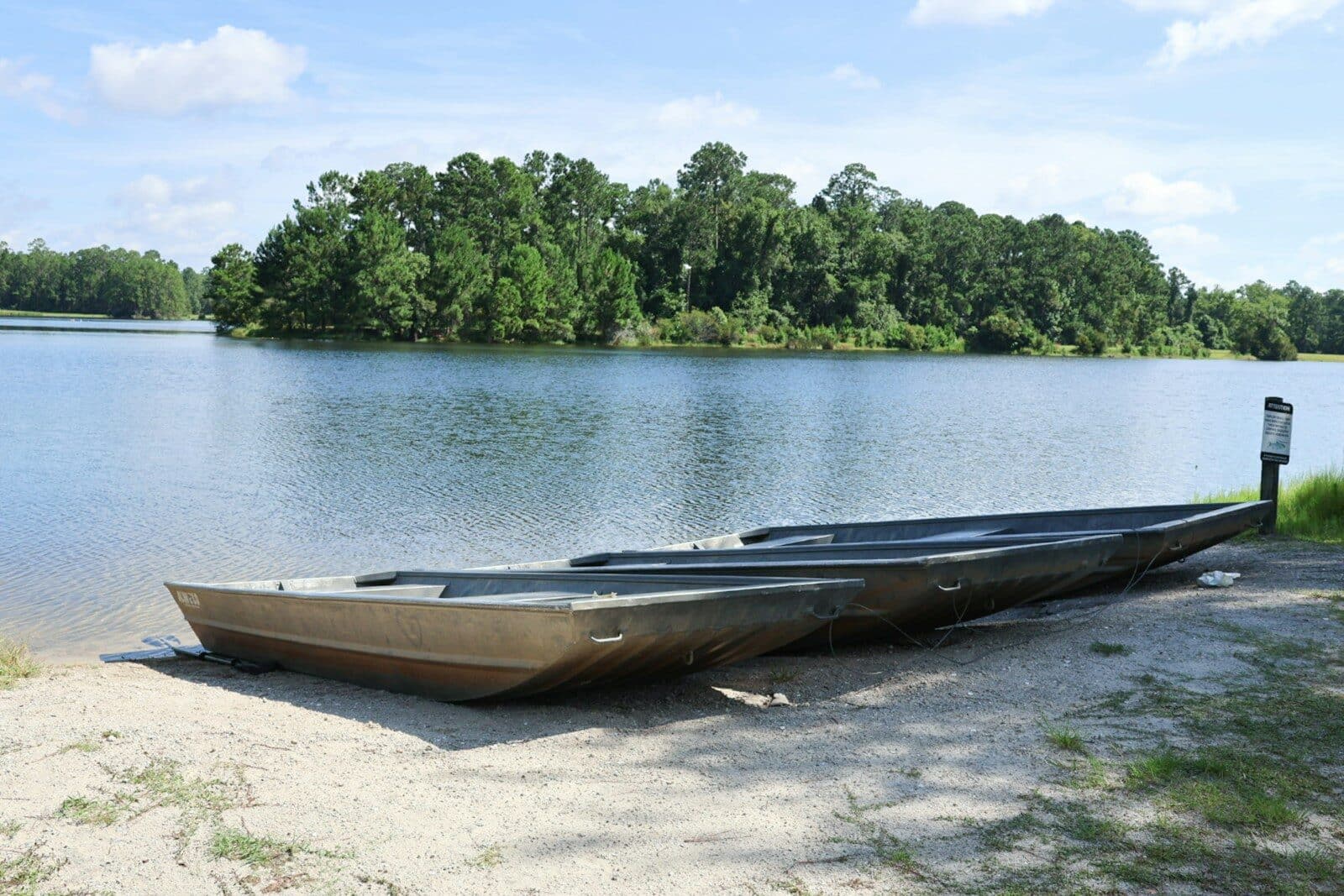
A jon boat usually has a flat bottom, which sets it apart from most other types of boats. That flat hull creates a shallow draft, making it easy to navigate shallow waters where deeper boats would run aground. Most jon boats are lightweight, durable, and easy to transport, and many are made from aluminum.
These boats are popular with anglers and hunters who need to reach remote water. They are especially useful in rivers, creeks, marshes, backwaters, and small lakes—the kind of protected spots larger boats struggle to access.
A jon boat is not designed to be fancy. It is designed to work hard. Its simple design, shallow draft, and rock-solid stability make it a reliable watercraft for people who want access to places larger boats cannot easily reach.
What Are Common Jon Boat Sizes?
Jon boats usually range from 8 to 20 feet long and 32 to 60 inches wide, though some models stretch from 9 feet to 21 feet in length. Smaller jon boats are lightweight and easier to move, while larger jon boats offer more space for gear, passengers, fishing equipment, or hunting supplies.
A couple of real-world examples help illustrate the range:
- The Tracker Grizzly 2072 is a larger jon boat at about 21 feet long and 8 feet wide.
- The Lowe 1648M is a lightweight model, weighing around 275 pounds.
The right size depends on how you plan to use the boat. A smaller jon boat may be easy to load, tow, or store, while a larger model may give you more room for tackle, ducks, gear, bench seats, rod storage, and a motor.
Why Are Jon Boats So Popular?
For many buyers, jon boats hit a sweet spot of value and function. Here’s what makes them stand out:
- Affordability: They’re one of the cheaper ways to get on the water.
- Low maintenance: Fewer moving parts mean fewer things to repair.
- Stability: They’re steady in calm, shallow water.
- Easy transport: Their light weight makes them simple to tow and move.
- Flexible power: Many run on small motors or oars.
- Versatility: They suit fishing, duck hunting, and recreational trips.
- Low running costs: Smaller engines burn less fuel, keeping ongoing costs down.
The biggest appeal of a jon boat is that it keeps boating simple. It is affordable, durable, easy to use, and ready for a day on the lake, river, or marsh.
What to Consider Before Buying a Jon Boat
How Will You Use Your Jon Boat?
Before you buy, think about where the boat will go and what you need it to carry. Common uses include:
- Fishing in shallow water
- Duck hunting in marshes
- Exploring backwaters
- Reaching secluded fishing spots
- Accessing remote recreational locations
- Short trips on small lakes
- Carrying gear, tackle, decoys, or outdoor supplies
A jon boat used for fishing may need rod storage and a stable casting platform, while one used for duck hunting may need room for gear, decoys, and camouflage. Matching the boat to your activities saves you from buying too little—or too much—boat.
What Water Conditions Are Jon Boats Best For?
Jon boats are great for shallow water and protected areas, but they have limits. They are not designed for rough, choppy, or open waters. Small jon boats can be difficult to navigate in rough water, and flat bottom jon boats can feel less comfortable in big waves.
Before you buy, consider your local lake, river, marsh, or waterway. A jon boat shines in shallow, calm water. If you plan to deal with big waves, open water, or rough conditions, you may need a different type of boat.
How Comfortable and Well-Equipped Are Jon Boats?
Jon boats often have simple bench seats and lack the creature comforts found on larger boats. Basic models may offer limited storage. That said, some include rod storage, decks, center console options, tunnel hull designs, or upgraded rigging.
Think about how long you plan to be on the water at one time. Features add comfort, but they may also affect price, weight, and transport needs. Jon boats are built tough, but they are not always built for luxury. Make sure the boat has the space, seating, storage, and features you need for the way you plan to use it.
Aluminum vs. Other Materials: Which Is Better?
Aluminum jon boats are popular because they are lightweight and durable. For example, Lowe jon boats use marine-grade 5052-H34 aluminum alloy, which holds up well over time and is often easier to maintain than other materials.
Fiberglass boats may offer different performance and comfort, but they tend to be heavier. For buyers who want low maintenance and easy transport, an aluminum jon boat is often the more practical choice. Choose aluminum if towing ease and durability matter more to you than a cushioned ride.
How Much Does a Jon Boat Cost?
Jon boats span a wide price range. Small jon boats can be found for hundreds of dollars, while fully equipped models can run anywhere from around $1,000 to $20,000 depending on size, model, motor, trailer, and features. As a reference point, Tracker Grizzly 14 jon boats start around $2,095.
Ongoing costs are generally low, and smaller engines help reduce fuel costs. Still, the boat itself is only part of the investment. Budget for a trailer, motor, registration, safety gear, storage, and transport before you commit. A jon boat is often one of the more affordable ways to get on the water—just make sure you understand the full cost.
Used Jon Boat Inspection Checklist
A used jon boat can be a great find, but don’t skip the inspection. Start your search on online marketplaces like Craigslist and Facebook Marketplace, then run through this checklist when you view a boat in person:
- Inspect for leaks, damage, dents, soft spots, and corrosion.
- Bring a flashlight and measuring tape.
- Ask the seller about usage and maintenance history.
- Look closely at the hull, transom, bow, stern, trailer, and motor.
- Confirm the boat and trailer have clear titles and registration.
- Check whether the trailer is road-ready.
- Ask whether the boat has been used in freshwater or saltwater.
- Make sure the boat fits your towing and storage setup.
A low price is only a good deal if the hull, trailer, motor, and paperwork are all in good shape.
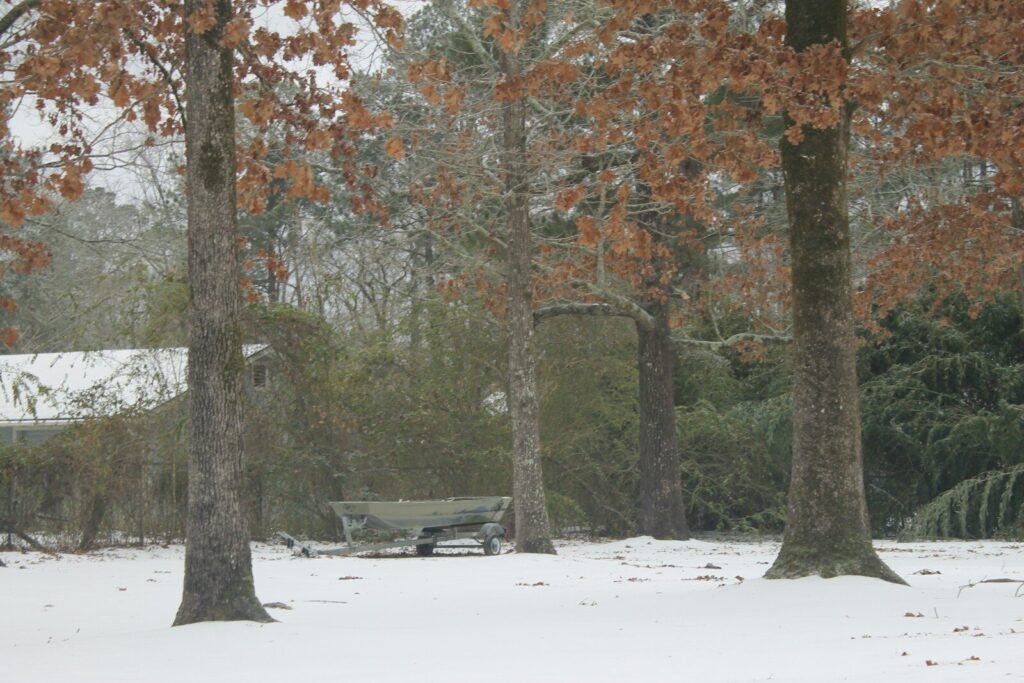
Photo by Brantley Newton on Unsplash
Why Transport Planning Matters After Purchase
Can You Move a Jon Boat Yourself?
Sometimes, yes. Due to their lightweight construction, some small jon boats can be transported on top of a vehicle. But that’s not always the case. Larger jon boats usually require a trailer, and width, length, weight, and trailer condition all factor in.
Buyers purchasing from another state may need professional transport. A boat with a motor, trailer, gear, or special rigging may also require extra care. Some jon boats are light enough for simple local moves; once you add size, a motor, a trailer, and distance, transport planning becomes far more important.
How Does Safe Transport Protect Your Investment?
A jon boat may be tough, but careless handling can still cause problems. Improper transport can damage the hull, motor, transom, trailer, or gear. To protect your purchase:
- Secure the boat properly before transport.
- Check the trailer before any long-distance hauling.
- Remove or secure loose items.
A professional hauler can reduce stress for long-distance purchases. Proper loading, securing, and hauling help protect the boat from unnecessary damage before it ever reaches the water.
Why Buying Out of State Gives You More Options
When you know transport is available, you’re not limited to the closest boat for sale. Buyers often find better prices outside their local market, and dealers or private sellers may be located several states away.
Professional transport lets you shop beyond nearby inventory—useful for seasonal moves, relocations, and dealership purchases. Interstate Haulers can help move boats with or without trailers, so you can search for the right jon boat and have it delivered safely.
How Interstate Haulers Makes Jon Boat Delivery Easier
Family-Owned Boat Transport Since 1997
Interstate Haulers is a family-owned transportation company founded in 1997. With nearly 30 years of specialty hauling experience, we transport boats across the continental United States, along with RVs, travel trailers, and industrial trailers.
We are not just a freight company. We are a family-owned transportation team with decades of experience moving boats and other high-value assets with care. Our operations are safety-focused and FMCSA-compliant, and we back every haul with personalized service and clear communication.
Who Interstate Haulers Helps
Our experience spans both private buyers and businesses, including:
- First-time jon boat buyers
- Anglers and duck hunters
- Outdoor enthusiasts and seasonal boat owners
- Boat dealers and manufacturers
- Freight forwarders and logistics partners
Whether you are buying your first jon boat, moving a boat for the season, or coordinating delivery for a dealership, our team can help make the process simple and reliable.
What to Have Ready Before Requesting a Quote
To get an accurate quote quickly, gather these details ahead of time:
- Pickup location
- Delivery location
- Boat make and model
- Boat length, width, height, and weight
- Whether the boat has a trailer
- Trailer condition
- Motor details
- Preferred pickup and delivery timing
- Seller, dealer, or marina contact information
- Any special handling needs
Request a Jon Boat Transport Quote.
Clear, Hassle-Free Boat Transport
From quote to delivery, our goal is to make the process easy to understand and dependable from start to finish. That means transparent quoting, clear pickup and delivery coordination, nationwide coverage, and professional hauling for both private and commercial moves. When you’re moving a high-value asset, that kind of clarity makes all the difference.
Buy the Right Jon Boat, Then Move It With Confidence
A jon boat can be a smart summer purchase for fishing, duck hunting, shallow water exploring, and simple days on the water. With a flat hull, shallow draft, durable aluminum construction, and low-cost maintenance, jon boats give many buyers a practical way to enjoy rivers, creeks, marshes, small lakes, and backwaters.
Before buying, think through size, water conditions, features, comfort, price, trailer condition, and title paperwork. Once you find the right jon boat, Interstate Haulers is ready to help with safe, professional boat transport across the continental United States.
Since 1997, our family-owned team has helped boat owners, dealers, manufacturers, and logistics partners move boats with care, safety, and professionalism.
Request a Jon Boat Transport Quote. Contact Interstate Haulers today and schedule your boat delivery with confidence.
Frequently Asked Questions
How much does a jon boat cost?
Jon boats range from a few hundred dollars for small used models to around $1,000 to $20,000 for larger, fully equipped boats. Price depends on size, model, motor, trailer, and features. As a benchmark, Tracker Grizzly 14 jon boats start around $2,095.
What is a jon boat best used for?
A jon boat is best for fishing, duck hunting, and recreational trips in shallow, protected water. Its flat hull and shallow draft let anglers and hunters reach rivers, creeks, marshes, backwaters, and small lakes. Jon boats are not designed for rough, choppy, or open water.
Are aluminum jon boats better than fiberglass?
Aluminum jon boats are lightweight, durable, and easier to tow and maintain, which makes them a popular choice. Many use marine-grade aluminum, such as the 5052-H34 alloy found in Lowe jon boats. Fiberglass can offer different comfort and performance but is generally heavier. Choose aluminum if easy transport and low maintenance are priorities.
Can I transport a jon boat myself?
Some small jon boats are light enough to carry on top of a vehicle. Larger models usually require a trailer, and factors like width, weight, and trailer condition matter. For long-distance or out-of-state purchases, professional transport is often the safer and simpler option.
What should I check before buying a used jon boat?
Inspect for leaks, dents, soft spots, and corrosion across the hull, transom, bow, stern, trailer, and motor. Bring a flashlight and measuring tape, ask about the boat’s usage and maintenance history, and confirm the boat and trailer have clear titles and registration before you buy.
Does Interstate Haulers move boats without trailers?
Yes. Interstate Haulers can move boats with or without trailers across the continental United States. As a family-owned transport company since 1997, we handle seasonal moves, relocations, and new purchases for individual owners, dealers, and manufacturers.
Helpful Links & Resources
Want to get more out of your time on the water? These resources can help you stay safe, stay legal, and keep your jon boat in great shape for years to come.
- BoatUS Foundation — A go-to hub for free online boating safety courses and gear checklists. It’s perfect for new and seasoned jon boat owners who want to brush up on the basics before heading out.
- U.S. Coast Guard Boating Safety — The official source for safety regulations, required equipment, and float plan templates. You’ll find clear guidance on staying compliant and prepared on any waterway.
- USCG National Vessel Documentation Center — Your starting point for registering your boat and understanding documentation rules. It helps you sort out the paperwork so your jon boat is road and water ready.
- Take Me Fishing — A friendly guide to fishing licenses, boat registration, and local launch spots in every state. It makes finding your nearest fishing hole and getting licensed quick and simple.
- U.S. Fish and Wildlife Service — Learn about protected waters, fishing seasons, and conservation rules in your area. This keeps your trips responsible and helps protect the spots you love.
- National Weather Service Marine Forecasts — Check wind, wave, and storm conditions before you launch. A quick look here can save you from getting caught in rough water with a small craft.
- BoatED — Offers state-approved boating safety certification courses and a handy refresher on navigation rules. It’s a great way to learn right-of-way basics and earn your boater education card.