
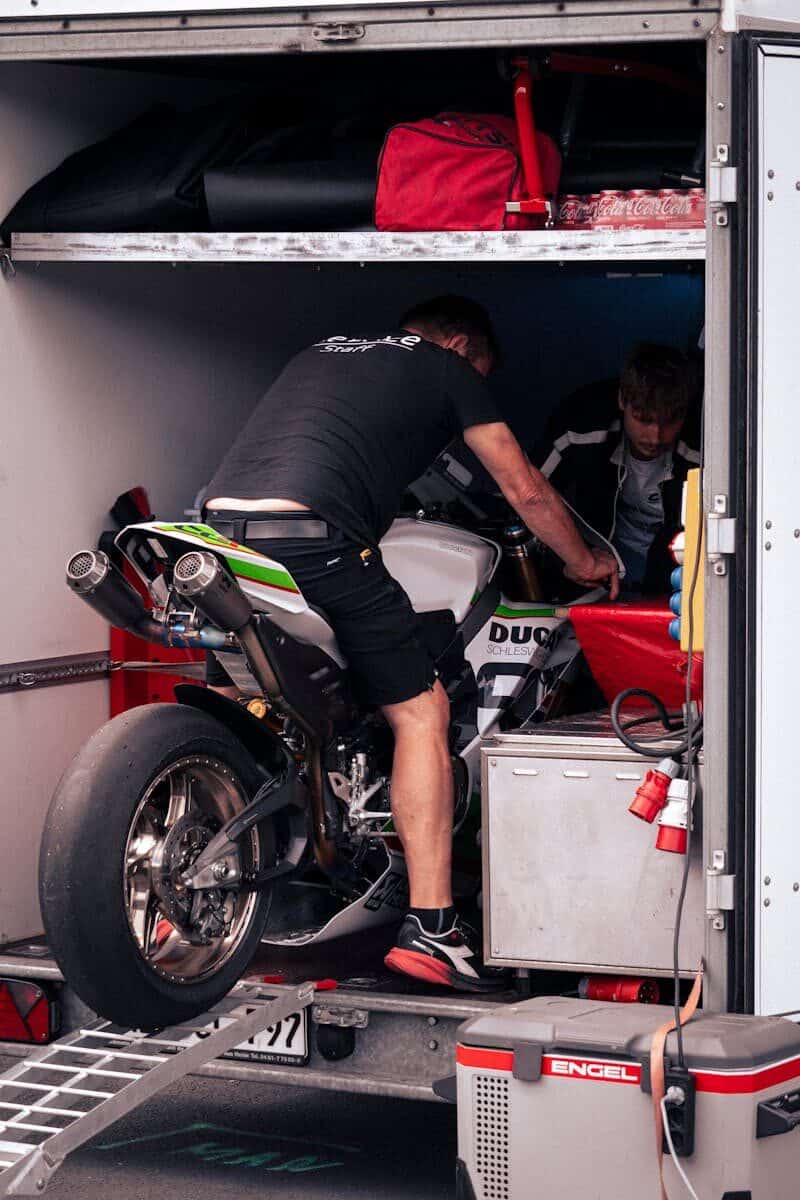
For serious racers, a race trailer is more than just a trailer. It’s the mobile base that carries the vehicle, tools, spare parts, and all the gear needed for a successful race weekend.
From local race days to national racing events, the trailer keeps everything organized and ready for the track. Inside many trailers, you’ll find valuable equipment, spare tires, performance parts, and specialized tools designed to support high-performance vehicles.
Because of this, a race trailer often represents a significant investment. These trailers are built with durability, security, and functionality in mind. Many include reinforced aluminum frames or steel construction designed for strength and long-term use on the road.
But transporting a race trailer across long distances can be more complicated than many racers expect. While some racers attempt to tow their trailers themselves, doing so can introduce risks that impact equipment safety, scheduling, and overall performance.
At Interstate Haulers, our company has spent nearly 30 years helping customers move specialty trailers across the country. As a family-owned business founded in 1997, we specialize in transporting boats, RVs, travel trailers, and other high-value assets with care and professionalism.
If you’re preparing to move a race trailer, understanding the risks of DIY hauling can help you make the right choice.
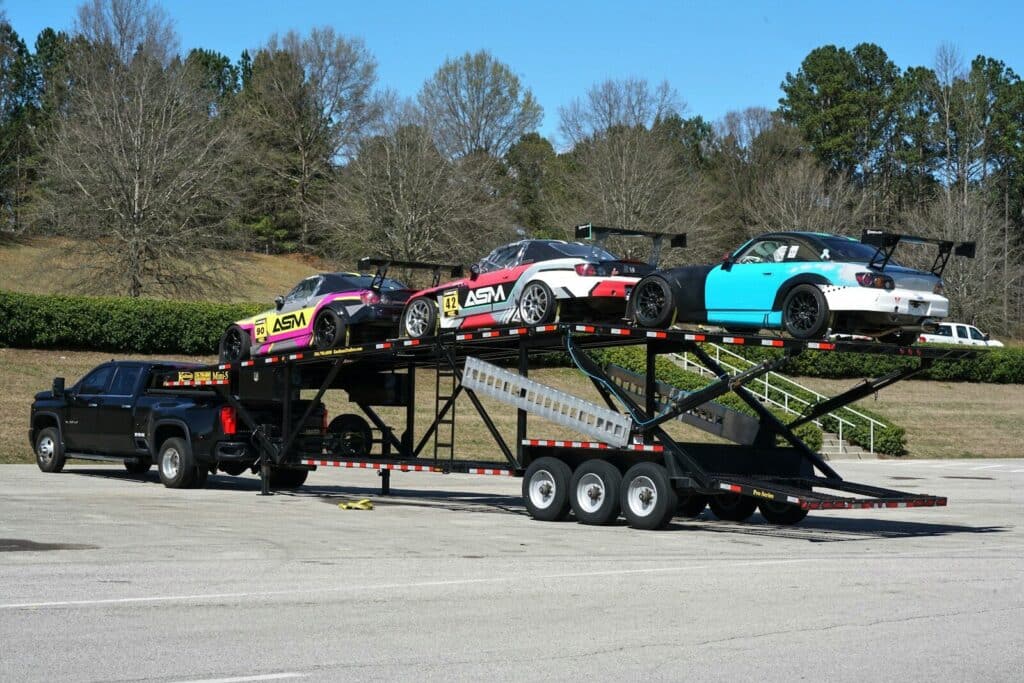
Photo by Jaxon Smith on Unsplash
What Makes Race Trailers Difficult to Haul
A race trailer is designed differently from many other car trailer types. These trailers are engineered to support racing teams and individual racers who rely on them to transport valuable vehicles and supplies.
Most race trailers include features such as:
- Reinforced aluminum frames or heavy-duty steel construction
- A rear ramp door for loading vehicles
- Large interior storage areas for gear and tools
- Secure tie-down systems for cargo
- Reinforced flooring for vehicle weight
Many trailers are designed as enclosed car trailers to protect the vehicle and equipment from weather, debris, and visibility while traveling.
Because of these specialized features, race trailers tend to be heavier and larger than standard utility trailers.
Types of Race Trailers Racers Choose
There are several categories of race trailers available today. Each type is designed to meet specific racing and transport needs.
Enclosed Race Trailers
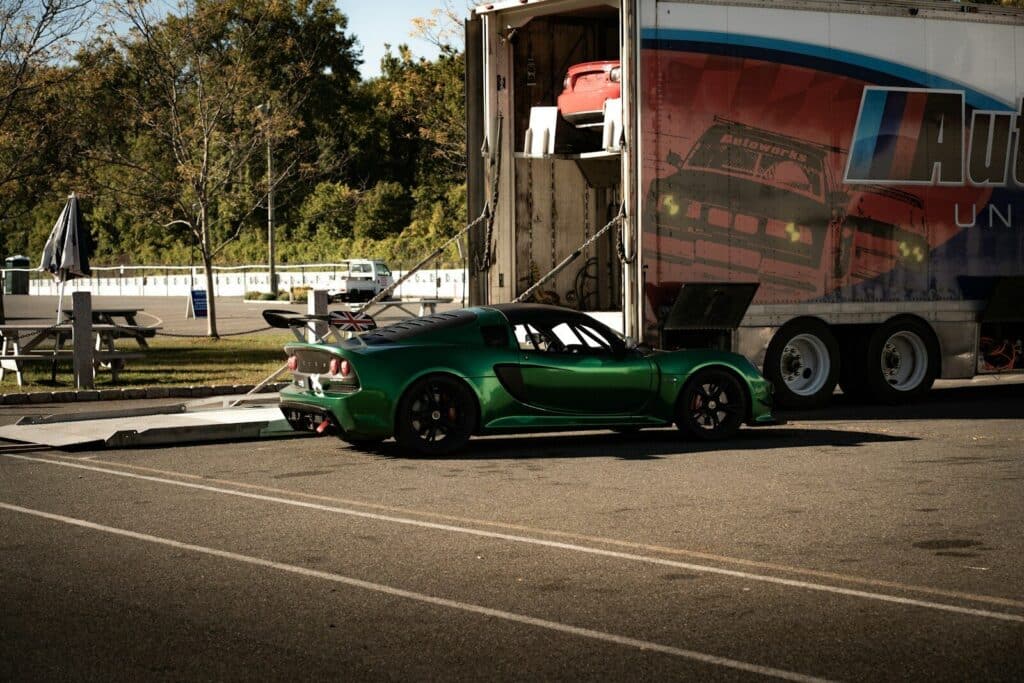
The most common race trailer is the enclosed trailer. These trailers are designed to protect vehicles and equipment during transport.
Inside an enclosed trailer, racers can safely store spare parts, tools, and other racing gear. This protection is especially important when traveling long distances or storing vehicles overnight.
Many racers feel that an enclosed trailer provides the ideal solution for protecting their racing investment.
Car Trailer Designs
Some race trailers function as specialized car trailer systems designed for easy loading and transport.
These trailers often include:
- Reinforced flooring
- Adjustable tie-down systems
- Wide loading areas
- Rear ramp door access
The ramp door allows the race car to roll smoothly into the trailer, making loading easier and reducing the chance of damage.
Custom Build Race Trailers
Many serious racers choose a custom-built trailer designed specifically for their racing needs.
A custom trailer may include:
- Tire storage racks
- Cabinets for tools and equipment
- Workbenches for trackside repairs
- Generator systems
- Lighting systems
These trailers are often engineered for durability and convenience. They allow racers to keep their entire operation in one place.
For racing teams and businesses, a custom trailer can be a fantastic investment that improves efficiency and organization.
The Dangers of DIY Race Trailer Transport
While towing your own race trailer may seem simple, transporting large trailers can present several challenges.
Vehicle Strain and Towing Issues
Race trailers can be heavy, especially when loaded with racing equipment, spare parts, and tools.
Even when using a powerful truck, towing a trailer with heavy cargo places stress on the vehicle. Long-distance towing may affect braking, stability, and overall handling on the road.
Loading and Handling Challenges
Loading a race car through the rear ramp door requires careful handling and alignment.
If the vehicle is not positioned correctly, damage to the trailer floor or car body may occur. Professional transport teams understand how to manage loading procedures safely.
Equipment and Gear Risk
Inside, many race trailers are expensive parts and tools that support vehicle performance.
Loose items may shift during transport if they are not secured properly. This can damage equipment and create unnecessary delays before an event.
Scheduling and Timing Pressure
Race schedules can be tight. Missing an event or arriving late to the track can disrupt preparation time and affect racing results.
Professional transport helps ensure your trailer arrives when expected.
Race Trailer Hauling Safety Checklist
Before moving a race trailer, it’s helpful to review several important factors.
Trailer Weight and Balance
Check the trailer’s total weight and how the cargo is distributed inside.
Proper balance helps ensure a smooth and stable towing experience.
Hitch Compatibility
Some race trailers use a bumper pull hitch, while others use different towing systems.
Make sure your towing vehicle is compatible with the trailer configuration.
Trailer Condition
Inspect the trailer carefully before transport.
Check the:
- Tires
- Frame structure
- Door latches
- Lighting systems
Ensuring the trailer is ready for the road helps prevent problems during transport.
Equipment Storage
Secure all tools, parts, and racing gear inside the trailer.
Proper storage helps prevent movement during travel.
Route Planning
Long-distance hauling requires planning.
Drivers must consider travel distance, road conditions, and weather before starting the trip.
Professional transport companies manage these details as part of their service.
How Professional Hauling Protects Your Investment
Because race trailers often carry valuable vehicles and equipment, professional hauling offers several advantages.
Experience With Specialty Trailers
Experienced transport teams understand the unique requirements involved in moving racing trailers.
At Interstate Haulers, our team has decades of experience transporting specialty trailers safely.
Reduced Risk of Damage
Professional drivers understand how to manage trailer weight, cargo security, and towing conditions.
This helps reduce the risk of damage to both the trailer and the equipment inside.
Reliable Nationwide Service
Interstate Haulers provides nationwide trailer transport across the continental United States.
Whether you’re moving a trailer between race events, relocating equipment, or arranging delivery from dealers, our team can help coordinate the shipment.
Clear Communication
We believe strong communication is key to successful transport.
From the moment you contact our team, we work closely with each customer to understand their needs and coordinate the best transport plan.
Why Racers Trust Interstate Haulers
For nearly three decades, Interstate Haulers has built a reputation for safe and reliable trailer transport.
Our company works with:
- Individual racers
- Racing teams
- Equipment dealers
- Logistics partners
- Government and municipal organizations
Because we specialize in hauling high-value equipment, we understand how important it is to protect every shipment.
From race trailers to RVs and boats, our team is committed to delivering dependable service and keeping customers happy.
Ready to Transport Your Race Trailer?
If you’ve recently made a purchase, plan to order a new trailer, or need help moving your race trailer to its next destination, professional transport can make the process easier.
At Interstate Haulers, we provide nationwide trailer transport backed by nearly 30 years of experience.
If you’re ready to start planning your shipment or have questions about the process, contact our team today by phone or online to request a quote.
We’re here to help ensure your race trailer arrives safely so you can focus on what matters most — preparing to win on race day.
Resources and Helpful Links for Private Haulers
Having the right information makes a massive difference when hauling your track car for a weekend of fun. We gathered a list of essential resources to help you manage everything from safety standards to routine maintenance. Bookmark these helpful links to keep your setup safe, legal, and ready for the road.
- NHTSA Towing Safety Guidelines: This federal guide provides essential safety standards and best practices to ensure you load, hitch, and drive your tow vehicle correctly. Visit NHTSA Towing Guide
- eTrailer Parts and Accessories: You can find almost any replacement part, hitch, or custom towing accessory you need for your specific trailer setup here. Visit eTrailer
- Weigh Safe Hitches and Tools: These innovative tools allow you to measure your exact tongue weight to guarantee a stable, sway-free ride to the track. Visit Weigh Safe
- Kelley Blue Book Towing Capacity Guide: Use this reliable lookup tool to verify your exact vehicle towing capacity before you load your car and gear. Visit KBB Towing Guide
- Dexter Axle Service Manuals: These official service guides help you handle routine maintenance on your trailer’s axles, bearings,and brakes. Visit Dexter Axle Resources
- Mac’s Custom Tie-Downs Equipment: This site offers premium straps and cargo control solutions to secure your hobby car without scratching the paint or stressing the suspension. Visit Mac’s Custom Tie-Downs
- Tire Rack Trailer Tire Guide
Read this comprehensive breakdown on how to choose, inflate, and maintain the correct Special Trailer (ST) tires for your hauler. Visit Tire Rack Trailer Guide
Do you have a favorite hauling resource that we missed? Leave a comment below with your go-to tools and guides so we can share them with the community!