Mako Boats are high-performance saltwater fishing boats known for durable construction, practical deck layouts, and versatile models ranging from shallow-water skiffs to offshore center consoles. Interstate Haulers, a family-owned transportation company founded in 1997, provides professional Mako Boats delivery and transport across the continental United States—with or without a trailer.
Mako Boats have earned a strong reputation among saltwater anglers for a straightforward reason: they’re built to fish. With rugged fiberglass and composite construction, practical deck layouts, and a lineup that spans shallow-water skiffs, versatile bay boats, and offshore-ready center consoles, Mako has spent more than 50 years engineering boats for the conditions that matter most. They’re particularly popular in coastal states like Florida and Texas, where saltwater fishing, flats fishing, and nearshore adventures are part of everyday life.
Buying the right Mako is exciting. Getting it safely from a dealership, private seller, marina, or storage facility to its next home is where careful planning becomes essential. Whether you’re purchasing a boat from an out-of-state dealer, relocating to a new part of the country, or coordinating a seasonal move, professional boat transport takes the guesswork out of the process.
That’s where we come in. At Interstate Haulers, we’ve been moving boats and other high-value assets across the continental United States since 1997. We’re a family-owned transportation company, and we work directly with individual boat owners, buyers, sellers, marine dealers, manufacturers, and logistics partners to make every delivery straightforward and stress-free.
This guide covers everything you need to know about Mako Boats delivery—why these fishing boats are so popular, what affects their transportation requirements, how our process works, and how to prepare your boat before pickup.
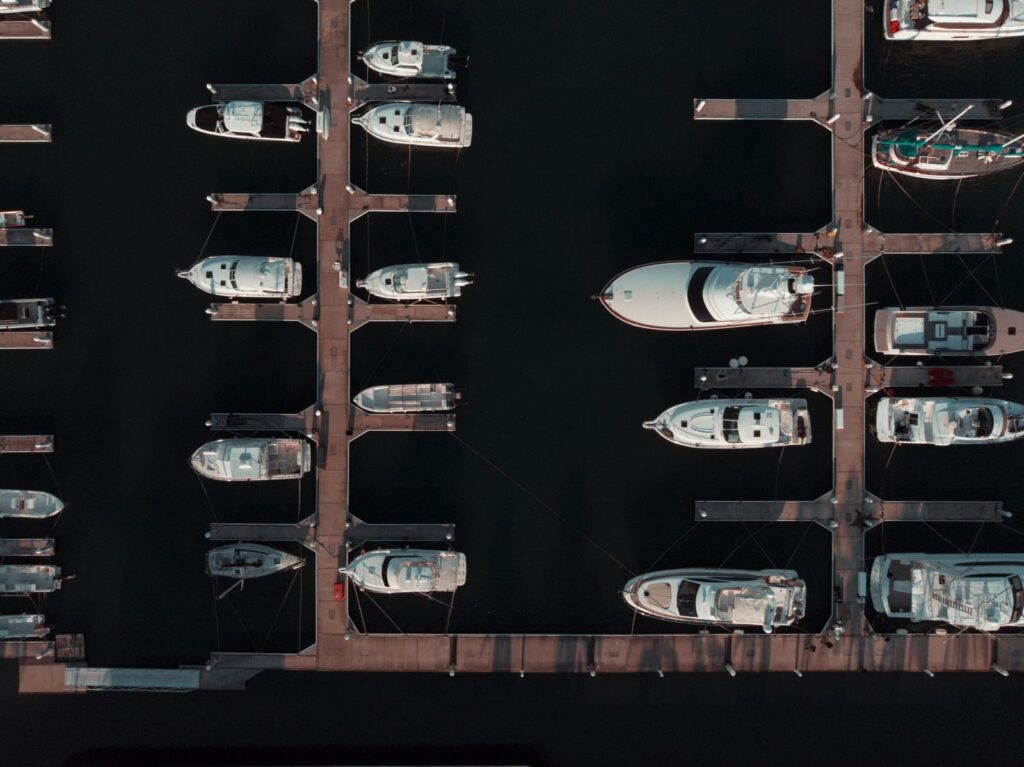
Photo by Eduardo Cano Photo Co. on Pexels
Why Mako Fishing Boats Are Popular Among Saltwater Anglers
Mako Boats are designed as high-performance saltwater fishing platforms. The brand’s focus has always been on durable construction, fishing-friendly layouts, and real-world performance in rough or demanding conditions. That combination has made Mako a recognized name among coastal anglers for decades.
Owners appreciate that Mako boats don’t compromise on practicality. Non-skid surfaces, open working decks, rod holders, livewells, baitwells, and generous storage compartments come standard across much of the lineup. Many models use 100% composite construction, which improves long-term durability and resists the moisture-related damage that’s common in saltwater environments.
Mako boats are especially popular in coastal fishing communities where anglers need a boat that can handle a morning on the flats and an afternoon run offshore without missing a beat.
What Fishing-Focused Layouts Does Mako Use Across Its Lineup?
The deck layouts on Mako boats are built around how anglers actually fish. Clean, open spaces give you room to cast, move, and manage catches without tripping over unnecessary clutter. Heavy-duty fiberglass and composite materials resist corrosion—critical for boats used regularly in saltwater. Corrosion-resistant hardware, non-skid surfaces, and integrated rod holders are standard features that make these boats practical workhorses rather than weekend toys.
Many Mako models also feature livewells and baitwells that support extended fishing sessions, along with storage compartments sized for serious gear. Some larger center-console models are equipped with dual Garmin multifunction displays for navigation and fish-finding. These practical, fishing-focused features are a significant part of why Mako boats continue to attract repeat buyers.
How Do Mako Hull Designs Differ Across Models and Water Conditions?
Not every Mako is designed for the same environment. Hull geometry varies across the lineup based on intended use and water conditions.
Skiff models are built for shallow water, flats, and protected inshore areas where low draft is essential. Bay boat models balance shallow-water access with greater versatility, handling rougher conditions and longer runs with more comfort. Offshore center-console models feature deep-V hulls optimized for rough water, providing improved planing, stability, and ride quality when conditions deteriorate offshore.
Many Mako boats are powered by Mercury outboard engines, though the specific engine configuration depends on the model and package selected. These hull and power combinations give anglers meaningful options depending on where and how they fish.
Mako Models for Inshore, Bay, and Offshore Fishing
Mako’s current lineup covers three main categories of fishing boats. Each category presents different transportation requirements based on overall size, beam, height, and installed equipment. Understanding the differences helps set accurate expectations for what transport will involve.
What Makes the Mako Pro Skiff Ideal for Flats and Shallow-Water Fishing?
The Mako Pro Skiff lineup is designed for anglers who spend time in shallow water—rivers, bays, protected coastal areas, and flats. These are purpose-built inshore boats with a shallow draft, stable fishing platform, and practical deck space suited for sight fishing and casting room.
The Mako Pro Skiff 17 is one recognizable example within this lineup. Buyers should verify current specifications directly with a Mako dealer or through the Mako website before purchase, as model availability and specifications can change.
Pro Skiff models are generally smaller and lighter than offshore center consoles, which can simplify the transportation process. That said, the boat’s trailer condition, engine, and total loaded dimensions still need to be evaluated before scheduling transport—smaller doesn’t automatically mean straightforward.
What Are Mako Bay Boats Designed For, and How Do They Transport Differently?
Mako bay boats occupy the middle ground between a dedicated flats skiff and a full offshore platform. They’re designed for bays, inshore waters, estuaries, nearshore fishing, and recreational cruising—situations where you need more capability than a skiff provides without committing to a full offshore build.
Bay boats typically offer a relatively shallow draft combined with more deck space, larger storage capacity, higher horsepower options, and improved rough-water handling. For anglers who fish diverse conditions throughout the week, a bay boat is often the most practical choice.
From a transportation standpoint, bay boats vary widely in length and beam. Accurate measurements of the complete loaded boat—trailer included—are essential before scheduling delivery.
What Features Do Mako Center Console Boats Offer for Offshore Fishing?
Larger Mako center-console models are designed for offshore fishing and demanding coastal conditions. These boats feature deep-V hulls, higher horsepower configurations, larger fuel capacity, additional seating, and greater storage. Many are equipped with dual Garmin multifunction displays, multiple livewells, and taller consoles or hardtops.
These features are what make Mako center consoles so capable offshore. They’re also what make transportation more complex. T-tops, radar arches, antennas, outriggers, and taller consoles can significantly affect the boat’s loaded height, and larger boats may require oversize permits, specialized equipment, or specific route planning depending on the states involved.
What to Know When Shopping for Mako Boats for Sale
Buyers can find new and used Mako boats for sale through authorized dealers, Bass Pro Shops locations, online marketplaces, marine listing websites, and private sellers. Mako boats may also be available through Bass Pro Shops, with both in-store and online purchasing options—buyers should confirm current availability and purchasing processes directly with the retailer or dealer before completing a transaction.
New Versus Used Mako Fishing Boats: What Should Buyers Review Before Purchasing?
Buying a used Mako can be an excellent way to get into a capable fishing boat at a lower price point. Before committing to a purchase, buyers should review the model year, engine hours, hull condition, maintenance history, electronics, included accessories, trailer condition, and any applicable warranty coverage.
A lower purchase price doesn’t always mean a lower total cost. A boat located several states away may require professional transportation, trailer repairs, updated registration, or equipment adjustments. Factoring in these costs before finalizing the sale gives you a clearer picture of what the boat will actually cost—delivered and ready to use.
How Much Do Mako Boats Cost, and What Affects the Price?
Mako boat prices vary based on the model, size, condition, engine package, electronics, fishing accessories, and whether a trailer is included. According to published research, some inshore Mako models may start near $17,995, while offshore models may start near $69,995. Used and new listings may range from approximately $9,996 to $125,000 depending on the model year and condition. These figures should be verified directly with a Mako dealer or current listings before making purchasing decisions, as prices change.
Some reports indicate that Mako may use a no-haggle pricing structure for certain new boat sales. Buyers should confirm whether this policy applies to the specific model and dealer they’re working with.
Why Does the Pickup Location Matter When Planning Mako Boat Delivery?
Many buyers find the right Mako at a dealership or with a private seller in another state. That’s completely normal—and it’s one of the most common reasons customers contact us.
A distant purchase typically requires coordination between the buyer, seller, dealer, marina, storage facility, and transportation company. Planning transport before the sale closes means you’ll understand the delivery cost, timeline, and preparation requirements upfront—rather than discovering complications after the paperwork is signed.

Photo by James Wheeler on Unsplash
What to Know Before Transporting a Mako Boat
Transportation requirements depend on the boat’s exact dimensions, installed equipment, trailer status, and both pickup and delivery locations. No two Mako Boats transport jobs are identical, and accurate information from the start leads to a smoother, more predictable process.
What Dimensions Should You Confirm Before Scheduling Mako Boat Transport?
Model specifications published online may not reflect every installed accessory or modification. Before scheduling transport, gather accurate measurements for:
- Overall length and beam (width)
- Height including hardtop, T-top, or radar arch
- Dry weight and engine weight
- Trailer length, width, and height
- Antenna and outrigger height
- Outboard motor position
A boat’s actual transportation height is often greater than its nominal hull height once you account for T-tops, radar equipment, antennas, rod holders, and the trailer setup. Providing accurate numbers—rather than relying on spec sheets alone—allows our team to select the right equipment and anticipate any clearance concerns along the route.
Does the Boat Need a Road-Ready Trailer for Long-Distance Transport?
We can transport Mako boats with or without trailers, but the process and equipment involved differ depending on the situation.
If the boat includes a trailer, the owner or seller should inspect tires, tire pressure, wheel bearings, brakes, lights, safety chains, hitch components, frame condition, winch and bow strap, and registration requirements before pickup. An old, undersized, or damaged trailer may not be safe for long-distance hauling. If the trailer isn’t road-ready, we’ll discuss the available options so transport can still proceed safely.
If there’s no trailer or the trailer is unsuitable, our team can coordinate appropriate equipment based on the boat’s size and weight. Learn more about boat transport with or without a trailer on our website.
When Do Mako Boats Require Oversize Transport Permits?
Larger Mako center-console and offshore boats may exceed standard transportation dimensions. Depending on the complete loaded measurements and the states the shipment passes through, transport may require oversize permits, specialized hauling equipment, route planning, height clearance checks, travel-time restrictions, or escort vehicles.
Not every Mako requires permits—requirements depend entirely on the loaded dimensions and the specific route involved. Our team reviews each shipment individually to determine what’s needed.
What Access Issues Should You Confirm at Pickup and Delivery Locations?
Confirming access at both the pickup and delivery locations prevents delays and unexpected complications. Key questions to answer early include:
- Is the boat at a dealership, marina, private residence, or storage facility?
- Are there narrow roads, low-hanging branches, gate restrictions, or tight turns near the location?
- Is loading equipment available on-site—such as a forklift, travel lift, or boat ramp?
- Does the facility require an appointment or have operating-hour restrictions?
- Will someone be present at both pickup and delivery?
Sharing these details with us early makes scheduling faster and reduces the chance of last-minute coordination issues.
How Interstate Haulers Handles Mako Boats Delivery
Interstate Haulers is a family-owned transportation company founded in 1997. For nearly three decades, we’ve specialized in moving boats and other high-value assets throughout the continental United States. We work with individual boat owners, buyers, sellers, marine dealers, boat manufacturers, freight forwarders, logistics partners, marinas, and storage facilities—handling everything from single-boat deliveries to recurring dealer inventory moves.
How Does the Interstate Haulers Mako Boat Transport Quote Process Work?
Every Mako Boats delivery begins with a conversation about the specific boat and route. When you contact us, we’ll ask for:
- Mako model and model year
- Boat dimensions and approximate weight
- Pickup and delivery locations
- Trailer status and condition
- Desired transport dates
- Photos of the boat and trailer
- Information about T-tops, antennas, engines, and any oversized accessories
Accurate information allows us to match your shipment to the right equipment and provide a reliable quote without surprises. Request a quote through our website or call us at (910) 295-2244.
What Does Transportation Planning Involve for a Mako Boat Delivery?
Before transport begins, our team reviews the boat’s loaded dimensions, equipment needs, route requirements, and scheduling logistics. Depending on the shipment, planning may include reviewing state permit requirements, selecting appropriate hauling equipment, confirming facility access at both ends, and discussing preparation responsibilities with the owner or dealer.
Interstate Haulers operates in compliance with FMCSA regulations, and our experience with specialty transportation means we’re prepared to handle the details that less experienced haulers might miss.
How Does Interstate Haulers Communicate During the Boat Delivery Process?
Transporting a high-value fishing boat requires more than just a driver and a truck. Clear, consistent communication matters at every stage. We confirm pickup details, delivery instructions, contact information, scheduling expectations, and any changes that may affect the route or timing.
Our goal is to keep everyone informed—whether that’s the boat owner, the selling dealer, or a logistics partner—so the process feels manageable rather than stressful. Customer satisfaction doesn’t end when the paperwork is signed. A smooth delivery experience is part of starting the next boating adventure the right way.
Where Does Interstate Haulers Deliver Mako Boats Across the United States?
Interstate Haulers provides boat transport services throughout the continental United States. Common reasons customers schedule Mako Boats delivery with us include:
- Buying from an out-of-state dealer or private seller
- Relocating to a new state or coastal area
- Moving a boat to or from seasonal storage
- Sending a boat to a service facility
- Delivering dealer inventory to a customer
- Transporting a boat to a new marina
No matter the reason, our process stays the same: gather accurate information, plan the route carefully, communicate throughout, and deliver safely.
Tips for Preparing Your Mako Boat for Transport
Proper preparation protects the boat during transit and helps our driver complete the trip safely. The exact steps will vary based on your specific boat, trailer, and transportation method—but these guidelines apply to most Mako boat deliveries.
What Loose Fishing Equipment Should Be Removed Before Boat Transport?
Items left unsecured inside the boat can shift during transport, causing damage to the hull, deck, or the equipment itself. Before pickup, remove or securely stow:
- Fishing rods, tackle, and gear bags
- Coolers, seat cushions, and dock lines
- Anchors, cleaning supplies, and loose tools
- Life jackets, portable electronics, and personal belongings
- Removable storage bins and any unfastened accessories
If an item can move, it should be removed or tied down before the driver arrives.
How Should You Prepare Electronics and Fishing Accessories Before Transport?
Review all installed electronics and accessories before transport. This includes Garmin multifunction displays, fish finders, GPS units, radios, cameras, transducers, and removable antennas. Follow the manufacturer’s recommendations for each component, and discuss any oversized or unusual accessories with our team in advance so we can account for them during planning.
Which Tall Components May Need to Be Lowered or Removed Before Transport?
Tall components—T-tops, radar arches, antennas, outriggers, and canvas enclosures—can increase the boat’s loaded height and create clearance concerns on certain routes. This doesn’t mean you need to dismantle your boat before calling us. What it does mean is that we need to know exactly what’s on it.
Before pickup, send us photos and accurate height measurements of every component that extends above the hull. Our team will review the measurements against the planned route and explain what, if anything, needs to be lowered, folded, or temporarily removed for safe transport. We’ll never ask you to remove a structural component without a clear reason—and we’ll guide you through any steps that are necessary.
What Should You Check Regarding Fuel, Liquids, and Storage Compartments?
Reducing unnecessary weight and liquid volume is generally recommended before long-distance boat transport. Before pickup, check with our team about requirements for:
- Fuel level
- Freshwater tanks
- Livewells and baitwells
- Waste tanks and holding tanks
- Ice boxes and cooler compartments
- Any other storage areas holding liquid or heavy items
Follow our specific guidance for your shipment. Requirements can vary based on the boat’s size, weight, and the transportation equipment being used.
Why Should You Photograph the Boat Before Pickup?
Clear, dated photographs taken before transport begins create an accurate condition record that protects both parties. Before our driver arrives, photograph:
- The full hull from multiple angles
- The engine and outboard motor
- The console and electronics
- The deck and any installed accessories
- The trailer, including tires, frame, and lights
- Any existing scratches, scuffs, or damage
These photos serve as a reference if any questions arise after delivery. It’s a simple step that takes only a few minutes and provides meaningful peace of mind throughout the process.
How Do You Make Sure Your Mako Boat Is Ready at the Scheduled Pickup Time?
Last-minute surprises can delay transport and create scheduling complications for everyone involved. Before pickup day, confirm:
- The facility can be accessed at the agreed time
- Loading arrangements are in place
- Keys, documents, and any required releases from the dealer or marina are ready
- Contact names are confirmed for both pickup and delivery locations
- The boat and trailer are fully prepared
- Any outstanding payment or release requirements are resolved
A fully prepared boat helps us get on the road efficiently and deliver on schedule.
Protecting Customer Satisfaction Throughout the Delivery Experience
A well-planned transport isn’t just a logistical detail—it’s part of the overall boat-buying experience. When someone purchases a Mako Boat, they’re investing in years of time on the water.
How that boat arrives matters.
At Interstate Haulers, we don’t treat high-value fishing boats as ordinary freight. Every delivery involves accurate quoting, clear expectations, experienced drivers, reliable communication, and careful route planning. These aren’t extras. They’re the foundation of how we’ve operated since 1997.
Buyers, sellers, dealers, and logistics partners who work with us consistently come back because the process is predictable and the communication is consistent. That’s the kind of customer satisfaction that keeps a family-owned business running for nearly three decades.
Ready to Schedule Your Mako Boat Delivery?
Mako Boats are popular among anglers for good reason—durable construction, saltwater-focused engineering, practical fishing layouts, and a range of models built for every environment from shallow flats to open offshore waters. Moving one safely requires the same level of care and attention that went into building it.
The right transportation plan depends on the boat’s dimensions, trailer condition, installed accessories, route, and the access available at both pickup and delivery locations. There’s no one-size-fits-all approach, and that’s exactly why working with an experienced, specialized team makes a difference.
Interstate Haulers has been transporting boats and other high-value assets since 1997. Our family-owned team provides personalized service for customers moving Mako boats throughout the continental United States—whether it’s a single delivery across state lines or recurring dealer inventory moves across the country.
Buying a Mako from an out-of-state dealer? Relocating your current boat? Coordinating delivery between a seller and buyer? We’re ready to help.
Request a quote through our website, or call us directly at (910) 295-2244. Share your Mako model, boat dimensions, trailer information, pickup location, delivery destination, and preferred dates—and our team will help you plan the next steps.

Frequently Asked Questions About Mako Boat Delivery and Transport
Can Interstate Haulers transport a Mako boat without a trailer?
Yes. We transport Mako boats with or without trailers. If your boat doesn’t have a trailer, or the trailer isn’t road-ready, our team will identify appropriate equipment based on the boat’s size, weight, and dimensions. Contact us to discuss the specifics of your shipment.
How far in advance should I schedule Mako boat transport?
Scheduling requirements vary depending on the route, the boat’s size, and current availability. For standard deliveries, reaching out one to two weeks in advance is a reasonable starting point. Larger offshore boats that may require oversize permits or specialized equipment often benefit from more lead time. Contact us early so we can plan accordingly.
Does the size of a Mako boat affect the transport cost?
Yes. Several factors influence the cost of boat transport, including overall dimensions, total weight, distance, route complexity, trailer status, and whether oversize permits are required. Request a quote directly for an accurate estimate based on your specific boat and route.
Can Interstate Haulers pick up a Mako boat from a marina or dealer?
Yes. We coordinate pickups from dealerships, marinas, private residences, storage facilities, and other locations throughout the continental United States. Providing details about the pickup location—including access restrictions, operating hours, and loading equipment availability—helps our team plan an efficient pickup.
What happens if the Mako boat’s trailer fails inspection before transport?
If a trailer is found to be unsafe or unsuitable for long-distance hauling, we’ll discuss alternative transportation arrangements before the scheduled pickup. Safety is a non-negotiable priority, and we’d rather have that conversation early than encounter a problem on the road.
Does Interstate Haulers only transport Mako boats?
No. While this guide focuses on Mako Boats delivery, we transport a wide range of boats and marine vessels, as well as travel trailers, RVs, and industrial trailers across the continental United States. Visit our boat transport page for more information.