
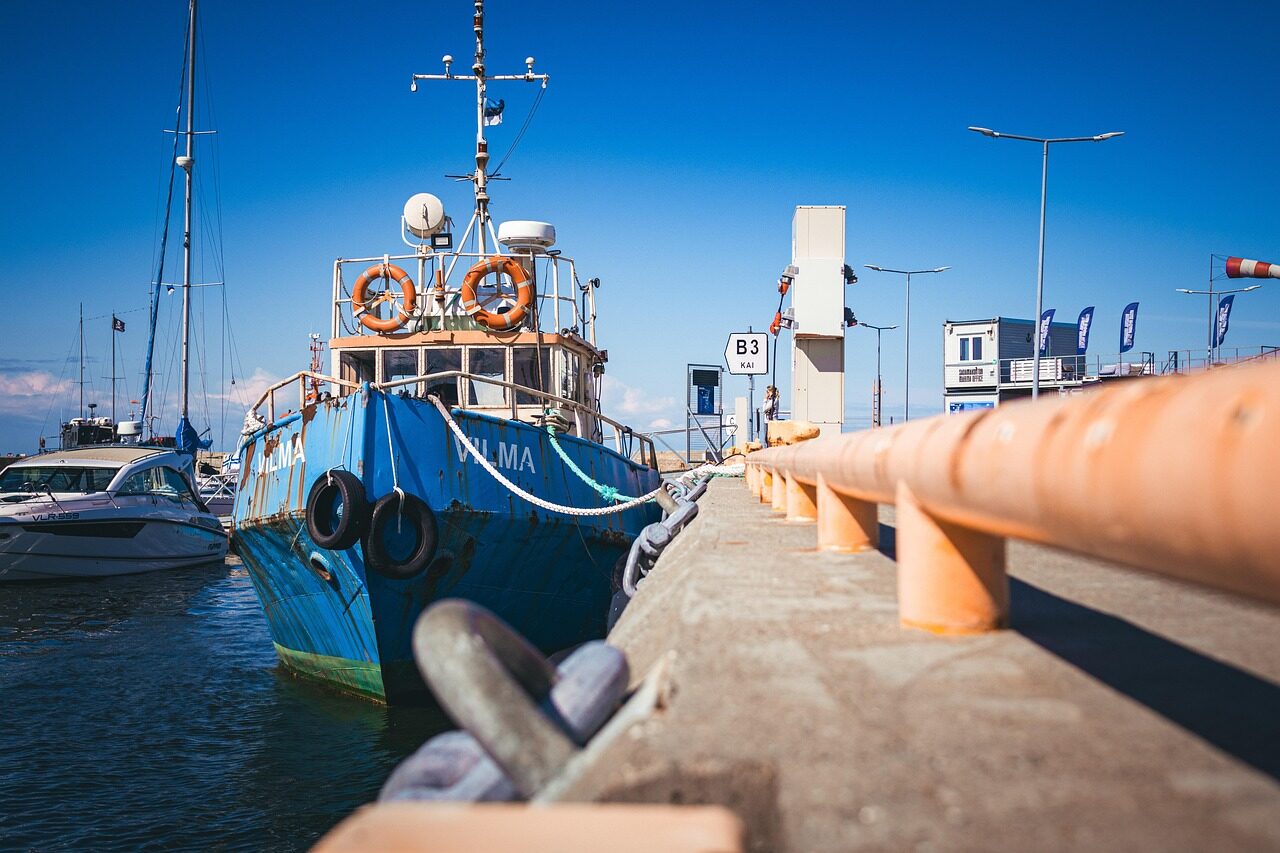
Many people use the words ship and boat interchangeably, but in the maritime world, there is actually a meaningful distinction between the two. Understanding the ship vs boat comparison helps clarify how different vessel types are classified and how they are used.
While both ships and boats are types of watercraft designed to travel across water, the main difference often relates to size, capability, and function.
Some vessels are designed for recreation on lakes and rivers, while others are massive ocean-going craft capable of traveling long distances across the open ocean.
In this guide, we’ll explain what defines a boat, what defines a ship, the fundamental differences between them, and why the distinction matters when transporting marine vessels.
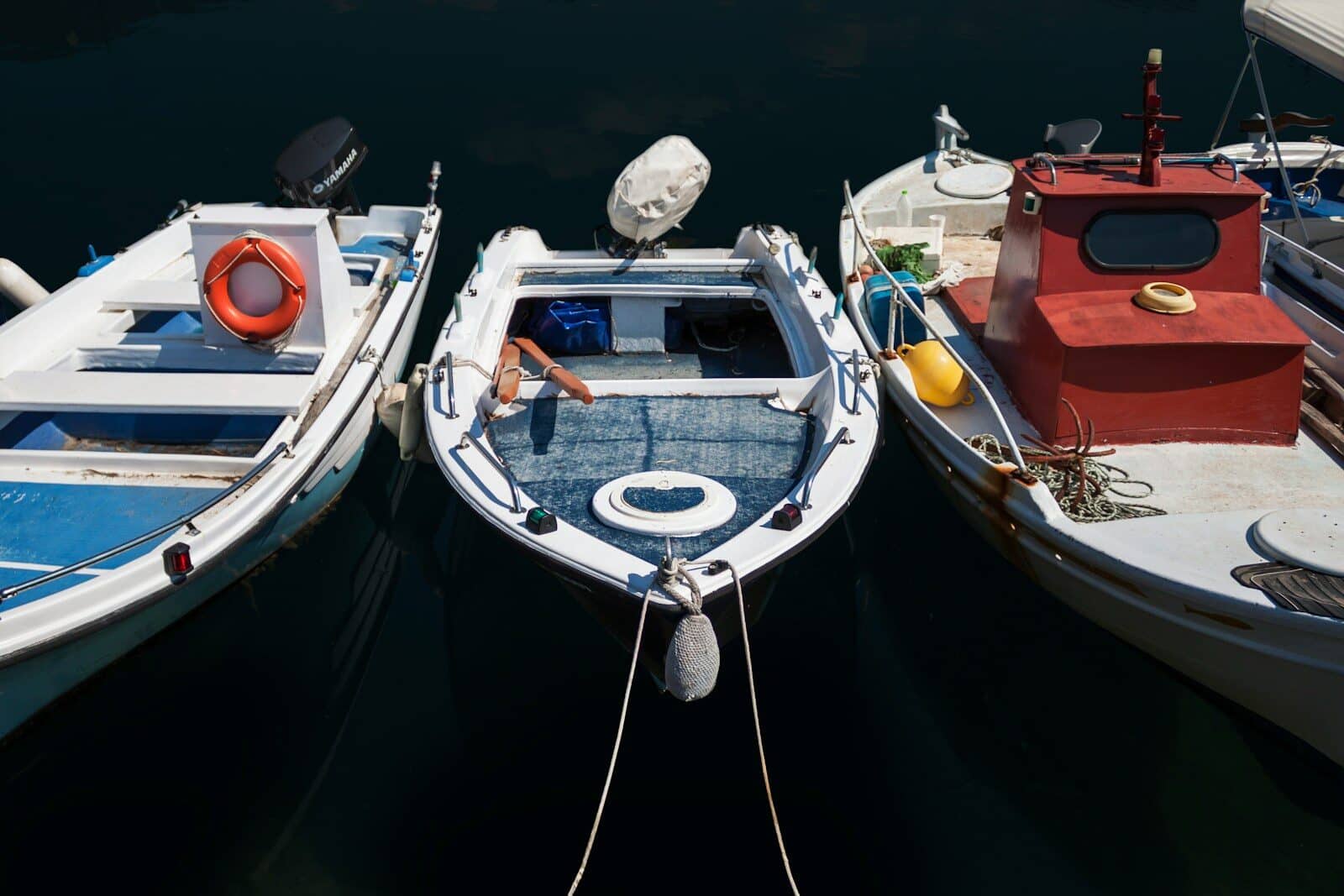
Photo by George Liapis on Unsplash
What Defines a Boat
A boat is generally considered a smaller vessel designed for travel on inland waters, lakes, rivers, and coastal waters.
Most boats are designed for activities such as:
- Recreation
- Fishing
- Short-distance transportation
- Water sports
A fishing boat, speed boat, or small sailing vessel is an example of a common boat design.
Because they are generally smaller, boats are typically easier to maneuver and may be privately owned by individuals or families.
Some common boat examples include:
- A fishing boat used for catching species like blue marlin
- Speed boat used for water sports
- Rowboat used for short-distance travel
- A yacht used for leisure cruising
- Small boats are used on lakes and rivers
These smaller vessels usually operate close to shore or within protected waterways.
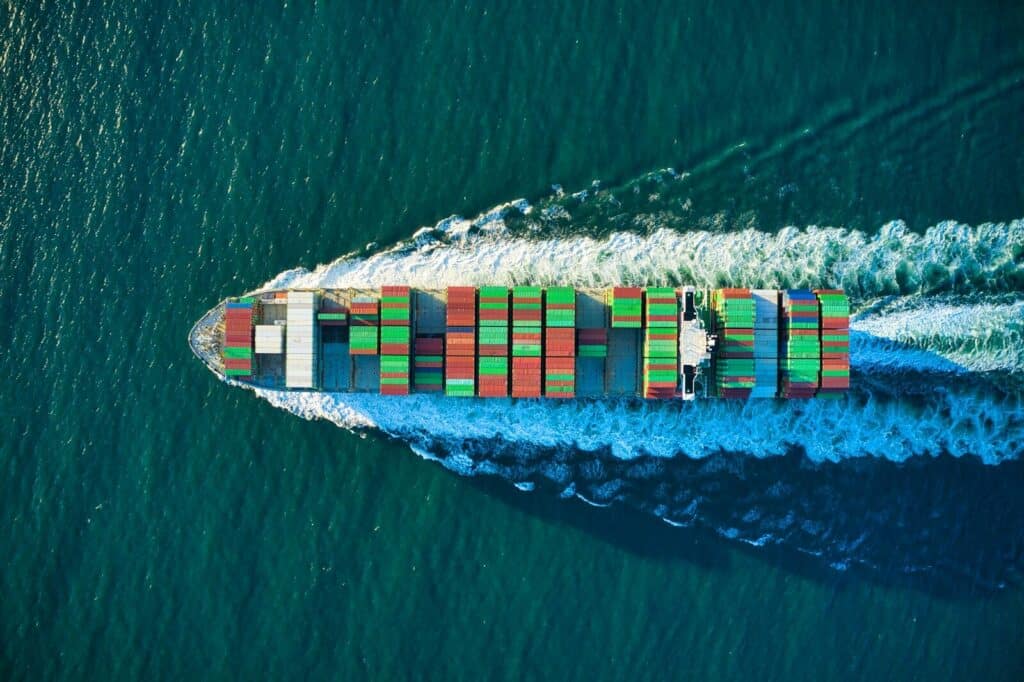
Photo by Venti Views on Unsplash
What Defines a Ship
A ship is usually a much larger vessel designed to travel across the open ocean or high seas.
Ships are capable of carrying significant cargo, passengers, or equipment over long distances. Many larger vessels are built for commercial shipping, passenger transportation, or military operations.
Examples of ships include:
- A container ship transporting goods across oceans
- Cruise ship carrying thousands of passengers
- Sailing ship with three or more masts
- Military ships used by the US Navy or the Royal Navy
Large vessels like aircraft carriers, tankers, and cargo ships are designed with complex navigation systems and large crew teams to operate safely.
Unlike most boats, a ship can often carry a boat, such as lifeboats or smaller support craft.
For example, a cruise ship may carry multiple lifeboats, while a container ship may carry smaller service boats.
Key Differences Between Ships and Boats
Understanding the ship vs boat comparison comes down to several core characteristics.
Size and Capacity
The most obvious difference between a boat and a ship is size.
A ship is typically much larger and capable of carrying cargo, passengers, or equipment across long ocean voyages.
A boat is usually smaller and designed for shorter trips or coastal activities.
Operating Environment
Another major factor in the ship vs boat debate is where the vessel operates.
Ships are designed for:
- Deep water
- Open ocean
- Long distances
Boats are more commonly found in:
- Inland waters
- Lakes
- Rivers
- Coastal environments
Crew and Command Structure
Ships often have larger crews and complex command structures.
In naval vessels operated by the US Navy or Royal Navy, a ship is typically led by a commanding officer.
Smaller boats may be operated by one person or a small group of sailors.
Vessel Design
Ships often have multiple decks, advanced navigation equipment, and heavy-duty construction.
Boats, on the other hand, are typically simpler in design and easier to operate.
For example:
- Ships may have multiple decks
- Boats may have open layouts or simple cabins
Function and Purpose
Ships are often designed for large-scale operations such as transporting cargo or supporting military operations.
Boats are commonly used for recreational activities such as fishing, water sports, or leisure cruising.
Why the Ship vs Boat Distinction Matters
While the terms may seem interchangeable in everyday conversation, the term ship has traditionally referred to larger, ocean-going vessels capable of long-distance travel.
However, not all large watercraft are automatically classified as ships. Some larger vessels, such as large yachts, may still be referred to as boats even though they are quite large.
This is why the ship vs boat distinction can sometimes feel confusing.
Ultimately, the classification depends on a combination of factors, including size, structure, and intended use.

Photo by Alexander Grey on Unsplash
Transport Considerations for Boats
From a transportation perspective, most recreational vessels transported across land fall into the boat category rather than the ship category.
Smaller recreational vessels like:
- Fishing boats
- Speed boats
- Pontoon boats
- Yachts
are often transported between marinas, dealerships, and private owners.
Transporting a boat safely requires careful planning, especially when dealing with larger hulls, wide beams, or heavy cargo.
Professional marine transport companies ensure vessels are properly secured and moved safely across long distances.
Why Professional Boat Transport Matters
Many boat buyers purchase vessels from dealerships located in other states or coastal areas. Moving these vessels safely often requires specialized equipment and experienced drivers.
Companies like Interstate Haulers specialize in transporting boats across the United States.
With nearly 30 years of experience hauling boats, RVs, and specialty trailers, Interstate Haulers understands the logistics involved in safely transporting marine vessels.
Our team works with private owners, dealers, and logistics partners to move boats between marinas, storage facilities, and new owners nationwide.
Final Thoughts
The ship vs boat comparison comes down to size, capability, and purpose.
Ships are typically large ocean-going vessels designed for long voyages, while boats are generally smaller craft used for recreation, fishing, or shorter travel.
Understanding this distinction helps clarify how different watercraft are classified and used across the maritime world.
And when it comes time to move a boat from one location to another, professional transport can help ensure your vessel arrives safely and ready for the water.
If you need help transporting a boat, yacht, or other marine vessel, Interstate Haulers is ready to help.
Our experienced team provides reliable nationwide boat transport backed by nearly three decades of industry expertise.
Contact Interstate Haulers today to request a quote and move your boat safely to its next destination.
Helpful Resources for Understanding Watercraft
If you want to dive deeper into the fascinating world of maritime history and vessel classification, having the right information is essential. We have gathered a list of excellent websites, glossaries, and institutions to help you expand your nautical knowledge. Whether you are a student researching naval architecture or a hobbyist learning the ropes, these seven resources offer reliable and engaging information about both ships and boats.
- National Maritime Museum: https://www.rmg.co.uk/national-maritime-museum This institution offers extensive historical archives and online exhibits that perfectly illustrate the evolution of both ships and boats through the centuries.
- United States Coast Guard Navigation Center: https://www.navcen.uscg.go The official USCG portal provides authoritative definitions and maritime regulations that help clarify the technical differences between various watercraft sizes and classifications.
- Encyclopedia Britannica: Ship: https://www.britannica.com/technology/ship This maritime encyclopedia entry gives a thorough, academic overview of naval architecture, helping you understand exactly when a boat technically becomes a ship based on design and purpose.
- Glossary of Nautical Terms: https://en.wikipedia.org/wiki/Glossary_of_nautical_terms This comprehensive, easy-to-search dictionary helps you quickly learn the specific jargon used by sailors to describe parts of both large and small vessels.
- BoatUS Foundation: https://www.boatus.org This organization delivers accessible educational materials focused on the fundamentals of operating, maintaining, and understanding smaller recreational boats.
- MarineTraffic: https://www.marinetraffic.com This interactive map allows you to see real-time data and classifications of thousands of commercial ships and private boats currently navigating the globe.
- The Maritime Executive https://www.maritime-executive.com This publication features educational articles and industry news that explore the modern capabilities, engineering, and daily operations of large-scale shipping vessels.