
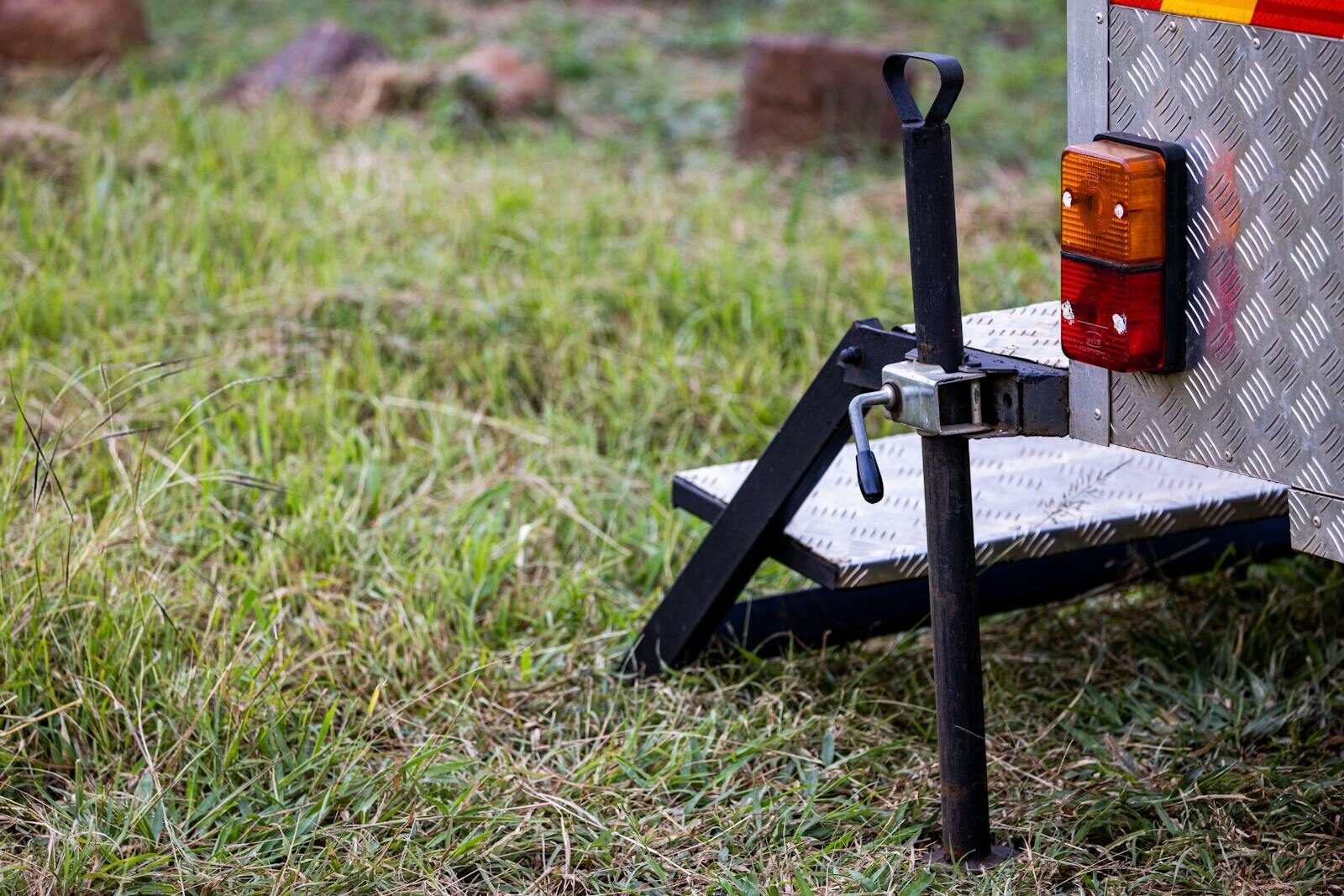
A utility trailer is an open, versatile trailer used by homeowners, contractors, and outdoor enthusiasts to haul equipment, materials, and bulky cargo. Key benefits include easy access, customizable features, and long-term value, making it the perfect multi-purpose hauling solution for both personal and business use.
If you frequently move large, heavy, or awkwardly shaped items, a utility trailer is one of the most practical and flexible trailers you can own. Whether you are tackling massive home projects, expanding your landscaping company, meeting small business needs, moving heavy equipment, hauling construction materials, or gearing up for outdoor recreation, this simple piece of equipment can completely transform how you work and play.
While enclosed cargo trailers and specialized haulers serve specific purposes, the open bed of a utility trailer provides unmatched versatility. You can load it from multiple angles, hose it down after a messy job, and tow it with a wide variety of standard vehicles.
At Interstate Haulers, we have spent nearly 30 years transporting trailers, boats, RVs, travel trailers, and industrial trailers across the continental United States. We have seen firsthand just how heavily our clients rely on these durable assets. In this guide, we will cover why a utility trailer can be such a high-value investment for homeowners, contractors, small businesses, and outdoor enthusiasts alike.

Photo by Mehmet Turgut Kirkgoz on Pexels
What Exactly Is a Utility Trailer and What Features Does It Include?
A utility trailer is an open, non-enclosed trailer designed to haul equipment, tools, materials, cargo, and other large items. Unlike dump trailers or enclosed cargo boxes, utility trailers feature an open top, making them lightweight and highly accessible.
These trailers come in a massive variety of sizes, lengths, widths, axle setups, and model options to fit almost any towing vehicle and hauling requirement. Manufacturers build them to handle everything from a single lawnmower to heavy commercial construction machinery.
When you look at a standard utility model, you will typically find several common features:
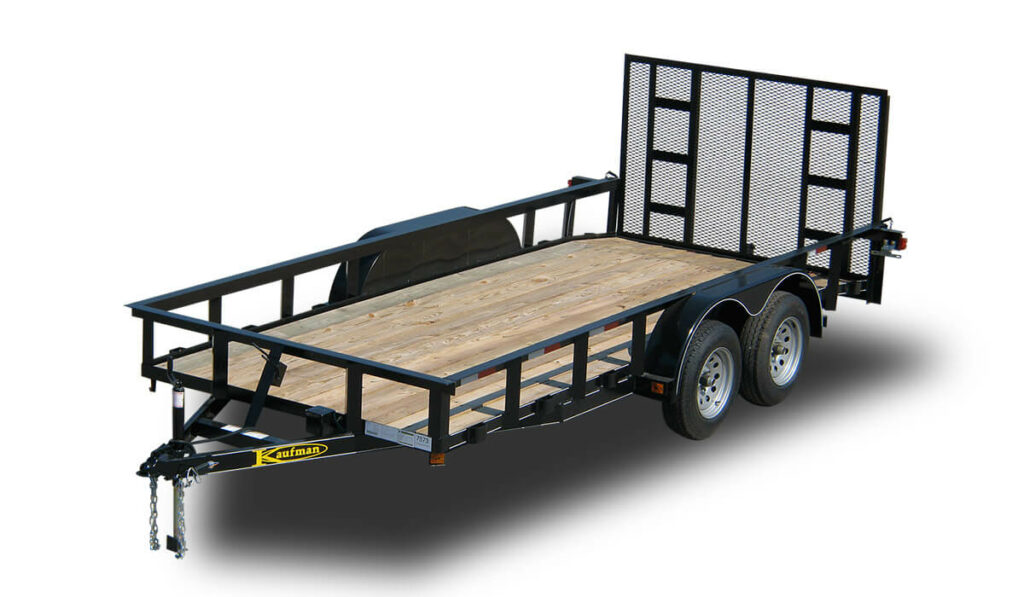
- Open trailer bed (often made of treated wood, steel, or aluminum)
- Raised side rails to contain loose cargo
- Drop-down rear ramps or loading gates
- Built-in tie-down points for securing loads
- Heavy-duty safety chains
- A standard hitch coupler
- Single or tandem axles, depending on weight capacity
- Custom storage options like front-mounted toolboxes
What Are the Most Common Uses for a Utility Trailer Today?
One of the biggest benefits of a utility trailer is how many different ways it can be used. Because it offers a flat, open surface, you are not restricted by the height limits or tight wall clearances of an enclosed trailer.
Some of the most popular ways to use a utility trailer include:
- Hauling heavy lawn equipment and riding mowers
- Moving bulky furniture to a new house
- Carrying construction tools and raw materials to job sites
- Transporting ATVs, dirt bikes, or motorcycles to the trails
- Supporting massive home improvement and renovation projects
- Moving small business inventory from a warehouse to a storefront
- Hauling outdoor gear for camping or hunting trips
- Transporting bulky, awkwardly shaped items that will not fit in a standard truck bed
Why Do Homeowners Frequently Rely on Utility Trailers for Everyday Projects?
For the ambitious homeowner, a utility trailer is an absolute game-changer. Instead of renting a box truck every time you buy furniture or paying hefty delivery fees for landscaping supplies, you can simply hitch up your trailer and get the job done efficiently.
Homeowners frequently use these trailers for comprehensive yard cleanup, especially in the spring and fall. You can easily load up massive piles of brush, branches, and debris to haul to the local dump. They are also perfect for picking up yards of mulch, topsoil, and other landscaping materials.
If you are renovating your house, the trailer becomes an essential tool for transporting drywall, lumber, and appliances. You can even use it for seasonal storage, keeping items off the ground in your garage, or hauling your outdoor equipment safely. Having your own trailer means you can move large items on your own schedule, saving you significant time and rental costs over the years.

Photo by Wolf Lieff on Unsplash
How Do Contractors and Small Businesses Use Utility Trailers?
Utility trailers are incredibly useful for contractors, landscapers, mobile service providers, and small business owners. When your livelihood depends on moving tools and supplies efficiently, having a reliable transport method is non-negotiable.
Landscapers use them daily for transporting zero-turn mowers, trimmers, and leaf blowers. Construction crews use them for carrying tools, moving heavy materials like concrete mix, and keeping job site supplies organized. Mobile detailers or pressure washing businesses often mount their water tanks and equipment directly to the trailer bed.
A well-equipped utility trailer allows small business owners to bring their entire inventory or mobile workshop directly to the job site. The right utility trailer can help make your daily work much more efficient, visually organized, and highly professional to your clients.
How Does a Utility Trailer Make Hauling Equipment Easier?
Hauling heavy equipment can be dangerous if you do not have the right setup. Utility trailers are specifically designed to make this process as safe and simple as possible.
They are commonly used to haul equipment like lawn mowers, commercial pressure washers, heavy generators, landscaping tools, small trenchers, construction supplies, and recreational equipment.
What makes the utility trailer so effective for these items? It comes down to design. Integrated drop-down ramps allow you to roll heavy wheeled machinery directly onto the trailer bed without manual lifting. Strategically placed tie-down points let you secure the load with ratchet straps to prevent shifting during transit. The overall trailer bed strength and proper weight capacity ensure the trailer frame will not bend or buckle under the stress of heavy machines.
Why Do Utility Trailers Offer Such Easy Access to Cargo?
The open design of a utility trailer makes loading and unloading exceptionally easier than dealing with an enclosed space. This easy access is incredibly helpful when you are hauling large, awkward, or extremely heavy items.
Instead of squeezing through narrow rear doors, you can load a utility trailer from the back or, depending on the rail height, directly over the sides. Features like drop-down ramps eliminate the need for heavy lifting. The open bed design means a forklift can easily drop a pallet of roofing shingles directly onto the trailer.
Furthermore, multiple tie-down locations run along the rails, giving you endless options for securing odd-shaped cargo. Many owners also add custom storage areas, tool racks, or toolboxes to the front tongue of the trailer, ensuring that smaller items remain easily accessible without cluttering the main cargo bed.
How Do You Choose the Right Trailer Length, Width, and Sizes?
You must carefully consider the trailer length and trailer width. A compact 5×8-foot trailer might be perfect for a single ATV or light yard work. However, if you are hauling a car, multiple mowers, or long lumber, you will likely need a 7×16-foot model or larger.
Think about the specific cargo dimensions you typically handle. Do you need extra storage space for toolboxes? What is your towing vehicle actually rated to handle? A heavy-duty steel trailer might exceed the towing capacity of a small SUV before you even put cargo on it. Think about how often the trailer will be used and where you will park it. Buyers should choose a trailer that fits their actual daily needs without buying something drastically larger or heavier than necessary.
Why Do GVWR, Axles, and Stability Matter for Utility Trailers?
When shopping for a trailer, you will encounter technical terms that directly impact safety and performance. You must understand these elements before making a purchase.
GVWR stands for Gross Vehicle Weight Rating. This number represents the absolute total maximum weight of the trailer itself plus the cargo it is carrying. You must never exceed this number.
Axles carry and balance the trailer’s weight. A single-axle trailer is lighter, easier to maneuver by hand, and cheaper to maintain. However, a tandem axle (two axles) distributes heavy weight much better, offers superior stability at highway speeds, and provides a safety net if you experience a tire blowout.
Stability refers to how safely and smoothly the trailer handles on the road. Proper weight distribution—generally placing 60% of the cargo weight in the front half of the trailer—is critical to prevent dangerous trailer sway. Anyone hauling heavier equipment or materials should heavily scrutinize the trailer’s GVWR, axle setup, and overall frame strength.
What Are the Most Important Safety Features to Look For?
Safety must always come before price or convenience. When choosing or operating a utility trailer, specific safety features are mandatory for protecting yourself and other drivers on the road.
Always check for heavy-duty safety chains that cross under the hitch to catch the trailer if it detaches. Ensure the coupler fits your hitch ball perfectly and locks down tight. Working lights—including brake lights, turn signals, and running lights—are legally required and vital for nighttime visibility.
You should also look for strong loading ramps with sturdy hinges, secure built-in tie-down points, and high-quality tires rated for heavy trailer use. If you are buying a larger tandem axle model, it should be equipped with its own trailer brakes to help your tow vehicle stop safely. A durable trailer bed and a highly stable axle setup will keep your cargo secure during rough transit.
How Can You Customize a Utility Trailer for Specific Jobs?
Many utility trailers can be customized based on exactly how they will be used. Because they feature open frames, modifying them is typically much easier than modifying an enclosed trailer.
If you run a landscaping business, you might install custom racks for weed trimmers, shovels, and rakes. You can add heavy-duty toolboxes to the front tongue to securely store tools away from the weather. Other popular customization options include heavy-duty ramps, heightened side rails to hold in loose mulch, spare tire mounts, and upgraded steel flooring for extreme durability.
You can also install advanced tie-down systems like E-track along the floor, or swap out standard gates for heavy-duty split gates. This flexibility allows homeowners, contractors, landscapers, and small business owners to perfectly tailor a base model trailer to their exact job requirements.
What Are the Best Practices for Choosing the Right Utility Trailer?
To ensure you buy the perfect trailer, ask yourself a few practical questions to guide your decision-making process:
- What type of cargo will you haul most often?
- How much weight do you legitimately need to carry?
- What exact size trailer bed do you need to fit your largest items?
- Do you need heavy-duty ramps for rolling equipment?
- Will you need to store tools or equipment permanently on the trailer?
- Do you need a single axle for light duty, or a tandem axle for heavy hauling?
- What is your towing vehicle legally rated to handle?
- What specific features matter most for your daily work or lifestyle?
- What price range makes the most sense for your budget?
- Do you need a basic, entry-level model or a heavy-duty trailer with upgraded options?
Why Do Utility Trailers Offer Great Long-Term Value?
A utility trailer is widely considered a smart investment because it can be used in so many unpredictable ways. Over a decade of ownership, the same trailer might haul your landscaping supplies, move your children into their college dorms, and carry your ATV to the mountains.
Their inherent versatility and structural durability make them incredibly useful for everyday tasks, ongoing business support, home project convenience, and weekend recreation. Because they lack a roof and walls, there are fewer components to break, leak, or rot, resulting in reliable long-term performance when properly maintained. For people who want one single trailer that can adapt and handle many different needs, the utility trailer remains the ultimate choice.
Need Help Transporting a Utility Trailer?
Once you find and purchase the perfect utility trailer, you may face a logistical hurdle: how do you get it home? You may have purchased it from an out-of-state manufacturer, a specialized dealership, or a private seller located hundreds of miles away.
That is exactly where Interstate Haulers steps in. Founded in 1997, we are a family-owned transportation company with nearly 30 years of deep expertise hauling trailers, RVs, boats, travel trailers, and industrial trailers across the continental United States.
We provide nationwide trailer transport utilizing a highly experienced hauling team. Our FMCSA-compliant drivers guarantee safe and professional service. We pride ourselves on transparent communication and hassle-free quoting, offering top-tier logistical support for private individuals, small businesses, dealers, and major manufacturers alike.

Contact Interstate Haulers for Dependable Utility Trailer Transport
If you are buying a utility trailer, relocating an existing one, or need help getting a commercial trailer delivered safely across the country, Interstate Haulers is ready to help. Contact our team today to request a free quote and secure dependable trailer transport from an experienced, family-owned company you can trust.
Frequently Asked Questions (FAQ)
What Is the Ideal Utility Trailer Size for a Homeowner?
For most standard homeowner tasks like hauling yard waste, moving furniture, or transporting a riding lawnmower, a 5×8-foot or 6×10-foot single-axle trailer is ideal. These sizes provide ample cargo capacity while remaining lightweight enough to be towed by mid-size SUVs and half-ton pickup trucks.
Should I Choose a Wood, Steel, or Aluminum Bed for My Utility Trailer?
Choose treated wood if you want an affordable, easy-to-replace surface that provides good traction. Choose steel if you are hauling extremely heavy construction equipment that requires maximum durability, though it is prone to rust. Choose aluminum if you want a lightweight, rust-proof option, which is excellent for coastal environments or saving on towing weight.
How Do I Properly Distribute Weight on a Utility Trailer?
Always follow the 60/40 rule when loading your cargo. Place approximately 60% of the total cargo weight in the front half of the trailer (ahead of the axle) and 40% in the rear. This ensures proper tongue weight on your towing vehicle, which prevents dangerous trailer sway at higher speeds.
Can Interstate Haulers Transport a Newly Purchased Utility Trailer to My House?
Yes. Interstate Haulers frequently transports utility, industrial, and recreational trailers from dealerships, manufacturers, and private sellers directly to buyers across the continental United States. Our team handles the logistics, so you do not have to make a long-distance drive to retrieve your purchase.